Why Is It Called a Grandfather Clock? The Fascinating Story
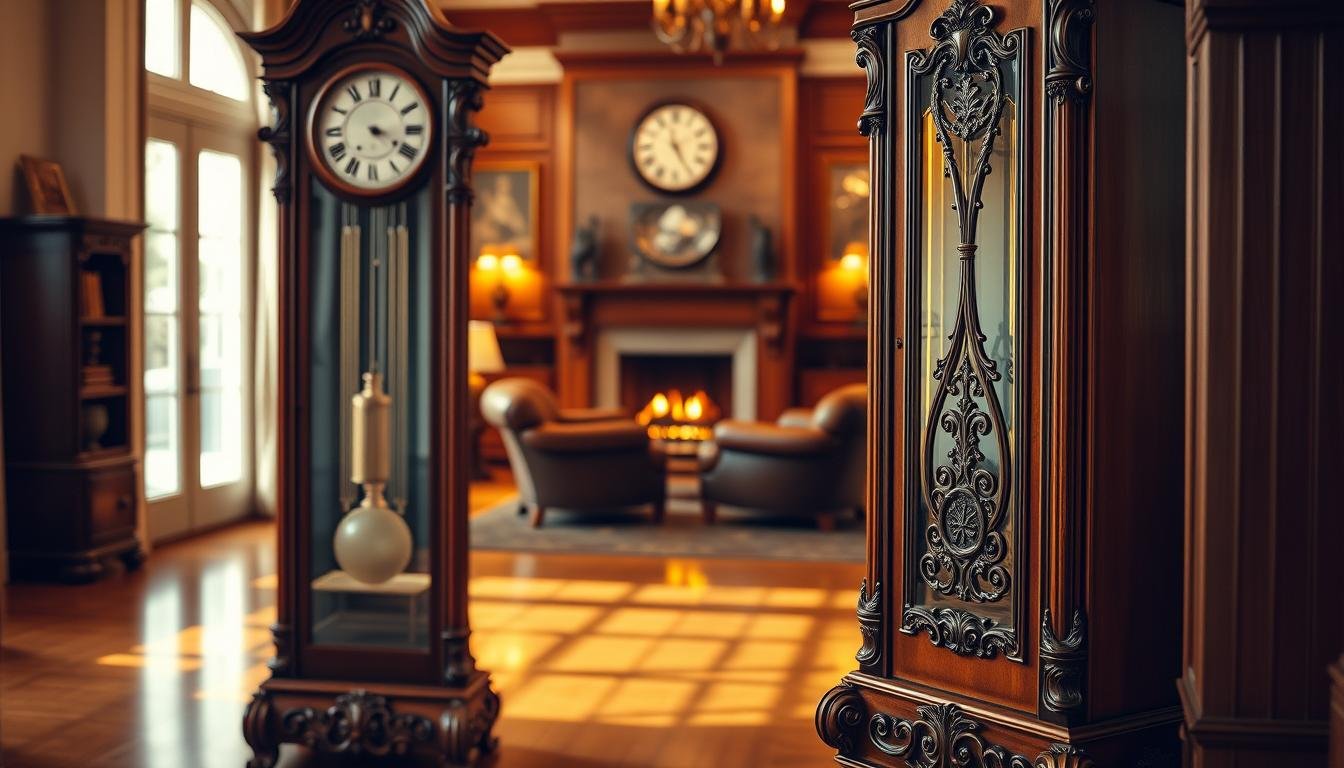
Have you ever wondered why those tall, stately timepieces standing in hallways and living rooms are called “grandfather clocks”? The answer might surprise you; it’s not because they’re old, but because of a popular song from the 1870s that captured people’s hearts and imagination.
The Musical Origin Story
The term “grandfather clock” comes from a beloved American song titled “My Grandfather’s Clock,” written by Henry Clay Work in 1876. This wasn’t just any ordinary tune; it became one of the most popular songs of its era, selling over a million copies of sheet music when most households gathered around pianos for entertainment.
The song tells the touching story of a clock that worked faithfully for ninety years, keeping perfect time throughout an old man’s life, only to stop forever when he passed away. The lyrics paint a picture of this faithful timekeeper as almost a family member, watching over generations and marking life’s precious moments.
What Were They Called Before?
Before Henry Clay Work’s song captured the public imagination, these impressive timepieces went by much more formal names:
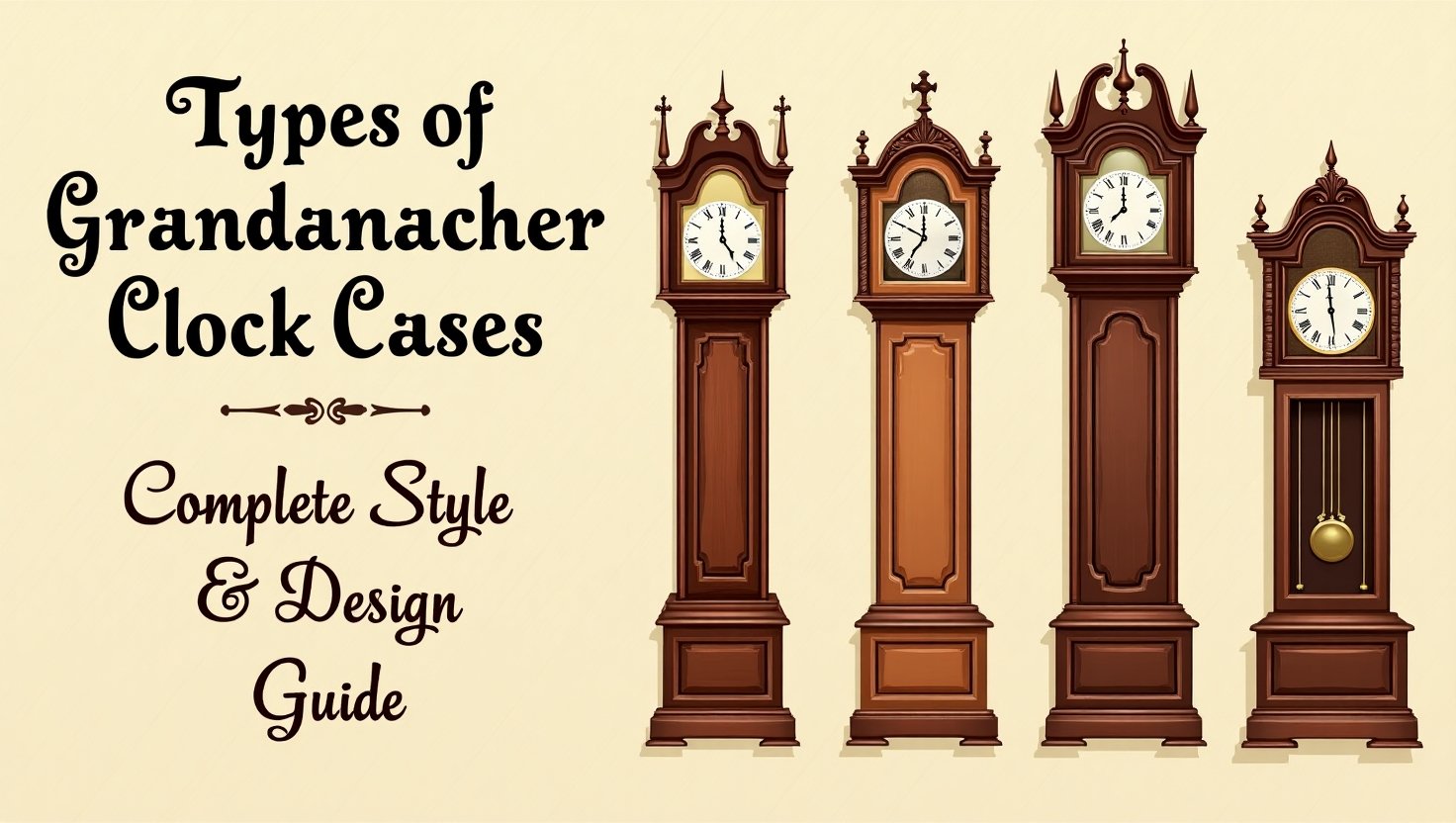
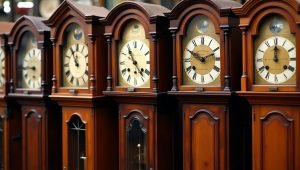
- Longcase clocks (the technical term still used today)
- Floor clocks (describing their placement)
- Tall case clocks (referring to their height)
- Hall clocks (indicating their common location)
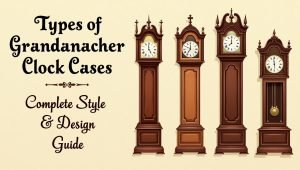
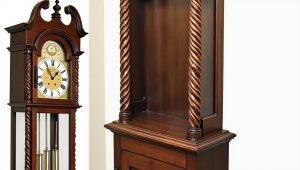
Clock makers and horologists (clock experts) originally used these descriptive terms because they perfectly explained what made these clocks special: their height, their floor-standing design, and their prominent wooden cases that housed both the clockwork mechanism and the long pendulum.
The Power of Popular Culture
What makes this story remarkable is how a single song completely changed how we name an entire category of objects. The melody was so catchy and the story so memorable that people started calling these timepieces “grandfather clocks” in everyday conversation. Eventually, even clock manufacturers and retailers adopted the term because that’s what customers were asking for.
This demonstrates the incredible power of popular culture to shape our language. Just like how we might say “Google it” instead of “search for it online,” or call all tissues “Kleenex,” the grandfather clock shows how entertainment and marketing can permanently alter our vocabulary.
The Real Inspiration Behind the Song
Henry Clay Work didn’t create his famous song out of thin air. According to historical accounts, he was inspired by a real clock he encountered at the George Hotel in Piercebridge, England. The hotel owners told him about their longcase clock that had stopped working when its previous owner died, and this touching story became the foundation for his hit song.
Why the Name Stuck So Perfectly
Several factors helped the “grandfather clock” become the permanent name:
Emotional Connection: The song created an emotional bond between people and these timepieces, making them seem like wise, dependable family members rather than just furniture.
Easy to Remember: “Grandfather clock” is much simpler and more memorable than “longcase pendulum clock” or other technical terms.
Perfect Description: The name suggests something old, reliable, and traditional, exactly what these clocks represent in our homes.
Family Heritage: Many families do pass these clocks down through generations, making the “grandfather” connection feel natural and appropriate.
Modern Usage and Variations
Today, the family of names has expanded to include:
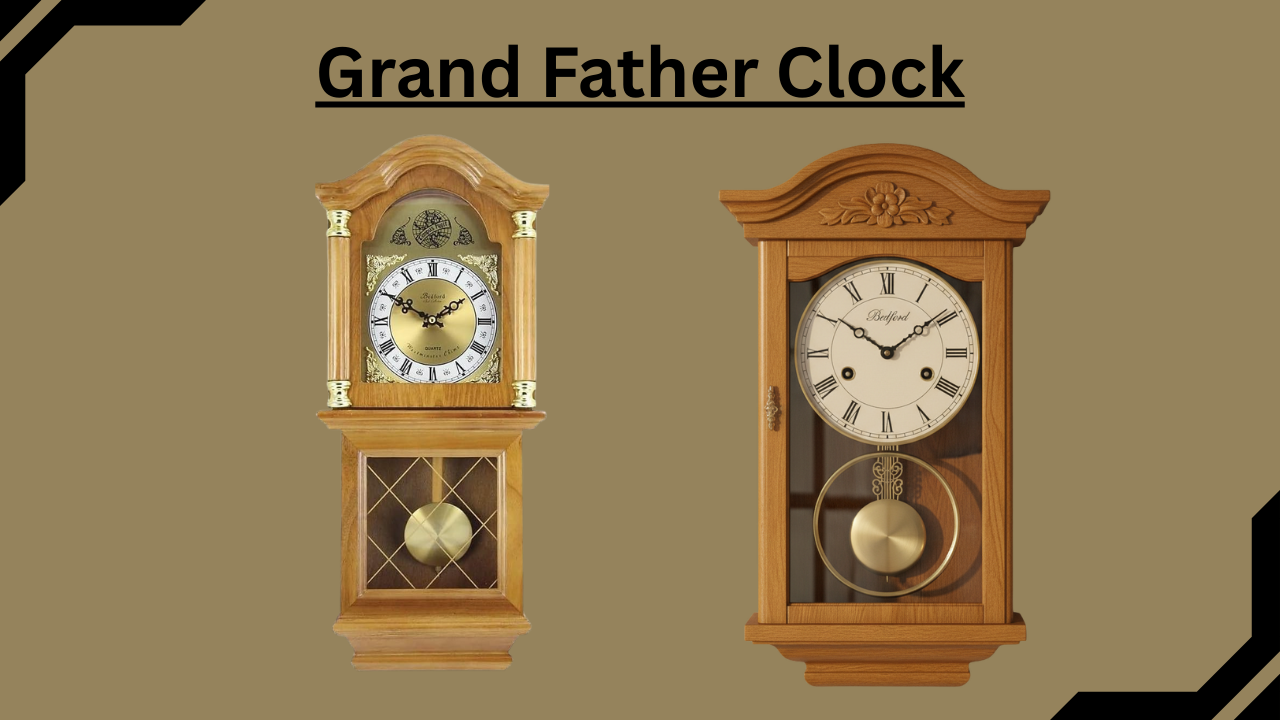
- Grandmother clocks: Shorter versions, typically 5-6 feet tall
- Granddaughter clocks: Even smaller variants, around 3-4 feet high
- Father clocks: A less common term for medium-sized versions
These variations show how deeply the family metaphor has become embedded in our understanding of these timepieces.
The Craftsmanship Behind the Name
What makes these clocks worthy of such an honored family name? Traditional grandfather clocks represent some of the finest examples of both mechanical engineering and woodworking craftsmanship:
- Precision Movement: The mechanical works, often handcrafted, can keep accurate time for centuries with proper maintenance
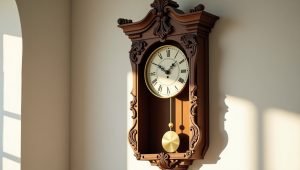
- Artistic Cases: The wooden cases showcase beautiful woodworking, often becoming family heirlooms
- Musical Elements: Many feature chimes that mark the hours with Westminster, Whittington, or St. Michael melodies
- Generational Durability: Well-made examples can function perfectly for 200+ years
Cultural Impact and Symbolism
The grandfather clock has become a powerful symbol in our culture, representing:
- Tradition and continuity
- The passage of time
- Family heritage and stability
- Quality craftsmanship
- Home and hearth
You’ll find them referenced in literature, movies, and art as symbols of these enduring values.
Conclusion: A Name That Tells a Story
The next time you see a grandfather clock, remember that you’re looking at more than just a timepiece; you’re seeing a perfect example of how popular culture can shape our language forever. What started as a simple song about a faithful old clock became the permanent name for an entire category of beautiful, mechanical marvels.
From “longcase clock” to “grandfather clock,” this transformation shows us how the stories we tell and the songs we sing can become permanent parts of our shared vocabulary. It’s a reminder that behind every name, there’s often a fascinating story waiting to be discovered.
So whether you call it a grandfather clock, longcase clock, or tall case clock, you’re referring to one of humanity’s most elegant solutions to the challenge of keeping time, a mechanical marvel that has been marking our precious moments for over three centuries, one tick at a time.




Post Comment