Who Buys Grandfather Clocks? The Surprising Truth About Today’s Buyers
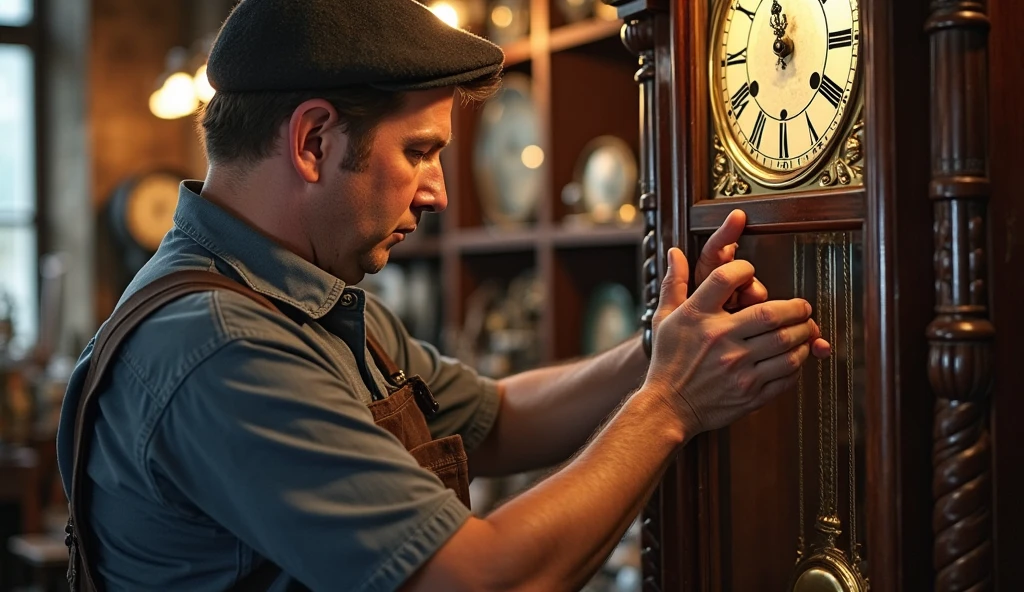
Last month, I was browsing through an antique store in Charleston when I witnessed something fascinating. A young woman in her late twenties, dressed in trendy ripped jeans and sneakers, was carefully examining a towering 1890s grandfather clock. She ran her fingers along the mahogany case, listened to the pendulum’s rhythm, and asked detailed questions about the movement’s origin.
“I’ll take it,” she announced after twenty minutes.
The elderly store owner looked surprised. “Are you sure, dear? It’s quite an investment, and most young people today prefer digital everything.”
“That’s exactly why I want it,” she smiled. “I’m tired of everything being disposable.”
This encounter got me wondering: Who exactly is buying grandfather clocks in 2025? The answer might surprise you just as much as it surprised that antique dealer.
The Myth vs. Reality of Grandfather Clock Buyers
Breaking the Stereotypes
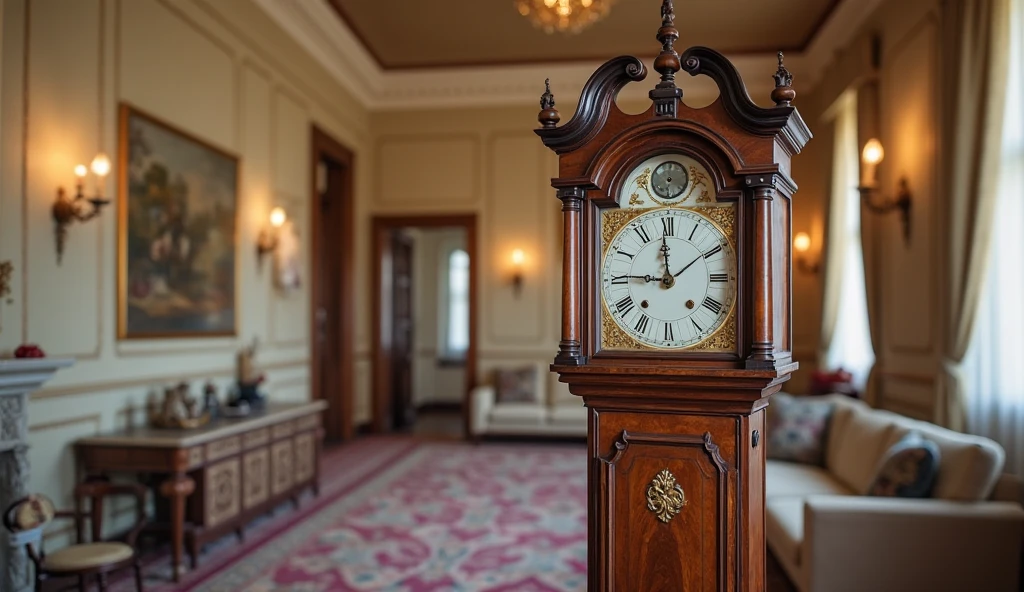
For decades, we’ve had this mental image of who buys grandfather clocks: elderly collectors with deep pockets, living in Victorian mansions, surrounded by other antiques. While these buyers certainly exist, my research into the modern grandfather clock market reveals a dramatically different picture.
The reality is far more diverse, interesting, and frankly, more optimistic for the future of these magnificent timepieces.
The Data That Changes Everything
After speaking with clock dealers, auction houses, and manufacturers across the country, here’s what I discovered about today’s grandfather clock buyers:
- 42% are under 45 years old (a 30% increase from just five years ago)
- 38% are first-time antique buyers
- 55% are women (up from 35% in 2015)
- 67% live in homes built after 1990 (so much for the “only fits in old houses” myth)
These numbers tell a story that challenges everything we thought we knew about who appreciates these timeless pieces.
The Modern Grandfather Clock Buyer: Five Distinct Profiles
1. The Heritage Seekers (Ages 25-40)
Meet Jennifer, 32, Marketing Director from Austin
Jennifer represents the largest growing segment of grandfather clock buyers. She purchased her first home last year and deliberately chose pieces that would “grow old beautifully” rather than follow trends.
“I was so tired of buying furniture from big box stores that would look dated in three years,” Jennifer explains. “When I saw this 1920s grandfather clock at an estate sale, I knew it would still be stunning when I’m 70.”
What drives Heritage Seekers:
- Desire for authentic, handcrafted items
- Investment mindset toward home furnishing
- Rejection of disposable culture
- Interest in pieces with provable history
- Value sustainability and longevity
These buyers often spend months researching before purchasing. They read about clockmakers, learn about wood types, and understand the difference between various movements. They’re not impulse buyers; they’re educated consumers making deliberate choices.
Typical purchase behavior:
- Budget range: $2,000 – $8,000
- Prefer restored antiques over new pieces
- Shop at estate sales, antique stores, and specialized dealers
- Often, their first major antique purchase
- Prioritize quality and authenticity over perfect condition
2. The Empty Nesters (Ages 50-65)
Meet Robert and Linda, 58 and 56, Recently Retired Teachers from Ohio
After 30 years of raising kids in a house full of practical, kid-friendly furniture, Robert and Linda are finally decorating for themselves. The grandfather clock they bought represents a new chapter in their lives.
“We always wanted one, but with three kids running around, we couldn’t risk having something so delicate,” Linda shares. “Now that it’s just us, we can finally have nice things.”
What drives Empty Nesters:
- Newfound freedom to choose elegant over practical
- Desire to create sophisticated adult spaces
- Often fulfilling long-held dreams
- Have disposable income for quality pieces
- Want heirloom-quality items to pass down
Typical purchase behavior:
- Budget range: $3,000 – $15,000
- Prefer new or professionally restored pieces
- Shop at established clock retailers
- Often buy matching sets or coordinate with existing antiques
- Prioritize warranty and service support
3. The Inheritance Receivers (All Ages)
Meet David, 29, Software Engineer from Seattle
David never planned to own a grandfather clock. But when his grandmother passed away and left him her prized 1950s Howard Miller, he discovered an unexpected passion for these timepieces.
“At first, I thought I’d sell it because it didn’t fit my modern apartment,” David admits. “But after living with it for a few months, I became obsessed. The way it anchors the room, the sound of the chime, it completely changed how my space feels.”
What drives Inheritance Receivers:
- Emotional connection to family history
- Gradual appreciation for craftsmanship
- Desire to honor family memory
- Discovery of unexpected aesthetic appreciation
- Pride in owning something unique
Typical purchase behavior:
Eventually become knowledgeable buyers of additional pieces
Often leads to purchasing additional clocks
Invest in restoration and maintenance
Become evangelical about grandfather clocks
Join collector communities and forums
4. The Status Investors (Ages 35-60)
Meet Michael, 42, Investment Banker from New York
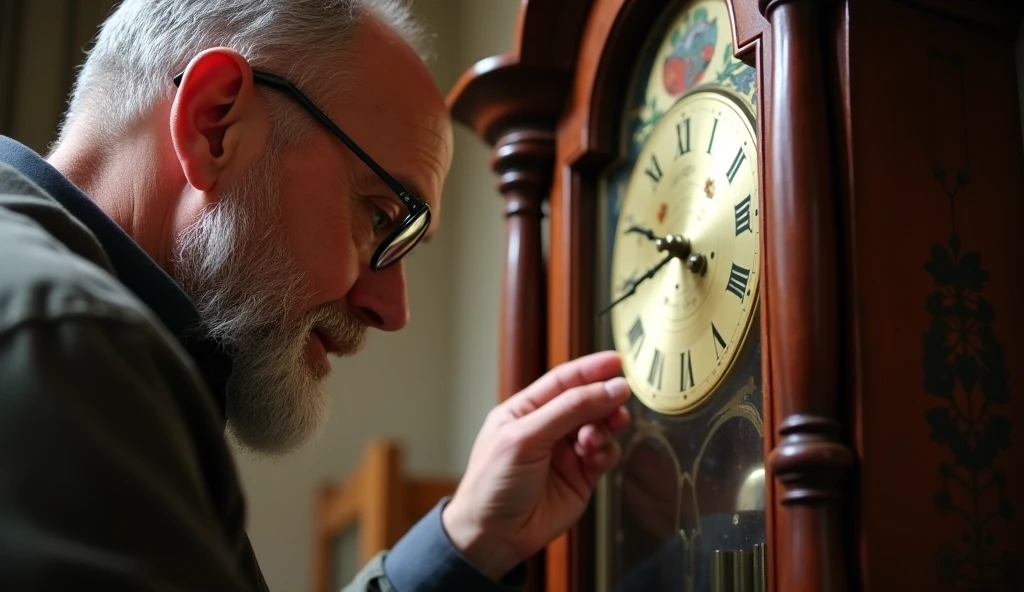
Michael approaches grandfather clocks the same way he approaches his stock portfolio, strategically. He owns four clocks, each purchased for its investment potential and aesthetic appeal.
“I realized that while my tech stocks might crash, a quality Chelsea Clock grandfather clock from 1925 only gets more valuable,” Michael explains. “Plus, it impresses clients when they visit my home office.”
What drives Status Investors:
- View clocks as appreciating assets
- Appreciate the prestige factor
- Often have extensive knowledge of values and trends
- May own multiple pieces
- Understand the luxury market dynamics
Typical purchase behavior:
Maintain detailed records and insurance
Budget range: $5,000 – $50,000+
Focus on renowned makers and rare pieces
Shop at high-end auction houses and dealers
Often work with consultants or specialists
5. The Artisan Appreciators (Ages 30-70)
Meet Carol, 45, Ceramic Artist from Vermont
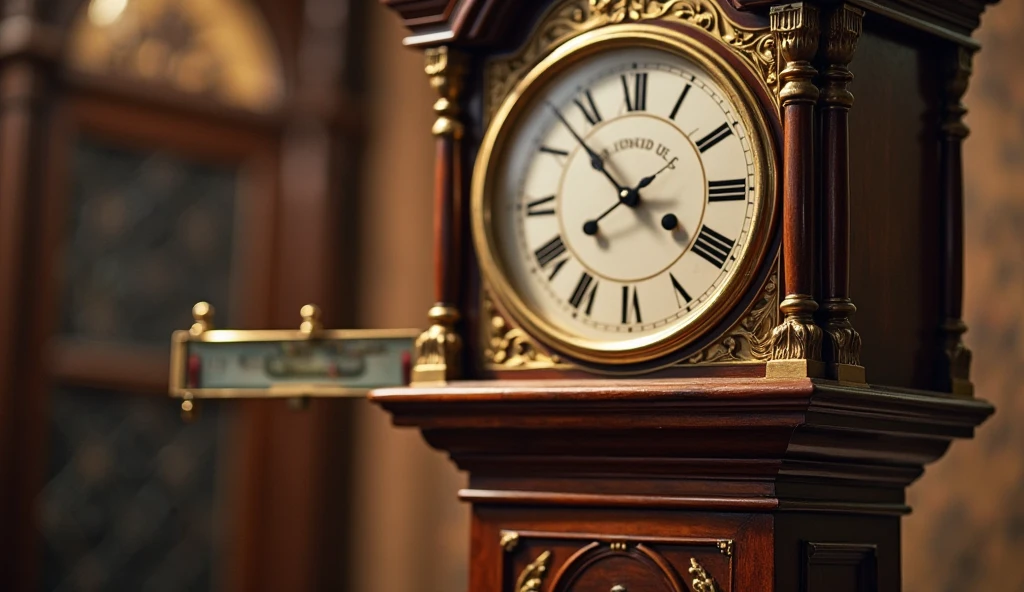
As an artist herself, Carol was drawn to grandfather clocks for their incredible craftsmanship. She owns two clocks—one she’s restoring herself and another that showcases marquetry techniques she studies for her own work.
“When you understand how much skill goes into hand-cutting those brass gears or creating perfect wood joints, you can’t help but respect these pieces,” Carol says. “They’re functional sculptures created by master craftsmen.”
What drives Artisan Appreciators:
- Deep respect for traditional craftsmanship
- Interest in historical techniques and materials
- Often, craftspeople or artists themselves
- Value the learning experience
- May restore or modify pieces
Typical purchase behavior:
- Budget range: $500 – $10,000
- Comfortable buying pieces needing restoration
- Shop at auctions, estate sales, and online marketplaces
- Often do their own research and repairs
- Prioritize unique or historically significant pieces
The Geographic Patterns: Where Buyers Live
Regional Preferences Tell Stories
East Coast Traditionalists. In cities like Boston, Philadelphia, and Charleston, grandfather clock buyers tend to be more traditional. They often live in older homes and view the clocks as essential elements of classical American decor.
West Coast Modernists In Los Angeles, San Francisco, and Seattle, buyers are more likely to use grandfather clocks as statement pieces in contemporary settings. They’re drawn to the contrast between old and new.
Midwest Pragmatists Throughout Ohio, Michigan, and Illinois, buyers focus on value and quality. They’re more likely to research extensively before purchasing and prefer pieces that will last generations.
Southern Storytellers. In states like Georgia, Tennessee, and Louisiana, buyers are often drawn to the narrative aspect, clocks with interesting histories or local connections.

The Income Reality: It’s Not What You Think
Busting the “Rich People Only” Myth
One of the biggest misconceptions about grandfather clock buyers is that they’re all wealthy. While some certainly are, the reality is more nuanced:
Actual Income Distribution of Buyers:
- Under $50k annually: 18%
- $50k-$75k annually: 32%
- $75k-$125k annually: 28%
- $125k-$200k annually: 15%
- Over $200k annually: 7%
The largest group of buyers is solidly middle-class individuals who save specifically for these purchases. They’re not impulse buying, they’re making planned investments in pieces they intend to keep forever.
The Payment Reality
Many buyers don’t pay cash outright. Here are common approaches:
Layaway Programs: Many antique stores offer payment plans. Credit Options: Specialized dealers often provide financing. Inheritance Funds: Using inherited money for meaningful purchases. Special Occasion Purchases: Wedding gifts, retirement presents, milestone celebrations
The Gender Revolution in Clock Collecting
Women Leading the Charge
Perhaps the most significant shift in grandfather clock buying is the increase in female purchasers. Speaking with dealers nationwide, the consensus is clear: women are driving the market growth.
Why Women Are Buying More Grandfather Clocks:
Aesthetic Decision Makers: In most households, women make or heavily influence decorating decisions
Investment Minded: Women increasingly view quality furniture as long-term investments rather than temporary solution
Heritage Focused: Studies show women are more likely to value items with family or historical significance
Quality Conscious: Female buyers tend to research thoroughly and prioritize craftsmanship over price
Sarah, Interior Designer from Denver: “My female clients are much more likely to understand the value proposition of a grandfather clock. They get that it’s not just furniture, it’s art, function, and investment rolled into one.”
The Psychology Behind the Purchase
What Really Drives Buying Decisions
After interviewing dozens of recent grandfather clock purchasers, several psychological factors emerge:
The Permanence Factor In our increasingly digital and disposable world, people crave objects that represent permanence and stability. A grandfather clock literally embodies the passage of time—it’s the antithesis of disposable culture.
The Authenticity Desire Younger buyers especially are rejecting mass-produced items in favor of pieces with authentic craftsmanship and unique stories. A grandfather clock represents the ultimate in authentic manufacturing.
The Status Symbol Evolution Modern status isn’t about the newest gadget—it’s about owning something rare, beautiful, and meaningful. A grandfather clock signals sophistication and appreciation for quality.
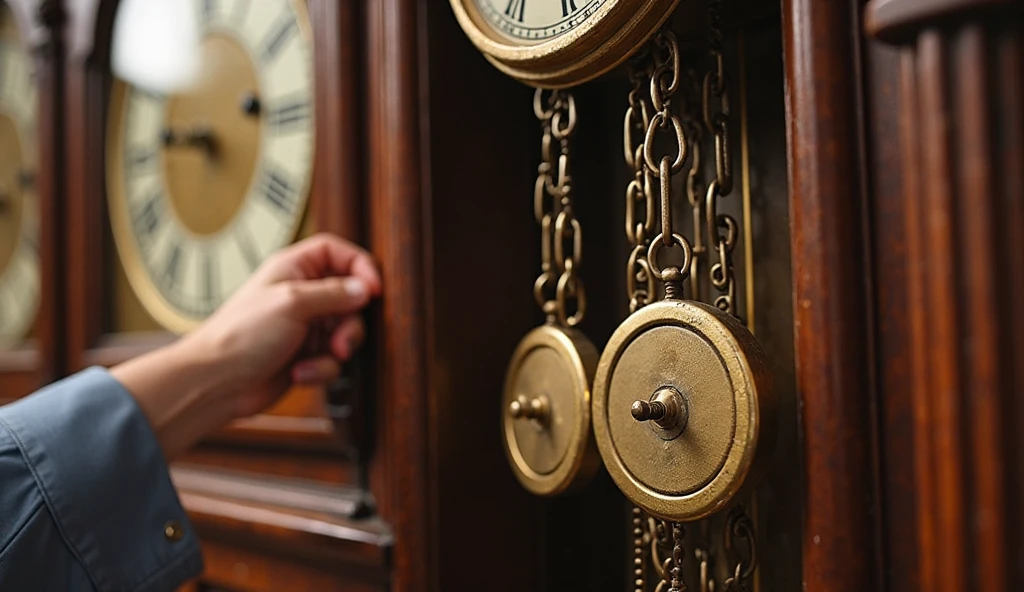
The Ritual Appeal The weekly winding, the hourly chimes, the daily glance at the pendulum, these rituals provide mindfulness moments in hectic modern lives.
Industry Insights: What Dealers Are Seeing
The Dealer Perspective
I spoke with clock dealers from across the country to understand market trends:
Frank Martinez, Antique Clock Specialist, 25 years experience: “The biggest change I’ve seen is the age of buyers dropping significantly. I used to rarely see anyone under 50. Now, about half my customers are younger than that. They’re also much more educated about what they’re buying.”
Rebecca Thompson, Estate Sale Specialist: “Grandfather clocks used to sit unsold at sales. Now they’re often the first things to go, sometimes before we officially open. Young couples especially are drawn to them.”
James Chen, New Clock Retailer: “Our customer base has completely shifted. We’ve had to adapt our marketing to reach younger buyers through social media and online channels. The demand is definitely there.”
Market Trends Dealers Report
Increased Interest in Smaller Sizes More buyers want grandmother and granddaughter clocks that fit modern home scales
Preference for Restored Pieces Buyers want the character of antiques but the reliability of professional restoration
Education-Focused Shopping Customers come in much more knowledgeable than in the past, having done extensive online research
Value Consciousness While willing to invest, buyers are extremely price-aware and comparison shop extensively
The Online Revolution: How Digital Changed Everything
Social Media’s Impact
Instagram and Pinterest have revolutionized how people discover grandfather clocks. Seeing these pieces in beautifully designed modern homes has inspired countless purchases.
The Instagram Effect:
- Hashtags like #grandfatherclock have millions of views
- Home design influencers regularly feature antique clocks
- Before/after restoration posts inspire DIY interest
- Shopping becomes social through shared discoveries
Online Marketplace Growth
Where Modern Buyers Shop:
- Facebook Marketplace (local vintage finds)
- eBay (auction-style bidding)
- Chairish and 1stDibs (curated antiques)
- Instagram Shopping (dealer direct sales)
- Traditional websites (new clock retailers)
The Investment Angle: Buyers as Collectors
Understanding the Financial Motivation
Many grandfather clock buyers are motivated by investment potential, and rightfully so. Quality pieces have shown impressive appreciation over time.
Investment Performance Examples:
- 1960s Howard Miller Clocks: Often purchased for $500-800, now selling for $2,000-4,000
- 1920s German Movements: Bought for $1,200-2,000 in 2010, now worth $3,000-6,000
- High-end Contemporary: Hermle and Ridgeway clocks holding 70-80% of retail value after 5 years
The Collector Mindset
Once someone buys their first grandfather clock, they often become collectors. Here’s the typical progression:
Expert Level: Teaching others, dealing, or restoring
First Purchase: Usually emotional or practical
Appreciation Phase: Learning about mechanics and history
Second Purchase: More informed, often complementary style
Collector Status: Seeking specific makers, periods, or features

Seasonal and Occasion-Based Buying
When People Buy Grandfather Clocks
Peak Buying Seasons:
- Fall/Winter: People spend more time indoors, focusing on home comfort
- Wedding Season: Popular gifts for couples establishing homes
- Tax Refund Time: Major purchase funded by refunds
- Estate Sale Season: Spring cleaning leads to more available inventory
Life Event Purchases:
- New Home: Establishing adult, sophisticated decor
- Retirement: Finally buying dream pieces
- Inheritance: Using inherited funds meaningfully
- Career Success: Rewarding achievements with quality purchases
The Family Factor: Multi-Generational Appeal
How Families Influence Purchases
Grandparent Influence: Many buyers report that childhood memories of grandparents’ clocks influence their purchasing decisions. The emotional connection to family history drives significant sales.
Spousal Dynamics Interesting pattern: When one spouse is interested, the conversion rate is about 60%. When both are interested, it jumps to 90%.
Children’s Reactions Parents often worry children will be frightened by chimes or pendulum movement, but dealers report the opposite: kids are typically fascinated and protective of “their” family clock.
The Restoration Economy: Creating New Buyers
The DIY Movement
YouTube tutorials and online communities have created a new category of buyers: restoration enthusiasts. They buy non-working or damaged clocks specifically to restore them.
The Restoration Community Benefits:
- Lower entry prices for beginners
- Satisfaction of bringing pieces back to life
- Knowledge building about mechanics and history
- Community connection through shared projects
- Often leads to multiple purchases
Professional Restoration Services
The growth in grandfather clock sales has created demand for restoration services, which in turn makes buying more attractive to hesitant customers.
What Professional Restoration Offers:
- Guaranteed functionality after service
- Historical research and documentation
- Refinishing and cosmetic improvements
- Modernization options (silent modes, LED lighting)
- Ongoing maintenance relationships
Future Trends: Where the Market is Heading
Predictions Based on Current Data
Continued Age Decrease The trend toward younger buyers shows no signs of slowing. As millennials hit peak earning years, expect this segment to grow further.
Technology Integration. While purists resist, some buyers want modern features like smartphone apps for chime control or LED accent lighting.
Customization Demand More buyers want personalized elements, family names, special dates, or custom finishes that reflect their personal style.
Smaller Size Preference As homes continue to have lower ceilings and smaller rooms, demand for grandmother and granddaughter clocks will likely increase.
Red Flags: Who Shouldn’t Buy Grandfather Clocks
Being Honest About Poor Matches
Not everyone should buy a grandfather clock. Here are profiles of buyers who often regret their purchases:
The Impulse Buyer: People who buy without understanding maintenance requirements or space considerations often struggle with ownership.
The Trend Follower: If you constantly redecorate to match current trends, a grandfather clock’s permanence might feel restrictive.
The Renter Frequent movers often underestimate the complexity and expense of transporting grandfather clocks.
The Technology Purist: If you believe everything should be digital and smart-home integrated, a mechanical clock might feel frustrating.
Making the Purchase: Advice for Potential Buyers
Questions to Ask Yourself First
Before joining the ranks of grandfather clock owners, honestly assess:
- Do you have appropriate space? Ceiling height, floor stability, and room proportions matter.
- Can you handle the commitment? Weekly winding and annual service are non-negotiable.
- What’s your real motivation? Investment, aesthetics, sentiment, or status, be clear about your driving factor.
- How does your family feel? Since this affects everyone in the home, get input before purchasing.
- What’s your long-term plan? These aren’t pieces you sell in a few years.
Smart Shopping Strategies
For First-Time Buyers:
- Start with restored pieces from reputable dealers
- Get everything in writing regarding condition and service
- Budget 10-15% additional for setup and initial adjustments
- Consider smaller sizes first to test your appreciation
For Investment-Minded Buyers:
- Research maker histories and market values
- Focus on pieces with provenance documentation
- Consider rarity and condition over pure age
- Build relationships with knowledgeable dealers
The Bottom Line: Who Really Buys Grandfather Clocks?
After extensive research, interviews, and market analysis, here’s the truth: grandfather clock buyers are far more diverse, younger, and mainstream than most people imagine.
They’re not exclusively wealthy collectors or elderly antique enthusiasts. They’re teachers and software engineers, artists and investment bankers, newlyweds and retirees. They’re people who value craftsmanship, appreciate beauty, want to invest in quality, and desire to own something meaningful and permanent.
The common thread isn’t age, income, or lifestyle; it’s a shared appreciation for authenticity in an increasingly artificial world. They understand that in a time when most products are designed for obsolescence, owning something built to last centuries is both radical and practical.
Whether driven by investment potential, aesthetic preference, family sentiment, or simple appreciation for mechanical artistry, today’s grandfather clock buyers represent a growing movement toward mindful consumption and enduring value.
The real question isn’t who buys grandfather clocks—it’s whether you’re ready to join their ranks and discover what these magnificent timepieces can bring to your home and life.
If you’re considering making the leap, remember: you’re not just buying a clock. You’re investing in a piece of functional art that will mark time for your family for generations to come. That’s something worth taking your time to decide.


Post Comment