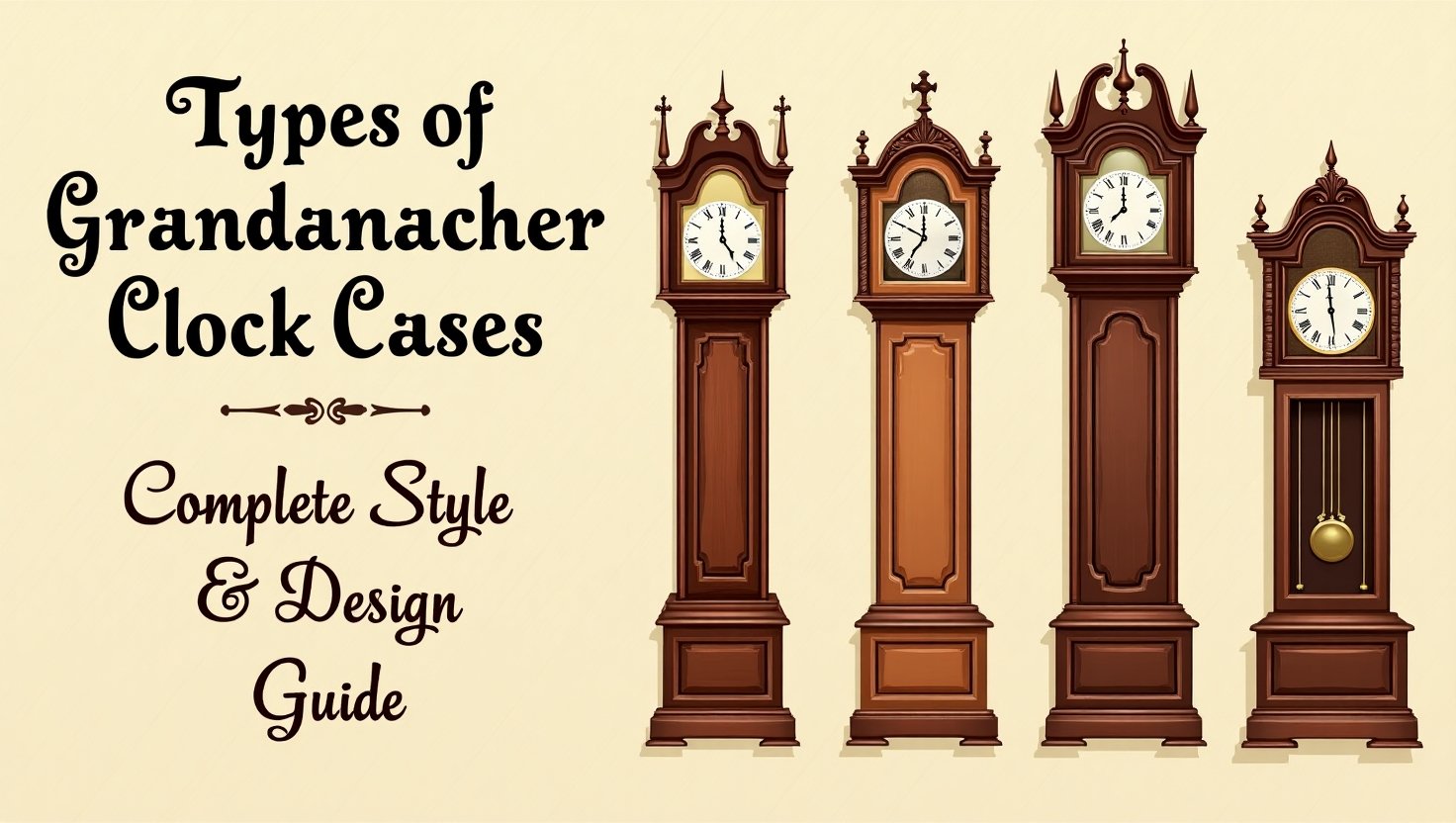
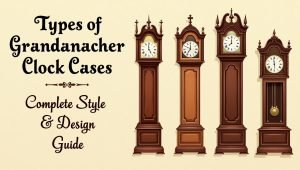
Types of Grandfather Clock Cases Complete Style & Design Guide
Not all grandfather clocks are the same; each type has its own charm, movement, and history. From tall traditional longcase clocks with deep Westminster chimes to grandmother clocks designed for smaller spaces, and modern floor clocks that mix quartz precision with sleek finishes, every style reflects a different era of craftsmanship. Knowing the main types of grandfather clocks helps collectors, homeowners, and enthusiasts choose the right design, sound, and mechanical movement for their room. Let’s explore the distinct kinds of grandfather clocks and what makes each one timeless in its own way.
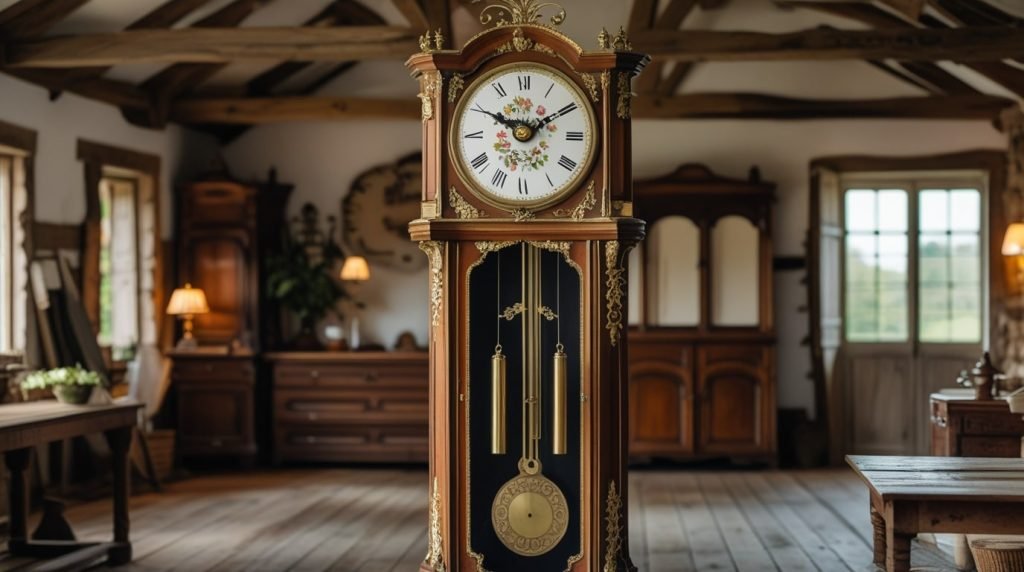
1. The Classic French Comtoise Grandfather Clock
The French Comtoise, also known as the Morbier clock, originated in the Franche-Comté region of France during the 17th century. Known for its tall, curved cases and ornate metal pendulums, this clock is a masterpiece of rural French artistry. The Comtoise often features hand-painted enamel dials, floral decorations, and a signature brass crown or “sunburst” motif at the top.
These clocks were often found in farmhouses and noble homes alike, symbolizing both practicality and prestige. Even today, antique collectors prize them for their rhythmic chimes and detailed craftsmanship that celebrate France’s historical passion for mechanical art.
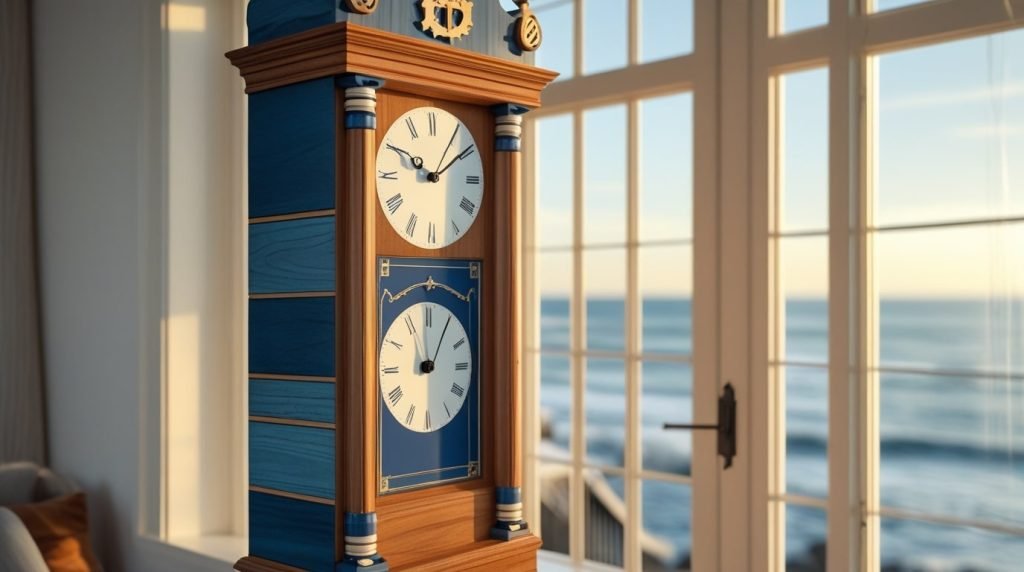
2. Bornholm Island Longcase Clock Denmark’s Maritime Masterpiece
From the Danish island of Bornholm came one of Scandinavia’s most elegant clock styles. The Bornholm longcase clock gained popularity in the late 18th century, inspired by English longcase models but distinguished by local craftsmanship. Its tall, narrow frame and clean, maritime-inspired design reflect Denmark’s coastal culture.
Bornholm clocks were crafted by skilled ship carpenters who adapted their wood-working expertise to timepieces. This gives each clock a sturdy yet refined look. Today, they are admired not just for their accuracy but for their connection to the Danish seafaring tradition and coastal aesthetics.
3. The Elegant Empire Grandfather Clock of the 19th Century
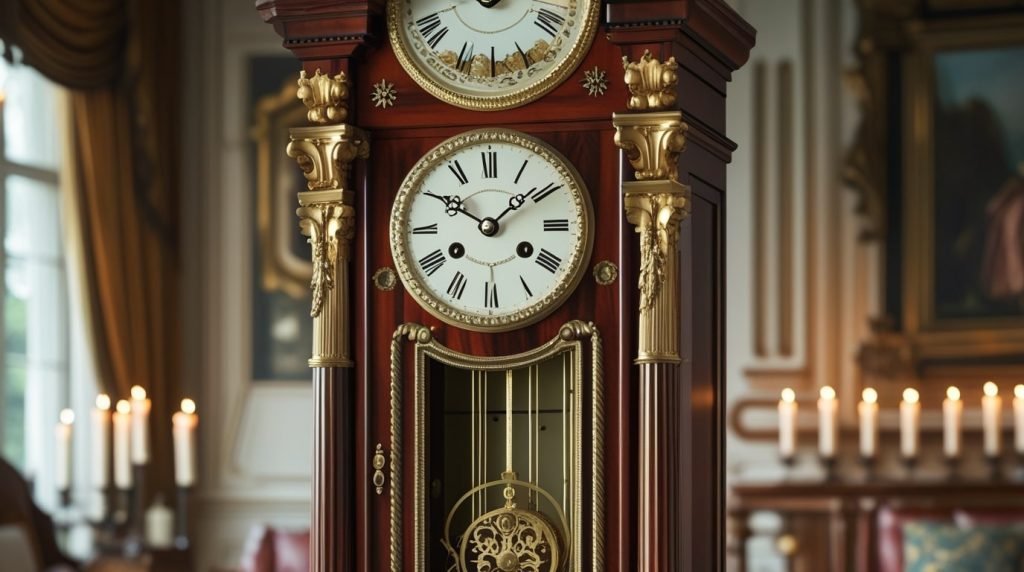
The Empire Grandfather Clock emerged during the early 19th century, reflecting the grandeur of the Napoleonic era. These clocks feature neoclassical symmetry, with fine mahogany or walnut cases and gilded bronze embellishments. Their straight lines, tall columns, and Roman numerals express confidence and order.
Often found in aristocratic homes, the Empire clock symbolized taste and cultural sophistication. The craftsmanship focused on precision movements and artistic balance, making it a true centerpiece in elegant drawing rooms. Collectors still value these clocks for their rich materials and timeless neoclassical charm.
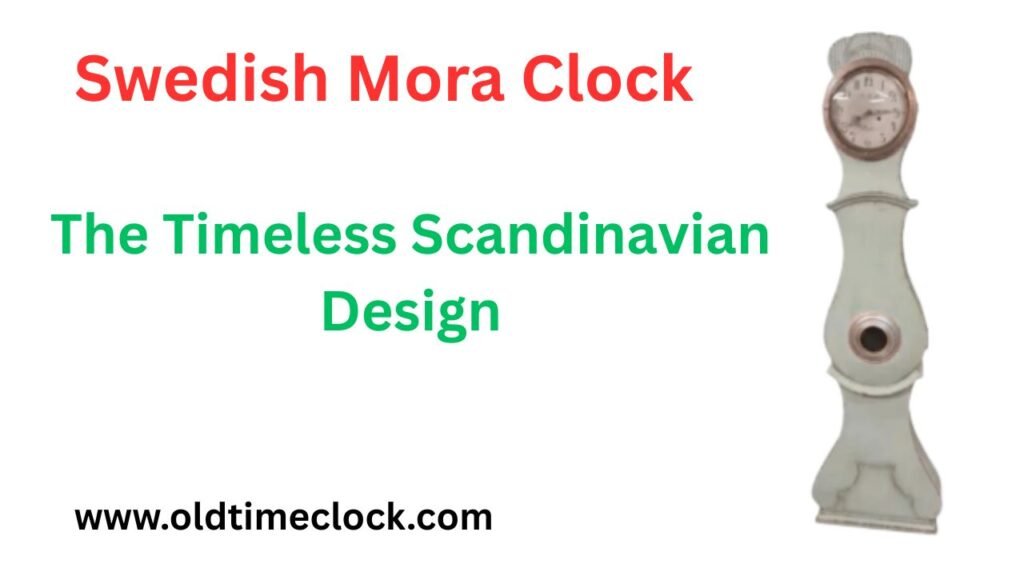
4. Swedish Mora Clock The Timeless Scandinavian Design
The Swedish Mora Clock is perhaps the most iconic Scandinavian timepiece. Originating in the village of Mora in Dalarna, Sweden, during the late 18th century, these clocks were made by local families as a cottage industry. Each clock reflected the artisan’s personal touch from pastel-painted cases to delicate curves and folk motifs.
The Mora clock’s signature shape includes a rounded belly and tall, slim neck, giving it a soft, graceful appearance. Loved for its calming presence, it complements both traditional and minimalist interiors. The Mora clock represents simplicity, balance, and timeless Swedish design.
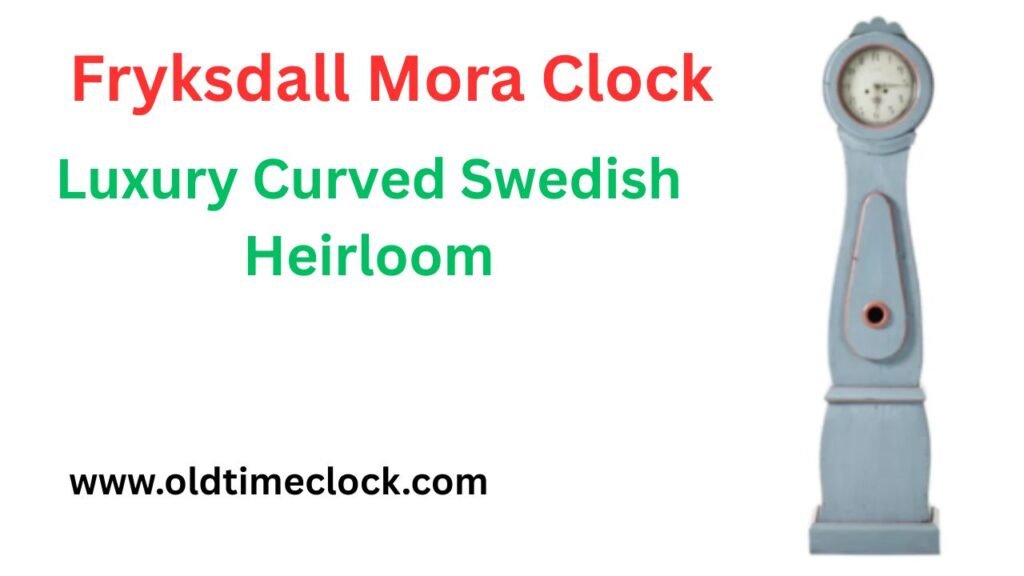
5. Fryksdall Mora Clock The Luxury Carved Swedish Heirloom
The Fryksdall Mora Clock is a more ornate version of the classic Mora design. Originating from the Fryksdall region, these clocks were made for wealthy Swedish families who desired intricate artistry. Their cases feature carved floral details, gilded trims, and rich paintwork, making them stand out as decorative heirlooms.
Beyond their beauty, Fryksdall clocks were engineered for accuracy, using fine weights and pendulums. They capture the spirit of Swedish craftsmanship, a perfect union of functionality and decorative art. Today, these rare clocks remain prized collectibles in Scandinavian antique markets.
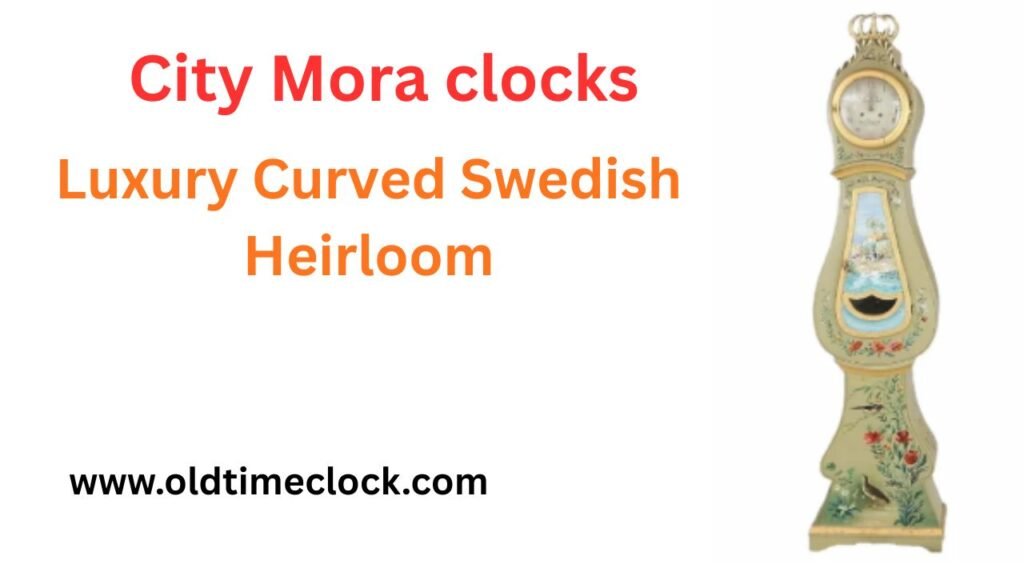
6. City Mora Clock Urban Sophistication in Classic Form
As Swedish towns modernized in the 19th century, a new version of the Mora clock appeared in the City of Mora. Unlike the rural styles, these clocks had smoother finishes, bolder paint tones, and fewer folk carvings. Their design catered to an urban audience who valued refinement and simplicity.
City Mora clocks are often finished in elegant whites, blacks, or muted blues, aligning with urban interior trends. Their minimal curves and precise construction make them ideal for city apartments or modern homes that still appreciate classic design heritage.
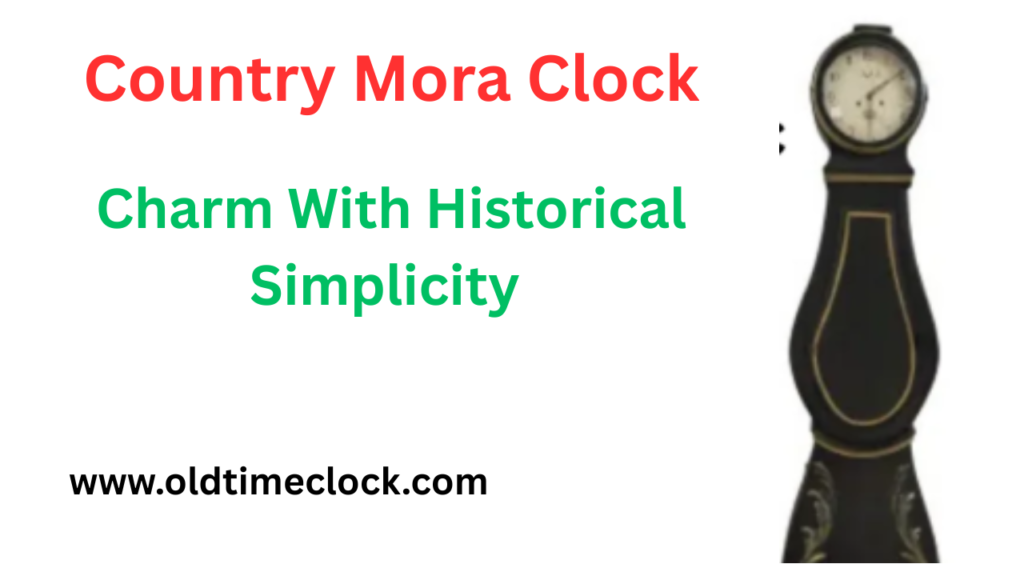
7. Country Mora Clock Rustic Charm with Historical Simplicity
The Country Mora Clock embodies Sweden’s pastoral charm. Simpler in shape and finish than its urban cousins, this clock often features natural wood tones, soft pastel paints, and hand-painted floral accents. It was a staple of rural Swedish homes, often passed down for generations.
What makes the Country Mora special is its authentic, handmade quality. Each clock has slight imperfections that tell a story of local craftsmanship and family heritage. For today’s homeowners, it offers a cozy, rustic focal point that blends beautifully with cottage or farmhouse interiors.
8. Howard Miller Grandfather Clock The Modern American Legacy
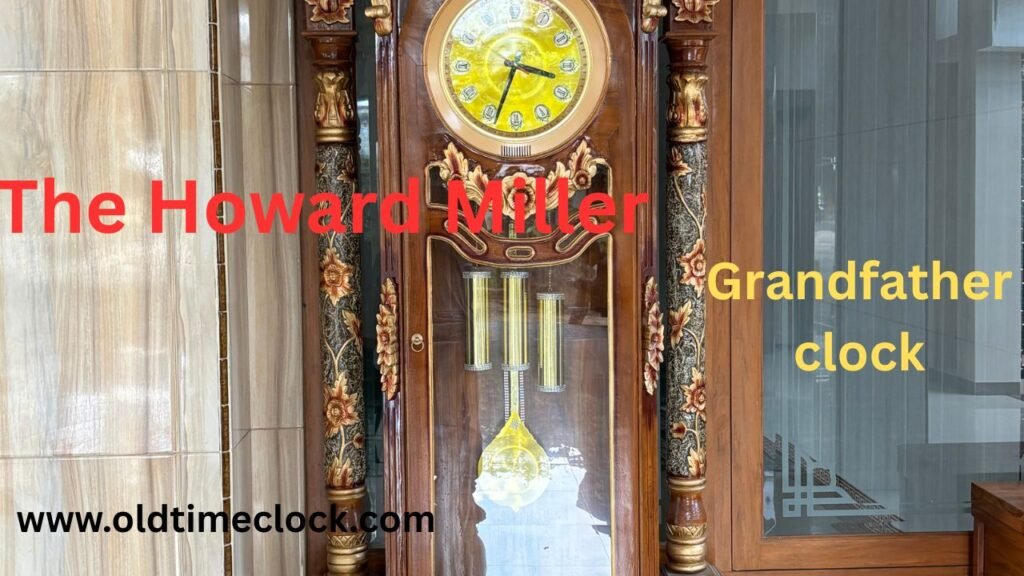
In the 20th century, the American brand Howard Miller redefined the grandfather clock for a new generation. Founded in 1926, Howard Miller combined traditional woodworking with modern precision. Their clocks are known for solid construction, refined detailing, and dependable movement systems.
Howard Miller clocks come in a variety of styles, from classic walnut finishes to sleek, contemporary versions with glass panels and LED lighting. They’ve become a hallmark of American homes, representing both innovation and tradition, a legacy of quality that continues to this day.
9. Grandfather Cuckoo Clock A Fusion of Art and Sound
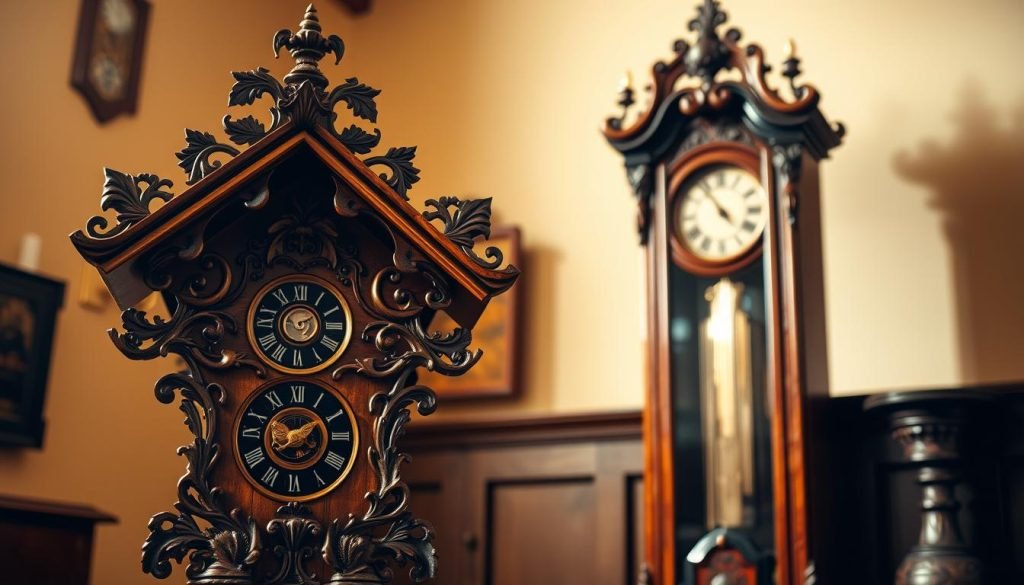
Combining two beloved horological traditions, the Grandfather Cuckoo Clock merges the tall, stately form of a floor clock with the whimsical charm of a cuckoo mechanism. Originating in Germany’s Black Forest, these clocks feature detailed carvings of leaves, birds, or village scenes, often paired with melodic cuckoo calls on the hour.
This type of clock delights both the eyes and the ears. It serves not only as a precise timekeeper but also as a piece of living art that brings personality and joy to any room. Collectors admire these clocks for their craftsmanship and storytelling quality.
10. Contemporary Floor Clock The Modern Evolution of a Classic
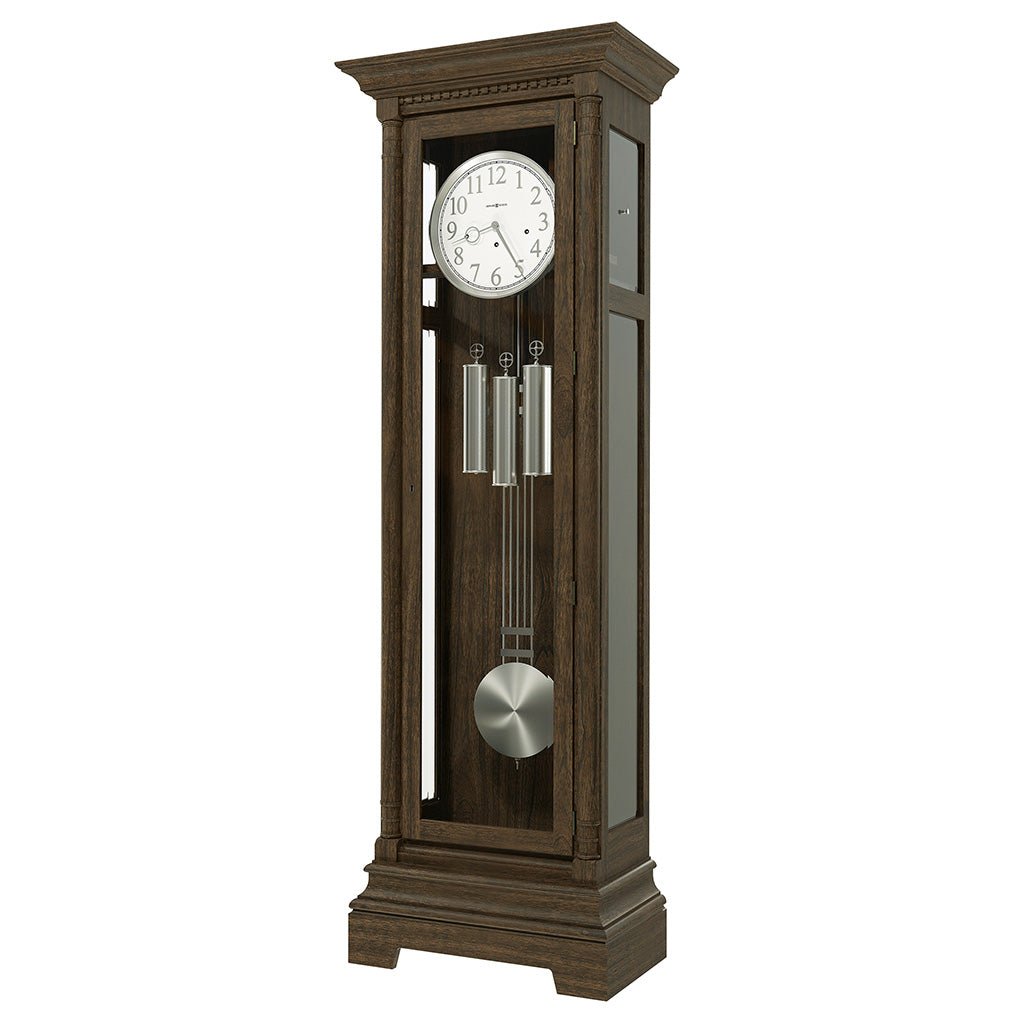
The Contemporary Floor Clock represents how timekeeping has evolved with modern design. While it retains the tall, commanding presence of a traditional grandfather clock, it embraces clean lines, minimalism, and new materials like glass, steel, and matte finishes.
Many contemporary clocks include digital time displays, LED lighting, and silent movements blending tradition with innovation. They suit modern interiors perfectly, offering a nod to history while fitting seamlessly into 21st-century homes. These clocks remind us that even as technology changes, the art of fine timekeeping endures.
Final Thoughts
Each type of grandfather clock tells a different story, from the hand-carved elegance of the Fryksdall Mora to the sleek innovation of the Contemporary Floor Clock. Whether you admire the artistry of the past or prefer modern simplicity, there’s a style for every taste. A grandfather clock isn’t just an instrument of time; it’s a lasting symbol of heritage, design, and human craftsmanship.
FAQs About Grandfather Clock Types
What makes a grandfather clock different from other clocks?
A grandfather clock, also called a longcase clock, is known for its tall, freestanding design that houses a swinging pendulum. Unlike wall or mantel clocks, it combines art, craftsmanship, and precision engineering in one decorative piece that often lasts for generations.
Which type of grandfather clock is best for modern homes?
For modern interiors, the Contemporary Floor Clock or Howard Miller Grandfather Clock works best. Both feature sleek designs, glass panels, and quiet movements that blend seamlessly with minimalist or urban décor styles.
Are Swedish Mora clocks still made today?
Yes, Mora-style clocks are still produced by select Scandinavian craftsmen and boutique makers. While antique versions are highly collectible, many modern reproductions maintain the same traditional curves and painted finishes that made the original designs timeless.
How can I identify an antique grandfather clock?
Authentic antique clocks often have hand-painted dials, wooden gears, or maker’s marks inside the case. The craftsmanship, pendulum style, and aging of the wood are key indicators. It’s always wise to consult a clock expert or appraiser for verification.
How do I maintain a grandfather clock?
To keep a grandfather clock in good condition, it should be dusted regularly and kept in a stable environment away from moisture and direct sunlight. Mechanical clocks need oiling and servicing by a professional every few years to ensure smooth and accurate movement.




Post Comment