This One Mistake Can Destroy a Grandfather Clock – Watch Out
A grandfather clock is more than just a time-telling device; it’s a piece of art and a family heirloom that has been passed down through generations, showcasing meticulous craftsmanship in its polished wooden frame.
These clocks are not only functional but also protect a piece of family history. With a typical grandfather clock weighing between 50 and 150 pounds, it’s no surprise that about 1 in 5 grandfather clocks gets damaged during a move.
The intricate mechanical systems of these clocks, including the pendulum and weights, make them prone to damage if not handled properly. A small error can have devastating consequences, potentially rendering the clock irreparable.
With some grandfather clocks dating back centuries and potentially worth thousands of dollars, it’s crucial to handle them with care. In this article, we’ll provide expert advice on how to avoid the most common and destructive mistakes made with grandfather clocks.
Key Takeaways
- Grandfather clocks are valuable family heirlooms that require careful handling.
- Approximately 1 in 5 grandfather clocks suffer damage during relocation.
- The mechanical complexity of grandfather clocks makes them prone to damage.
- Proper handling techniques are crucial to preserving the clock’s functionality.
- Expert advice is available to help you avoid common mistakes when handling grandfather clocks.
The Fatal Mistake That Ruins Grandfather Clocks
The process of moving a grandfather clock involves more than just physical strength; it requires a deep understanding of its delicate components. Even the glass panels often have their own antique value and are virtually irreplaceable. Moving a grandfather clock goes beyond mere muscle and bubble wrap; it’s an intricate task requiring surgical precision and a nuanced understanding of its unique elements.
Identifying the Critical Error
One of the most significant mistakes people make when moving a grandfather clock is failing to properly secure its internal mechanisms. The pendulum and weights are particularly sensitive to movement and can be easily damaged if not handled correctly. The pendulum’s precise calibration is crucial for the clock’s accuracy, and any damage to its suspension spring can render the clock inaccurate or non-functional.
Furthermore, the weight-driven system relies on perfectly aligned pulleys and chains. During a move, these can be easily damaged if not properly secured, leading to costly repairs. The escapement mechanism, which is the heart of the clock’s timekeeping, contains tiny, precisely engineered parts that can be bent or broken when subjected to improper handling.
Why This Mistake Is So Destructive
The physics behind why improper moving is so destructive lies in the delicate balance of a grandfather clock’s mechanism. When a clock is moved improperly, the forces exerted on its internal components can permanently disrupt this balance. For instance, the gears within the clock’s mechanism are designed to work in harmony, and any misalignment can cause the clock to malfunction.
The chime function, which is a characteristic feature of many grandfather clocks, also requires precise calibration. Damage to the chime mechanism can result in the clock being unable to chime correctly, diminishing its aesthetic and functional value. Repairing such damage often requires professional intervention, which can be costly and may not fully restore the clock to its original condition.
In conclusion, the mistake of improperly moving a grandfather clock is not just a simple error; it can lead to significant and lasting damage to the clock’s intricate mechanisms. Understanding the potential pitfalls and taking the necessary precautions is crucial to preserving the functionality and value of these timepieces.
Understanding the Value and Vulnerability of Grandfather Clocks
A grandfather clock is not just a clock; it’s a keeper of family traditions and memories. It stands tall in the home, not just as a timekeeping device, but as a symbol of heritage and history. The process of moving such a significant piece requires careful consideration of its value, both monetary and sentimental, as well as its mechanical vulnerability.
Historical and Monetary Value
Grandfather clocks are often antique pieces that have been passed down through generations, accumulating historical significance and monetary value over time. The value of a grandfather clock can be substantial, depending on its age, craftsmanship, and the materials used in its construction. For instance, clocks made by renowned clockmakers or those featuring intricate carvings and rare woods can command high prices at auction.
The monetary value is not just a reflection of the clock’s age but also its condition and rarity. Clocks that are well-preserved and still functional are highly prized by collectors. The historical significance of these clocks also adds to their value, as they provide a tangible link to the past.
Mechanical Sensitivity
Despite their sturdy appearance, grandfather clocks are mechanically sensitive instruments. The intricate mechanisms that allow them to keep precise time and chime melodically are delicate and can be easily damaged if not handled with care. The pendulum, weights, and spring mechanisms are all susceptible to disruption or damage during a move, which can result in the clock stopping or chiming incorrectly.
To maintain the clock’s functionality, it’s crucial to understand its mechanical components and handle them with the care they require. This includes securing the pendulum and weights properly during the move to prevent damage to the clock’s internal mechanisms.
Sentimental Worth
Beyond their historical and monetary value, grandfather clocks hold significant sentimental worth for many families. They are often present at important family events and milestones, such as weddings, births, and anniversaries. The rhythmic ticking and chiming of the clock become woven into the fabric of family life, creating a sense of continuity and stability.
The emotional attachment to a grandfather clock can be profound, making the task of moving it particularly challenging. It’s not just a matter of relocating a piece of furniture; it’s about preserving a family heirloom that connects current generations to their ancestors. The sentimental value of these clocks often far exceeds their monetary worth, underscoring the importance of handling them with care and respect.
How Grandfather Clocks Work: A Mechanical Overview
Understanding the mechanical overview of grandfather clocks is crucial for their proper handling and maintenance. Grandfather clocks, also known as longcase clocks, are intricate mechanical devices that have been a hallmark of precision and craftsmanship for centuries. Their complex mechanisms require a deep understanding to ensure they continue to function accurately.
The mechanical movement of a grandfather clock is powered by weights, which are typically made of brass or cast iron. These weights are crucial for the clock’s operation, as they provide the necessary energy for the clock’s hands to move and for the chime and strike functions to operate.
The Pendulum System
The pendulum system is a critical component of a grandfather clock’s mechanism. It regulates the clock’s timekeeping by oscillating at a precise frequency, dividing time into equal parts. The length of the pendulum can be adjusted to fine-tune the clock’s accuracy.
Weight and Chain Mechanisms
The weight and chain mechanisms are fundamental to the operation of a grandfather clock. The weights are suspended by chains or cables, which wrap around a series of gears. As the weights descend, they turn the gears, which in turn rotate the clock’s hands. The weight-driven movement is a hallmark of mechanical grandfather clocks.
| Component | Function |
|---|---|
| Weights | Provide power for the clock’s movement |
| Chains/Cables | Suspend weights and transmit power |
| Gears | Transmit power to the clock’s hands |
Chime and Strike Functions
Many grandfather clocks feature chime and strike functions, which add to their auditory appeal. The chime train plays melodies on the quarter hours using a series of tuned rods or tubes. The strike train, on the other hand, counts the hours and activates a hammer to strike the hour bell or gong.
“The chimes, each tuned to a specific note, can easily get knocked out of alignment, transforming your elegant timekeeper into a cacophonous jumble.”
The coordination of these functions with the timekeeping is achieved through a series of specialized gears, cams, and levers. The precision required for proper chiming and striking is high, and these delicate mechanisms can be easily disrupted during an improper move.
This One Mistake Can Destroy a Grandfather Clock – Watch Out
The process of moving a grandfather clock is fraught with risks, and improper handling can have disastrous consequences. About 1 in 5 grandfather clocks get damaged during a move, which can lead to more than just financial loss; it can also result in the loss of a family heirloom that holds sentimental value and historical significance.
The Dangers of Improper Moving
Improper moving techniques can cause significant damage to a grandfather clock. The pendulum, a critical component, is particularly susceptible to damage during transit. If not properly secured, the pendulum can swing uncontrollably, causing internal problems that may require costly repair. Moreover, the clock’s mechanism is intricate and can be easily disrupted by rough handling, leading to issues that may not be immediately apparent.
Furthermore, the tall structure of a grandfather clock makes it prone to tipping or falling if not properly supported during the move. This can result in cracks, breaks, or even complete destruction of the clock’s face, hands, or internal mechanism. Ensuring that the clock is correctly disassembled and packed is crucial to preventing such damage.
Real-Life Horror Stories
There are numerous accounts of grandfather clocks being damaged during moves, often with devastating consequences. For instance, an antique grandfather clock was moved without proper care, resulting in significant damage to its mechanism. The clock lost substantial monetary value due to the improper handling, turning a potentially valuable antique into a mere decorative piece.
Another story involves a family heirloom clock that stopped working entirely after a move. The family had to invest in extensive professional repair to restore the clock to its original working condition. This not only incurred significant costs but also caused emotional distress, as the clock held great sentimental value to the family.
A DIY move gone wrong resulted in a broken pendulum and damaged movement that proved to be irreparable. The owners were left with a non-functional clock that had been a centerpiece of their home for generations. These stories underscore the importance of taking the right precautions when moving a grandfather clock, ensuring that it continues to keep accurate time and remains a cherished family possession for years to come.
These real-life examples highlight the potential risks associated with moving a grandfather clock. By understanding the dangers and taking appropriate measures, individuals can prevent such problems and ensure their clock continues to function properly over time.
Essential Tools and Materials for Safe Clock Handling
Grandfather clocks, with their intricate mechanisms, demand specialized tools and materials for safe handling. The process of moving such a valuable and delicate item requires careful planning and the right equipment to prevent damage.
Specialized Tools You’ll Need
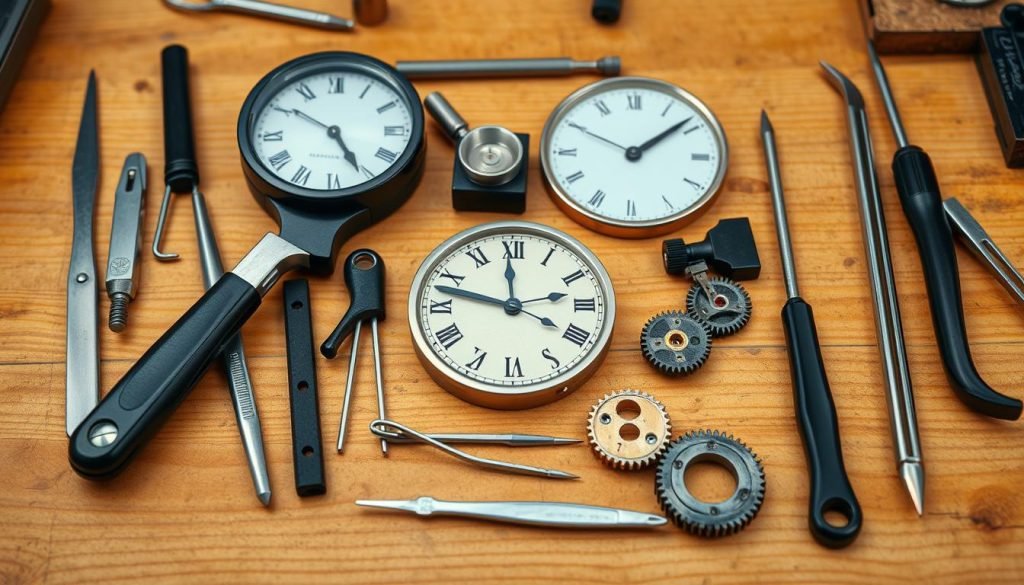
When it comes to handling grandfather clocks, having the right tools is crucial. This includes clock repair tools such as pendulum removers, weight handlers, and movement holders. These tools are designed to handle the delicate parts of the clock without causing damage.
The pendulum, for instance, is a critical component that requires careful handling. A pendulum remover is a specialized tool that allows you to safely detach and reattach the pendulum, preventing any potential harm to the clock’s mechanism.
Protective Materials for Packing
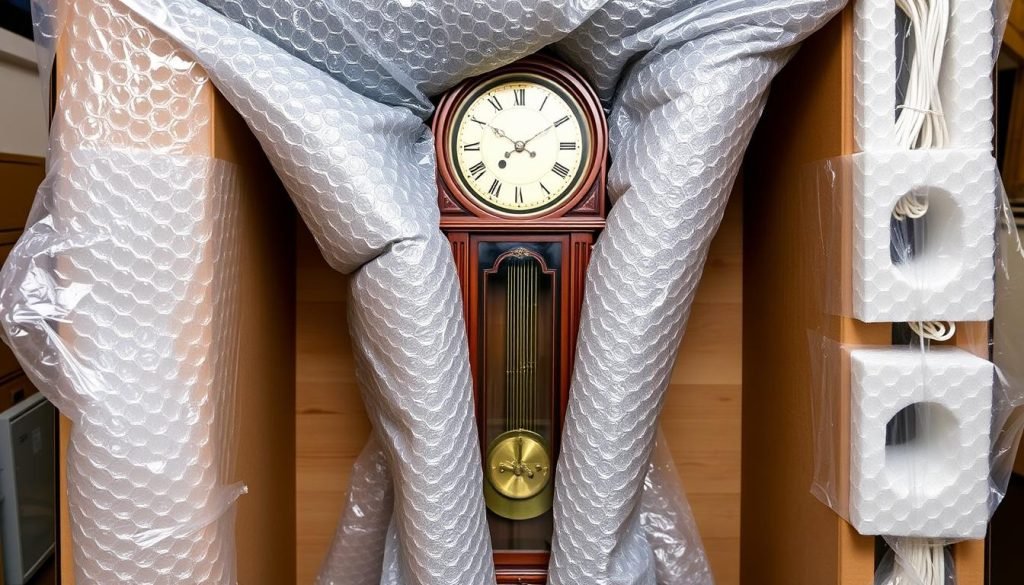
Protective materials are just as important as the right tools when it comes to safely moving a grandfather clock. Anti-static bubble wrap is highly recommended to protect the clock’s delicate mechanisms from static electricity. Combining this with foam inserts provides added cushioning and security.
For packing, you’ll need materials that can protect each component of the grandfather clock. This includes:
- Anti-static bubble wrap for wrapping around the clock’s body and delicate parts.
- Foam inserts to cushion the clock’s components, such as the pendulum and weights.
- Specialized clock-moving supplies like pendulum boxes and weight containers.
Using the right protective materials ensures that the clock’s components are safeguarded against shocks and static electricity during the move.
Pre-Move Assessment: What to Check Before Touching Your Clock
A thorough pre-move assessment is essential for safely relocating a grandfather clock. This process involves evaluating the clock’s current condition, documenting its components, and creating a safe workspace for disassembly.
Evaluating Your Clock’s Current Condition
Before you start the moving process, it’s vital to assess the grandfather clock’s current state. Check for any visible signs of damage or wear, such as scratches on the clock face or chipped wooden components. Inspect the mechanical parts, including the pendulum and weights, to ensure they are functioning correctly. Make a note of any issues you’ve identified to address them during the move.
It’s also important to check the clock’s stability. Ensure it is level and firmly positioned on the floor. If the clock is not stable, it may be more susceptible to damage during the move. Take this opportunity to wind the clock and check if it is keeping accurate time. Any irregularities in the clock’s operation should be documented.
| Component | Condition | Notes |
|---|---|---|
| Clock Face | Scratches | Needs careful handling |
| Pendulum | Functional | Should be secured during move |
| Weights | Minor rust | Clean before reassembly |
Documenting Clock Components
Documenting the various components of your grandfather clock is a critical step in the pre-move assessment. Take clear, well-lit photographs of each part, including the clock face, pendulum, weights, and any other removable components. Make a detailed list of these parts and their corresponding conditions. This documentation will be invaluable during reassembly, ensuring that all components are correctly reinstalled.
Labeling and inventorying the components as you disassemble them will further simplify the reassembly process. Use labels or tags to identify each part, and maintain a corresponding inventory list. This meticulous approach will save time and reduce the risk of losing or misplacing critical components.
Creating a Safe Workspace
Designating a clear, focused workspace around the clock is crucial for a safe and efficient disassembly process. Begin by clearing the area of any distractions or potential hazards. Place a layer of bubble wrap or cardboard under the clock’s base to protect both the floor and the clock from damage.
Ensure the workspace is well-lit and has sufficient space to handle and temporarily store clock components. Organize your tools and packing materials within easy reach to minimize unnecessary movement. A properly prepared workspace not only reduces the risk of accidents but also makes the entire process more efficient.
Step-by-Step Guide to Proper Disassembly
To ensure the safe transportation and reassembly of a grandfather clock, a meticulous disassembly process is essential. This step is crucial in preventing damage to the clock’s delicate components.
Removing the Pendulum Safely
The pendulum is a critical component of the grandfather clock’s mechanism. To remove it safely, start by gently grasping the pendulum bob and lifting it off its hook or rod. Wrap the pendulum in acid-free paper or a soft cloth to protect it from scratches or damage. “Handling the pendulum with care is vital, as it is a sensitive part of the clock’s timekeeping mechanism,” says a renowned horologist.
Handling the Weights Correctly
The weights are another crucial element that requires careful handling. To remove the weights, slowly lower them to the floor or a stable surface, ensuring they do not swing or collide with other objects. Use a soft cloth to handle the weights to prevent fingerprints or scratches. It’s essential to note the position of each weight for reassembly.
Securing Chains and Cables
Chains and cables are vital for the clock’s operation. To secure them, wrap the chains or cables in acid-free paper or soft cloth, ensuring they are not tangled or twisted. Use tape or a cable tie to keep them in place, but avoid applying too much pressure that could damage the components.
Protecting the Clock Face and Hands

Protecting the clock face and hands is critical, as damage to these visible components significantly impacts the clock’s appearance and value. Use acid-free paper to wrap the clock’s face to prevent tarnishing. Handle the clock hands with a soft cloth to avoid fingerprints or scratches. If necessary, remove the hands, taking note of their correct positioning for reassembly. Secure the glass door or panel that protects the face to prevent breakage.
As John Smith, a clockmaker, emphasizes, “The clock face and hands are not only functional but also contribute significantly to the clock’s aesthetic appeal. Therefore, their protection during disassembly is paramount.”
Packing Techniques for Delicate Clock Components
To ensure the safe transportation of a grandfather clock, one must master the techniques of packing its intricate components. The process involves more than just wrapping the parts; it requires a comprehensive approach to protect the clock’s delicate mechanisms.
Specialized Wrapping Methods
Wrapping the clock components is an art that demands attention to detail. For the pendulum and weights, use soft, non-abrasive materials like felt or velvet to prevent scratching. Each component should be wrapped individually, ensuring that they do not come into contact with each other.
For the clock face and hands, a more delicate approach is necessary. Use acid-free tissue paper to wrap these components, ensuring that the paper does not leave any residue. The wrapping material should be gentle on the finishes yet provide adequate protection.
Cushioning Strategies for Maximum Protection
Cushioning is critical to absorbing shocks during transportation. For the clock’s main body and larger components, use foam inserts or custom-cut foam to fit snugly around the parts. This prevents movement and reduces the risk of damage.
For smaller components like the clock’s mechanical parts, consider using bubble wrap or packing peanuts in sealed bags to prevent them from shifting during transit.
Labeling System for Reassembly
A systematic labeling system is crucial for the successful reassembly of the clock. Label each bag or container meticulously, ensuring that the contents are clearly identified. For instance, the left and right weights should be labeled distinctly to avoid confusion during reassembly.
| Component | Labeling Instruction | Additional Notes |
|---|---|---|
| Pendulum | Label as “Pendulum” | Handle with care, wrapped in felt |
| Weights | Label as “Left Weight” and “Right Weight” | Ensure correct orientation |
| Clock Face and Hands | Label as “Clock Face and Hands” | Wrapped in acid-free tissue paper |
Creating a master inventory list that corresponds to the labeling system is also advisable. This list should include notes about the specific orientation or positioning of each component, facilitating a smoother reassembly process.
By implementing these packing techniques, you can ensure that your grandfather clock is well-protected during transit, safeguarding its intricate mechanisms and preserving its functionality.
Transporting Your Grandfather Clock Safely
To keep your grandfather clock in pristine condition, it’s crucial to understand the nuances of transporting it. The process involves more than just moving a large object; it requires careful handling to preserve the intricate mechanisms and the wooden case.
Vehicle Requirements and Preparation
Before transporting your grandfather clock, it’s essential to prepare the vehicle. The vehicle should be clean, dry, and free from any debris that could potentially damage the clock during transit. Ensure that the vehicle’s temperature is stable and, if possible, climate-controlled to minimize the risk of damage from extreme temperatures.
When loading the clock into the vehicle, use a sturdy dolly or a similar device to minimize manual handling and reduce the risk of accidents. Make sure the clock is secured in an upright position to prevent any undue stress on its mechanism.
Proper Positioning During Transport
Positioning the grandfather clock correctly during transport is vital. The clock should be placed away from direct sunlight and any heat sources within the vehicle. If possible, wrap the clock in a breathable material to protect it from dust and minor impacts.
It’s also crucial to avoid stacking other items on top of the clock, as this could cause damage to the clock’s face or its mechanical components. If the clock is being transported in a van or a large SUV, ensure that it is tied down securely to prevent it from shifting during transit.
Handling Temperature and Humidity Changes
Grandfather clocks are sensitive to both temperature and humidity changes. You might be aware that grandfather clocks are sensitive to temperature changes, but did you know that even a slight variation in humidity can affect the wood casing? Consider using silica gel packs or a portable dehumidifier during the move to maintain a stable environment.
When transporting the clock over long distances, it’s essential to monitor the environmental conditions and make adjustments as necessary. Upon arrival, allow the clock to gradually acclimate to the new environment before unpacking it completely. This gradual acclimation is particularly important for antique clocks with original finishes and components.

By understanding the importance of maintaining stable environmental conditions and taking steps to minimize exposure to extreme temperatures and humidity fluctuations, you can significantly reduce the risk of damage to your grandfather clock during transport.
Professional vs. DIY Moving: Making the Right Choice
Grandfather clocks, with their intricate mechanisms and historical significance, pose a unique challenge when it comes to relocation. The decision to move such a valuable and sensitive item either by oneself or through professional services is not trivial.
When to Hire Professionals
Hiring professionals for moving a grandfather clock is often the safest choice, especially for clocks that are particularly valuable, antique, or complex. Professional movers have the specialized knowledge and equipment necessary to handle such delicate items. They understand the intricacies of grandfather clocks and can navigate the challenges of disassembly, packing, and reassembly with ease.
For instance, a professional grandfather clock moving service will have the right tools to secure the clock’s mechanisms, protect its face, and ensure that all components are safely transported. This expertise minimizes the risk of damage and ensures that the clock continues to function properly after the move.
DIY Moving: Risks and Rewards
Opting for a DIY move can be a cost-effective approach, giving you full control over the process. However, it’s crucial to weigh this against the potential risks. Moving a grandfather clock yourself requires a thorough understanding of its mechanics, appropriate tools, and careful planning.
The DIY route can be rewarding if done correctly, but one wrong move can lead to significant damage or depreciation of the clock’s value. Common mistakes include improper handling of the pendulum, weights, and chains, as well as inadequate packing and protection during transport.
Before deciding to move your grandfather clock yourself, honestly assess your capabilities and the complexity of your specific clock. Consider the value of your time and potential repair costs if something goes awry. While DIY moving can save money upfront, the long-term risks may outweigh these initial savings.
Reassembly Process: Bringing Your Clock Back to Life
The reassembly of a grandfather clock is a delicate process that, when done correctly, brings the timepiece back to its former glory. This stage is crucial after the clock has been carefully disassembled and transported to its new location.
Setting Up in the New Location
Before starting the reassembly, ensure the new location is suitable for the grandfather clock. The floor should be level, and the area should be away from direct sunlight and drafts. Carefully unpack the clock components, checking for any damage during transport.
The clock’s position in the room can affect its accuracy. Ideally, it should be placed in a stable environment with minimal temperature fluctuations. Ensure there’s enough space around the clock for the pendulum to swing freely.
Reinstalling Components in the Correct Order
Reinstalling the components requires attention to detail. Start by reattaching the clock’s weights and pendulum. The pendulum should be handled carefully to avoid damaging the delicate mechanism that regulates the clock’s timekeeping.
Next, reattach any chime rods or other components that were removed during disassembly. Ensure all parts are securely fastened but avoid overtightening, which could damage the clock’s mechanism.
Initial Testing and Adjustments
Once reassembled, start the pendulum swinging with a gentle push. Listen to the ticking of the grandfather clock to ensure it’s “in beat” with an even “tick-tock.” If the ticking is uneven, adjustments may be necessary to correct the beat.
To adjust the beat, you may need to tweak the pendulum leader or crutch. Make small adjustments and listen carefully to the clock’s ticking to achieve an even rhythm. Additionally, set the time and adjust the strike count if necessary. Testing the chime sequence is also crucial to ensure it’s working correctly.
It’s essential to make these initial adjustments before fully winding the clock to prevent damage to the movement. By doing so, you’ll ensure your grandfather clock is working accurately and efficiently, keeping precise time and maintaining its chime function.
Troubleshooting Common Post-Move Problems
Troubleshooting is a crucial step after moving a grandfather clock to ensure it continues to function properly. Despite careful handling and transportation, grandfather clocks can sometimes experience issues after being relocated.
Clock Won’t Start After Moving
If your grandfather clock won’t start after moving, there are several potential causes to investigate. First, check if the clock is properly wound. Sometimes, the winding mechanism can be affected during the move, or it might simply need a good wind to get it going again. Ensure that the pendulum is swinging correctly, as an improperly aligned pendulum can prevent the clock from starting.
Another common issue is the misalignment of the weights. If the weights are not hanging correctly or are touching the sides of the clock case, it can stop the clock’s movement. Gently adjust the weights to ensure they are properly aligned and not in contact with any other components.
Irregular Ticking or Chiming
Irregular ticking or chiming can be due to a variety of reasons. One common cause is the pendulum being out of sync or not swinging evenly. Check the pendulum’s alignment and adjust it if necessary. Another potential issue could be with the clock’s mechanical components. Dust or debris accumulated during the move might be causing friction, leading to irregular ticking or chiming.
To address this, inspect the clock’s mechanism for any signs of dust or dirt. Gently clean the area around the movement, taking care not to touch any of the delicate components. If the problem persists, it may be necessary to consult a professional for a more thorough inspection and repair.
Addressing Mechanical Issues
More complex problems can arise if the clock’s mechanical components are damaged during the move. Symptoms of mechanical issues can include unusual noises, the clock stopping after running briefly, or erratic timekeeping. To diagnose these issues, a closer inspection of the clock’s movement is required.
| Symptom | Possible Cause | Action |
|---|---|---|
| Unusual Noises | Dust or debris in the mechanism | Gently clean around the movement |
| Clock stops after running briefly | Misaligned or damaged weights | Adjust weights, check for damage |
| Erratic timekeeping | Pendulum misalignment or mechanical friction | Adjust pendulum, inspect for friction points |
If you’re not comfortable attempting these adjustments or if the problem persists, it’s advisable to seek the help of a professional clock technician. You can find a list of qualified technicians through professional horological societies or online directories.
By following these troubleshooting steps, you can identify and potentially resolve common issues with your grandfather clock after a move. If the problems are beyond your ability to fix, don’t hesitate to call in a professional to ensure your clock is properly repaired and continues to keep accurate time.
Maintenance Tips to Prevent Future Damage
Proper upkeep is essential to ensure your clock continues to tick accurately for years to come. Regular maintenance not only preserves the clock’s functionality but also its historical and monetary value.
Regular Cleaning Practices
Dust and dirt can accumulate on the clock’s surface and within its mechanisms, potentially causing damage over time. To clean your grandfather clock, use a soft, dry cloth to gently wipe down the clock face and hands. Avoid using chemical cleaners or abrasive materials that could scratch the surface.
For more intricate parts, such as the clock’s mechanism, it’s recommended to use a soft-bristled brush to remove dust and debris. This should be done carefully to avoid damaging any of the delicate components.
Proper Winding Techniques
Over-winding or under-winding your grandfather clock can lead to mechanical issues. It’s essential to wind your clock correctly to maintain its accuracy and prevent damage to the spring.
To wind your clock properly, turn the key gently but firmly until you feel resistance. Avoid forcing the key beyond this point, as this can cause the spring to break.
When to Seek Professional Servicing
While regular cleaning and proper winding techniques can help maintain your grandfather clock, there are times when professional servicing is necessary. It’s generally recommended to have your clock serviced every 3-5 years by a qualified horologist.
Signs that your clock may need professional attention include irregular ticking, chiming issues, or visible wear and tear on the mechanisms. A professional horologist can diagnose and address any problems, ensuring your clock continues to function accurately and efficiently.
When seeking a professional service provider, look for someone with experience in grandfather clock repair service. Ask about their qualifications, experience, and the services they offer to ensure you’re entrusting your clock to a capable technician.
Special Considerations for Antique Grandfather Clocks
The preservation of antique grandfather clocks is a delicate task that demands attention to detail and a deep understanding of their historical value. These clocks are not only timekeeping devices but also significant historical artifacts that require careful handling to maintain their integrity and functionality.
Age-Related Vulnerabilities
Antique grandfather clocks are susceptible to various age-related issues, including worn-out mechanical parts, weakened wood, and faded finishes. It’s essential to identify these vulnerabilities early to prevent further deterioration. Regular inspections can help in detecting signs of wear and tear, allowing for timely interventions.
For instance, the wooden components of an antique clock can become fragile over time, making them prone to cracking or breaking. Similarly, the mechanical parts can wear out, leading to inaccurate timekeeping or complete stoppage. Understanding these vulnerabilities is crucial for maintaining the clock’s original functionality.
Preserving Historical Integrity
Preserving the historical integrity of antique grandfather clocks is paramount. Any modifications, improper repairs, or replacement of original parts can significantly diminish the clock’s value and historical significance. It’s crucial to strike a balance between restoration and preservation, particularly for non-functioning antique clocks.
Documenting a clock’s provenance and history is also vital in maintaining its historical context and value. This involves keeping detailed records of the clock’s origin, previous restorations, and any other relevant historical information. Working with specialists who understand antique clock conservation principles is often necessary to preserve the clock’s original character.
Before any restoration or repair work begins, it’s advisable to get a formal appraisal to understand the clock’s value and significance. This appraisal will guide the decision-making process, ensuring that any interventions are appropriate and respectful of the clock’s historical integrity.
Insurance and Documentation for Valuable Clocks
Protecting your grandfather clock involves more than just physical handling; it also requires adequate insurance coverage. Valuable grandfather clocks are not only family heirlooms but also significant investments that require proper protection against damage, loss, or theft.
To ensure your clock is adequately insured, it’s essential to understand its value. This is where a professional appraisal comes into play.
Appraisal and Valuation
An appraisal is a detailed assessment of your grandfather clock’s value, taking into account its historical significance, condition, and market demand. A professional appraiser will examine the clock’s mechanical components, its craftsmanship, and any documentation or provenance that may impact its value.
For a grandfather clock appraisal, look for certified appraisers who specialize in horology or antique furniture. They will provide a comprehensive report that includes the clock’s description, its condition, and its estimated value.
Insurance Options for Antique Timepieces
Once you have an appraisal, you can explore insurance options tailored to your grandfather clock’s value. Standard homeowner’s insurance policies may not provide sufficient coverage for high-value or rare clocks.
Specialized insurance options include:
- Riders or endorsements that add coverage for specific valuable items to your existing homeowner’s policy.
- Floaters that provide coverage for items that are moved or transported.
- Specialized collectibles insurance that caters to rare and valuable items like antique grandfather clocks.
When selecting an insurance policy, consider coverage for damage during moves, restoration costs, and any appreciation in value over time. Some moving companies offer real-time GPS tracking for high-value items, adding an extra layer of security.
Proper insurance is essential for protecting your valuable clock, particularly when moving or transporting it. By understanding your clock’s value and securing the right insurance coverage, you can ensure its protection for generations to come.
Conclusion
The journey of moving a grandfather clock is not just about relocating a piece of furniture, but about preserving a timekeeping legacy. As we’ve explored the intricacies of these clocks, it becomes evident that their value extends far beyond their functional purpose. They are historical artifacts, mechanical marvels, and often, family heirlooms passed down through generations.
Throughout this article, we’ve highlighted the critical steps involved in safely relocating a grandfather clock. From the initial assessment and disassembly to packing, transporting, and reassembling, each stage requires meticulous attention to detail. The pendulum and weights are particularly sensitive components that demand careful handling to prevent damage.
One of the most significant mistakes individuals make when moving a grandfather clock is underestimating the complexity of the task. It’s not merely a matter of lifting and carrying; it involves understanding the clock’s mechanical intricacies and taking precise steps to protect its delicate components. By following the guidelines outlined in this article, you can ensure that your grandfather clock continues to keep accurate time and remains a cherished family possession.
The clock itself is a testament to craftsmanship and history, with its intricate mechanisms and ornate designs. Preserving such a piece requires not just care but also a deep appreciation for its historical and monetary value. By investing time and effort into its safe relocation, you’re not just protecting a family heirloom; you’re preserving a piece of history.
In conclusion, the task of moving a grandfather clock is a high-stakes mission that requires the finesse of a surgeon and the reverence of a historian. By applying the knowledge gained from this article, you’ll be able to navigate this complex process with confidence, ensuring that your grandfather clock continues to stand tall, keeping precise time for generations to come.
Ultimately, the care and attention you devote to moving your grandfather clock will pay dividends in preserving its functionality, beauty, and historical significance. It’s a task that demands patience, precision, and a deep respect for the craftsmanship that has gone into creating these magnificent clocks.












Post Comment