
The Hermle 1171-850 Grandfather Clock (94cm, 66): A Detailed Guide 2026
Your Question Deserves a Clear and Credible Explanation
When you asked:
“I recently obtained a Hermle Movement grandfather clock 1171-850 94cm, 66. What can you tell me about this particular grandfather clock (e.g., year it was built, quality, value, etc.)?”
We understood this was not just a basic product inquiry. It was a personal moment, one filled with curiosity, pride, and perhaps even nostalgia. You’ve connected yourself to a timepiece that represents more than just the hours it keeps. That’s why this response is not just a short comment—it’s a comprehensive guide written with care, emotion, and deep respect for your interest.

About Hermle: German Engineering at Its Finest
Founded in 1922, Hermle is one of the world’s most respected clockmakers. Based in Germany, the company built its reputation on precision, craftsmanship, and innovation in mechanical timekeeping. Hermle movements are widely used in luxury clocks around the world and are known for their longevity, reliability, and elegant design.
When you own a Hermle grandfather clock, you’re not just holding onto a piece of equipment; you’re preserving a legacy of time-honored engineering.
Understanding the Hermle 1171-850 Movement
Your clock contains the Hermle 1171-850 movement, one of the most trusted and revered in the industry. This is not a standard movement; it is a mechanical marvel designed to last generations when properly maintained.
Key Features of the 1171-850 Movement:
- Triple chime system: Westminster, Whittington, and St. Michael melodies
- 8-day cable-driven mechanism
- Beating at 66 beats per minute
- 94cm pendulum length, ideal for tall grandfather clocks
- Solid brass gears and premium components
- Automatic night shut-off and manual silence features (in most models)
This type of movement is often installed in high-end clocks and is built to provide both aesthetic beauty and mechanical precision.
When Was Your Clock Built?
Hermle introduced the 1171-850 movement in the late 1970s. If your clock contains this movement, it was likely manufactured between 1979 and the early 2000s, though the movement is still in production today.
To find the exact year your specific clock was made, look for the serial number stamped on the backplate of the movement. Often, the first two digits indicate the production year. For example, “96” would typically mean 1996.
If you’re uncertain, you’re welcome to send us a photo or the serial number—we’d be glad to help you identify the year more accurately.
Build Quality and Craftsmanship
Hermle clocks featuring the 1171-850 movement are known for their luxurious design and close attention to detail. These are not mass-produced, low-cost models. They are hand-assembled, finely tuned, and built with high-quality materials meant to stand the test of time.
You’ll usually find them housed in:
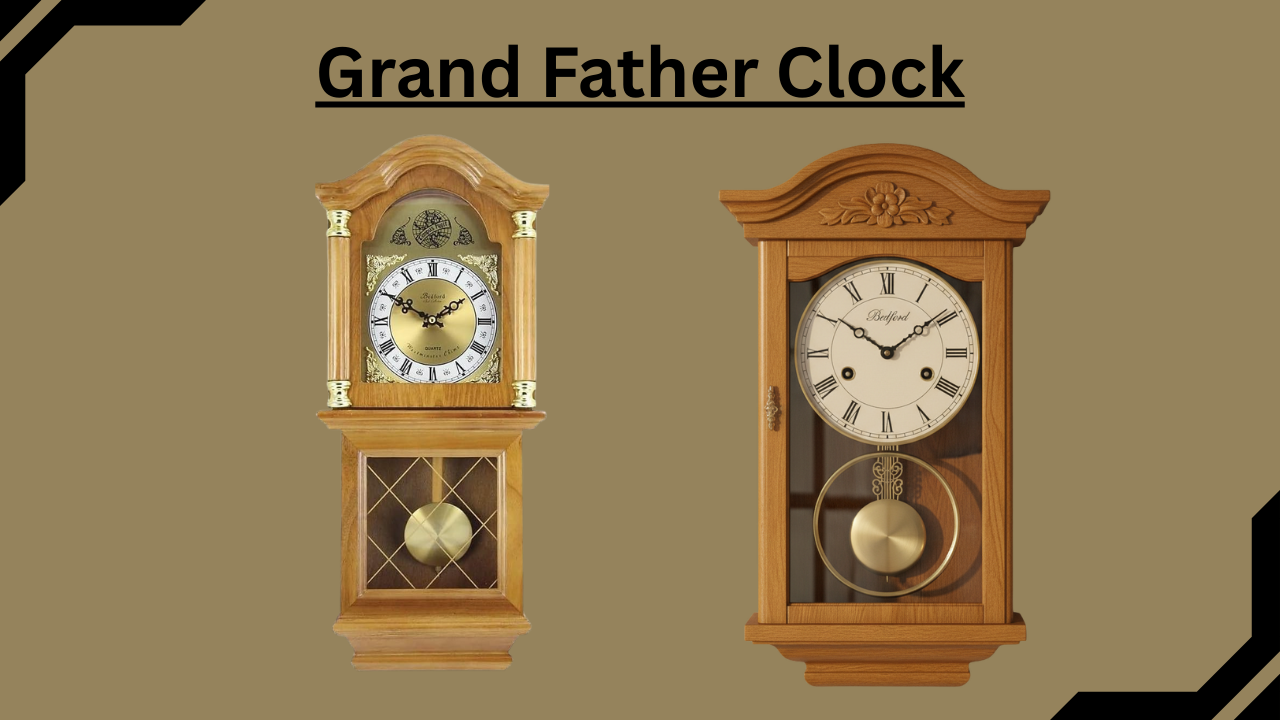
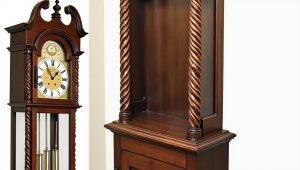
- Solid hardwood cases (oak, cherry, walnut, or mahogany)
- Brass or gold-finished pendulums and weights
- Beveled glass doors and intricate carvings
Even decades after purchase, these clocks maintain their value and remain visually impressive.
What Is Your Clock Worth?
The value of your Hermle 1171-850 grandfather clock depends on several factors, such as condition, age, case design, rarity, and location. Here’s a general idea:
Typical Value Ranges (USD):
- Used, good condition: $800 – $1,500
- Mint condition, detailed case: $2,000 – $3,500
- Rare case designs or professionally restored: Up to $5,000 or more
Keep in mind, the emotional and decorative value of a grandfather clock often surpasses its market price, especially if it becomes a family heirloom.
Maintenance and Longevity
Hermle clocks are designed for long-term use, but they do require periodic care. Here are some essential tips to ensure yours stays in perfect condition:
1. Winding and Operation:
- Wind the clock once a week on the same day.
- Always wind gently, and use the original crank or chain.
- Keep the pendulum aligned and gently restart it if it stops.
2. Placement:
- Avoid placing your clock in damp areas or direct sunlight.
- Keep it away from heaters and air conditioners to prevent wood warping.
3. Servicing:
- Have your clock professionally serviced every 5 to 10 years.
- Lubrication and inspection of gears will prevent wear and tear.
4. Chime Adjustment:
- If the chimes are out of sync, a clock technician can realign them.
- Many clocks include a silent mode for nighttime.
By following these steps, your Hermle grandfather clock can continue working beautifully for decades.
More Than a Timekeeper
Let’s pause for a moment and acknowledge what a grandfather clock truly represents.
It’s not just a device that ticks or chimes, it’s an anchor in your space. A witness to quiet mornings, family dinners, and passing seasons. Its sound becomes a rhythm of life in your home.
The fact that you took the time to ask about your clock means you understand this. It’s not just about value or specifications, it’s about connection.
Whether this clock was purchased, inherited, or discovered unexpectedly, it’s now part of your story. That matters.
We See You. We Hear You.
In a world of quick replies and one-line answers, we want you to know: your question was heard. It was not ignored or dismissed.
This article was crafted with care and intention because your curiosity deserves respect. We hope you feel seen in this response, and that it brings both information and satisfaction.
If you ever want to go deeper, perhaps identify the exact year of production, restore the chimes, or share a story, we’re here. You’re part of a community of people who don’t just watch time pass. We cherish it.
Frequently Asked Questions (FAQs)
Is the Hermle 1171-850 still in production?
Yes, it remains in production and is still used in many high-end grandfather clocks today.
Can I replace the 1171-850 movement if it fails?
Absolutely. This movement is still sold through Hermle and other suppliers. Replacement should be done by a certified clock technician.
What does 94cm mean in this model?
It refers to the pendulum length, which helps determine the beat rate and the case size compatibility.
How do I know if mine is cable-driven or chain-driven?
Cable-driven clocks use a crank to wind weights, while chain-driven models use manual pulling. Look at the winding mechanism to determine which one you have.
Can I oil the movement myself?
Not recommended unless you are experienced. Incorrect oiling can damage delicate parts. It’s safer to have a professional service for it.
Why are my chimes out of sync?
The minute and hour hands may need alignment, or the chime selector may be improperly set. A technician can adjust this easily.
What kind of wood is used in Hermle cases?
Typically, Hermle clocks are built using solid oak, cherry, mahogany, or walnut, depending on the model and production era.
Is there a night-time silence option?
Yes. Many models include a manual or automatic night shut-off to mute chimes between set hours.
How long will this clock last with care?
With proper maintenance, these clocks can easily last 50 years or more. Many are passed down across generations.
Where can I get parts or repairs?
Hermle-authorized service centers, local clock repair shops, and online suppliers offer parts and full servicing.
Final Thoughts
You asked a question that many might overlook, but you didn’t, and we didn’t overlook you either.
This isn’t just about a product. It’s about your connection to something timeless, literal, and figurative. Your Hermle 1171-850 grandfather clock has a history, a voice, and a presence. And now, it also has a future—with you.
If you ever need more help, whether it’s identifying the model year, getting an appraisal, or just sharing your clock’s story, we’re always here to listen.
Would you like this article as a blog post or a downloadable PDF? I can format it for you.











Post Comment