
SkyScan Atomic Clock vs Grandfather Clock The Hidden Story
1. The Hidden Story of Timekeeping

1.1 Purpose of the Comparison
Did you know that the most accurate clocks in the world can measure time so precisely that they would lose less than one second over millions of years? This shows how far humanity has come from traditional mechanical clocks to atomic clocks. This article explores the hidden story behind two very different timekeeping devices: the SkyScan atomic clock and the classic grandfather clock. By comparing these, we uncover how technology and tradition shape our understanding of time and its value in our lives.
1.2 Why Timekeeping Devices Reflect Human Evolution
Timekeeping devices are more than just tools; they represent human progress and culture. From ancient sundials to modern atomic clocks, every clock reflects a step forward in science and craftsmanship. Grandfather clocks symbolize tradition, history, and family heritage. In contrast, atomic clocks like SkyScan represent scientific advancement and the demand for precision in today’s digital world. Understanding both helps us appreciate how humans measure and value time differently across generations.
2. The Origins and Evolution of Timekeeping
2.1 Ancient Methods: Sundials, Water Clocks, and Hourglasses
Long before clocks as we know them existed, ancient civilizations used natural elements to track time. Sundials measured shadows to tell time during the day, while water clocks and hourglasses counted time by the flow of water or sand. These early devices were not very accurate but laid the foundation for more precise tools. They show humanity’s early desire to organize daily life around a fixed schedule, paving the way for mechanical clocks centuries later.
2.2 Transition to Mechanical Clocks in the Middle Ages
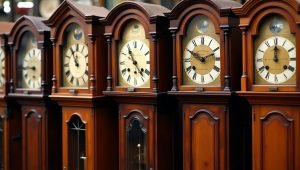
The Middle Ages brought a revolution in timekeeping with the invention of mechanical clocks. These clocks used gears, weights, and pendulums to measure time more reliably than earlier methods. Grandfather clocks, which evolved from these designs, became popular in the 17th century. They offered a combination of utility and craftsmanship, often becoming prized household heirlooms. This period marked the start of mass production of clocks and the growing importance of precise time in society.
2.3 The Rise of Precision Timekeeping in the 20th Century
The 20th century saw the invention of quartz clocks and, later, atomic clocks, which changed the way we measure time forever. Quartz clocks improved accuracy significantly, but atomicclocks like the SkyScan model took precision to a whole new level by using vibrations of atoms. This advancement allowed for ultra-accurate time measurement critical for technologies such as GPS, telecommunications, and the internet. Today, atomic clocks set the global standard for timekeeping.

3. Grandfather Clocks: Legacy of Time
3.1 Historical Background and Invention
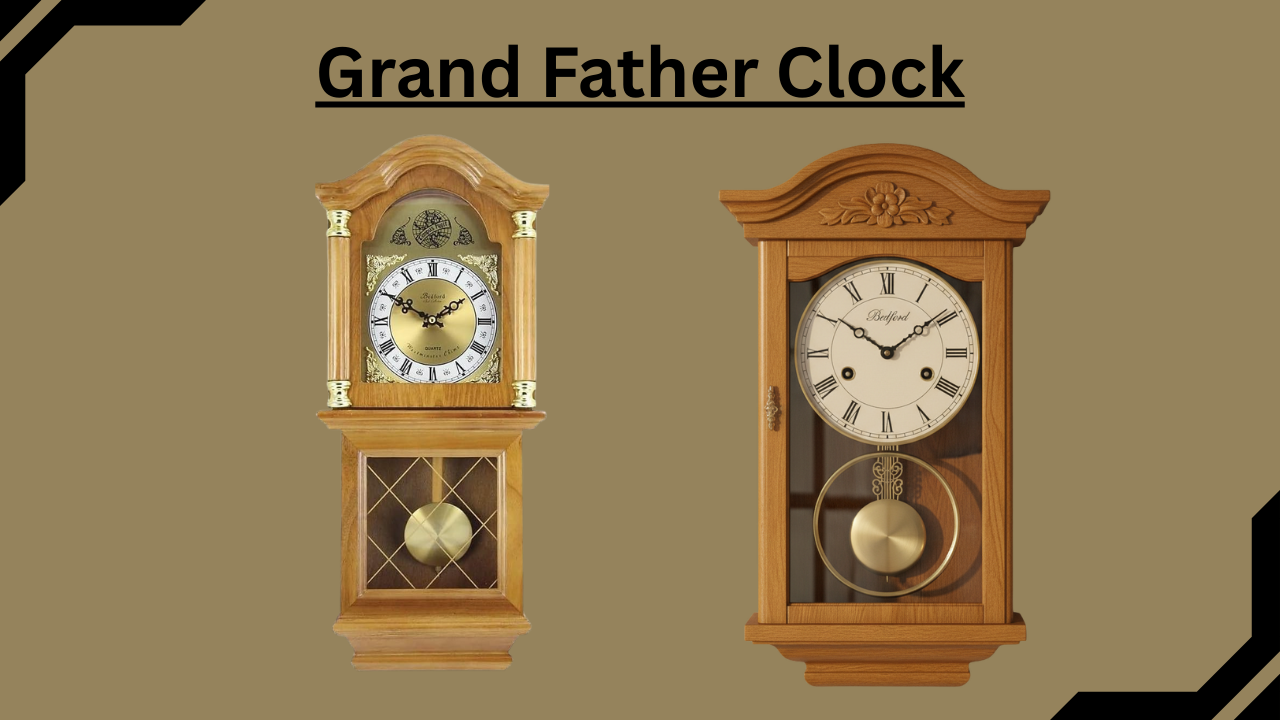
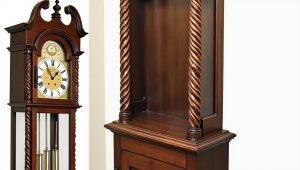
Grandfather clocks, also known as longcase clocks, originated in England in the late 1600s. Invented by clockmakers like William Clement, they featured a long pendulum and weight-driven mechanism enclosed in tall wooden cases. These clocks became symbols of wealth and status, commonly found in grand homes and estates. Their design combined function and artistry, making them more than just timekeeping devices but also beautiful furniture pieces.
3.2 Symbolism in Culture and Family Heirlooms
Over time, grandfather clocks came to symbolize tradition, stability, and the passage of generations. Many families passed them down as heirlooms, connecting present-day owners with their ancestors. These clocks often appear in literature and films as markers of history and memory. Their ticking sound and slow movement remind people of the steady, reliable flow of time, a contrast to today’s fast-paced digital age.
3.3 Handcrafted Beauty and Human Connection
Unlike mass-produced digital clocks, grandfather clocks are typically handcrafted by skilled artisans. Each clock tells a story through its intricate woodwork, hand-painted faces, and unique chimes. This human touch creates an emotional connection that modern clocks lack. Owning a grandfather clock often means valuing tradition, craftsmanship, and a slower, more mindful experience of time.
3.4 Popularity through Music and Literature
Grandfather clocks have inspired songs like “My Grandfather’s Clock” and appeared in many stories and poems, reflecting their deep cultural impact. Their presence in music and literature often symbolizes time’s unstoppable march and nostalgia. This cultural significance adds to their charm and keeps them relevant even in today’s technology-driven world.
4. SkyScan Atomic Clock: The Modern Marvel of Precision
4.1 How Atomic Clocks Work
SkyScan atomic clocks use the vibrations of atoms, usually cesium or rubidium, to keep time. Unlike mechanical clocks, which rely on gears and pendulums, atomic clocks measure time based on the natural frequency of atomic particles. This method is incredibly accurate, with deviations of less than one second every million years. This level of precision is why atomic clocks are used worldwide to maintain the official time standards that power GPS navigation, internet synchronization, and scientific research.
4.2 Technological Advancements Behind SkyScan
SkyScan models represent the latest in atomic clock technology, incorporating improvements in miniaturization and energy efficiency. These clocks can now be portable and more accessible, unlike older, bulky atomic clocks that required large laboratory setups. SkyScan’s design also includes advanced temperature control and vibration resistance to maintain accuracy even in challenging environments. This makes it ideal for both scientific use and everyday high-tech applications.
4.3 Importance in Global Timekeeping and Communications
The SkyScan atomic clock plays a vital role in global communication networks and satellite systems. Its extreme precision ensures that data is transmitted and received accurately, minimizing errors caused by time mismatches. Without atomic clocks, services like mobile phone networks, financial transactions, and air traffic control would be less reliable. In this way, SkyScan is a silent but essential guardian of the digital age’s smooth functioning.

5. Key Differences Between SkyScan Atomic Clock and Grandfather Clock
5.1 Accuracy and Precision
The most obvious difference lies in accuracy. While a grandfather clock can lose or gain several seconds a day, a SkyScan atomic clock remains accurate to within billionths of a second per day. This means atomic clocks are better suited for scientific and technological uses where even the smallest time error can cause serious problems.
5.2 Design and Construction
Grandfather clocks are large, handcrafted pieces of furniture made primarily of wood and metal gears. They are designed for home decoration as much as for telling time. In contrast, SkyScan atomic clocks are compact, made with modern electronics and atomic physics components. Their design focuses purely on functionality and precision rather than aesthetics.
5.3 Maintenance and Durability
Grandfather clocks require regular maintenance such as winding, oiling, and occasional repairs to keep running. They are mechanical and prone to wear over time. SkyScan atomic clocks, however, need minimal maintenance, as they rely on stable atomic vibrations and advanced electronics. They are built to last and maintain accuracy over many years without much intervention.
6. Which Clock Suits Your Needs? Practical Uses and Choices
6.1 When to Choose a Grandfather Clock
If you value tradition, heritage, and classic home decor, a grandfather clock is a timeless choice. It offers a connection to history and adds warmth to living spaces. They are perfect for those who appreciate craftsmanship and want a piece that tells stories beyond just time.
6.2 When to Choose a SkyScan Atomic Clock
If you need precise time for scientific experiments, technology systems, or professional environments, the SkyScan atomic clock is the clear winner. Its unmatched accuracy makes it essential for GPS devices, telecommunications, and financial trading, where every millisecond counts.
6.3 Balancing Tradition and Technology in Modern Life
Some people combine both worlds by keeping a grandfather clock for sentimental reasons while relying on atomic clocks for everyday precision. This balance shows how humans respect the past while embracing the future. Both clocks serve important purposes depending on what you value most, beauty and tradition or accuracy and innovation.

7. Conclusion: Which Clock Truly Measures Time?
The SkyScan Atomic Clock and the Grandfather Clock are more than just time-telling devices; they represent two very different approaches to measuring time. The atomic clock focuses on extreme precision and cutting-edge technology, providing almost perfect accuracy linked to global timekeeping systems. In contrast, the grandfather clock carries centuries of tradition, craftsmanship, and emotional value, symbolizing a connection to history and family. Choosing between these clocks reveals much about personal values: preferring the atomic clock shows a love for innovation, efficiency, and exactness, while opting for the grandfather clock reflects an appreciation for heritage, artistry, and timeless elegance. Ultimately, your choice says as much about who you are as it does about how you measure time.
FAQs
What is the main difference between a SkyScan Atomic Clock and a Grandfather Clock?
The SkyScan Atomic Clock uses atomic vibrations to measure time with extreme accuracy, while a Grandfather Clock relies on mechanical movements powered by weights and pendulums.
How accurate is a SkyScan Atomic Clock compared to a Grandfather Clock?
An atomic clock can be accurate to within a billionth of a second, whereas a grandfather clock may lose or gain several seconds each day due to mechanical limitations.
Why do some people still prefer grandfather clocks over atomic clocks?
Many prefer grandfather clocks for their classic design, craftsmanship, and sentimental value, which offer more than just precise timekeeping.
Can a SkyScan Atomic Clock work without electricity?
No, atomic clocks require a constant power source to maintain their precise electronic functions, unlike mechanical grandfather clocks that work without electricity.
Are grandfather clocks more expensive than atomic clocks?
Prices vary widely, but antique and handcrafted grandfather clocks can be very expensive, while atomic clocks can range from affordable to high-end depending on the model.
How often do grandfather clocks need maintenance?
Grandfather clocks typically require servicing every 3 to 5 years to ensure their mechanical parts remain accurate and functional.
Do SkyScan Atomic Clocks need regular calibration?
Atomic clocks automatically calibrate themselves using signals from atomic time standards, so manual calibration is rarely needed.
Which clock is better for modern homes?
For modern homes, atomic clocks are preferred for precision and convenience, but grandfather clocks are chosen for their aesthetic and nostalgic value.
Can grandfather clocks keep time accurately during power outages?
Yes, since grandfather clocks operate mechanically, they continue running without electricity, unlike atomic clocks that may stop.
What does choosing between these clocks say about a person’s personality?
Choosing an atomic clock often shows a preference for technology and precision, while choosing a grandfather clock reflects a love for tradition and timeless style.






Post Comment