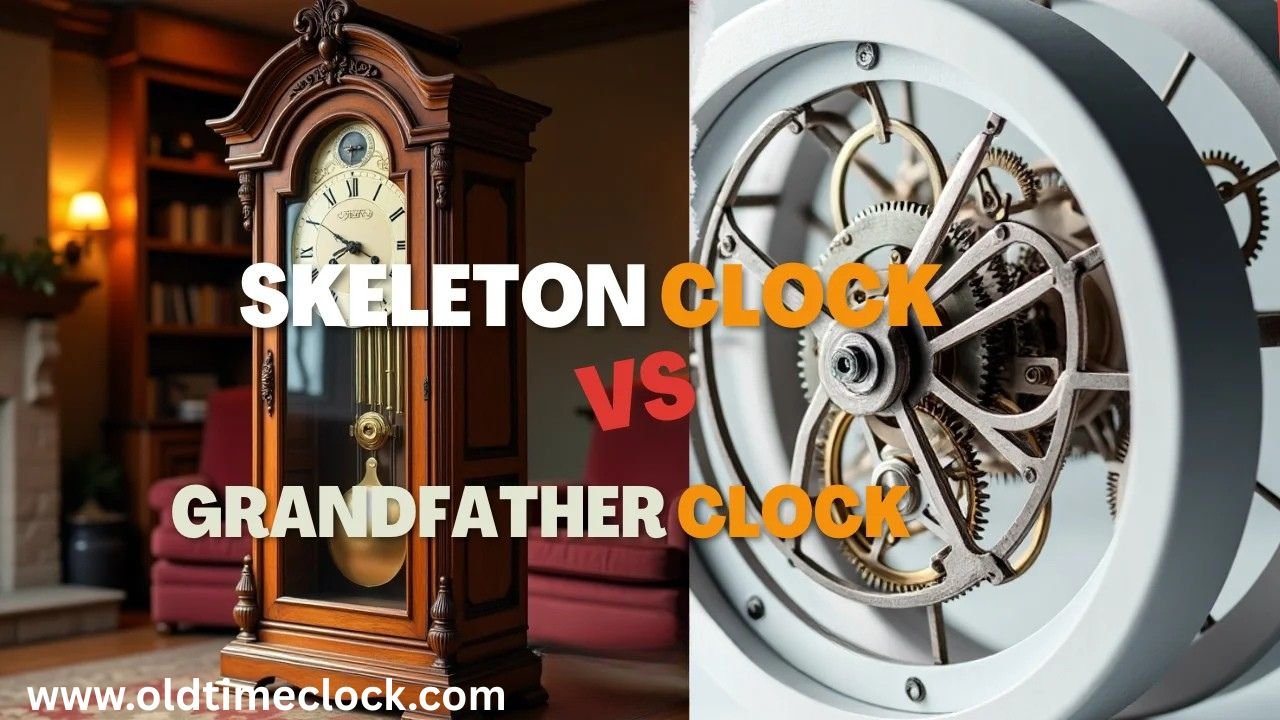
Skeleton Clock vs Grandfather Clock Which Timepiece Matches Your Style?
I didn’t grow up with a smartphone in my hand… but I did grow up listening to the deep chimes of my grandfather’s old wooden clock echo through our living room every hour. And years later, while shopping for a clock for my own apartment, I came across a sleek, gear-exposed timepiece that stopped me in my tracks, a skeleton clock.
That moment sparked a question:
What makes a clock more than just a timekeeper?
Is it the classic charm of a grandfather clock that feels like heritage in motion, or the mechanical beauty of a skeleton clock that showcases every tiny tick?
Turns out, I wasn’t the only one asking. A recent interior trend report shows that decorative clocks are making a comeback, with over 63% of buyers choosing timepieces based on design before function.
So if you’re caught between old-world charm and modern artistry, this guide will help you decide which clock truly belongs in your home, and why.
1. What Is a Skeleton Clock?
Understanding the Skeleton Clock
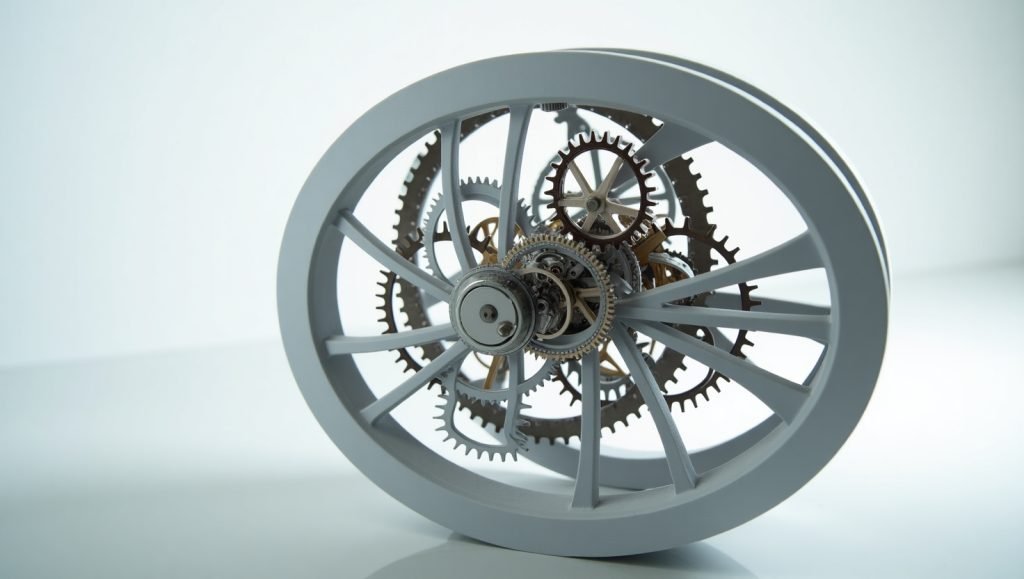
A skeleton clock is like a peek into the heart of time itself. Unlike traditional clocks hidden behind solid faces, skeleton clocks proudly display their inner gears and mechanisms. Imagine watching the tiny cogs and wheels working together, all exposed through a transparent or open framework. These clocks first gained popularity in the 18th century as both functional timepieces and pieces of art. Today, they blend modern design with old-school craftsmanship, making them favorites for those who love minimalistic, industrial, or artistic décor. If you enjoy seeing how things work and appreciate subtle sophistication, a skeleton clock might just be your perfect match.
2. What Is a Grandfather Clock?
The Timeless Charm of Grandfather Clocks
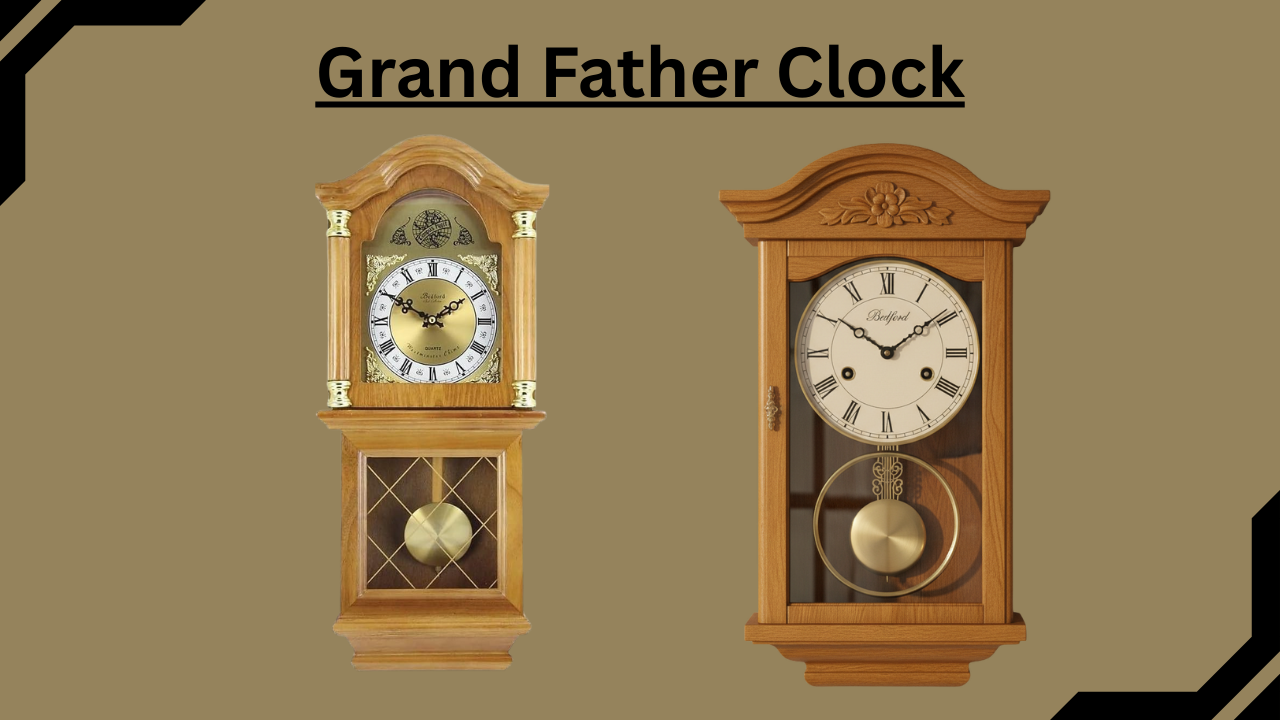
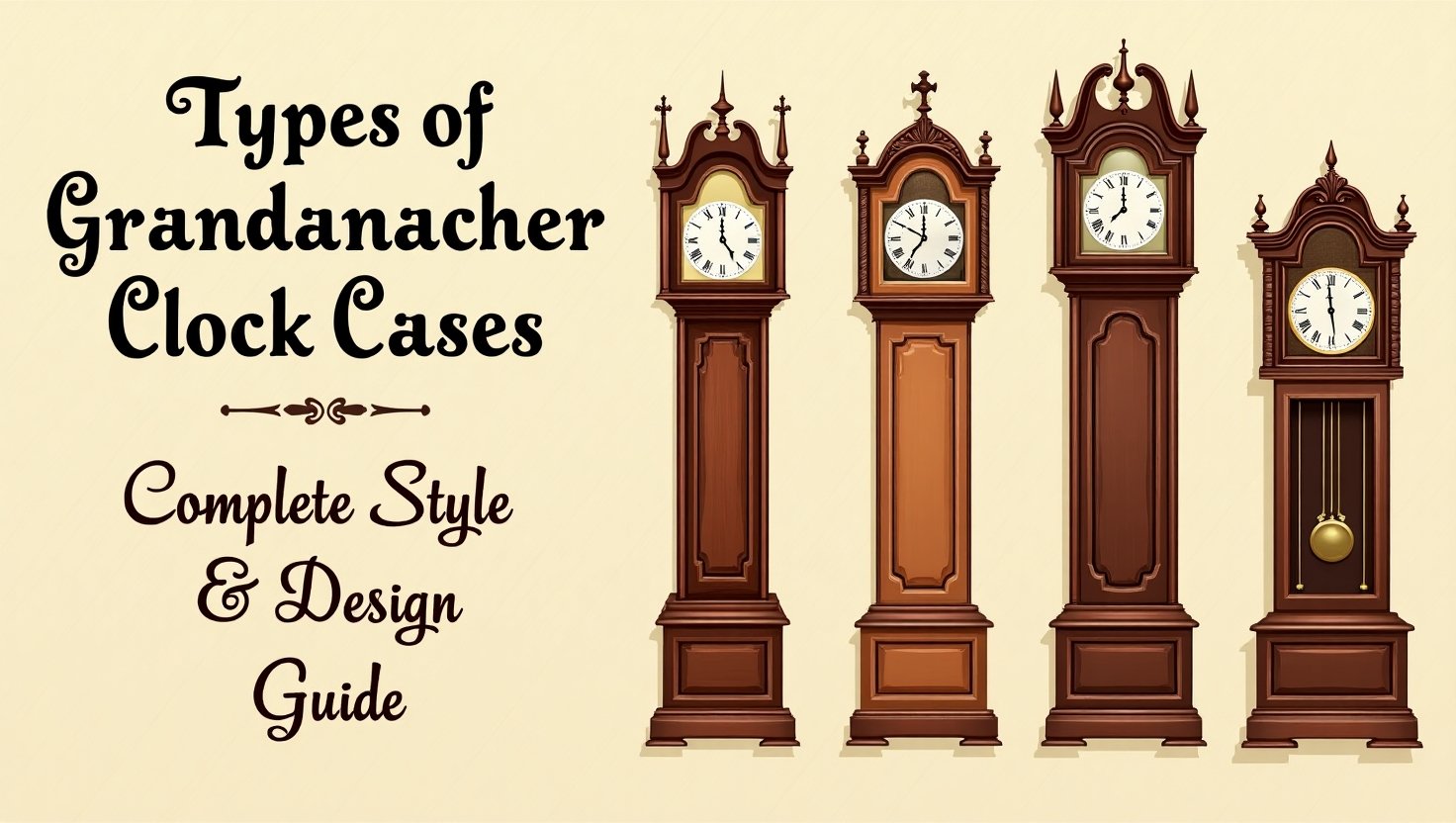
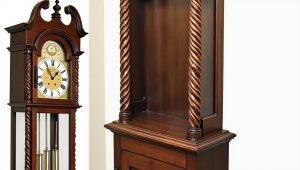
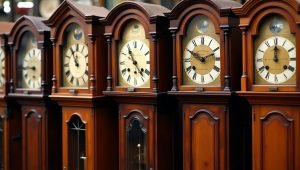
When you think of a grandfather clock, you probably picture a tall, elegant wooden case standing proudly in a hallway, filling the room with a gentle chime every hour. These clocks, also called longcase clocks, have been cherished since the 17th century. They are more than just timekeepers; they carry stories, heritage, and a sense of tradition passed down through generations. Their pendulum swings steadily, driven by weights, and their deep chimes offer a comforting rhythm to the home. If you love classic, vintage style and the feeling of history alive around you, a grandfather clock is more than just furniture; it’s a family heirloom.
3. Design & Aesthetic Comparison
How Skeleton and Grandfather Clocks Shape Your Space
Design is where these two clocks truly tell different stories. Skeleton clocks boast a modern, open design with exposed gears that invite curiosity and admiration. They’re often compact, perfect for desks or walls in contemporary homes. In contrast, grandfather clocks are statement pieces, large, often ornately carved with rich wood finishes that demand attention. Their presence in a room feels regal, evoking nostalgia and warmth. Choosing between them means deciding whether you want a sleek conversation starter or a timeless icon that fills your home with history. Both add personality, but in wonderfully different ways.

4. Mechanism & Performance
The Inner Workings: How These Clocks Keep Time
At the heart of every clock is its mechanism, and skeleton and grandfather clocks take very different approaches. Skeleton clocks usually use quartz or simple mechanical movements that are easy to maintain and keep reliable time. Their exposed gears make it fun to watch the clock in action without worrying about complex upkeep. Grandfather clocks, on the other hand, feature intricate weight-driven systems and pendulums that require regular winding or sometimes electric assistance. This complexity reflects their craftsmanship and heritage but demands more care. If you enjoy the precision of traditional engineering and don’t mind a little maintenance, grandfather clocks offer an unmatched experience.
5. Sound & Movement
Tick-Tock: The Sounds That Bring Life to Your Home
One of the biggest differences between these clocks is their sound. Skeleton clocks are often silent or produce a subtle ticking sound, which makes them perfect for quiet spaces like offices or bedrooms. Their movement is smooth and minimalistic, complementing modern, peaceful environments. Grandfather clocks, meanwhile, are known for their iconic chimes, deep, resonant sounds that ring every hour and sometimes every quarter. For many, this sound is a warm, nostalgic reminder of home and tradition. But it can also be a distraction if you prefer silence. Choosing between them often means balancing atmosphere with practicality.
6. Size, Placement & Practicality
Where to Put Your Clock: Space and Lifestyle Considerations
Size matters when it comes to these clocks. Skeleton clocks are versatile; they fit easily on a wall, shelf, or desk without taking up much space. Their compactness makes them ideal for apartments or modern homes where space is precious. Grandfather clocks, in contrast, are large and need a dedicated floor spot. They become a focal point in any room but can feel overwhelming in smaller spaces. Consider your lifestyle and home layout before deciding. If you move often or live in a cozy space, a skeleton clock offers flexibility. But if you want a timeless, permanent fixture, a grandfather clock delivers grandeur.
7. Maintenance & Durability
Caring for Your Timepiece: What to Expect
Skeleton clocks are generally low-maintenance because their quartz or simple mechanical movements don’t require frequent winding or adjustments. Their open design makes dust a potential concern, but a gentle clean now and then keeps them shining. Grandfather clocks demand more love: regular winding, occasional professional servicing, and protection from humidity and temperature changes to keep the wooden case and complex mechanism in top shape. If you prefer a hands-off approach, a skeleton clock fits your lifestyle better. But if you enjoy ritual and care as part of owning a timeless piece, a grandfather clock is rewarding in its own way.
8. Cost & Investment
Price Tags and Longevity: What You’re Really Paying For
Skeleton clocks tend to be more affordable, with prices varying based on design and brand. They offer great value for decorative, functional pieces without a huge upfront investment. Grandfather clocks, however, are often costly, not just because of their size, but due to craftsmanship, materials, and heritage value. A quality grandfather clock can even become a family heirloom and increase in value over time. When buying, consider whether you want a stylish timepiece or an investment with emotional and financial worth. Both clocks have their place, but your budget and long-term plans matter most.
9. Which Clock Is Right for You?
Finding Your Perfect Timekeeper
Choosing between a skeleton clock and a grandfather clock comes down to your personality, space, and lifestyle. If you love modern design, minimal maintenance, and compact size, a skeleton clock will fit right in. But if you cherish tradition, the sound of deep chimes, and a statement piece that carries history, a grandfather clock is unmatched. Think about where you’ll place it, how much care you want to invest, and what feeling you want your clock to bring to your home. Ultimately, the best clock is the one that tells your story as much as it tells time.
10. Final Verdict & Recommendations
Which Clock Wins Your Heart and Home?
After exploring the design, mechanism, sound, maintenance, and cost, the choice between a skeleton clock and a grandfather clock boils down to your lifestyle and taste. If you want a modern, artistic piece that’s easy to maintain and fits anywhere, go for a skeleton clock. But if you crave tradition, grandeur, and the nostalgic chime that fills the room, a grandfather clock is your timeless companion. Both clocks bring charm and character; it’s about what story you want your clock to tell every time you glance at it.

11. FAQs About Skeleton and Grandfather Clocks
Answering Your Burning Questions
- Do skeleton clocks require winding? Most modern skeleton clocks use quartz movements and don’t need winding.
- Are grandfather clocks loud? Their chimes can be loud, but many models allow you to silence them at night.
- Can skeleton clocks be used as heirlooms? While not as traditional, their unique design makes them great gifts and collectibles.
- Which clock is better for small spaces? Skeleton clocks are compact and better suited for limited spaces.
- How often should a grandfather clock be serviced? Typically, every 3-5 years by a professional.
12. How to Choose the Perfect Clock for Your Home
Making a Choice You’ll Love
Start by assessing your space: do you have room for a tall grandfather clock, or would a sleek skeleton clock fit better? Think about your lifestyle. Do you want a quiet, low-maintenance piece, or does the charm of hourly chimes and traditional craftsmanship appeal to you? Your budget matters, but so does emotional connection; the best clock is one you enjoy every day. Visit stores, see clocks in person, and imagine how they feel in your home. Ultimately, your perfect clock is a blend of function, style, and heart.
Final Thought
Choosing between a skeleton clock and a grandfather clock isn’t just about telling time; it’s about capturing a feeling, a style, and a part of your story. Whether you’re drawn to the modern transparency of a skeleton clock or the timeless elegance of a grandfather clock, both bring unique beauty and character to your space. Remember, the best clock is the one that resonates with you every time you glance at it, making each moment a little more special. So take your time, trust your instincts, and let your clock be a reflection of your home and heart.
Frequently Asked Questions (FAQs)
1. What is the main difference between a skeleton clock and a grandfather clock?
A skeleton clock showcases its inner gears and mechanics through a transparent design, usually smaller and modern, while a grandfather clock is a large, tall timepiece with a pendulum inside a wooden case, known for its traditional and classic style.
2. Which clock is easier to maintain?
Skeleton clocks typically require less maintenance due to their quartz or simple mechanical movements. Grandfather clocks need regular winding and occasional professional servicing.
3. Are grandfather clocks noisy?
They can be, especially due to their hourly chimes and pendulum swings. However, many models offer the option to silence the chimes at night.
4. Can a skeleton clock be a good decorative piece?
Absolutely! Skeleton clocks are popular for their artistic, open-gear designs that fit well with modern or minimalist décor styles.
5. How much space does a grandfather clock require?
Grandfather clocks are large and need dedicated floor space, often becoming a room’s focal point. They’re best suited for spacious homes.
6. Do skeleton clocks require winding?
Most modern skeleton clocks use battery-powered quartz movements and don’t require winding.
7. Are grandfather clocks valuable as investments?
Yes, high-quality grandfather clocks can appreciate over time and often become family heirlooms.
8. Which clock is better for small spaces?
Skeleton clocks are ideal for smaller rooms, apartments, or offices due to their compact size.
9. How often should I service a grandfather clock?
It’s recommended to have a grandfather clock professionally serviced every 3 to 5 years to ensure accuracy and longevity.
10. Can I customize either type of clock?
Many skeleton clocks come in various modern styles, and grandfather clocks often offer options for wood finishes, chimes, and designs to fit your taste.





Post Comment