
Mechanical Chain Driven Grandfather Clocks An In-Depth Exploration
Grandfather clocks, also known as longcase clocks, have been iconic timepieces for centuries. Their intricate design, tall, elegant structures, and precision in keeping time have made them a favorite in homes, offices, and public spaces. The term “grandfather clock” was popularized in the early 19th century, but the history of these tall, free-standing clocks stretches back even further.
One of the most notable features of these clocks is their mechanism, particularly the mechanical chain-driven system. This system has been a cornerstone of the grandfather clock’s design and functionality. The mechanism consists of chains, weights, and gears that work in tandem to drive the clock’s movement. Understanding the complexity and elegance of this system is essential for appreciating the craftsmanship of grandfather clocks.
In this article, we will explore the history of mechanical chain-driven grandfather clocks, their design and operation, types of movements, maintenance, and the reasons why these clocks remain popular even in the digital age.
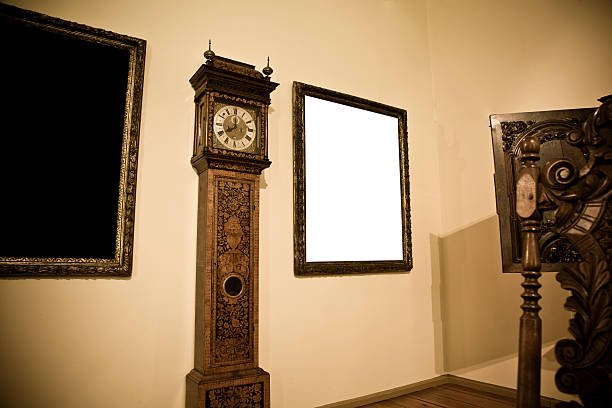
The History of Grandfather Clocks
Early Beginnings and Evolution
The origin of the mechanical clock can be traced back to the early 14th century, with the development of weight-driven clock movements in Europe. The earliest mechanical clocks were typically driven by a system of weights that powered the gears of the clock. These early clocks were often large, monumental structures placed in church towers or town halls.
It wasn’t until the 17th century that clocks began to evolve into the more refined and decorative pieces we recognize today. The longcase clock, or grandfather clock, was born during this time, with clockmakers experimenting with various methods of driving the clock’s movement, including the mechanical chain-driven system.
By the 18th century, the chain-driven clock mechanism had become a standard design, with many famous clockmakers, such as Thomas Tompion and William Clement, refining the design to include pendulums for better accuracy. This design was characterized by chains that connected heavy weights to the clock’s movement, providing the necessary force to drive the clock’s gears.
Popularity of Grandfather Clocks in the 18th and 19th Centuries
During the 18th and 19th centuries, mechanical chain-driven grandfather clocks were highly sought after by the upper classes. These clocks were seen as symbols of status and wealth, often becoming the centerpiece of grand living rooms and entryways. The craftsmanship and artistry of these timepieces were as much about aesthetics as they were about functionality. The designs varied widely, from ornate, gilded models to simpler, more utilitarian versions, but all shared the chain-driven mechanism.
Understanding the Mechanics of Mechanical Chain Driven Grandfather Clocks
Basic Components of a Mechanical Chain Driven Movement
A mechanical chain-driven grandfather clock is made up of several key components that work together to keep time. These include:
- Chains and Weights: The chains are usually made of metal and are looped around drums or sprockets. They are attached to heavy weights that hang down, and their descent provides the energy required to power the clock’s movement. The weights move downward gradually, which is what drives the gears.
- The Gear Train: The clock’s gears transmit the energy from the weights to the other parts of the clock. This train of gears allows for the reduction of the energy and transfers it to the various parts of the clock, including the escapement and the hands.
- Escapement Mechanism: This is the key component responsible for regulating the release of energy from the weights. The escapement mechanism ensures that the energy is released in controlled, incremental steps, allowing the clock to keep accurate time.
- Pendulum: The pendulum is a crucial element in regulating the movement of the clock. It swings back and forth at a precise rate, controlling the release of energy from the escapement. The accuracy of the pendulum directly impacts the accuracy of the timekeeping.
- The Dial and Hands: The dial is the face of the clock, typically featuring numerals and hands that indicate the time. The hands are powered by the gear train, which in turn is powered by the energy provided by the weights.
How the Mechanical Chain Drive Works
The mechanical chain-driven system works through a process of energy transfer. The heavy weights that hang from the chains slowly descend, transferring their potential energy to the clock’s gears. As the weights descend, they drive the gear train, which powers the escapement mechanism. The escapement then controls the flow of energy to the pendulum, which regulates the movement of the hands on the clock dial.
The design of the system allows the clock to keep running for extended periods of time, often up to a week or more, before the weights need to be wound again. This winding process is typically done by turning a crank or knob to raise the weights back up to their starting position.
Types of Movements in Grandfather Clocks
Mechanical grandfather clocks can be categorized into various movement types. Understanding these types is essential for distinguishing between different models and understanding their mechanisms.
Weight-Driven Movements
Most traditional grandfather clocks use weight-driven movements. These clocks rely on the descent of weights to power the gears and regulate time. The weight-driven system is often regarded as the most reliable and accurate type of mechanical movement.
Chain-Driven Movements
In a chain-driven movement, the clock’s weights are attached to metal chains that loop over sprockets. As the weights descend, they turn the sprockets, which in turn drive the clock’s gears and escapement. This system allows for a more compact design and is often used in modern grandfather clocks, especially those that are mass-produced.
Cable-Driven Movements
Cable-driven movements are similar to chain-driven systems but use cables instead of chains to lift the weights. These cables are typically made of strong materials like steel and are wrapped around drums. Cable-driven clocks are often considered to be more durable than chain-driven clocks and are more commonly found in larger, high-end models.
The Art of Craftsmanship in Grandfather Clocks
The Clock Case and Design
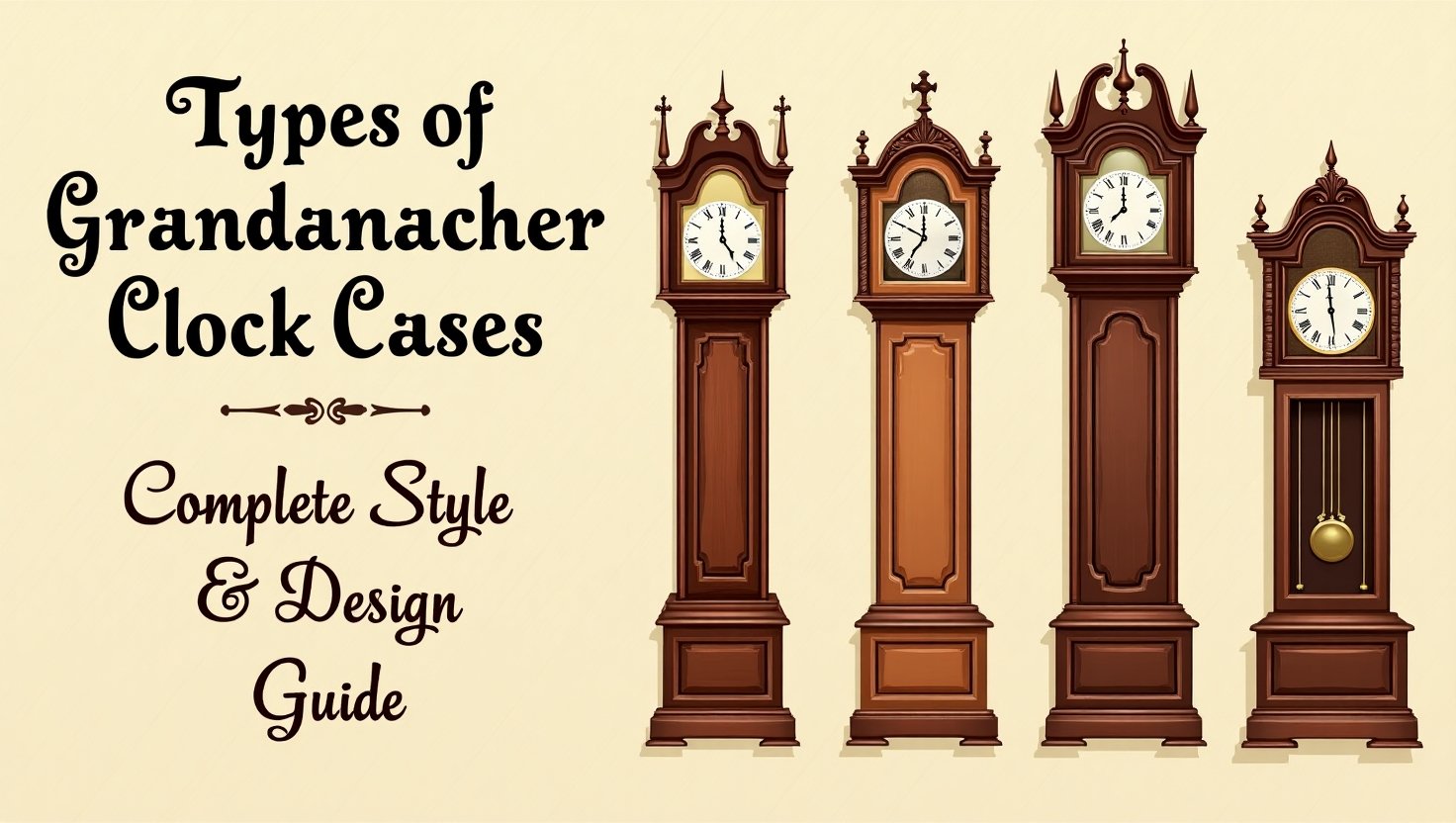
While the mechanism of a grandfather clock is of great importance, the case that houses it is just as crucial. The case serves as both a protective enclosure for the clock’s internal components and a decorative element that enhances the clock’s overall aesthetic appeal.
The case of a grandfather clock is typically tall, with a long, slender structure. The design of the case can range from simple and understated to highly ornate, depending on the era, region, and the clockmaker’s style. Materials used for the case include wood, metal, and glass, with high-end clocks often incorporating intricate carvings, gilding, and other decorative features.
Dial and Hands
The dial of a grandfather clock is another key design element. It often features Roman or Arabic numerals and may include additional features such as a moonphase dial or date window. The hands are typically made of brass or other metals and are often ornate in design. In high-end models, the dial may be made of fine materials like porcelain or enamel, adding to the clock’s overall value and beauty.
Maintenance and Care for Mechanical Chain Driven Grandfather Clocks
Winding the Clock
One of the most important aspects of maintaining a mechanical chain-driven grandfather clock is ensuring that it is properly wound. The winding process should be done regularly, typically every week, to ensure that the clock keeps running smoothly. Over-winding the clock can damage the internal mechanisms, so it’s important to stop winding once the weights reach their highest position.
Lubrication
To keep the internal gears and mechanisms functioning properly, regular lubrication is essential. A skilled clockmaker or technician will apply appropriate oils and greases to the clock’s gears and escapement to reduce friction and prevent wear and tear.
Cleaning and Inspection
Regular cleaning of the clock’s case, dial, and hands is important to maintain its appearance. Additionally, periodic inspections by a professional clockmaker are recommended to ensure that the mechanical components are functioning properly. The clock’s escapement and other delicate parts may need to be adjusted or repaired over time to maintain accuracy.
Why Mechanical Chain Driven Grandfather Clocks Remain Popular
Timeless Appeal
Despite the rise of digital clocks and modern timekeeping technology, mechanical chain-driven grandfather clocks remain a symbol of elegance and craftsmanship. Their intricate mechanisms, timeless design, and the soothing ticking sound they produce evoke a sense of nostalgia and tradition that modern clocks cannot replicate.
Longevity and Durability
Mechanical grandfather clocks are built to last. With proper maintenance, these clocks can function for generations, passing down from one family member to the next. The mechanical nature of the clock also means that it can continue to run without the need for batteries or electrical power, making it a sustainable and reliable timepiece.











Post Comment