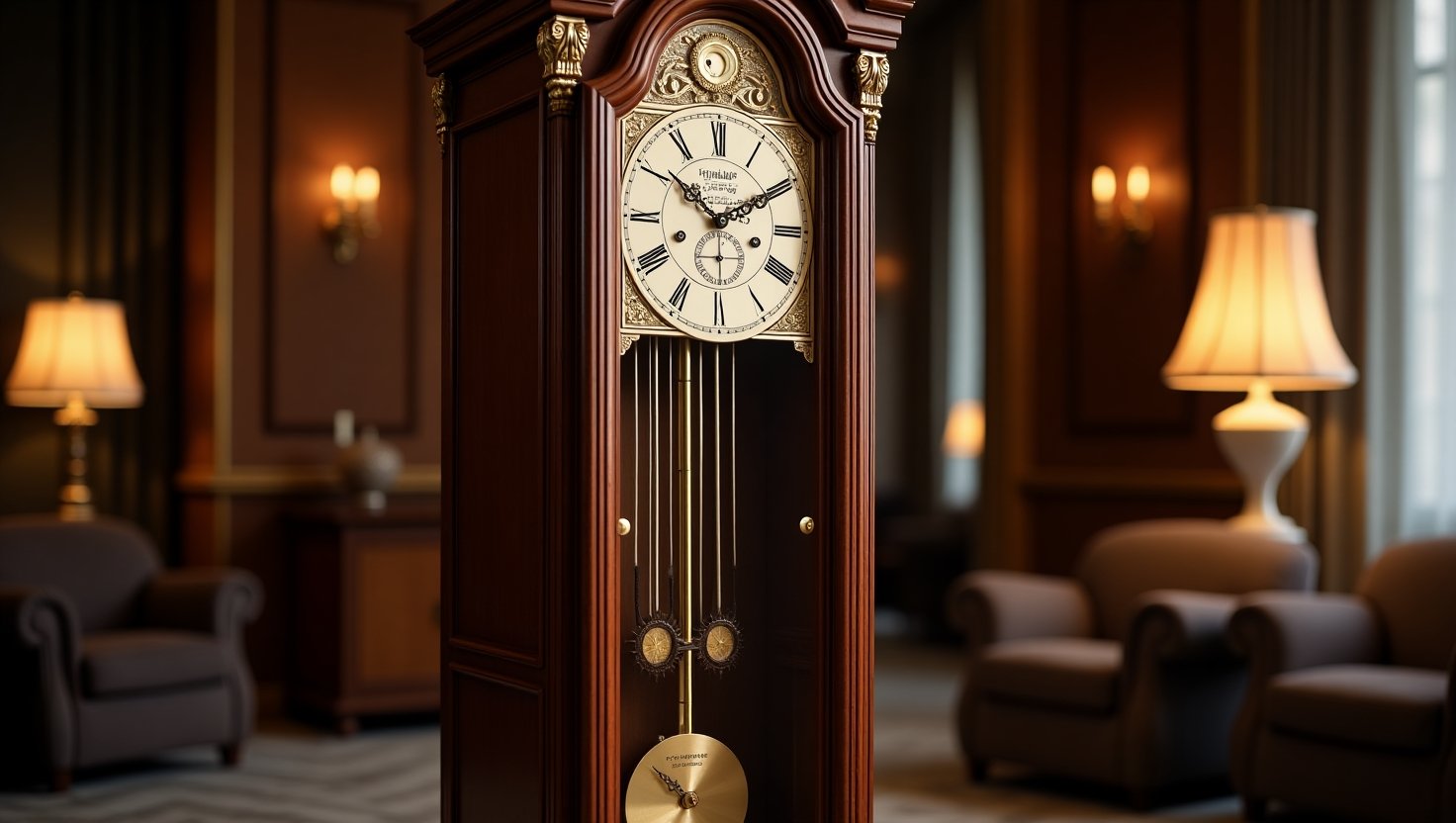
How to Verify the Value of Your Grandfather Clock
Did you know a rare, antique grandfather clock can be worth tens of thousands of dollars? These timepieces are valuable not just for telling time. They also hold historical significance and showcase great craftsmanship.
Verifying the value of your grandfather clock is a detailed task. It involves knowing its age, condition, and the maker’s reputation. Whether it was passed down to you or you bought it, knowing its worth is key. It’s important for insurance, selling, or just to appreciate its value.
This article will help you figure out your grandfather clock’s worth. We’ll cover its history, condition, and market demand.
Key Takeaways
- Understand the historical significance of your grandfather clock.
- Learn how to identify the maker and the clock’s age.
- Discover the factors that influence the value of grandfather clocks.
- Get insights into the process of grandfather clock appraisal.
- Understand the importance of condition and originality.
The Enduring Appeal of Grandfather Clocks
Grandfather clocks are loved for their mix of function, skill, and history. They are not just timekeepers. They are treasured family items passed down through years.
Historical Significance of Tall Case Clocks
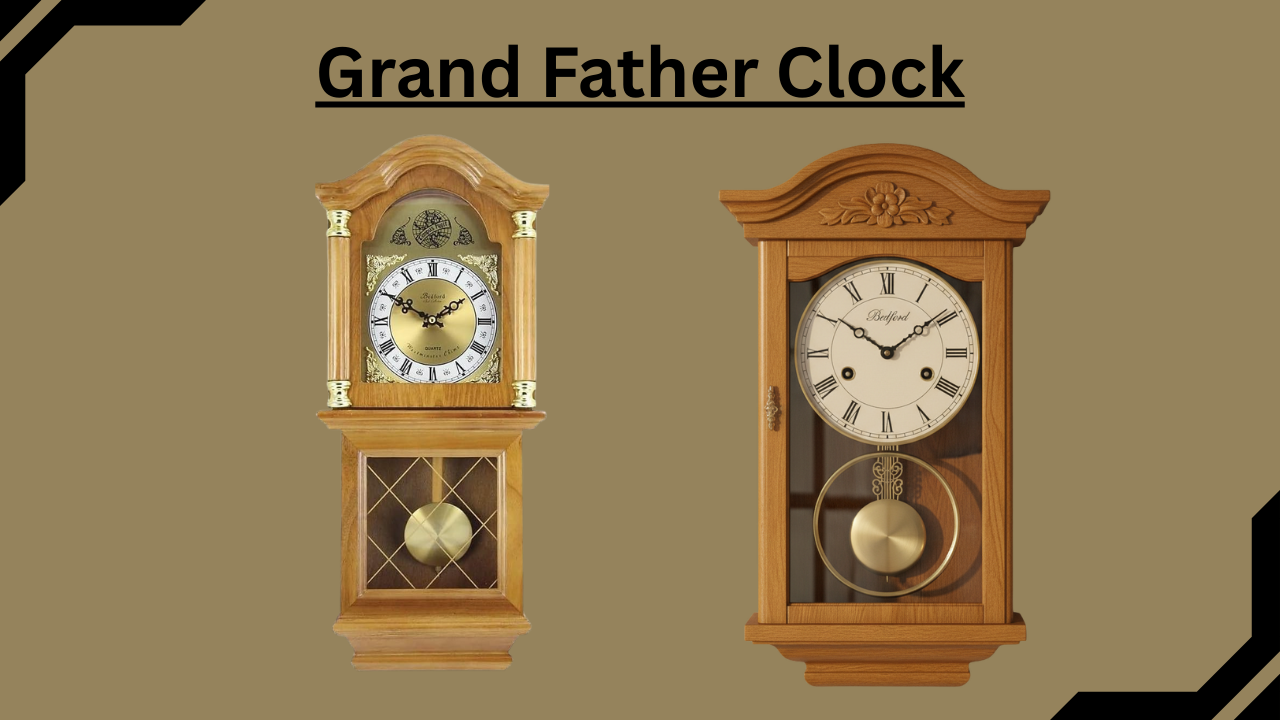
These clocks, also known as longcase clocks, have a long history starting in the 17th century. They were once a sign of wealth, showing only the rich could afford them. Now, they are loved by families for their beauty and the skill in making them.
Why Grandfather Clocks Hold Their Value
Several things make grandfather clocks valuable. Their historical significance, craftsmanship, and condition are key. The maker’s reputation and how rare the clock is also matter. Knowing these helps figure out a clock’s worth.
When you want to sell, insure, or just know your clock’s value, think about these points. Understanding your clock’s worth can give you peace of mind. It helps you make smart choices.
Understanding the Components of a Grandfather Clock
To truly value your grandfather clock, knowing its parts is key. It’s a detailed timepiece with several important parts. These parts work together to keep time right and look great.
The Case: Materials and Craftsmanship
The case of a grandfather clock is more than a home for the clock’s parts. It’s a masterpiece that shows off the craftsman’s talent. Usually, it’s crafted from fine woods like oak, mahogany, or walnut. It often has detailed carvings and fancy designs.
The quality of the craftsmanship and the materials used greatly affect the clock’s worth.
The Movement: Heart of the Timepiece
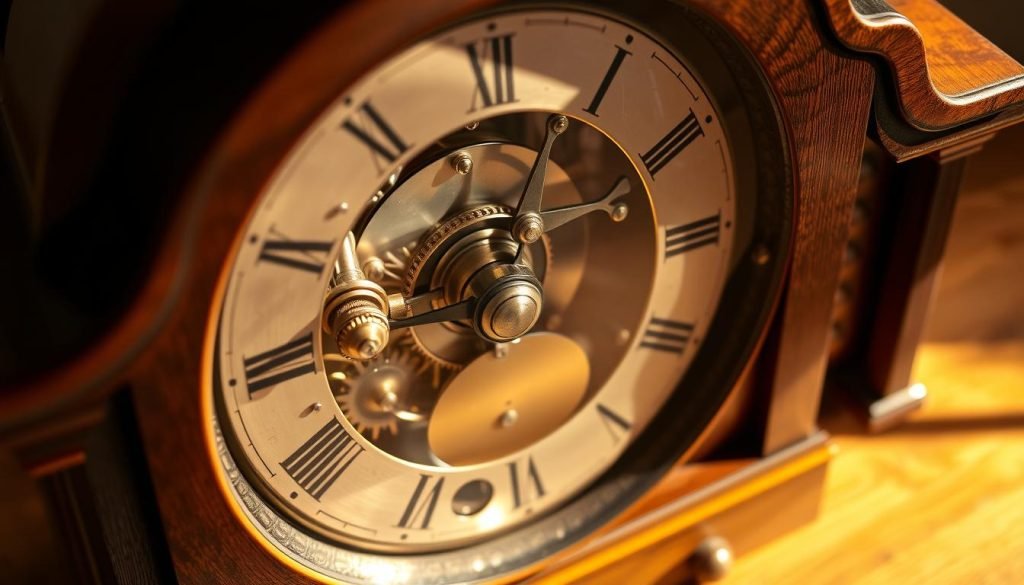
The movement is the clock’s core, keeping time. It’s a complex mix of gears, springs, and more. It can be mechanical or quartz, but mechanical ones are more prized for their detailed work.
The Face and Dial Features
The face or dial of the grandfather clock is very important. It usually has Roman or Arabic numerals, or both. It might also have extra features like a moon phase indicator or subsidiary dials.
The condition and originality of the dial play a big role in the clock’s value.
Weights, Pendulums, and Chains
Weights, pendulums, and chains are key parts of a grandfather clock. The weights power the movement, and the pendulum keeps time right. The chains link the weights to the movement.
These parts are essential for the clock’s function and must be in good condition to keep its value.
Knowing about these parts and their state is key when figuring out your grandfather clock’s price. By looking at the case, movement, dial, weights, pendulums, and chains, you can really understand your clock’s worth.
Identifying Different Types of Grandfather Clocks
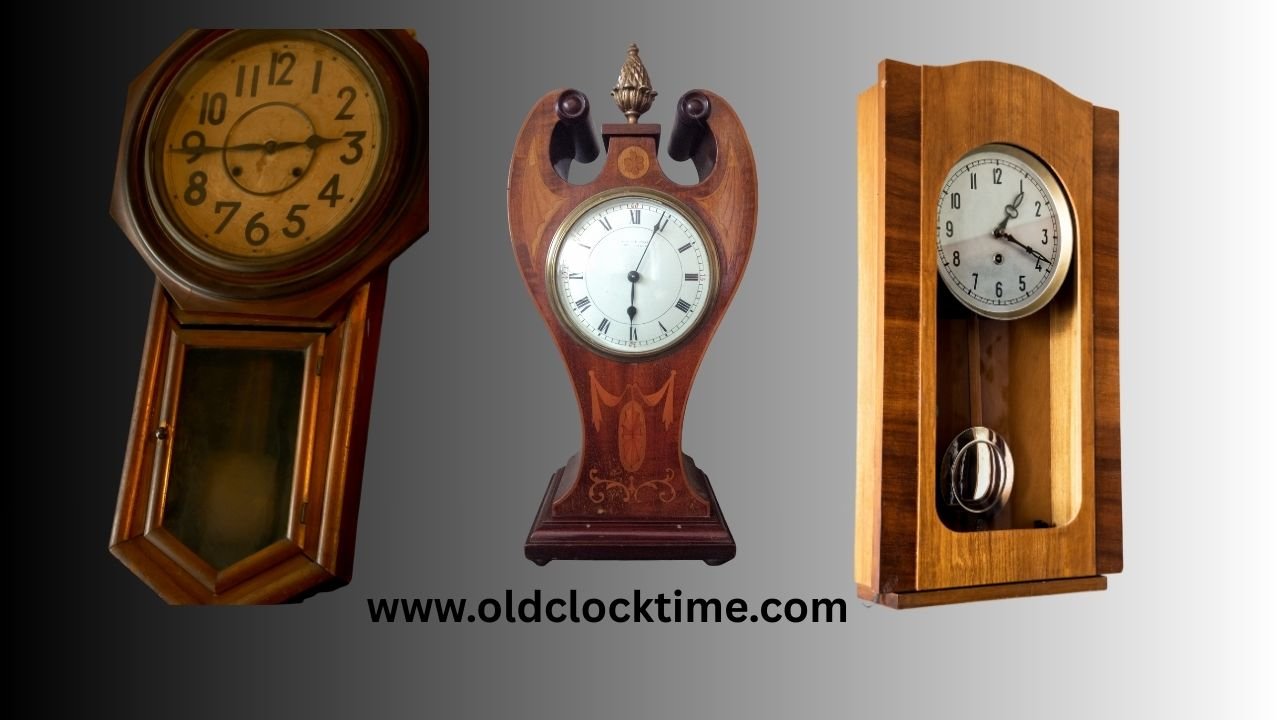
The world of grandfather clocks is full of variety. It includes many types that have changed over time.
These clocks can be sorted by where they come from and when they were made. Knowing this helps us understand and value them.
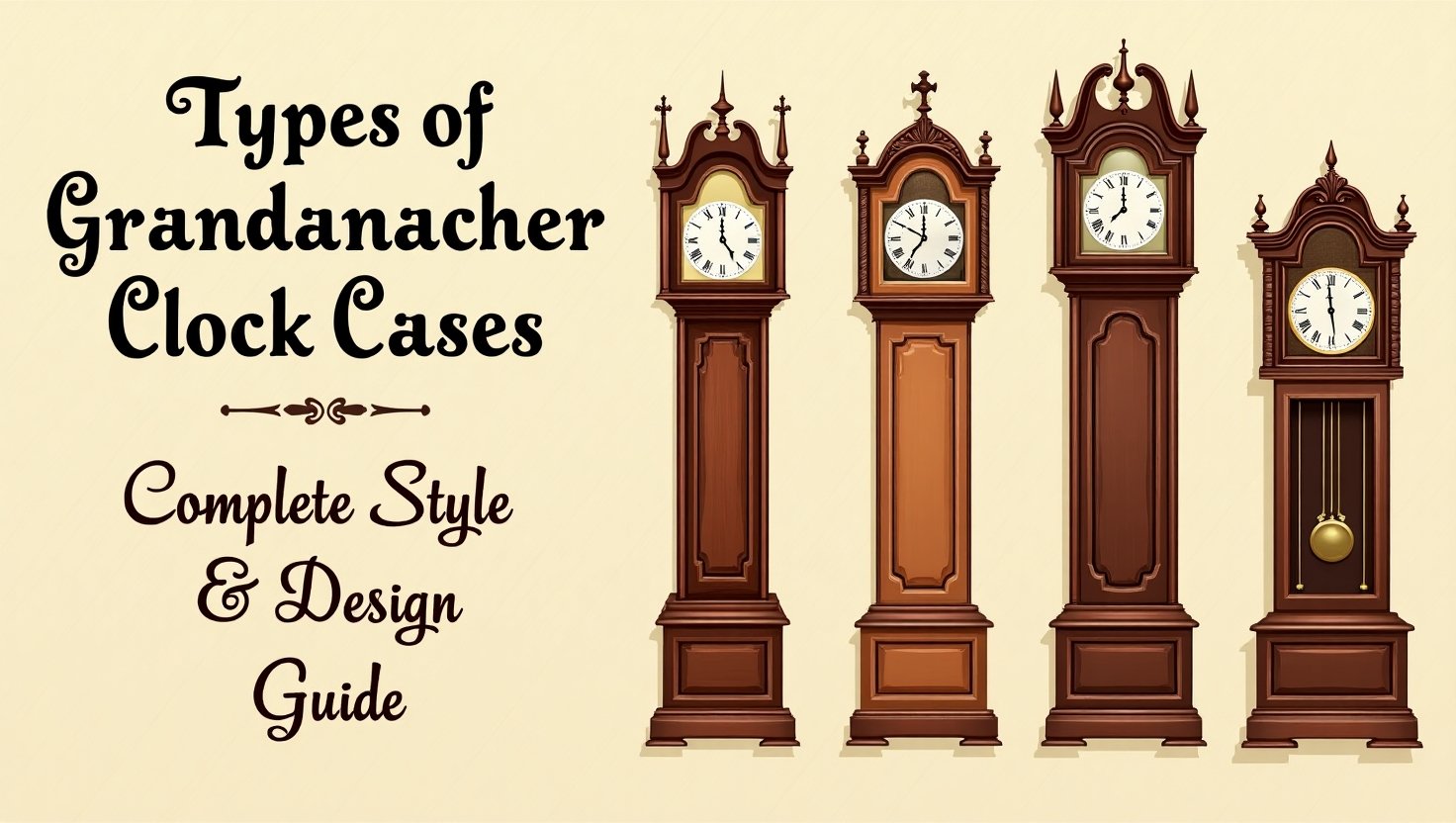
English Longcase Clocks
English Longcase Clocks are famous for their skill and history. They have detailed carvings and top-notch materials.
American Tall Case Clocks
American Tall Case Clocks are similar but show American clock-making traditions. They are stronger and have simpler designs.
German and Continental Variations
German and Continental clocks mix function with beauty. They have accurate movements and fancy cases.
Modern Production Grandfather Clocks
Modern grandfather clocks are not old but can be valuable. They have new designs and materials, appealing to those who like the latest styles.
Knowing about the different types of grandfather clocks helps you understand your clock’s worth and importance.
How to Verify Value of Grandfather Clock: A Systematic Approach
To find out your grandfather clock’s true value, you need a step-by-step process. This includes checking the clock’s parts, collecting important documents, and looking at its condition.
Initial Assessment Checklist
Start by looking closely at your grandfather clock. Look for the maker’s name, model, and serial numbers on the clock’s face or inside. Also, check the clock’s condition for any wear, damage, or repairs. Make a checklist to help you remember everything important.
Documentation Gathering
It’s key to gather all the right documents for your grandfather clock’s value. Search for original receipts, certificates of authenticity, and any maintenance records.
If your clock has been appraised or fixed before, get those documents too. This paperwork proves your clock’s history and adds value for buyers or appraisers.
Condition Evaluation Process
The clock’s condition greatly affects its value. Examine the case, movement, and other parts separately. Look for any damage, wear, or repairs needed. If unsure, consider getting a professional to check the clock’s condition. This detailed check will show you your clock’s real worth.
By using this method, you’ll be ready to check your grandfather clock’s value. This will help you make smart choices about its future.
Dating Your Grandfather Clock
To date your grandfather clock, you need to look at several key parts. It’s not just about guessing its age. You must carefully check its build, mechanisms, and any markings.
Examining Case Construction Techniques
The case of your grandfather clock can tell you a lot about its age. Each era used different materials and ways to build. For example, the wood and how it’s joined can show when it was made. Look for signs of hand craftsmanship, like hand-cut joints and detailed carvings, which were typical in older clocks.
Movement Dating Methods
The movement of your grandfather clock is also key. Clockmakers used different mechanisms over time. Check the movement’s construction and any inscriptions or markings for clues about its age and maker.
Serial Numbers and Maker’s Marks
Many clockmakers left their mark with serial numbers or maker’s marks. These can help a lot in figuring out the clock’s age. Research the maker’s marks to identify the clockmaker and use the serial number to find the production date.
Stylistic Period Indicators
The style of your grandfather clock can also give hints about its age. Each era had its own design. For instance, Victorian-era clocks often had detailed dials and fancy decorations.
By using these methods, you can figure out your grandfather clock’s age and its value.
Researching the Clock Maker and Brand History
To figure out your grandfather clock’s worth, finding out who made it is key. The maker’s name and history greatly affect the clock’s value and appeal.
Famous Clock Makers and Their Signatures
Well-known clock makers have made a big impact, creating pieces collectors love. Thomas Tompion and John Harrison are famous for their skill and new ideas. Look for signs or labels on the clock to find out who made it.
Identifying Manufacturing Origins
Knowing where your grandfather clock was made can tell you a lot about its value. Different places have their own styles and quality levels. For example, English Longcase clocks are famous for their detailed designs and top-notch materials.

Resources for Maker Research
There are many ways to learn about your clock maker and its history. You can join antique clock collector groups, check historical archives, or talk to experts in antique clocks. Also, look at auction records and price guides to see what similar clocks are worth.
By digging into the clock maker’s background, you’ll understand your grandfather clock’s importance and worth better.
Assessing the Condition of Your Grandfather Clock
Checking your grandfather clock’s condition means looking at each part carefully. This helps figure out its value and keeps it working well for years. You need to check a few important things.
Evaluating the Case Condition
The case is what you see first, and it affects the clock’s value a lot. Look for any damage like dents, scratches, or old finishes. Check the corners, edges, and surfaces for repairs or restoration. Focus on the veneer and any detailed carvings or designs. The case’s look can really change the clock’s value, so note any flaws.
Examining the Movement’s Working Order
The movement is the clock’s core, and it must work well. See if the clock shows the right time and if the chimes work right. Listen for odd sounds that might mean something’s wrong. Getting a pro to check the movement is a good idea.
Identifying Original vs. Replacement Parts
Knowing if parts are original or not is key to the clock’s value. Original parts, with their history, can make the clock more valuable. Look for signs of age, wear, and any signs of being replaced. Look for maker’s marks or other signs to confirm parts’ authenticity.
Understanding Restoration Impact on Value
Restoration can either help or hurt your grandfather clock’s value. A good restoration can make the clock look and work better. But, bad restoration can lower its value. It’s important to know what kind of restoration was done and how it affects the clock’s originality and history.
Authentication Techniques for Antique Grandfather Clocks
Antique grandfather clocks can be checked for authenticity using various methods. These methods look at the materials, how they were made, and special features. It’s important to use a careful and systematic approach to make sure the process is accurate.
Verifying Period-Appropriate Materials
Checking the materials used in making an antique grandfather clock is a key step. Real antique clocks use materials that match their time period. For example, clocks from the 18th century might have oak or mahogany wood and metal parts made from brass or bronze.
Common materials used in antique grandfather clocks include:
- Wood (oak, mahogany, walnut)
- Metals (brass, bronze, steel)
- Other materials (marble, ceramics)
Examining Construction Methods
The way an antique grandfather clock was made can also tell us a lot. Signs of traditional craftsmanship, like hand-cut joints and hand-painted dials, show it’s the real deal.
“The craftsmanship of antique clocks is a testament to the skill and attention to detail of their makers.”
Spotting Reproduction Warning Signs
To avoid being tricked by fake clocks, it’s good to know the warning signs. These include:
| Warning Sign | Description |
|---|---|
| Inconsistent patina | Uneven aging or wear on the clock’s surfaces |
| Machine-made components | Parts that show signs of modern manufacturing techniques |
| Incorrect materials | Use of materials not typical for the clock’s supposed era |
Using Wood and Metal Analysis
Wood and metal analysis are advanced methods to check a grandfather clock’s authenticity. These tests can reveal the types of wood and metals used, and any signs of aging or wear.
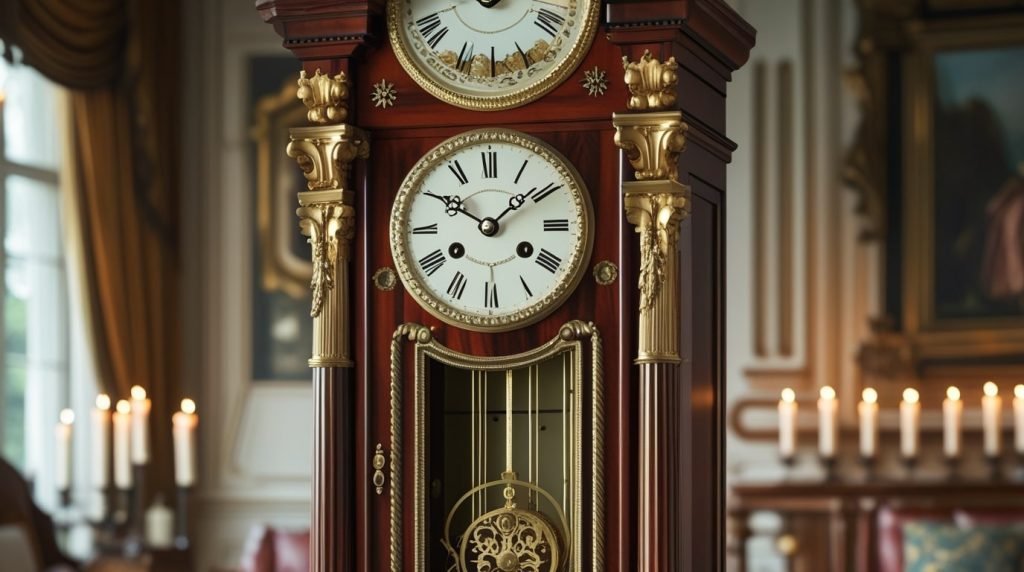
By using these techniques together, you can better understand your grandfather clock’s true authenticity and value.
Factors That Significantly Impact Grandfather Clock Value
Several key factors influence the value of your grandfather clock. Knowing these elements is vital for a precise appraisal. The worth of a grandfather clock is not just one thing. It’s a mix of many important aspects.
Maker and Brand Reputation
The reputation of the clock’s maker or brand is a big deal. Clocks from famous brands like Howard Miller or Hermle usually cost more. This is because of their historical value and top-notch craftsmanship.
Age and Rarity Considerations
The age and rarity of a grandfather clock matter a lot. Older clocks, like those from the 18th or 19th centuries, are often very valuable. This is because of their historical importance. Also, clocks made in small numbers or with unique designs can be more sought after by collectors.
Originality and Completeness
The originality and completeness of a grandfather clock greatly affect its value. Clocks with all their original parts, like the movement, dial, and case, are usually more valuable. This is compared to those that have been heavily restored or changed.
Historical Significance and Provenance
A grandfather clock’s historical importance and its background can greatly influence its value. Clocks owned by famous people or with a big role in history can sell for high prices at auctions.
Understanding these factors helps you better grasp your grandfather clock’s value. Whether you want to appraise, restore, or just enjoy your clock, knowing these key points is essential.
Using Online Resources for Preliminary Valuation
Looking up the value of your grandfather clock online is a great first step. The internet has many tools and sites that can give you a good idea of what it’s worth.
Auction Records and Price Guides
Checking auction records and price guides is a smart way to value your grandfather clock. Sites like AntiqueTrader and 1stdibs have past auction data. This helps you see what similar clocks have sold for. Also, specific price guides for antique clocks can give you a deeper look at your clock’s value.
Collector Forums and Communities
Talking to collector forums and communities is also helpful. Sites like Antique Clocks Forum let you connect with other collectors. They share their knowledge and experiences, including about clock values.
Digital Archives and Museum Collections
Digital archives and museum collections are also great resources. Many museums and historical societies have digitized their collections. For example, the Smithsonian’s Digital Collection is full of info on historical clocks.
| Resource Type | Examples | Usefulness |
|---|---|---|
| Auction Records | AntiqueTrader, 1stdibs | High |
| Collector Forums | Antique Clocks Forum | Medium to High |
| Digital Archives | Smithsonian’s Digital Collection | High |

Professional Appraisal Options
To find out what your grandfather clock is worth, think about getting a professional appraisal. A professional can give you a fair and informed idea of your clock’s value. They consider its condition, how rare it is, and what people are willing to pay for it.
Finding Qualified Clock Appraisers
Looking for a good appraiser? Look for someone who knows a lot about antique clocks, like grandfather clocks. You can find certified appraisers through groups like the American Society of Appraisers or the National Association of Watch and Clock Collectors. Make sure the appraiser knows about your clock’s type and era.
What to Expect During a Professional Appraisal
At an appraisal, the expert will check your grandfather clock’s condition and any papers you have. They’ll look at the clock’s parts, like the movement and dial, to see if it’s real and how much it’s worth.
Understanding Appraisal Costs and Types
How much an appraisal costs depends on the appraiser’s fees, how hard it is, and the clock’s value. There are different kinds of appraisals, like insurance appraisals and ones for fair market value. It’s important to know which one you need.
Insurance Appraisals vs. Fair Market Value
An insurance appraisal tells you how much it would cost to replace or fix your grandfather clock. A fair market value appraisal shows what it’s worth right now. Knowing the difference helps you pick the right appraisal for your needs.
Documenting Your Grandfather Clock for Valuation
Valuing a grandfather clock starts with detailed documentation. You must collect all the information about your clock to get an accurate value.
Photography Best Practices
High-quality photos are key for documenting your grandfather clock. Take clear, well-lit pictures from different angles. Include the front, back, and any detailed parts.
Use a tripod to prevent blurry photos. Adding a scale or ruler can help show the clock’s size. Photograph the clock’s face, movement, and any signatures or maker’s marks. This visual info helps appraisers check the clock’s condition and if it’s real.
Measurement and Detail Documentation
Take precise measurements of your grandfather clock. Record its height, width, and depth. Also, note the material of the case, the type of glass, and any fancy features.
Note the clock’s weight and any unique features. This info is very useful for appraisers and collectors.
Creating a Condition Report
A detailed condition report is essential for valuing your grandfather clock. Document any wear, damage, or repairs. Note the condition of the movement, the face, and other parts.
Include any repair or maintenance done on the clock. This report gives a clear view of the clock’s condition. It helps appraisers figure out its value.
Common Mistakes to Avoid When Valuing Grandfather Clocks
When figuring out your grandfather clock’s worth, avoid common mistakes. These can lead to wrong valuations.
Valuing a grandfather clock needs careful attention and knowledge. Many mistakes can affect how much it’s worth.
Overestimating Sentimental Value
One big mistake is thinking the clock’s sentimental value is too high. Appraisers look at the clock’s market value, not how much it means to you.
- Keep emotional value separate from market value
- Remember, sentimental value doesn’t affect the appraisal
- Think about the clock’s history and rarity
Misidentifying Reproductions
Another mistake is mistaking a reproduction for an original. Look for signs of aging and craftsmanship that match the clock’s age.
Check the materials and how it was made to see if it’s real.
Improper Handling and Examination
Handling the clock wrong can damage it and lower its value. Always be gentle, and think about getting a pro to check it.
- Handle the clock with clean, dry hands or gloves
- Avoid touching sensitive parts like the dial or movement
- Support the clock right during checks
Relying on Incomplete Information
Using incomplete or wrong info can lead to wrong valuations. Make sure you have all the facts about your grandfather clock. This includes its history, materials, and any fixes.
Getting all the details and talking to experts can help you avoid mistakes. This way, you’ll get a more accurate value.
Maintaining Your Grandfather Clock to Preserve Value
Keeping your grandfather clock running is more than just a routine task. It’s about keeping its value and history alive. A grandfather clock is a big investment, both in money and memories. Taking good care of it ensures it stays valuable and keeps ticking for years to come.
Proper Cleaning Techniques
Cleaning your grandfather clock needs to be done carefully. Avoid harsh chemicals that can ruin the finish or damage the clock’s inner parts. Use a soft, dry cloth to dust the clock’s surface. For detailed parts, a small, dry brush can help remove dust and dirt gently.
Environmental Considerations
The environment your grandfather clock is in affects how long it lasts. Keep it away from direct sunlight to prevent fading or discoloration. Also, keep the temperature and humidity stable to protect the clock’s mechanical parts.
Regular Maintenance Schedule
Having a regular maintenance routine is key. This includes winding the clock, checking the pendulum, and making sure the weights are right. Regular checks help spot problems early, preventing bigger issues later.
Finding Qualified Clock Repair Specialists
When your clock needs repairs, finding the right expert is critical. Look for someone with experience in grandfather clock repair. Check if they’re members of professional groups, like the American Watchmakers-Clockmakers Institute (AWCI). This shows they’re skilled and dedicated to their work.
Conclusion: Making Informed Decisions About Your Grandfather Clock
To find out your grandfather clock’s value, you need to know its parts, history, and condition well. This article has shown you how to do this. You can now make smart choices about keeping, appraising, or selling your antique clock.
The worth of a grandfather clock is more than just money. It’s also about its history, craftsmanship, and the memories it holds. As someone who owns an antique clock, knowing these things is key to making the right decisions for your clock.
Whether you want a professional appraisal or just want to keep your clock’s value up, being informed is the most important thing. This way, you can handle the world of antique clocks with confidence. Your family heirloom will stay valuable and loved for years to come.
Understanding your grandfather clock’s value is essential. This includes looking at the maker’s reputation, how old it is, and its condition. With this knowledge, you’ll be ready to make decisions about its appraisal, care, or sale.


Post Comment