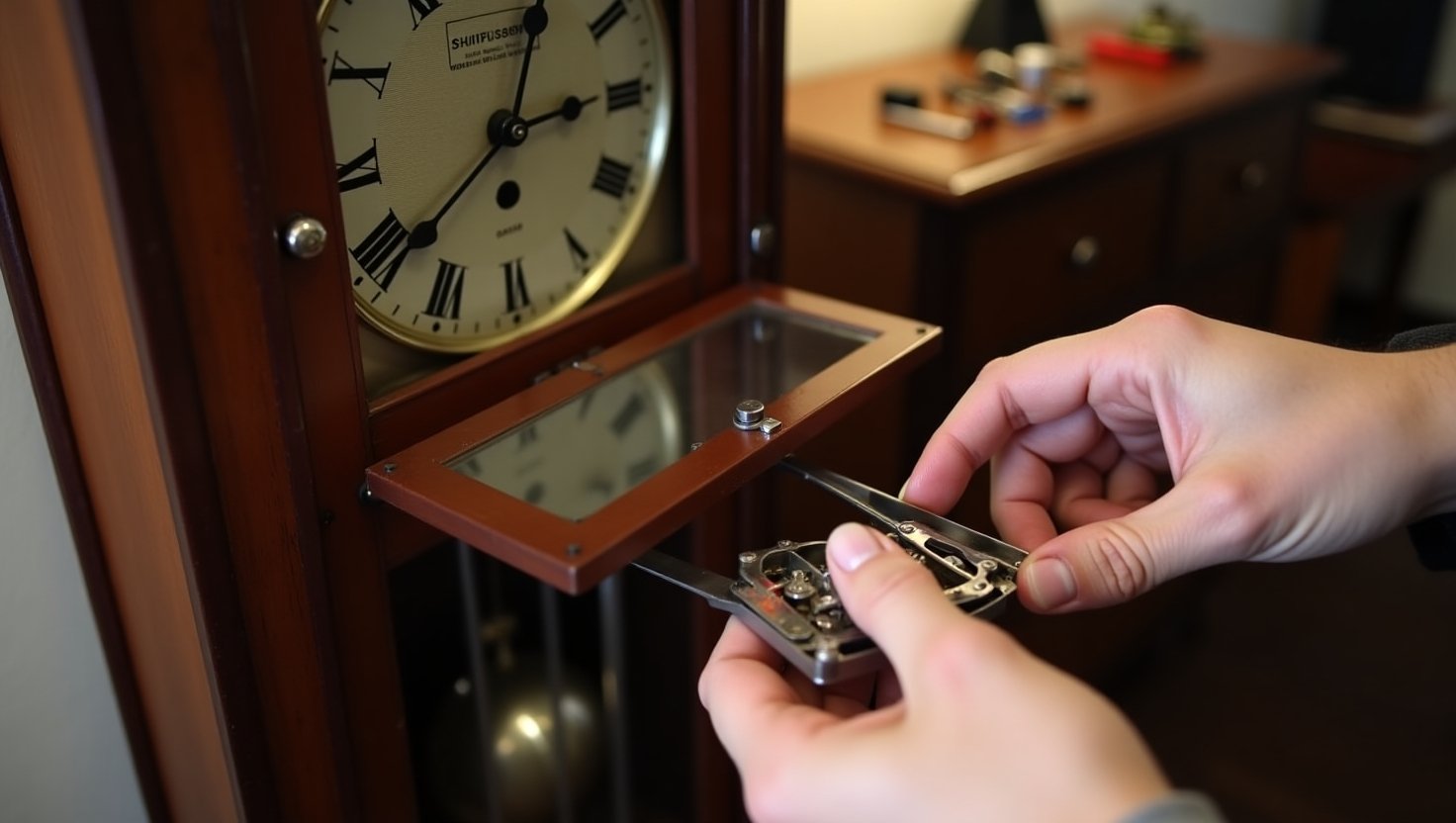
How to Replace Grandfather Clock Quartz Pendulum Mechanism
1. Grandfather Clock Maintenance
1.1 Why Regular Maintenance Matters
Grandfather clocks are more than just timekeepers; they’re heirlooms, centerpieces, and historical treasures. Like any mechanical object, they require regular attention to ensure they function properly and retain their charm. Dust, temperature changes, and wear over time can interfere with their movement and chimes. By cleaning, oiling, and checking their internal parts every few months or annually, you avoid more serious repairs down the line. Ignoring routine maintenance can cause the mechanism to jam or lose accuracy, which often leads to higher repair costs. Think of it like a car; smooth performance comes from timely upkeep.
1.2 Common Issues in Grandfather Clocks
Many clock owners begin to notice small irregularities, like the clock slowing down or the chimes striking at odd times. These may seem minor, but can indicate internal damage or worn-out parts. Loose hands, weak pendulums, stuck gears, or misaligned chimes are common problems. Sometimes, even the environment, such as humidity or vibrations, can throw off the mechanism. Most of these issues build up slowly, so it’s important to catch them early. If the clock is no longer keeping consistent time or the pendulum isn’t swinging freely, it’s time to inspect the mechanism or consider replacing it.
1.3 Importance of Quality Replacement Parts
When it comes time to replace any part of a grandfather clock, using high-quality replacements is critical. Inferior parts may not fit correctly, wear out faster, or affect the clock’s sound and timekeeping. A well-made movement ensures smoother operation, accurate chiming, and longer life for your clock. For example, a quartz pendulum mechanism not only restores the clock’s rhythm but also simplifies maintenance compared to older mechanical systems. Investing in quality parts like those from reputable brands gives peace of mind and preserves the value of your clock for future generations.
2. Signs Your Grandfather Clock Needs a Mechanism Replacement
2.1 Inaccurate Timekeeping
One of the earliest signs of a worn-out clock mechanism is its inability to keep accurate time. If you’re finding that the clock is consistently behind or ahead despite regular adjustments, it may not be a simple calibration issue. The internal gears might have become worn, or the motor could be losing power. Quartz movements, for instance, tend to provide consistent timekeeping, but when they begin to fail, they usually become unpredictable. This is a strong indicator that a full mechanism replacement is necessary to restore your clock’s reliability.
2.2 Chimes Not Working Correctly
The soothingWestminster chimes are a beloved feature of grandfather clocks. If your clock no longer chimes at the correct time, or stops chiming altogether, this points to a malfunction in the chime system or its trigger mechanism. This might be caused by dirt accumulation, a faulty music box, or a damaged striker. Sometimes the clock chimes out of sync, playing at the wrong hour or in broken sequences. Replacing the movement with a modern quartz chime system can bring back the charm of perfectly timed melodies and solve this problem entirely.
2.3 Pendulum Movement Issues
A pendulum that stops swinging randomly or doesn’t move at all usually reflects a deeper mechanical issue. The suspension spring might be broken, the movement out of alignment, or the pendulum may be dragging against the case. These problems often emerge after years of use or if the clock has been moved without proper setup. Without a functional pendulum, the rhythm of the clock collapses. Switching to a pendulum-compatible quartz movement can revive the swing and stabilize the entire timekeeping system.
3. Understanding Quartz Pendulum Trigger Mechanisms
3.1 What is a Quartz Pendulum Mechanism?
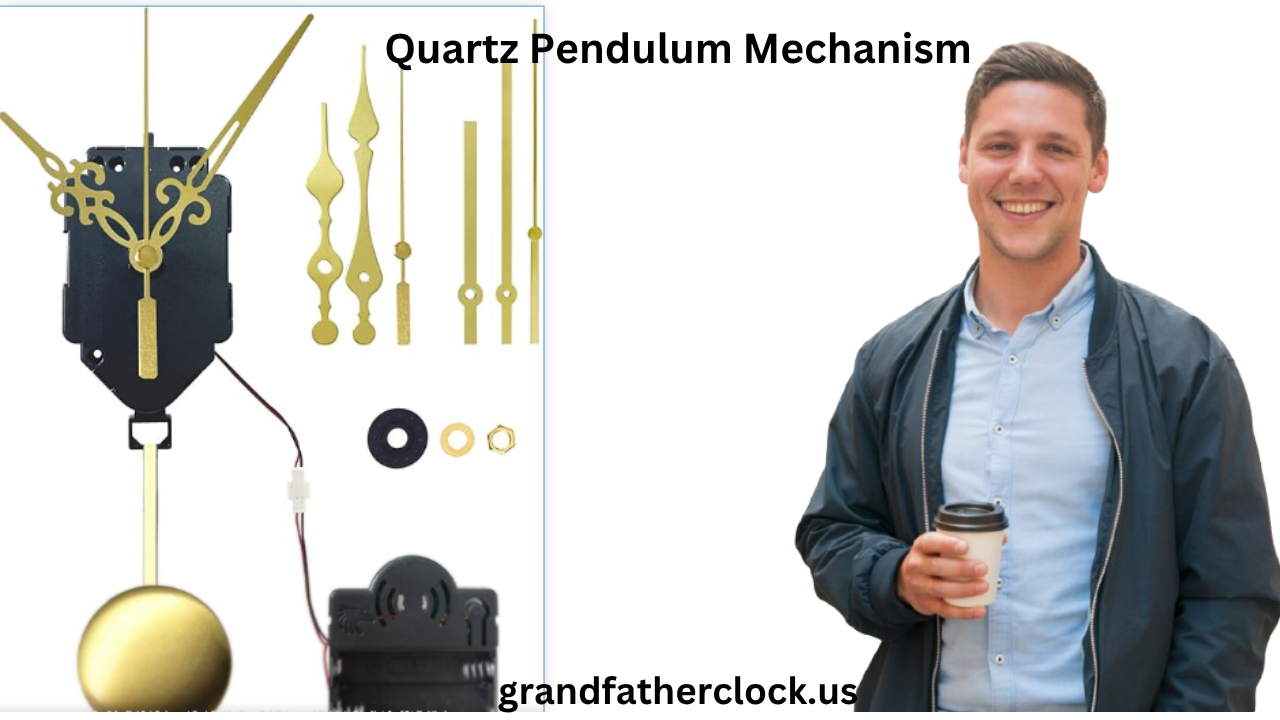
A quartz pendulum mechanism combines the modern reliability of quartz timekeeping with the traditional look of a swinging pendulum. Unlike mechanical movements, it doesn’t rely on winding or weights but instead runs on batteries, making it low-maintenance and highly accurate. The pendulum in these setups is decorative, moved by an electronic trigger rather than gravity. This makes them perfect for those who want the classic grandfather clock experience without the need for constant manual adjustments. They offer the best of both worlds, precision and nostalgia, without the hassle.
3.2 Difference Between Quartz and Mechanical Movements
Mechanical movements operate through gears and springs, requiring regular winding and detailed maintenance. They’re admired for their craftsmanship but can be sensitive to wear and environmental changes. Quartz movements, by contrast, rely on a vibrating quartz crystal powered by batteries. They’re more resistant to fluctuations, cost-effective, and require far less upkeep. While traditionalists may prefer the mechanics of an old-school clock, quartz movements are ideal for those seeking practicality and peace of mind. For many, the slight trade-off in authenticity is worth the gain in stability and ease.
3.3 Benefits of Upgrading to Quartz Mechanism
Switching to a quartz movement can breathe new life into an old clock. First, you eliminate the need for frequent winding and reduce the chances of timing errors. Second, quartz movements often include features like automated hourly chimes, night-time silence modes, and easy battery replacements. For households where simplicity and consistency matter, such as those with children or seniors, this upgrade brings convenience and peace. Plus, modern quartz kits often come with all necessary parts, including hands and pendulums, making installation smooth and user-friendly.

4. Step-by-Step Guide to Replacing the Clock Mechanism
4.1 Removing the Old Clock Mechanism
Before you begin, always remove the battery and ensure the clock is stable on a flat surface. Open the back panel carefully and locate the screws or clips holding the old movement in place. Use a screwdriver to gently loosen them. Next, detach the clock hands by pulling them upward slowly; do not twist, as that may damage the shaft. If the pendulum is connected, lift it straight up from the suspension spring. Once all parts are removed, clean the panel surface using a dry cloth. Keeping the area dust-free ensures the new mechanism fits securely without obstruction.
4.2 Installing the Quartz Pendulum Trigger Mechanism
Unpack your new quartz mechanism and match the shaft length with the thickness of your clock panel. Insert the shaft from the back through the clock face, ensuring it fits snugly. Secure it with the provided washer and nut. Then, connect the new hour, minute, and second hands, making sure they are aligned at 12:00 for accurate calibration. For pendulum models, attach the pendulum hook to the trigger arm provided. Lastly, install the batteries in the appropriate slots. Ensure the movement is flush against the back panel so there’s no wobble, which could affect performance.
4.3 Testing the New Setup
Once the mechanism is installed, it’s time to test everything. Set the clock to the correct time and observe if the hands move smoothly. Listen carefully for the hourly chime; if your model includes the Westminster melody, it should play at the top of the hour. Watch the pendulum to ensure it swings freely without interruption. If the movement hesitates or the chime doesn’t sync with the hour, double-check battery placement and hand alignment. Keep the clock running for at least 24 hours before wall mounting to confirm stability and accuracy.
5. How to Choose the Right Shaft Length and Clock Hands
5.1 Measuring Shaft Length for Your Clock Panel
The shaft length determines how well the clock mechanism fits your clock face. First, measure the thickness of your clock panel using a caliper or ruler. Most quartz movements come in shaft lengths like 17mm or 22.5mm, ideal for panels between 3mm and 6mm thick. Be sure to measure from the front of the movement base to the tip of the shaft. If it’s too short, the hands won’t fit properly. If it’s too long, it may look awkward and interfere with the front glass. Choosing the correct length ensures a perfect fit and smooth operation.
5.2 Selecting Clock Hands that Match Your Style
Clock hands come in various shapes and sizes, ornate, minimalistic, vintage, or modern. When choosing hands, make sure their length suits your clock face diameter. Oversized hands on a small face can look cluttered, while tiny hands on a large clock will be hard to read. Also, consider the color; black or gold hands often work best for contrast. Ensure they are compatible with the shaft size of your new mechanism. A good visual balance between hands and dial brings elegance and clarity, enhancing both readability and appearance.
5.3 Compatibility Tips for Smooth Functioning
Even the best movement will fail if the parts aren’t compatible. Make sure the clock hands have the correct mounting hole size for your quartz shaft. Check if the pendulum trigger arm matches the length and weight of your pendulum. Don’t mix parts from different brands unless they are marked as universally compatible. Also, ensure the movement fits within the cavity of your clock case without needing extra force. Double-check the thread length; this small detail can make installation easier and more secure. Compatibility reduces wear and ensures long-term stability.
6. Enhancing the Look and Sound of Your Grandfather Clock
6.1 Adding the Westminster Chime Music Box
The iconic Westminster chime adds character and charm to your grandfather clock. Many quartz kits include a built-in music box that plays a melody every hour. Some even offer nighttime silence modes, ensuring the melody doesn’t disturb your sleep. When installing, place the music box securely in a vibration-free section of the case to avoid rattling. You’ll appreciate the clear, pleasant tones it creates, similar to traditional chime rods but easier to manage. This feature alone can transform a silent clock into a centerpiece that delights with every hour.
6.2 Choosing the Right Pendulum Design
The pendulum is more than a swinging accessory—it defines the visual rhythm of the clock. Choose a pendulum length and style that complements your case. For example, a longer, slim pendulum looks graceful in a tall clock, while a compact design suits smaller cases. Materials like brass or gold-tone finishes add elegance, while simple matte options offer a modern touch. The motion of the pendulum can be soothing to watch, and it reflects the passage of time beautifully. With the right design, your clock feels alive and authentic.
6.3 Tips to Improve Sound and Performance
To get the best audio and performance from your new mechanism, position your clock away from soft furnishings like curtains or carpets that absorb sound. Solid surfaces amplify the chimes better. Make sure the clock case is firmly closed; loose panels can cause sound distortion. Use fresh, high-quality AA carbon batteries for steady performance. Avoid alkaline or rechargeable batteries, as they can create voltage spikes that affect quartz movements. These small adjustments make a noticeable difference in how clearly your clock chimes and how accurately it keeps time.
7. Common Issues and How to Troubleshoot Them
7.1 Clock Not Keeping Accurate Time
If your clock starts losing or gaining time, don’t panic; this is a common issue. First, check the battery and make sure you’re using a carbon AA battery, not an alkaline or rechargeable one. Weak batteries are often the root cause. Next, examine the alignment of the clock hands. If they’re touching or rubbing against each other or the clock face, they’ll create friction and slow the movement. Also, ensure the clock is placed on a level surface; a tilted angle can affect the pendulum swing and internal balance. A steady base and the right battery usually solve this quickly.
7.2 Chimes Not Working or Out of Sync
When your Westminster chimes don’t ring, or ring at the wrong time, it can ruin the whole charm. The first thing to check is whether the music box has its own batteries; they are usually separate from the clock movement. Ensure they are fresh and inserted correctly. If the melody plays but not at the right hour, you may need to re-sync the chime by moving the minute hand forward and letting it chime at each hour until it matches. Always turn the minute hand forward, never backward, to avoid internal misalignment. Proper syncing brings the melody back in harmony.
7.3 Pendulum Not Swinging Properly
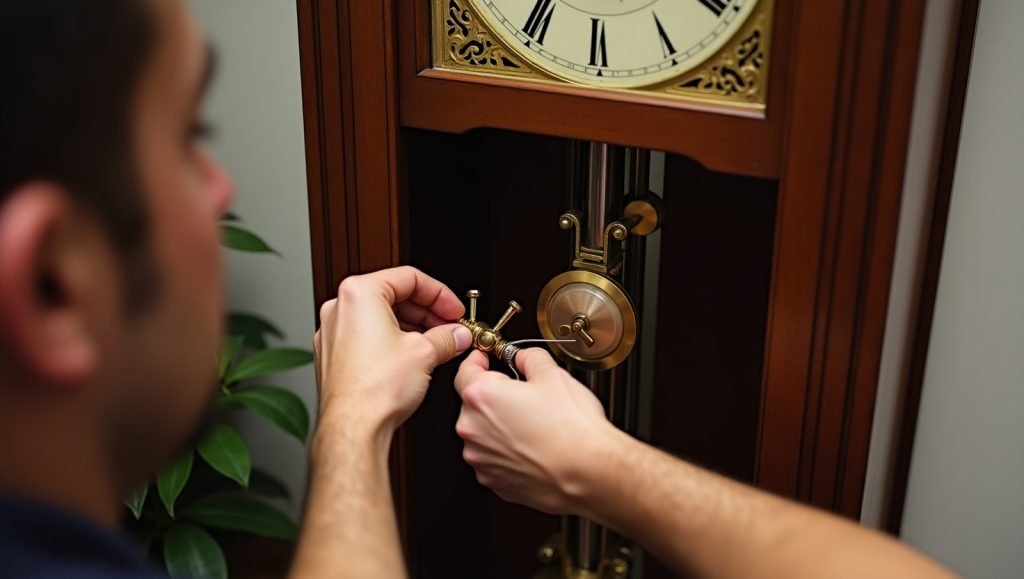
If the pendulum is not moving, first ensure it’s securely hooked into the pendulum arm. The clock must be on a flat, stable surface for consistent swinging. Sometimes the pendulum hits the back of the case or other components, which blocks motion. Adjust the position slightly to free up space. Another common issue is the shaft not being centered, causing imbalance. You can gently realign the mechanism by loosening the nut and rotating slightly until the pendulum moves freely. A gentle, steady tick-tock means it’s swinging as intended. Avoid force—precision is key here.
8. Maintenance Tips for Long-lasting Performance
8.1 Cleaning the Mechanism Regularly
Dust and dirt are enemies of smooth clock operation. It’s important to clean your clock mechanism every few months using a soft, dry brush or compressed air. Never use water or cleaning liquids, as they can damage the electronic parts. Focus on clearing the shaft area, battery compartments, and the pendulum hook. Be cautious with your hands; they’re delicate and can bend easily. Also, check for any buildup in the music box speaker holes that may muffle the chime. Regular cleaning not only keeps the clock looking nice but also ensures its internal parts remain friction-free and functional.
8.2 Checking Battery Life and Replacing Promptly
One of the most overlooked yet crucial tasks is timely battery replacement. Quartz clock movements require a steady power supply, and weak or leaking batteries can cause permanent damage. Always use carbon-zinc AA batteries and avoid leaving expired batteries inside. If you notice dim chimes, slow movement, or a delayed tick, it’s time to replace the batteries. Mark your calendar to check every 3–4 months, even if the clock seems fine. Also, avoid mixing old and new batteries, as it affects voltage balance and may cause irregular behavior in the clock mechanism.
8.3 Inspecting the Clock Hands and Dial Alignment
Sometimes, time drift or stalling happens because the clock hands are misaligned. Every few weeks, inspect the hands, especially after moving or adjusting the clock. Make sure they aren’t rubbing against each other or the surface of the dial. Check that each hand is securely fitted onto its respective shaft: the hour hand should be firmly pressed, the minute hand should be fastened with the nut, and the second hand (if present) should not wobble. Slight misalignment can cause delays or jerky motion. A quick inspection and minor adjustment can restore perfect motion and timing.
9. Where to Buy Replacement Clock Parts
9.1 Online Marketplaces for Clock Components
There are several trusted platforms where you can buy quality clock replacement parts, and Amazon is one of the most convenient. It offers a variety of kits like the Quartz Pendulum Trigger Clock Mechanism with Westminster Chime Music Box that includes clock hands, shaft options, and all necessary fittings. Before purchasing, always check the product reviews, seller rating, and whether the item ships to your location (especially important for international buyers). Some sellers also offer direct support and instructional videos. Buying from verified platforms ensures quality and the option to return faulty items with ease.
9.2 Specialty Stores and Clock Repair Shops
For more unique or vintage parts, local clock repair shops and specialty stores can be a treasure trove. These shops often carry high-grade movements, hands, dials, and pendulums that aren’t available online. Additionally, the staff usually has deep knowledge about compatibility and installation. If you’re unsure about which part suits your clock, it’s best to take your clock or photos of it to the store. In-person guidance ensures you buy exactly what you need, and some stores even offer installation or servicing at a small extra cost.
9.3 Recommended Product – Quartz Pendulum Trigger Clock Mechanism
If you’re looking for a reliable and easy-to-install option, the Quartz Pendulum Trigger Clock Mechanism with Westminster Chime Music Box is an excellent choice. It includes a 17mm shaft length movement, three sets of clock hands, and a music box with hourly chimes. This product is ideal for both hobbyists and clock repair professionals. It’s designed to fit clock panels between 3–6mm and comes with clear installation instructions. You can buy it here and enjoy both classic sound and modern convenience in one complete kit, perfect for upgrading or restoring your grandfather clock.

Conclusion: Restore Elegance and Precision to Your Grandfather Clock
Grandfather clocks aren’t just timekeeping devices; they’re timeless pieces of tradition, elegance, and craftsmanship. Whether it’s the rhythmic sway of the pendulum, the charm of the Westminster chimes, or the nostalgic design, these clocks bring life to any room. But like any mechanical marvel, they need care, the right parts, and a little attention to keep performing at their best.
If you’ve been facing issues with timing, chimes, or movement, don’t discard your clock just yet. A well-matched replacement mechanism, like the Quartz Pendulum Trigger Clock Mechanism with Westminster Chime Music Box—can breathe new life into your piece. With proper installation, routine maintenance, and a few troubleshooting tips, your clock can tick with precision for years to come.
So take the first step. Check your clock, identify what it needs, and explore high-quality replacement options. A small upgrade today can preserve a family heirloom for the next generation.
FAQs: Grandfather Clock Parts Replacement
How do I know if my grandfather clock needs a replacement mechanism?
If your clock is not keeping time accurately, the pendulum has stopped swinging, or the chimes are irregular or silent, it’s a strong sign that the mechanism might need replacement. Also, if the parts are old, worn out, or damaged, replacing the mechanism can restore the clock’s function.
Can I replace the clock mechanism myself?
Yes, many grandfather clock mechanisms, including quartz pendulum trigger types, are designed for easy replacement. With basic tools and careful handling, you can replace the mechanism by following step-by-step instructions. However, if you’re unsure, consulting a professional clock repairer is recommended.
Will the replacement mechanism fit all grandfather clocks?
Replacement parts come in different sizes and styles, so it’s important to check the shaft length and clock panel thickness before purchasing. The product mentioned here fits panels with a thickness between 3-6mm and comes in different shaft lengths (17mm or 22.5mm). Always verify your clock’s specifications.
Does the Westminster chime play automatically?
Yes, the Westminster chime music box is designed to play melodies automatically on the hour between 6:00 AM and 9:00 PM and remains silent from 10:00 PM to 5:00 AM, ensuring no disturbance during night hours.
What type of batteries does the mechanism require?
The clock movement typically uses a 1x AA carbon battery, and the music box requires 2x AA carbon batteries. It’s best to use fresh batteries for consistent performance.
What should I do if the chime is not accurate or not working?
If the music box chimes at the wrong time or does not chime at all, first check the batteries. If the problem persists, contact the seller or manufacturer for professional guidance. They often provide support to troubleshoot and fix the issues.
















Post Comment