How to Choose the Perfect Long Wall Clock for Your Space
Antique clock specialist and lead contributor at Grandfather Clock. With over 15 years of hands-on experience in horology, I’ve helped countless collectors, homeowners, and decorators find and preserve timepieces that do more than just tell time, they tell stories. In this guide, I’ll walk you through every essential detail you need to know to choose the perfect long wall clock for your home.
What Is a Long Wall Clock?_ why Choose the Perfect Long Wall Clock
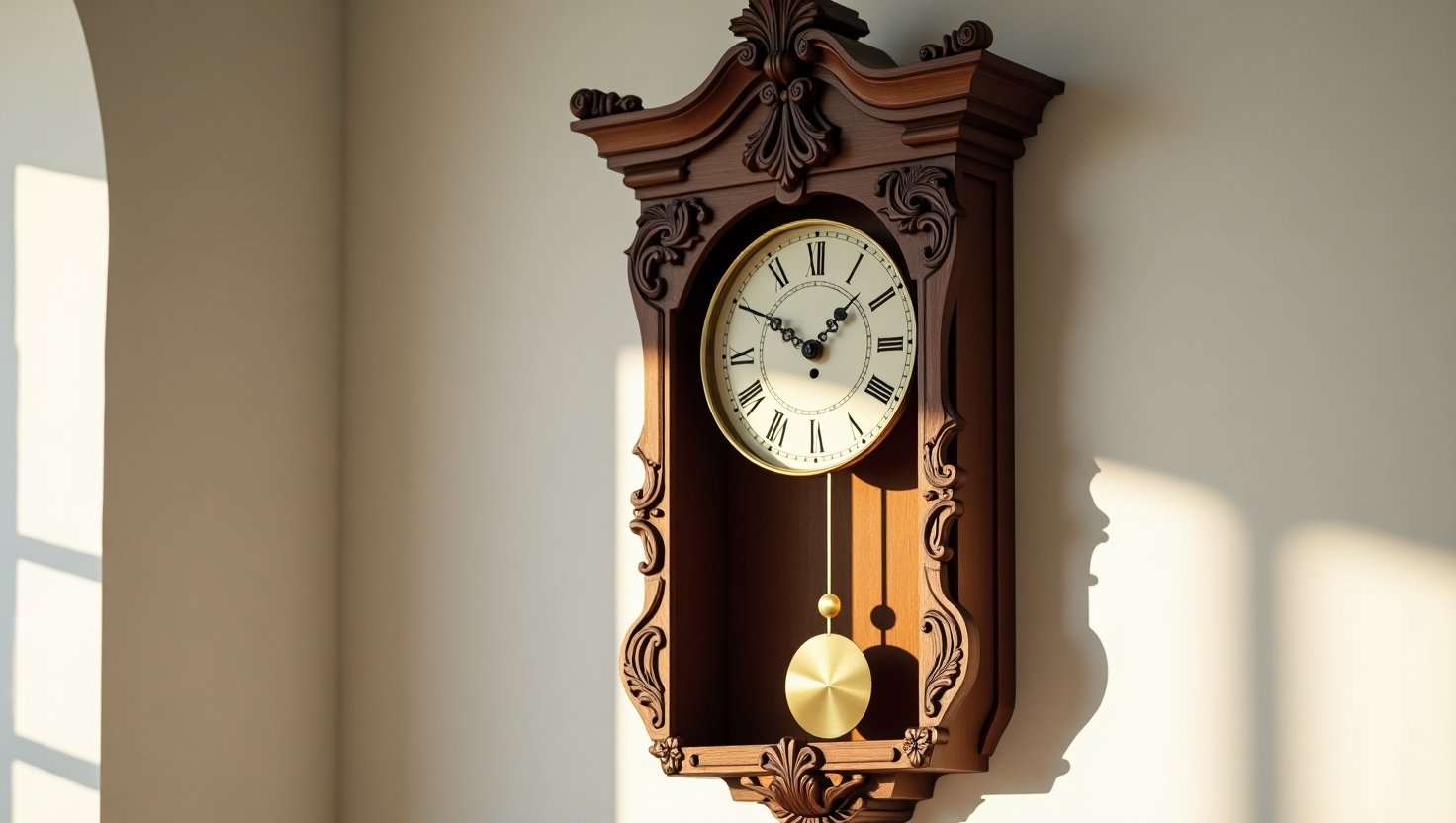
A long wall clock is a vertically elongated timepiece designed to be mounted on a wall. Typically taller than standard wall clocks, they often feature pendulums, chimes, or intricate casing details. These clocks are both functional and decorative, enhancing vertical space and adding character to a room.
They come in various styles, from vintage to contemporary, and can measure anywhere from 2 to 6 feet in height. Ideal for hallways, living rooms, and entryways, long wall clocks offer an eye-catching focal point that doubles as a practical timekeeper.
Understanding Vienna Wall Clocks – A Timeless Classic
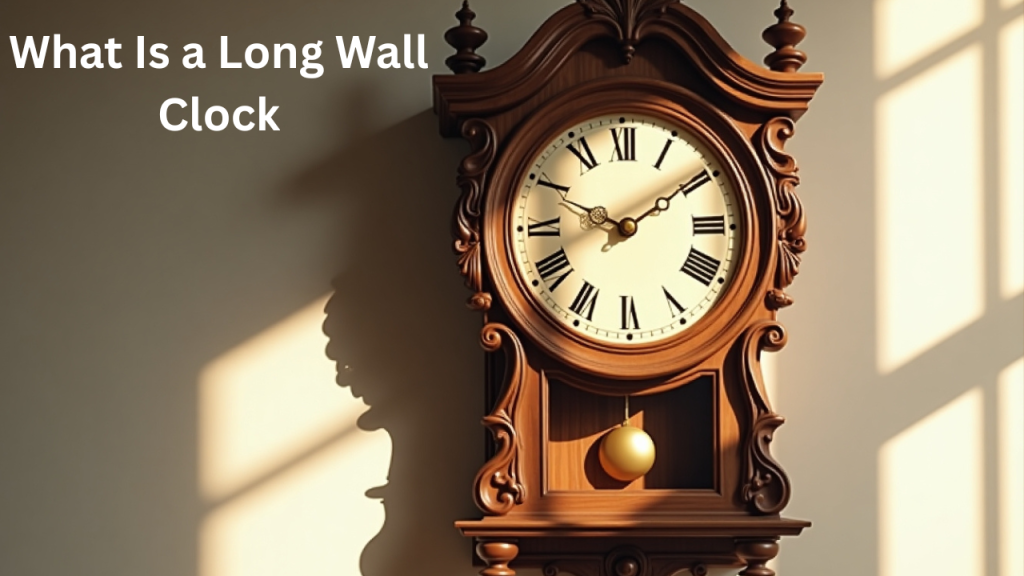
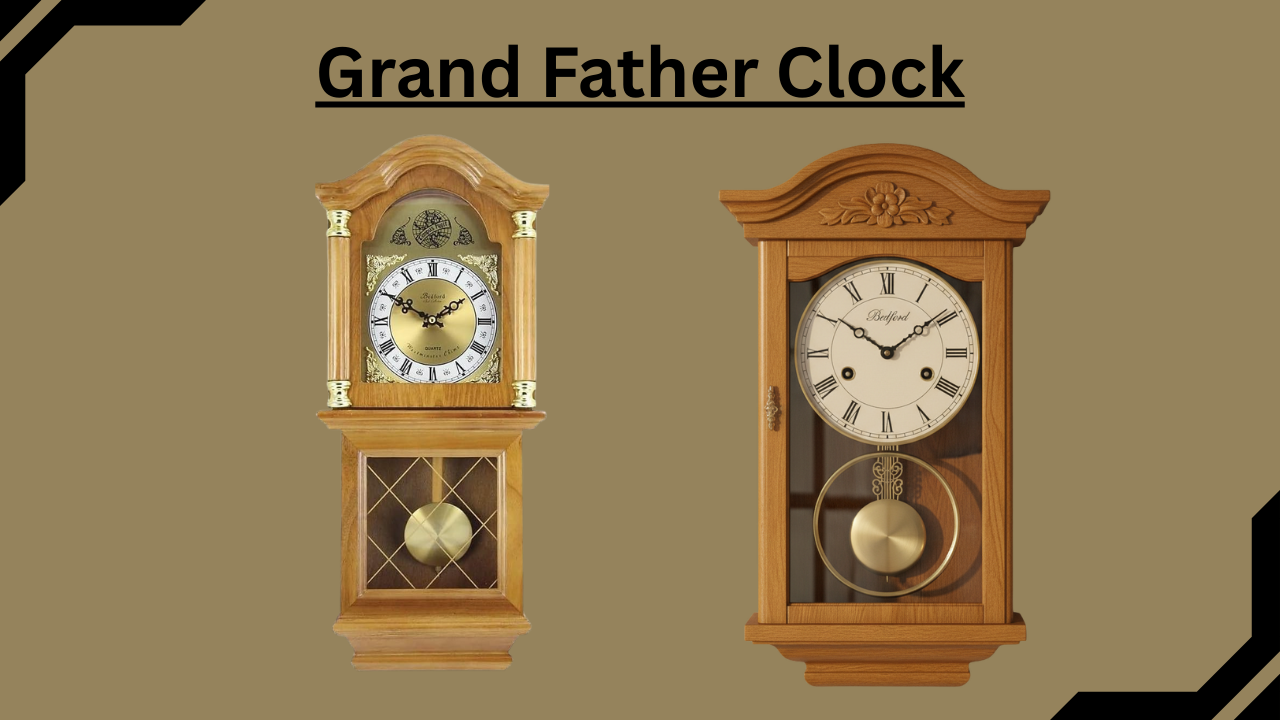
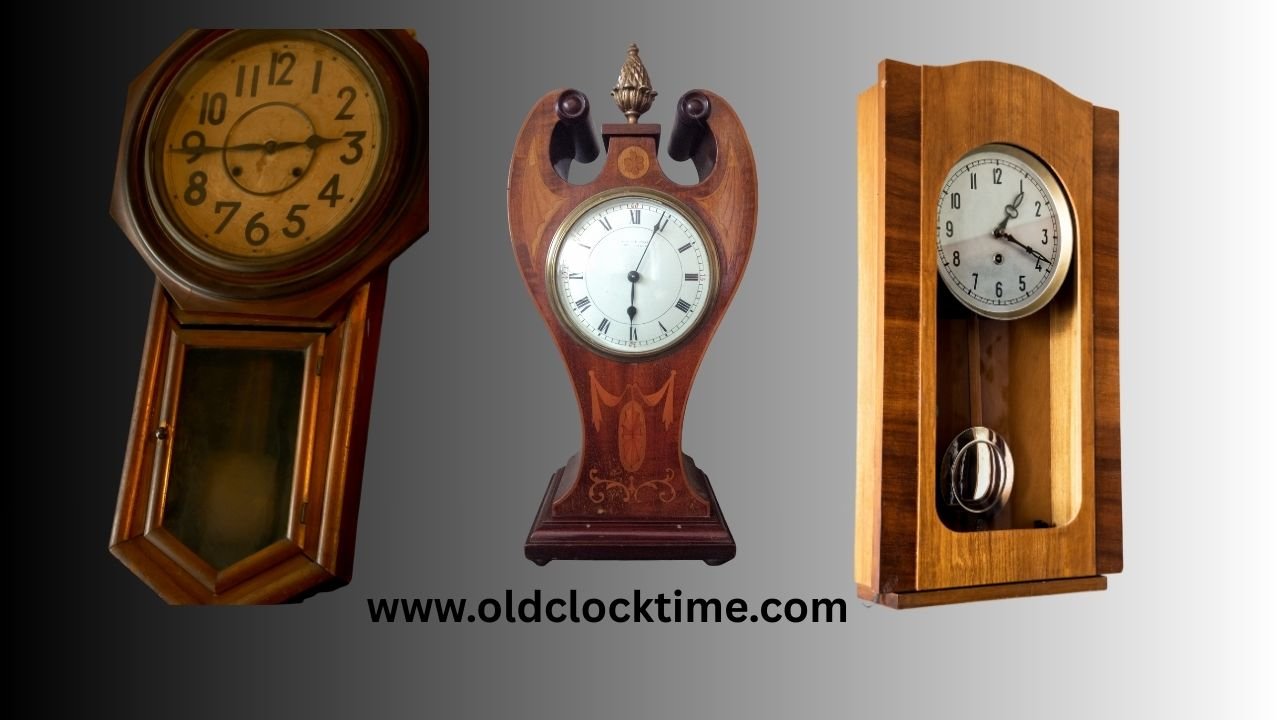
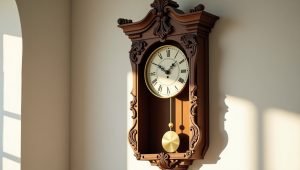
Vienna wall clocks are among the most sought-after long wall clocks, known for their precision and aesthetic charm. Originating in Austria during the 18th century, they’re often made of rich wood with a delicate glass door and visible pendulum.
I remember restoring a 19th-century Vienna regulator for a family in Ohio. They had inherited it from their grandfather but had no idea how valuable and historically significant it was. After the restoration, it became the centerpiece of their living room, not just as decor, but as a family heirloom.
Tips for Selecting the Right Long Wall Clock
Tip 1 – Consider Your Space and Purpose
Assess Room Size and Layout
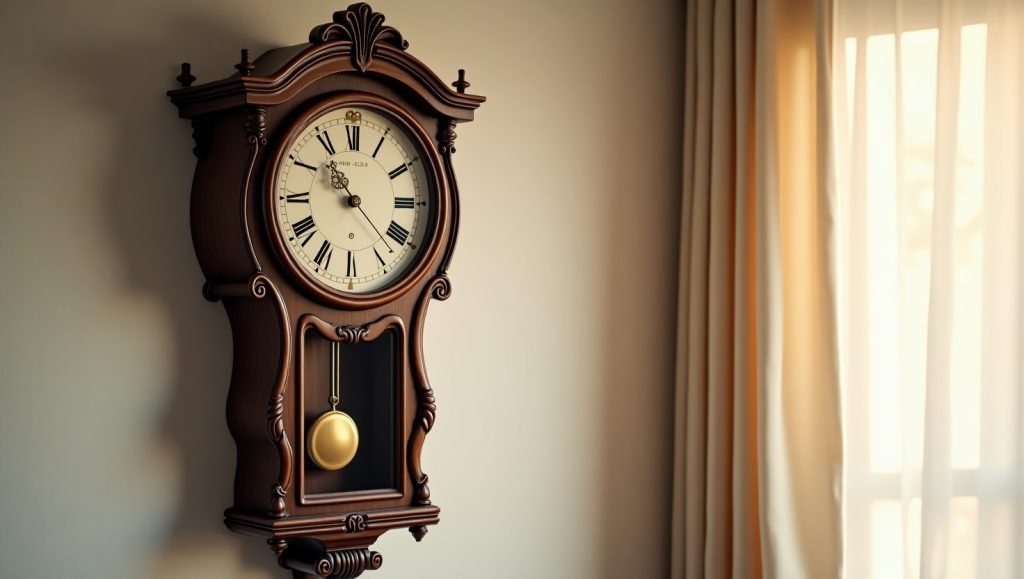
Before purchasing, take a good look at the wall where the clock will go. For tall ceilings or wide, empty walls, a long wall clock can anchor the room. Measure the height and width available to ensure it doesn’t look too small or overwhelm the space.
Purpose of the Clock (Decor vs. Function)
Decide whether you’re buying for aesthetics, function, or both. If you just need a focal point, you might choose a non-chiming decorative model. But if you’re using it to keep accurate time or fill the soundscape with chimes, then mechanical options with regulators may be ideal.
Tip 2 – Match the Clock Style with Your Interior
Classic vs. Modern Designs
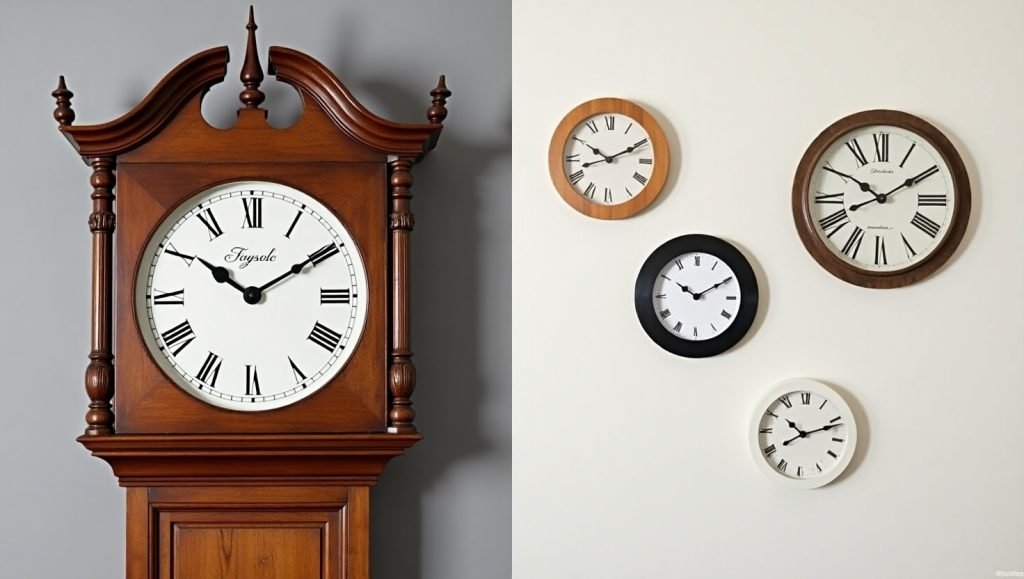
Classic designs feature ornate carvings, brass pendulums, and Roman numerals, ideal for traditional or vintage-inspired rooms. Modern designs lean toward minimalism, using sleek lines, matte finishes, and sans-serif numbers.
Materials and Finishes (Wood, Metal, Glass)
- Wood: Oak, walnut, cherry – great for traditional interiors
- Metal: Brushed steel or iron – ideal for industrial spaces
- Glass: Light, airy touch – suits modern or transitional decor
Popular Color Choices for Long Wall Clocks
- Black: Bold and dramatic
- White: Clean and minimalist
- Natural Wood: Warm and timeless
- Gold/Bronze: Elegant and antique-inspired
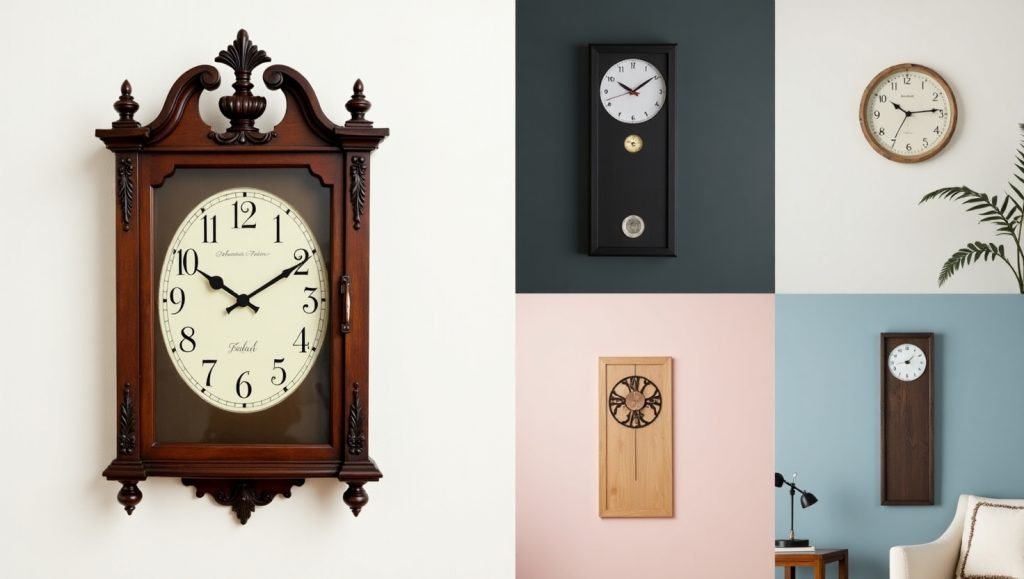
Tip 3 – Get the Right Size and Proportion
Best Sizes for Tall Walls
For rooms with ceilings above 9 feet, clocks that are 36 inches or taller usually fit well. If the ceiling is lower, opt for slim and elongated designs to avoid clutter.
How to Balance Clock with Other Wall Decor
- Keep at least 6–8 inches between the clock and nearby artwork
- Avoid placing it directly above large furniture
- Use it as a centerpiece and keep the surrounding decor minimal
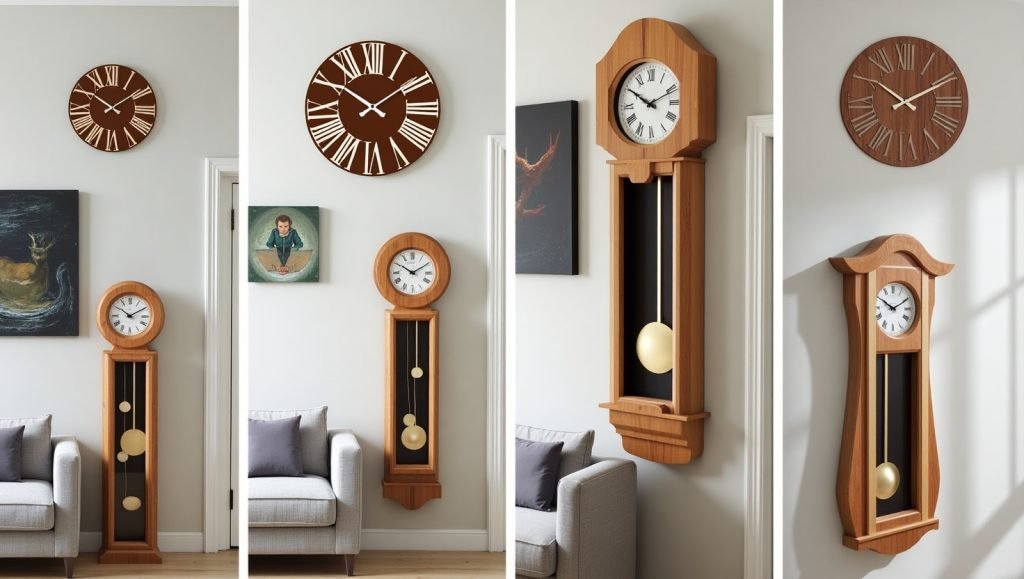
Tip 4 – Prioritize Readability and Useful Features
Dial Type and Number Style
- Roman Numerals: Elegant but sometimes hard to read from a distance
- Arabic Numerals: Clear and functional
- No Numbers: Minimalist, but may reduce usability
Additional Features (Chimes, Pendulums, Lights)
- Chimes: Westminster or Whittington melodies add character
- Pendulums: Traditional charm, also aid time regulation in mechanical models
- Backlights or Glow-in-Dark Dials: Useful for low-light environments
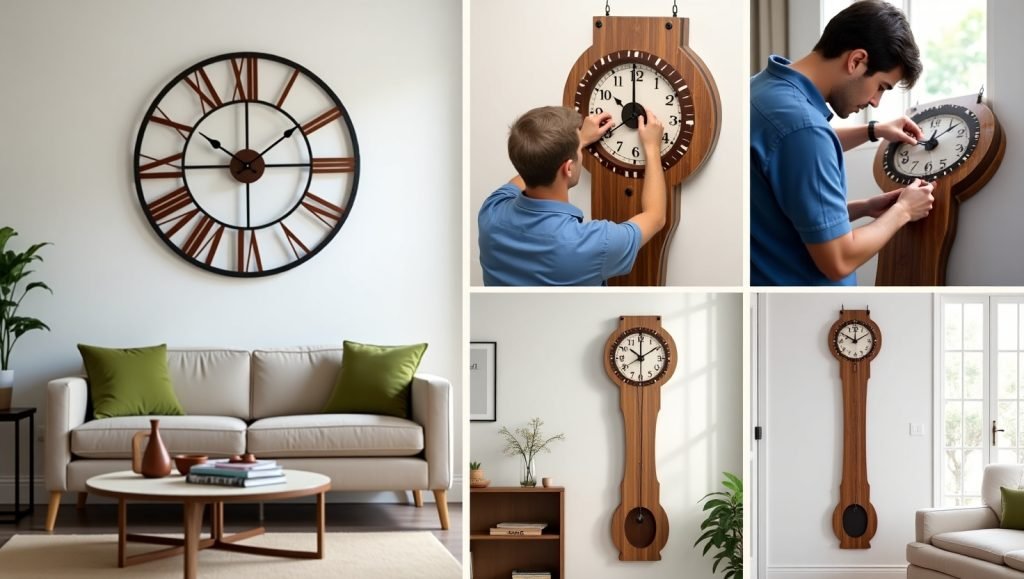
Tip 5 – Focus on Quality and Durability
Build Material and Craftsmanship
Look for hand-finished wood, solid metal components, and high-quality glass. Machine-made models may lack longevity.
Trusted Brands and Warranty Info
- Howard Miller – Top-tier craftsmanship
- Seiko – Reliable and stylish
- Hermle – German precision with classic aesthetics
Always check for a warranty, ideally 2+ years. It reflects the manufacturer’s confidence in their product.
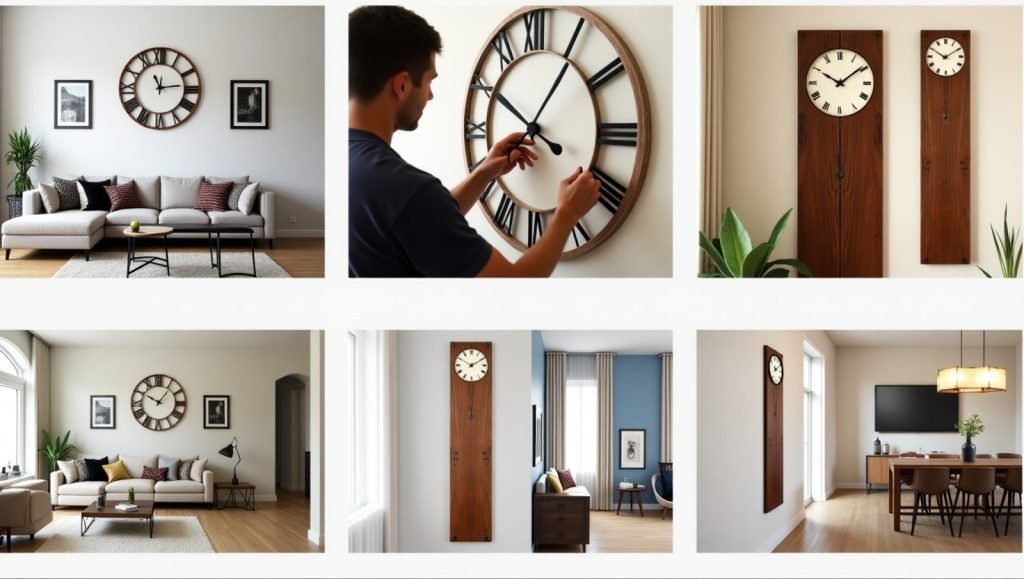
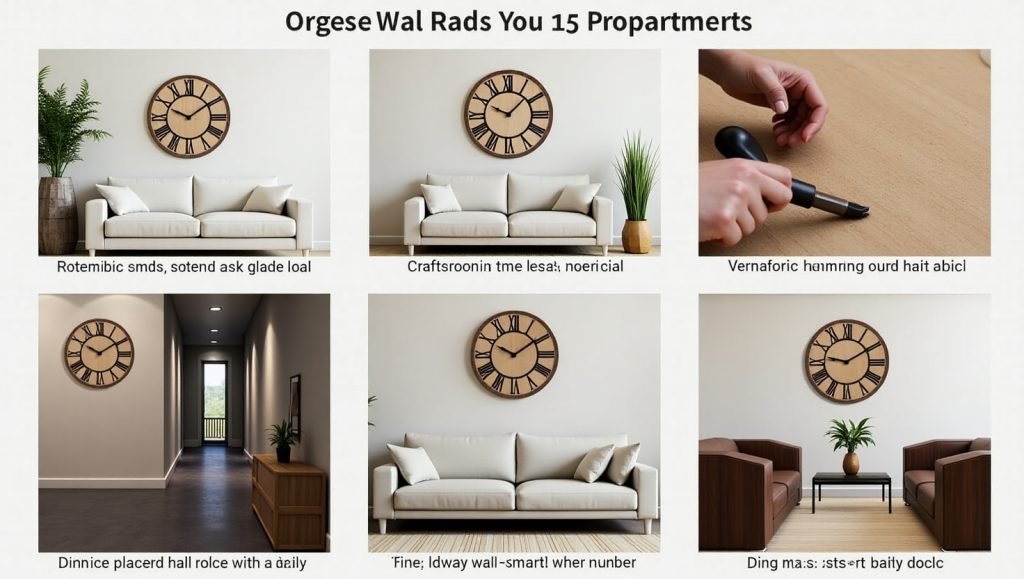
Tip 6 – Wall Clock Placement Tips
Best Locations for Style and Function
- Living Room: Above a mantle or between windows
- Entryway: Facing the front door for a strong visual impact
- Dining Area: On a blank feature wall
Safety Tips for Mounting Heavy Clocks
- Use wall studs or heavy-duty anchors
- Double-check the mounting bracket
- Never hang a heavy clock on a drywall-only surface
Common Mistakes to Avoid When Buying a Long Wall Clock
- Ignoring measurements
- Choosing style over readability
- Mounting too high or low
- Not checking the warranty or return policy
- Forgetting maintenance needs (especially for mechanical models)
Benefits of Adding a Long Wall Clock to Your Home Decor
- Enhances vertical space
- Serves as a conversation starter
- Adds rhythm with chimes or ticking sounds
- Reflects your personal style and taste
- Increases property aesthetics and perceived value
Top 5 Long Wall Clocks by Howard Miller
| Model Name | Style | Features | Ideal Room |
|---|---|---|---|
| Oversized Clock | Industrial | Large dial, bold numerals | Loft or hallway |
| Traditional Clock | Vintage | Cherry wood, Westminster chime | Living Room |
| Modern Clock | Minimalist | Clean lines, metal frame | Office or bedroom |
| Analog Clock | Classic | Easy-read dial, pendulum | Kitchen or den |
| Mora Wall Clock | Scandinavian | Tall and narrow, neutral colors | Entryway |
Frequently Asked Questions (FAQs)
1. What is the ideal height to hang a long wall clock?
The best height is at eye level or slightly above, generally between 60 and 66 inches from the floor to the center of the clock. For rooms with high ceilings, you can hang it a bit higher for better visibility.
2. Are long wall clocks suitable for every room?
In most cases, yes. Long wall clocks work well in living rooms, dining areas, hallways, and offices. However, avoid placing them in high-humidity areas like bathrooms unless the clock is specifically designed to resist moisture.
3. Which is better: battery-operated or mechanical long wall clocks?
- Battery-operated clocks are low-maintenance, affordable, and highly accurate.
- Mechanical clocks require manual winding but provide a traditional ticking sound and heirloom charm.
Choose based on your preference for convenience or classic craftsmanship.
Final Thought
Choosing the right long wall clock isn’t just about keeping time; it’s about capturing a feeling. Over the years, I’ve seen how a well-placed clock can change the soul of a room. Whether it’s the echo of a chime in a quiet hallway or the warmth of aged wood in a family space, these pieces tell more than hours; they tell stories. Trust your instincts, measure with care, and above all, choose aclock that speaks to your home’s heart. Because when time is displayed beautifully, every moment becomes a little more meaningful.




Post Comment