
Have you ever walked into an antique shop and wondered about those towering timepieces standing majestically in the corner? While most people recognize grandfather clocks, fewer know about their elegant counterpart – the grandmother clock.
When my neighbor inherited her great-aunt’s antique clock collection last year, she was puzzled by two similar-looking longcase clocks of different heights. “Are they both grandfather clocks?” she asked. That question sparked my journey into understanding these fascinating timepieces, and today I’m sharing everything I’ve learned about the distinctive characteristics that set grandfather clocks apart from grandmother clocks.
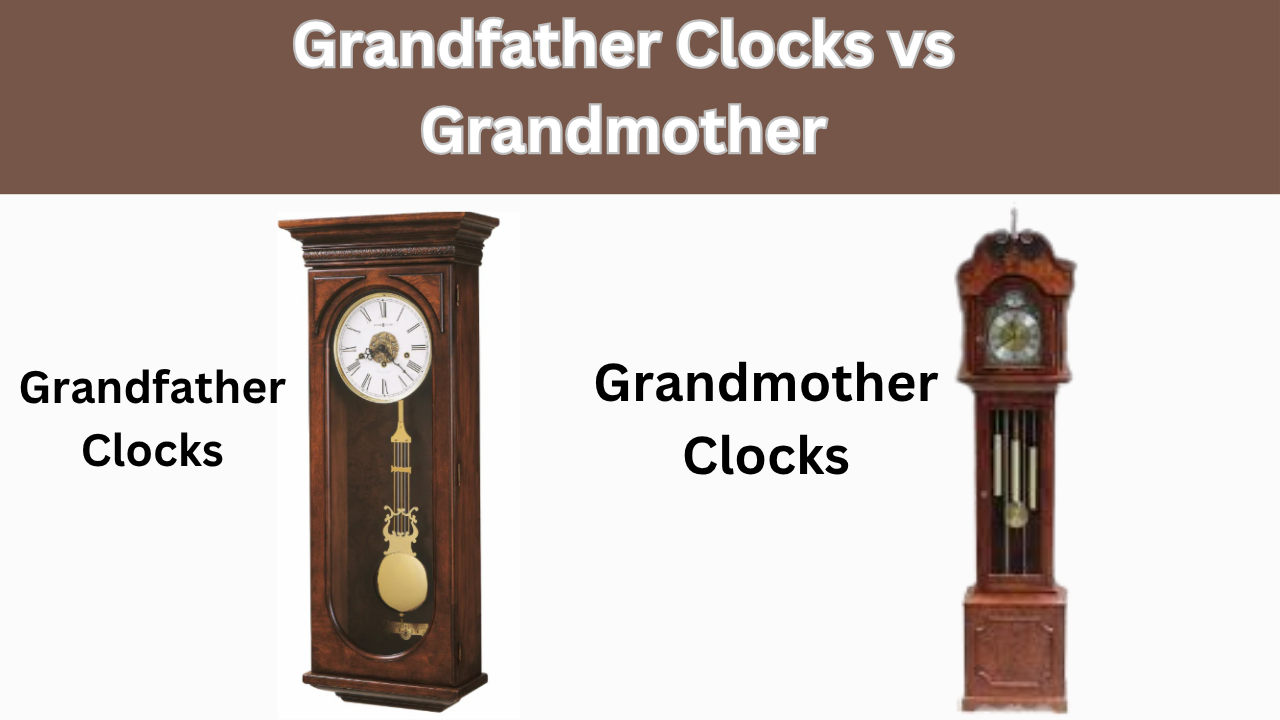
What Are Grandfather and Grandmother Clocks?
Before diving into differences, let’s establish what these clocks actually are. Both belong to the family of longcase clocks – tall, freestanding timepieces with pendulums housed in wooden cases. The terms “grandfather” and “grandmother” aren’t just whimsical names; they reflect specific size categories that developed over centuries of clockmaking tradition.
These magnificent timepieces represent the pinnacle of mechanical clockmaking artistry. Each one is essentially a vertical cabinet containing a complex system of weights, gears, and pendulums that work together in perfect harmony. The wooden case isn’t just decorative – it protects the delicate mechanism while providing acoustic properties that enhance the clock’s chime quality.
The story behind these names is quite charming and rooted in popular culture. “Grandfather clock” became popular after Henry Clay Work’s 1876 song “My Grandfather’s Clock,” which told the tale of a clock that worked faithfully for ninety years. The song was inspired by a real clock at the George Hotel in Yorkshire, England, and its popularity made the term stick in American culture.
“Grandmother clock” emerged later as clockmakers recognized a market need for more compact versions suitable for smaller Victorian homes. As families moved from grand estates to more modest dwellings, clockmakers adapted their designs to fit changing lifestyles. This practical evolution led to a distinct category of clocks that maintained the elegance and functionality of their larger counterparts while being more proportionate for everyday living spaces.
The craftsmanship involved in creating both types is extraordinary. Master clockmakers spend years learning to cut gears by hand, balance pendulums with precision, and create cases that will last for generations. Many of these skills have been passed down through families of clockmakers, creating traditions that span centuries.
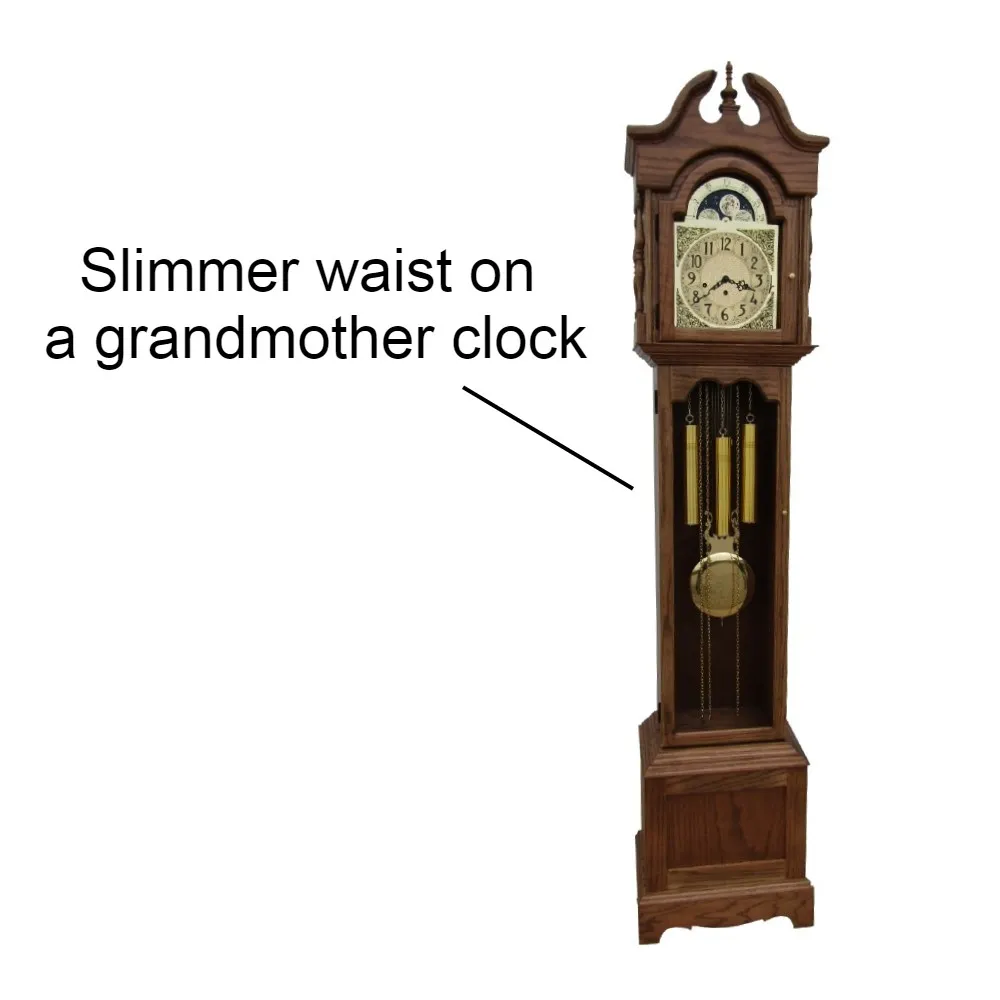
10 Major Differences Between Grandfather and Grandmother Clocks
1. Height: The Most Obvious Distinction
The height difference between these two types of clocks is immediately noticeable and significantly impacts their presence in any room. This isn’t just a cosmetic difference – it affects everything from the clock’s mechanical performance to its suitability for different living spaces.
Grandfather Clocks:
- Stand 6 to 8 feet tall (typically 72-96 inches)
- Some antique models reach up to 9 feet
- Require high ceilings and spacious rooms
- Command attention and dominate room aesthetics
- Need clearance for case opening and pendulum access
The impressive height of grandfather clocks serves multiple purposes beyond visual impact. The extra length allows for longer pendulums, which naturally swing more slowly and provide better timekeeping accuracy. The taller case also accommodates longer weight drops, meaning the clock can run for extended periods between windings – some premium models can run for an entire month on a single winding.
Grandmother Clocks:
- Range from 5 to 6 feet tall (60-72 inches)
- More proportionate for average ceiling heights
- Fit comfortably in most modern homes
- Integrate seamlessly with existing furniture
- Easier to position and relocate if needed
The more modest height of grandmother clocks makes them incredibly versatile. They can fit under most standard staircases, work well in hallways without blocking sightlines, and can be positioned near windows without interfering with curtains or blinds. This practicality has made them increasingly popular in contemporary homes where space is at a premium.
Real-life example: When I helped my friend choose between the two for her 8-foot ceiling living room, the grandmother clock looked perfectly proportioned, while the grandfather clock seemed to dominate the entire space. The grandmother clock allowed her artwork and other decorative elements to shine, while still providing that coveted longcase clock presence she desired.
2. Case Width and Overall Proportions
The proportional differences between these clocks extend far beyond simple height measurements. The case width and overall dimensions create distinctly different aesthetic experiences and functional requirements that potential buyers must carefully consider.
Grandfather Clocks:
- Wider cases (typically 18-24 inches)
- More substantial, imposing presence
- Heavier construction (often 100+ pounds)
- Deeper cases to accommodate larger movements
- More elaborate base designs with curved or carved details
The substantial width of grandfather clocks serves both aesthetic and functional purposes. The broader case provides stability for the taller structure and houses more complex movement mechanisms. Many grandfather clocks feature elaborate base sections with storage compartments for weights and pendulum accessories. The wider profile also allows for more decorative elements, such as applied moldings, inlaid patterns, and carved details that showcase the craftsman’s skill.
Grandmother Clocks:
- Narrower profiles (usually 12-18 inches)
- More delicate, refined appearance
- Lighter weight (typically 60-80 pounds)
- Streamlined design philosophy
- Focus on elegant proportions rather than imposing bulk
The narrower proportions of grandmother clocks create a completely different aesthetic experience. They appear more graceful and refined, often featuring cleaner lines and less ornate decoration. This streamlined approach doesn’t mean they lack character – many grandmother clocks showcase exquisite woodworking techniques, with beautiful grain patterns and subtle decorative elements that reward closer inspection.
The weight difference between the two types has practical implications for installation and maintenance. While grandfather clocks often require professional movers for relocation, most grandmother clocks can be moved by two careful adults, making them more flexible for homeowners who might want to rearrange their living spaces.
3. Pendulum Length and Swing
The pendulum is truly the heart of any longcase clock, and the differences in pendulum specifications between grandfather and grandmother clocks create distinctly different timekeeping characteristics and visual experiences. Understanding these differences is crucial for anyone considering either type of clock.
Grandfather Clocks:
- Longer pendulums (up to 39 inches)
- Slower, more dramatic swing
- Deeper, resonant ticking sound
- Superior timekeeping accuracy due to longer arc
- More mesmerizing visual rhythm
The extended pendulum length in grandfather clocks isn’t just for show – it serves important functional purposes. Longer pendulums naturally swing more slowly, and this slower beat contributes to better long-term accuracy. The physics principle involved is simple: longer pendulums have longer periods, making them less susceptible to minor disturbances that might affect shorter pendulums. This is why many astronomical observatories historically used very long pendulum clocks for precise timekeeping.
The visual impact of watching a long pendulum swing is truly captivating. There’s something almost hypnotic about the steady, measured movement that has fascinated people for centuries. Many owners find themselves pausing to watch their grandfather clock’s pendulum, finding it a source of meditation and calm in our increasingly hectic world.
Grandmother Clocks:
- Shorter pendulums (typically 24-32 inches)
- Quicker, more subtle swing
- Higher-pitched, gentler ticking
- Adequate accuracy for household timekeeping
- Less visually dominant presence
Grandmother clocks, with their shorter pendulums, create a completely different temporal experience. The quicker swing creates a more energetic feeling, and the higher-pitched tick often blends more seamlessly into household background sounds. This can be particularly advantageous in bedrooms or study areas where a slower, more prominent tick might be distracting.
The shorter pendulum also means the clock requires less clearance around its case, making it easier to position in tight spaces or corner locations where a grandfather clock’s pendulum might interfere with nearby furniture or walls.
4. Movement Complexity and Features
The internal mechanisms of these clocks reveal some of the most significant differences between grandfather and grandmother clocks. These mechanical differences affect not only functionality but also long-term maintenance requirements and overall value.
Grandfather Clocks:
- Often feature elaborate movements with multiple functions
- Multiple chimes (Westminster, Whittington, St. Michael’s)
- Moon phase displays, calendars, and other complications
- 8-day or even 31-day movements in premium models
- Automatic night shutoff features on many models
- Temperature and humidity compensation mechanisms
The complexity of grandfather clock movements reflects centuries of horological advancement. Many feature triple-chime movements that can play different melodies on the quarter hours, with the famous Westminster chimes being the most popular. These elaborate chiming systems require precise gear ratios and carefully tuned bells or tubes that must be professionally maintained to preserve their beautiful sound quality.
Premium grandfather clocks often include astronomical complications such as moon phase indicators that accurately track lunar cycles. Some antique models even include equation of time mechanisms that show the difference between solar time and mean time – a feature that demonstrates the incredible sophistication of historical clockmaking.
The longer running times available in grandfather clocks come from their ability to accommodate larger weights and more efficient gear trains. Some premium models can run for a full month on a single winding, making them incredibly convenient for busy homeowners who might forget weekly maintenance routines.
Grandmother Clocks:
- Simpler, more straightforward movements
- Usually single chime option
- Focus on reliable timekeeping over complications
- Typically 8-day movements
- Fewer mechanical complications to maintain
- More affordable movement servicing
The simpler movements in grandmother clocks shouldn’t be viewed as inferior – they represent a different design philosophy that prioritizes reliability and maintainability over complexity. Many collectors appreciate the straightforward nature of grandmother clock movements, which can be more easily understood and serviced by skilled amateurs.
The single-chime systems in most grandmother clocks still provide beautiful musical accompaniment to daily life, and the reduced complexity means fewer things can go wrong over time. This translates to lower maintenance costs and longer intervals between professional servicing.
5. Price Range and Investment Value
Grandfather Clocks:
- Higher price point ($2,000-$15,000+ for quality pieces)
- Better long-term investment potential
- Stronger collectible market
- Premium brands command significant premiums
Grandmother Clocks:
- More accessible pricing ($800-$5,000 typically)
- Good entry point for clock enthusiasts
- Stable but modest appreciation
- Excellent value for money
6. Space Requirements and Room Compatibility
Grandfather Clocks:
- Need dedicated floor space (minimum 3×3 feet)
- Require rooms with high ceilings
- Best suited for formal living rooms, foyers, or studies
- Can overwhelm smaller spaces
Grandmother Clocks:
- Fit in corners and smaller spaces
- Work well in bedrooms, hallways, or dining rooms
- Complement rather than dominate room decor
- Ideal for apartments and condos
Personal insight: My grandmother’s clock (ironically, it was actually a grandmother clock!) sat perfectly in her cozy breakfast nook, where a grandfather clock would have made the space feel cramped.
7. Sound Volume and Presence
Grandfather Clocks:
- Louder, more resonant chimes
- Can be heard throughout large homes
- Some models have volume controls
- Significant presence in quiet environments
Grandmother Clocks:
- Softer, more intimate sound
- Perfect for bedrooms and smaller spaces
- Less likely to disturb sleep or conversation
- Gentle background presence
8. Maintenance and Servicing Considerations
Grandfather Clocks:
- More complex to service due to size and weight
- May require professional moving for service
- Higher maintenance costs
- Longer service intervals due to robust construction
Grandmother Clocks:
- Easier to handle and transport
- More manageable for routine maintenance
- Lower service costs
- May need more frequent attention due to smaller movements
9. Historical Significance and Collectibility
Grandfather Clocks:
- Longer manufacturing history (since 1600s)
- More prestigious makers and famous models
- Higher collectible value
- Better documented provenance
Grandmother Clocks:
- Relatively newer category (popularized in 1800s-1900s)
- Fewer famous makers
- Growing collector interest
- Often better value for beginning collectors
10. Style Variations and Design Options
Grandfather Clocks:
- Wider range of traditional styles
- More ornate case decorations
- Premium wood options (mahogany, walnut, cherry)
- Elaborate hood designs and finials
Grandmother Clocks:
- Often more understated designs
- Emphasis on proportion and elegance
- Similar wood options but simpler execution
- Streamlined aesthetic appeal
Key Similarities Between Both Clock Types
Despite their differences, grandfather and grandmother clocks share important characteristics:
Shared Construction Elements
- Both use weight-driven movements
- Similar pendulum-based timekeeping principles
- Comparable case construction techniques
- Traditional joinery and woodworking methods
Common Maintenance Needs
- Regular winding (weekly for most models)
- Periodic oiling and adjustment
- Climate-controlled environment preferences
- Professional servicing every 3-5 years
Timekeeping Accuracy
- Both can achieve excellent accuracy when properly maintained
- Similar adjustment mechanisms
- Comparable long-term reliability
- Both affected by temperature and humidity changes
Choosing Between Grandfather and Grandmother Clocks
Choose a Grandfather Clock If:
- You have high ceilings and ample floor space
- You want maximum visual impact
- You appreciate complex chimes and features
- You’re serious about collecting antique timepieces
- Budget allows for premium investment
Choose a Grandmother Clock If:
- You have limited space or average ceiling height
- You prefer subtle elegance over bold presence
- You want quality timekeeping at moderate cost
- You live in an apartment or smaller home
- You need a clock for a bedroom or intimate space
Real-World Buying Tips from Experience
After helping several friends and family members choose longcase clocks, here are practical insights:
For First-Time Buyers: Start with a grandmother clock. They’re more forgiving of placement mistakes and easier to live with daily.
For Families with Children: Consider the lower center of gravity of grandmother clocks – they’re inherently more stable.
For Investment Purposes: Grandfather clocks from recognized makers (Howard Miller, Hermle, Ridgeway) typically hold value better.
For Modern Homes: Grandmother clocks often integrate more seamlessly with contemporary decor without overwhelming the space.
Maintenance Wisdom for Both Types
Whether you choose a grandfather or grandmother clock, here’s what 20 years of clock ownership has taught me:
- Location matters more than size – avoid direct sunlight, heating vents, and high-traffic areas
- Level installation is crucial – even small deviations affect timekeeping
- Regular winding prevents problems – set a weekly reminder
- Professional relationships pay off – find a good clock repair person before you need one
Final Thoughts: Making the Right Choice
The choice between a grandfather and grandmother clock isn’t just about size – it’s about finding the right timepiece for your lifestyle, space, and aesthetic preferences. Both types offer the magical presence of mechanical timekeeping, the satisfaction of a well-crafted heirloom, and the gentle reminder of time’s passage through their rhythmic pendulum swing.
Remember, whether tall or somewhat shorter, these clocks are investments in both time and beauty. Choose the one that speaks to you, fits your space, and will bring you joy for years to come. After all, the best clock is the one you’ll wind religiously, listen to contentedly, and treasure indefinitely.
What draws you to these magnificent timepieces? Are you leaning toward the commanding presence of a grandfather clock or the refined elegance of a grandmother clock? The choice, like time itself, is entirely yours.

Pingback: How Grandmother Clocks Work in Simple 10 Steps
Pingback: Best Oil For Grandfather Clocks and Application Tips
Pingback: How to Slow Down a Grandfather Clock in 6 Simple Steps