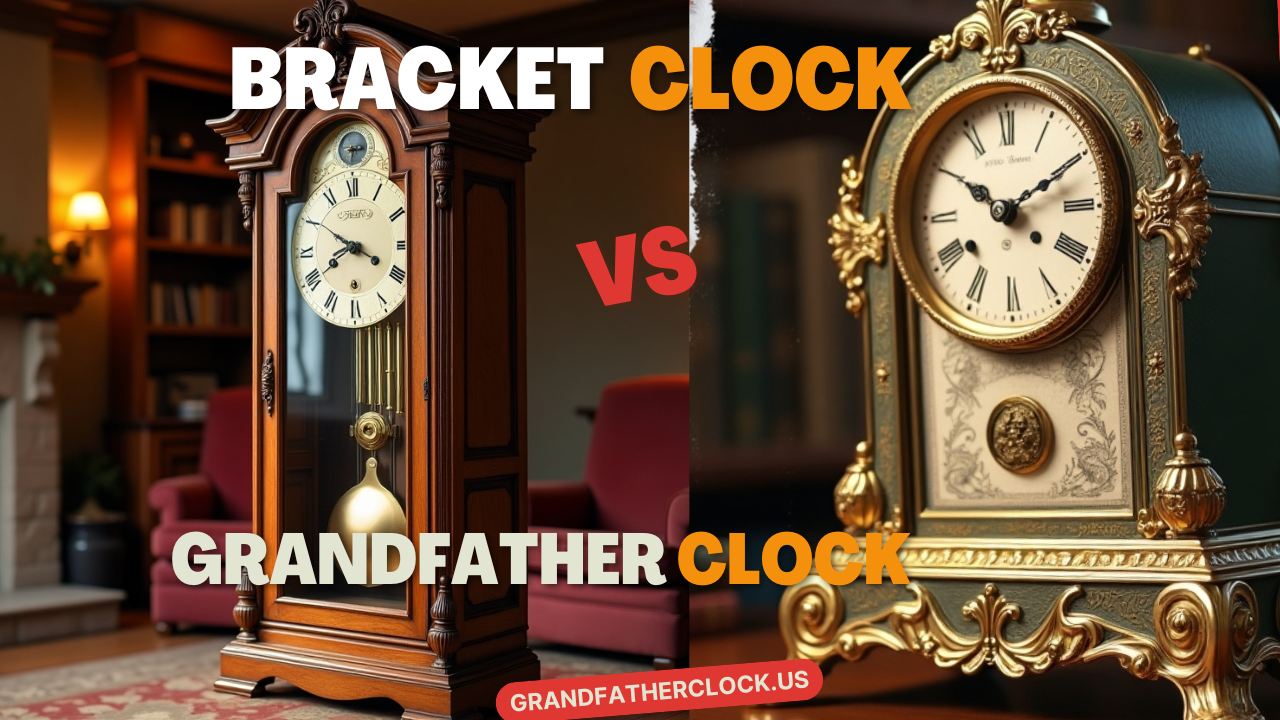
Grandfather Clock vs Bracket Clock 5 Key Differences & 5 Surprising Similarities
I was surprised to learn that some grandfather clocks have been running for over 250 years, longer than many family stories! And did you know one small bracket clock once sold for more than $200,000? These clocks aren’t just for time; they’re full of history, value, and timeless charm.
1. Historical Background
a. Origins of the Bracket Clock
The bracket clock made its first appearance in late 1600s England, a time when mechanical craftsmanship was evolving rapidly. Originally crafted for the elite, these compact timepieces were made to sit on wall-mounted brackets—hence the name. They weren’t just for telling time; they were luxury symbols, often encased in fine mahogany or ebony with brass inlays. Their portability made them a household favorite in noble estates. With intricate designs and spring-driven mechanics, they represented a new level of convenience and refinement in horology. Even today, their antique versions are admired for their delicate proportions and baroque artistry.
b. Evolution of the Grandfather Clock
The grandfather clock, once known as the longcase clock, rose to fame in the late 17th century. It was tall, imposing, and richly crafted, often passed down as a family heirloom. Originally powered by weight-driven pendulums, these clocks were marvels of precision and elegance. Their height wasn’t just for show; it allowed for longer pendulums and, in turn, greater timekeeping accuracy. Unlike bracket clocks, these were not meant to be moved; they were fixtures in grand hallways and parlors. Over centuries, the grandfather clock evolved from a functional timepiece to a symbol of tradition and legacy in refined households.
c. How History Shaped Their Modern Identity
Today’s perception of bracket and grandfather clocks is deeply rooted in their historical journey. Bracket clocks, born from a need for convenience and mobility, are still associated with tasteful, compact elegance. Their legacy has paved the way for modern mantel clocks and collectible desk timepieces. On the other hand, grandfather clocks continue to embody prestige and heritage. They’re no longer just timekeepers; they’re conversation starters, decorative statements, and often emotional links to the past. Their historical foundations not only define their aesthetic appeal but also influence their enduring value in today’s interior design and collector markets.
2. Size & Mechanical Structure

a. Physical Dimensions and Room Compatibility
Size truly sets these two clocks apart in both function and placement. Bracket clocks are generally 12 to 18 inches tall, compact enough to sit comfortably on a mantelpiece, bookshelf, or office table. Their manageable dimensions make them ideal for apartments, studies, or rooms where space is a luxury. In contrast, grandfather clocks demand room to breathe; they stand tall, often over 6 feet, and require wall support and floor space. Their grand presence suits large foyers, hallways, or living rooms with high ceilings. The choice between them often depends on not just taste, but also spatial practicality.
b. Key Mechanical Differences
Bracket clocks are typically powered by spring-driven mechanisms, offering 8-day or even 14-day runs on a single wind. This compact system makes them efficient and easy to maintain. Grandfather clocks, however, operate on weight-driven movements and long pendulums, which provide unmatched accuracy and a soothing tick-tock rhythm. They often require more care, weights must be wound weekly, and pendulums must remain properly balanced. While bracket clocks may use chimes or remain silent, grandfather clocks are known for their deep Westminster strikes, marking each quarter-hour with elegance. The mechanical soul of each clock is what gives it life and character.
c. Practical Impact of Size and Build
The structural design of each clock directly impacts its practicality in everyday use. A bracket clock is light enough to be moved, dusted, or repositioned without much hassle. It suits those who enjoy rearranging or updating their home decor regularly. Grandfather clocks, however, are more of a commitment; they’re heavy, often needing professional moving services. But in return, they offer durability and presence, becoming a stable part of the room’s identity. Their tall build not only enhances the acoustics of the chimes but also increases visibility and appreciation. So whether you want mobility or majesty, the build tells its own story.

3. Decorative Purpose
a. Best Room Placement for Each Clock
A bracket clock is like that quiet guest who brings charm without demanding attention. Its compact size and refined look make it perfect for mantelpieces, bookshelves, or sideboards. Ideal for studies, offices, or cozy lounges, it enhances the decor without overwhelming the space. On the other hand, a grandfather clock owns the room it’s in. Best suited for entryways, formal dining areas, or grand living rooms, it commands attention the moment someone steps in. Its height, chimes, and wooden carvings aren’t just timekeepers; they’re part of the room’s personality. The right placement turns both into storytelling pieces.
b. Aesthetic Appeal and Material Choices
The material choice plays a crucial role in how each clock blends with decor. Bracket clocks often feature polished wood finishes, brass detailing, and sometimes porcelain dials, perfect for those who love vintage elegance with a touch of subtlety. They can suit both traditional and modern interiors when chosen wisely. Grandfather clocks usually come in rich hardwoods like oak, walnut, or mahogany, with grand pendulum windows and moon phase dials. Their aesthetic is heavier, more rooted in classic luxury. Choosing between them depends on your room’s theme: do you want understated beauty or a timeless centerpiece?
c. Style Match: Contemporary vs Classic
Bracket clocks are surprisingly versatile. Their modest build and decorative yet simple designs make them perfect for contemporary setups — a vintage charm added to a minimalist environment. Grandfather clocks, however, cater more to lovers of classic, rustic, or heritage decor. They resonate with those who admire handcrafted furniture, baroque details, or antique vibes. But even modern interpretations with sleeker lines and LED-lit dials have entered the scene, allowing a grandfather clock to adapt to evolving aesthetics. Ultimately, your clock should reflect your personality. Are you drawn to nostalgic charm or traditional grandeur?
4. Price & Investment Value
a. Average Price Ranges
When it comes to pricing, there’s a significant difference between these two horological wonders. A standard bracket clock, whether antique or a modern replica, can range from $150 to $1,500 depending on craftsmanship and brand. High-end antiques might cost more, but are still within a reachable bracket. In contrast, grandfather clocks start at around $1,000 and can easily go above $10,000 for handcrafted or antique models. The sheer size, mechanical complexity, and detailed cabinetry make them more expensive. So, if budget matters, a bracket clock offers elegance without the steep investment, while grandfather clocks are for long-term luxury.
b. Maintenance Costs Over Time
Both clocks require care, but there’s a notable difference in the level of maintenance. Bracket clocks are relatively easy to maintain; occasional winding and dusting usually keep them in good shape. Servicing every few years keeps the spring mechanism healthy. Grandfather clocks, however, need more attention. Their weights, pendulum, and chimes require periodic adjustments, lubrication, and sometimes professional servicing. Moving them can be risky if not done carefully. This makes grandfather clocks a bit more demanding, but their lasting presence often justifies the care. Think of it as nurturing a legacy piece versus maintaining a portable artifact.
c. Are They Worth Collecting?
Absolutely, both clocks hold collectible value, but in different ways. Bracket clocks are often favored by collectors for their portability and diverse styles, ranging from Georgian to Edwardian designs. Their rarity, especially in working condition, can make them surprisingly valuable. Grandfather clocks are prized for their grandeur and long history. Authentic pieces from the 18th or 19th centuries can become centerpieces in antique collections, with increasing value over time. More than just investments, these clocks often carry emotional worth, heirlooms passed through generations. Whether you’re collecting for passion or profit, both clocks offer unique rewards.
1. Rooted in Horological Heritage – A Shared Legacy of Time
a. Origins in 17th & 18th Century Clockmaking
The journey of both grandfather and bracket clocks began centuries ago during the height of horological innovation. Grandfather clocks first stood tall in 17th-century English halls, crafted with towering cases to house long pendulums. Bracket clocks soon followed in the 18th century, made for homes that valued elegance in smaller forms. Both clocks were born in eras where precision in timekeeping was more than a necessity; it was prestige. Their existence signified the transformation of clocks from mere utility to symbols of intelligence, craftsmanship, and social status. Even today, collectors seek these pieces not just for their function but for their historical weight.
b. Evolution Through British and European Craft
From the woodcarvers of Yorkshire to the clockmakers of Paris, these clocks evolved with the finest hands shaping them. Grandfather clocks showcased British oak, walnut, and mahogany, while bracket clocks carried French elegance and engraved brass. Each region added its charm: floral carvings, moon dials, hand-painted faces. These weren’t just machines; they were collaborations between engineers, artists, and cabinetmakers. What connects both clocks deeply is their refinement across Europe’s golden centuries. Their legacy continues to influence even modern timepieces, where echoes of their structure and style still live on in premium clock design.
c. Role in Advancing Time Measurement Practices
Both clocks played pivotal roles in the evolution of time accuracy. The long pendulum of the grandfather clock allowed for consistent regulation of time, reducing errors seen in earlier mechanisms. Bracket clocks, often spring-driven, introduced portability and convenience without compromising precision. They were used in libraries, naval ships, and city homes, environments where compact yet reliable clocks were essential. Together, they helped shape the clockmaking world’s standards. Even now, horology students study these mechanisms to understand the genius of the past. These aren’t outdated relics; they’re blueprints of excellence.
4. Decoration & Aesthetic Appeal – Artistry that Defines Ambience
a. Grandfather Clock: Statement Piece with Ornate Woodwork
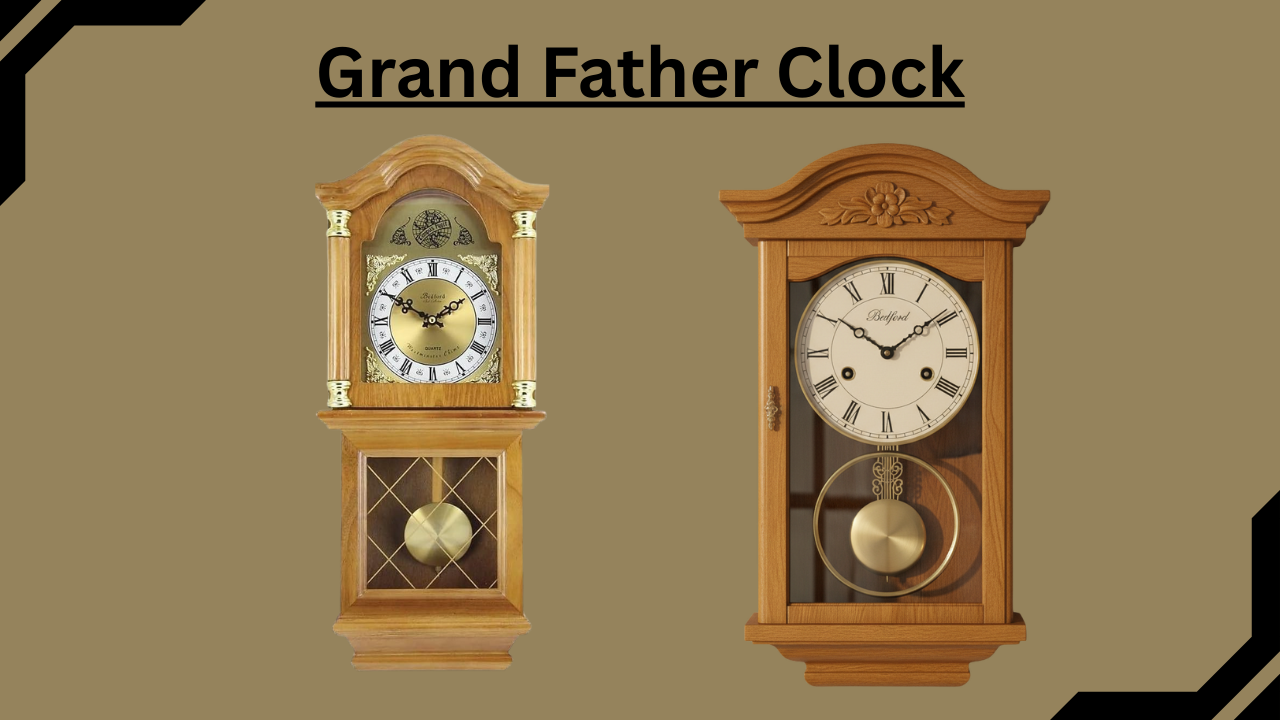
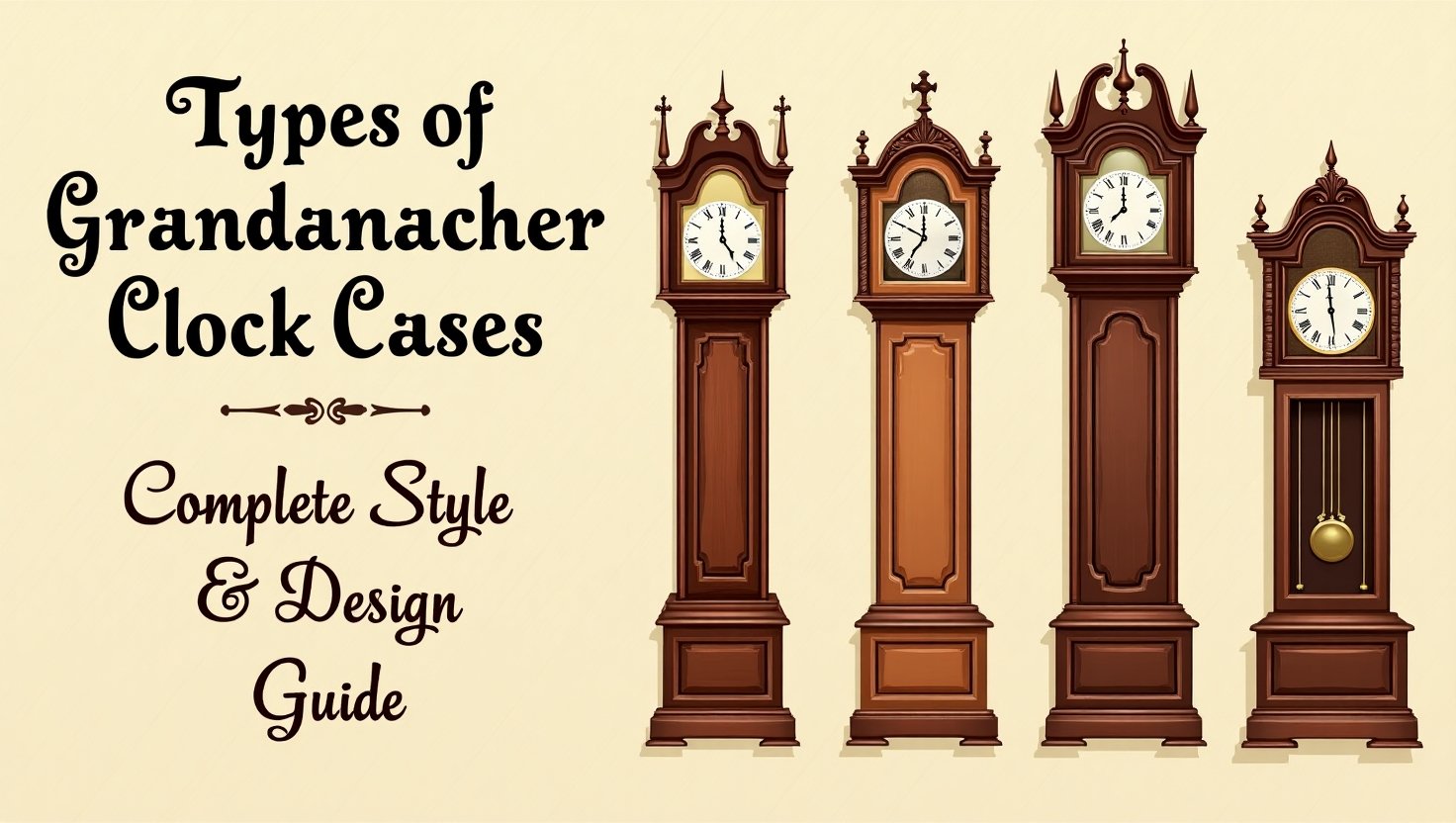
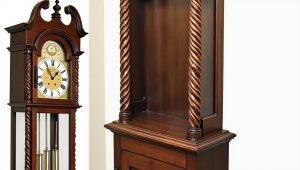
Grandfather clocks are known for their impressive size and elaborate craftsmanship. Typically made from rich woods like mahogany, oak, or walnut, they feature intricate carvings, brass or gold-plated dials, and decorative moon phase indicators. Their design often includes glass panels revealing the pendulum’s graceful swing, creating a mesmerizing focal point. Such clocks dominate the room, blending function with fine art. They add a regal, nostalgic charm, often becoming family heirlooms passed down generations. Their grandeur suits spacious interiors where elegance and tradition take center stage.
b. Bracket Clock: Compact Elegance with Detailed Finishes
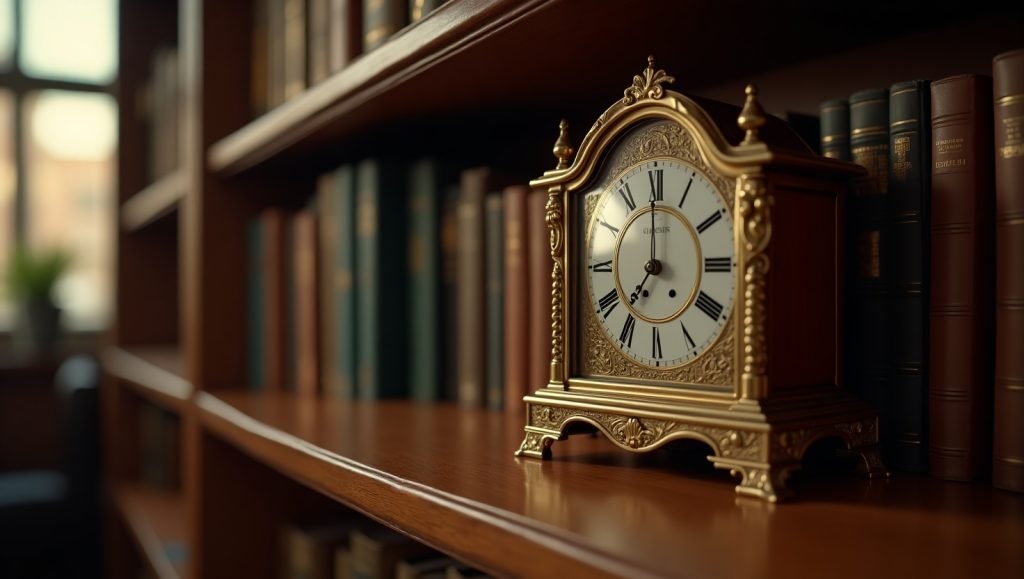
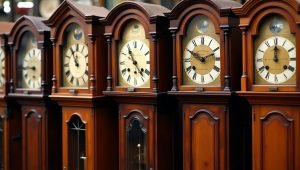
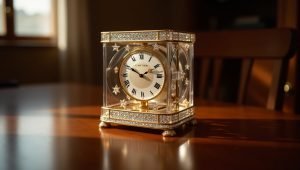
Bracket clocks bring subtle sophistication to smaller spaces. Their compact size allows placement on mantelpieces, shelves, or wall brackets, making them versatile décor elements. Despite their size, they boast exquisite finishes, polished brass, enamel dials, and delicate engravings are common. Many also feature intricate painted scenes or ornate handles, reflecting fine artistry. Unlike grandfather clocks that dominate visually, bracket clocks complement interiors with understated charm. Their aesthetic is perfect for those who appreciate detail without overwhelming their living space, adding a refined touch to libraries, studies, or drawing rooms.
c. Shared Artistic Values in Both Clocks
Though differing in scale, both clocks share a dedication to craftsmanship and artistic detail. Whether the grandeur of a towering grandfather clock or the intimate charm of a bracket clock, each tells a story of human creativity and patience. Their presence elevates a room’s character, offering more than mere utility; they are expressions of taste and cultural heritage. Together, they remind us that timekeeping can also be an art form, connecting function with beauty in ways that modern devices often lack.
5. Future Prospects & Collectability – Where Tradition Meets Modern Times
a. Grandfather Clocks: Enduring Legacy with Growing Collector Interest
Grandfather clocks have maintained a steady allure among antique collectors and enthusiasts. Their blend of historical importance, craftsmanship, and imposing presence makes them highly sought after. Even as digital clocks dominate daily life, these clocks remain prized for their heritage and emotional value. Restoration and preservation efforts are common, with some models fetching high prices at auctions. The future of grandfather clocks looks promising in niches that appreciate tradition, with renewed interest among younger generations seeking tangible links to the past.
b. Bracket Clocks: Rising Popularity in Compact, Vintage Collectibles
Bracket clocks, with their space-saving design and elegant style, have seen increasing popularity in recent years. Collectors admire their detailed craftsmanship and historical significance. Their smaller size makes them easier to preserve and display, appealing to modern living spaces. Vintage markets and auction houses report growing demand, especially for clocks with original components and fine decorative work. As urban homes shrink, the bracket clock’s blend of history and convenience positions it well for the future, striking a balance between tradition and practicality.
c. Common Challenges and Preservation Efforts
Both clocks face challenges, including the need for expert maintenance and the scarcity of skilled craftsmen. However, horological societies and collectors worldwide promote education and restoration projects. Technology also plays a role, with detailed guides and parts reproduction helping preserve these clocks for future generations. Their collectability hinges not only on age but on condition and provenance, making informed care essential. These efforts ensure that grandfather and bracket clocks remain vibrant symbols of human ingenuity, admired and cherished well into the future.
Conclusion
Grandfather and bracket clocks aren’t just timekeepers; they are storytellers, carrying centuries of craftsmanship, tradition, and artistry in every tick. While they differ in size, mechanics, and presence, both share a timeless charm that transforms any space into a sanctuary of history and elegance. Whether you’re drawn to the majestic stature of a grandfather clock or the refined grace of a bracket clock, each piece invites you to slow down, appreciate the artistry, and connect with a legacy that transcends time. In a fast-paced digital world, these clocks remind us of the beauty in patience, care, and heritage, making them much more than just clocks, but treasured heirlooms that keep history alive in your home.
FAQs
1. What is the main historical difference between grandfather and bracket clocks?
Grandfather clocks are tall, freestanding pieces used in large rooms since the 17th century, while bracket clocks are smaller, portable, and meant for shelves or brackets.
2. How do their mechanical systems differ?
Grandfather clocks use weight-driven mechanisms, whereas bracket clocks operate with spring-driven movements.
3. How do their sizes compare?
Grandfather clocks are large and stand on the floor; bracket clocks are compact and designed to sit on shelves or walls.
4. What are the key differences in decoration?
Grandfather clocks feature elaborate wooden cases and detailed dials; bracket clocks have finer metalwork and smaller, ornate designs.
5. Which clock is generally more expensive?
Grandfather clocks tend to be pricier due to size, materials, and complexity; bracket clocks are usually less expensive but can be valuable antiques.
6. How do their uses differ in interior design?
Grandfather clocks serve as statement pieces; bracket clocks add subtle elegance to smaller spaces.
7. Are maintenance needs different between the two?
Both require regular winding and upkeep, but grandfather clocks’ weight-driven systems may need more attention.
8. Can both clocks be considered collectors’ items?
Yes, both are highly collectible and valued for craftsmanship and history.
9. How do their sounds and chimes compare?
Grandfather clocks often have deeper, resonant chimes; bracket clocks have lighter, softer tones.
10. What is the future outlook for these clocks?
Both remain popular for their heritage; grandfather clocks as heirlooms, bracket clocks for modern compact elegance.







Post Comment