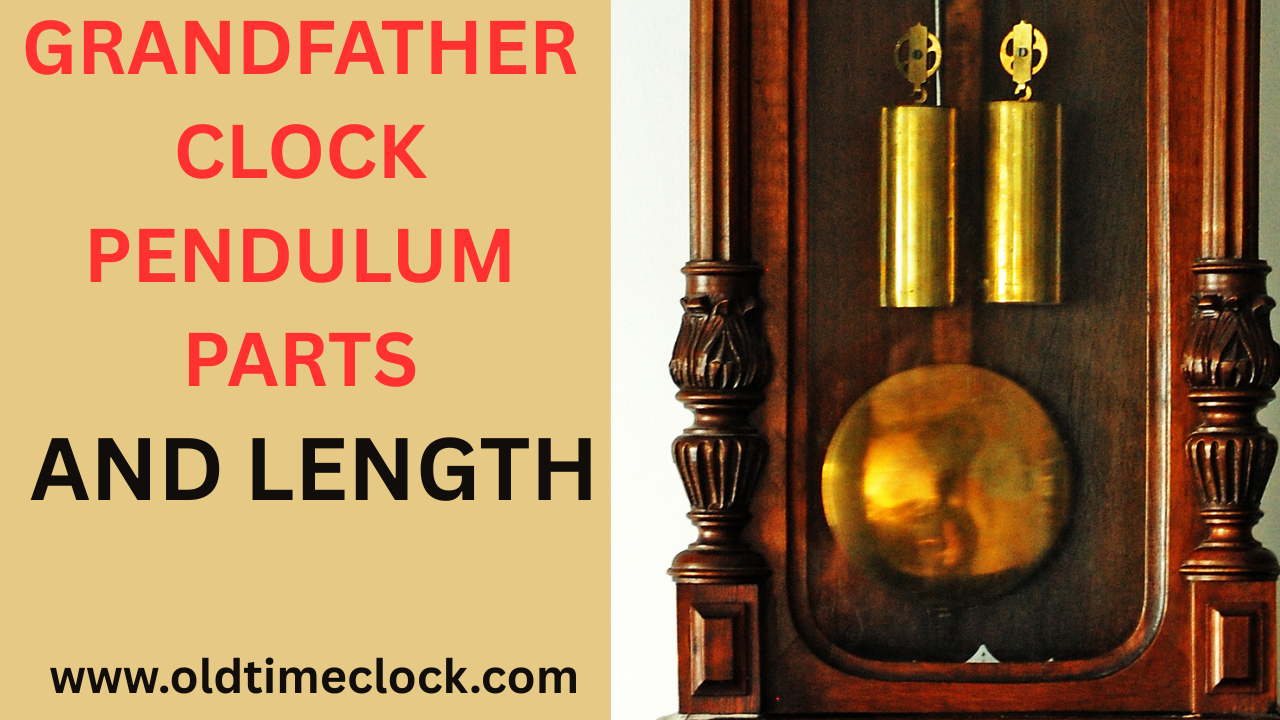
Grandfather Clock Pendulum Parts: A Complete Guide to Length & Adjustment
To keep a grandfather clock ticking accurately, you must understand the mechanics of its most vital component: the pendulum. While it may look like a simple swinging rod, it consists of several precise parts that work together to regulate time.
Whether you are replacing a broken piece or trying to fix a clock that runs too fast, knowing the grandfather clock pendulum parts and length is the first step. This guide breaks down everything from the suspension spring to the rating nut, ensuring you have the knowledge to maintain your clock’s heartbeat with professional precision.
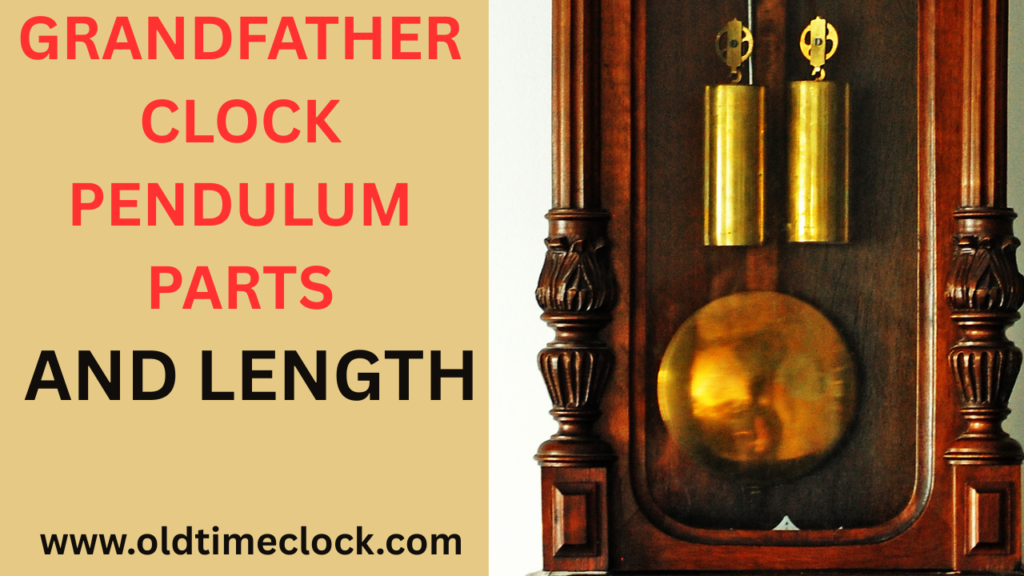
Size, Weight, and Length of a Grandfather Clock Pendulum
How Pendulum Size Impacts Clock Accuracy
The size of a grandfather clock pendulum directly influences how fast or slow the clock runs. A longer pendulum swings more slowly, resulting in more accurate timekeeping, while a shorter one speeds up the movement. Most standard grandfather clocks feature pendulums between 39 and 43 inches long, perfectly balanced to achieve one swing per second.
The Role of Pendulum Weight in Time Regulation
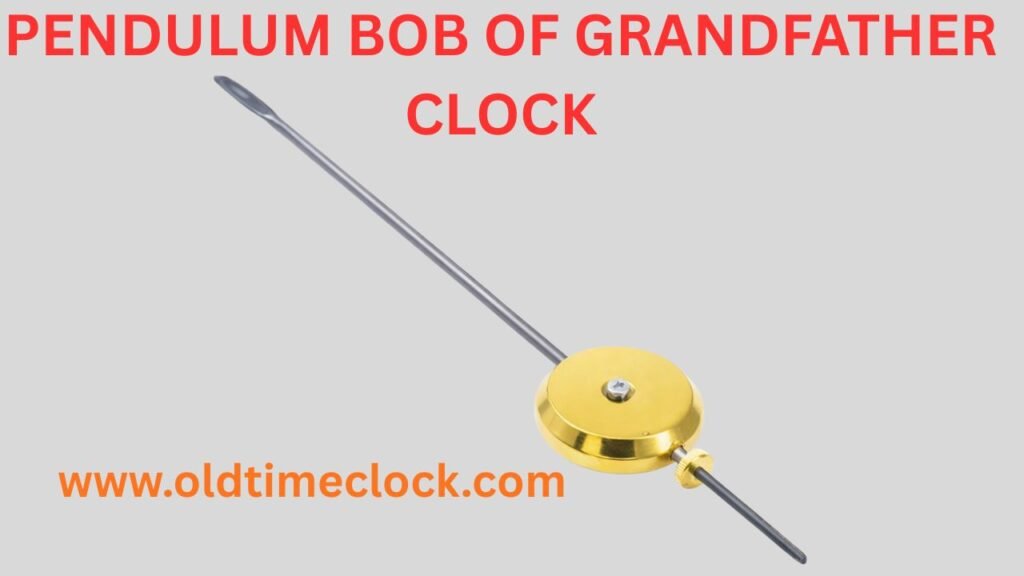
The pendulum’s weight helps maintain consistent motion and stability. Typically made of brass or lead, it provides momentum to keep the clock ticking smoothly. If the pendulum is too light, it may swing unevenly; too heavy, and it can strain the clock’s mechanism. The ideal weight ensures a balanced and continuous rhythm.
Why Pendulum Length Determines Precision
Length is the heart of a pendulum’s timing accuracy. Based on Galileo’s principles, the time it takes for a pendulum to swing depends on its length, not the weight. That’s why even a small adjustment, like raising or lowering the pendulum bob, can fine-tune the clock’s speed. In essence, the longer the pendulum, the slower and steadier the tick.
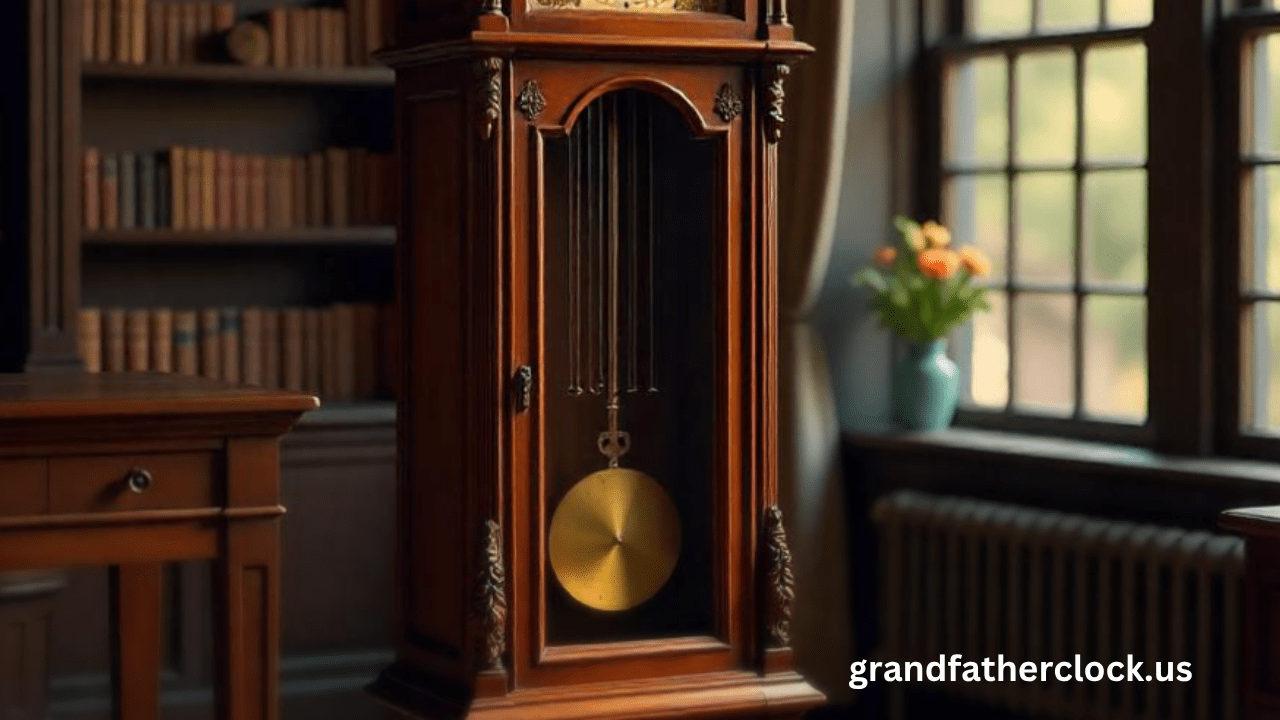
Name of Grandfather Clock Pendulum Parts and Their Functions
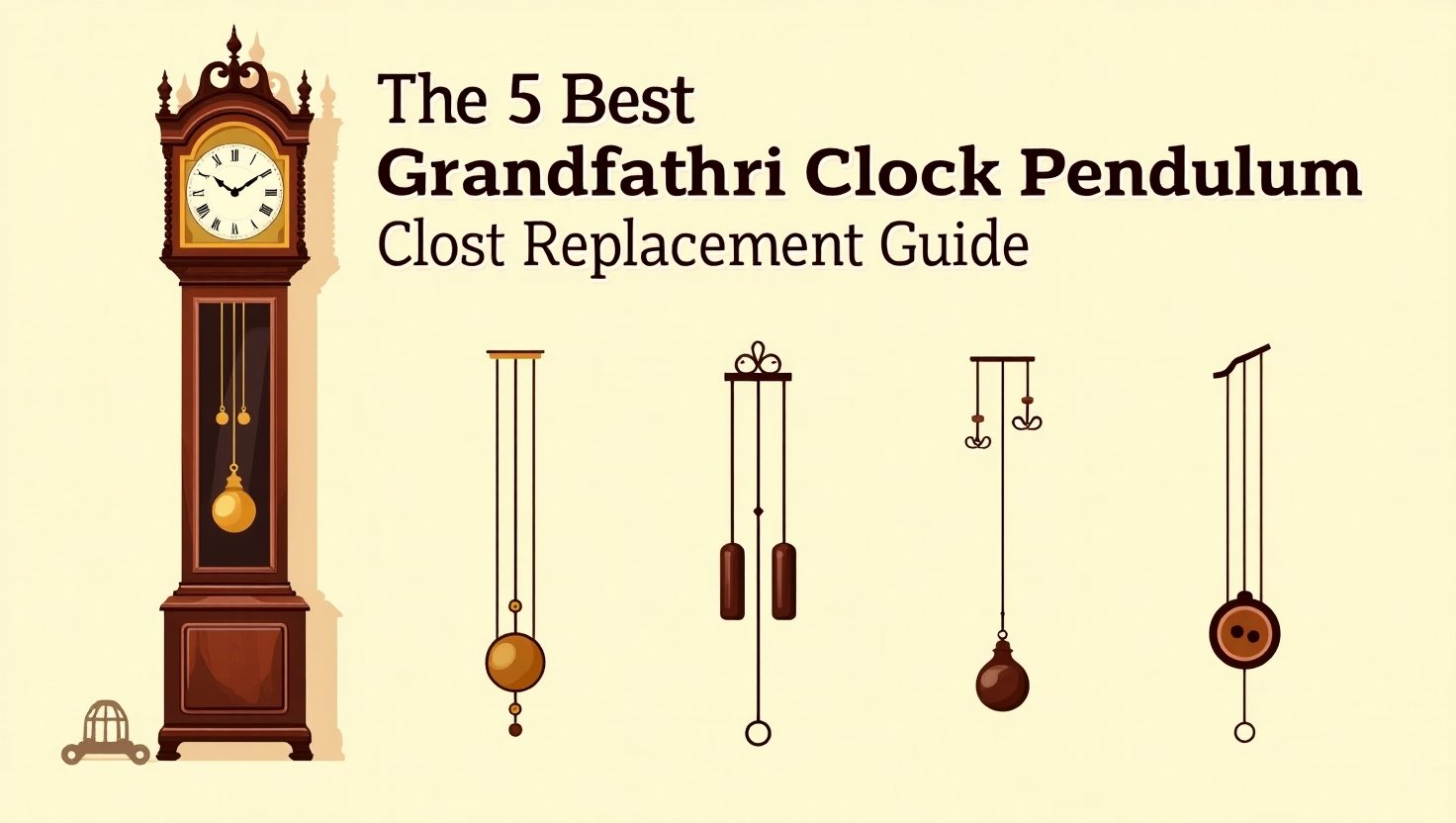
A grandfather clock pendulum is more than a swinging weight; it’s the heart of the entire timekeeping system. Every part of the pendulum has a purpose that keeps the clock running smoothly and accurately. Below are the main pendulum parts and what each one does.
1. Pendulum Rod
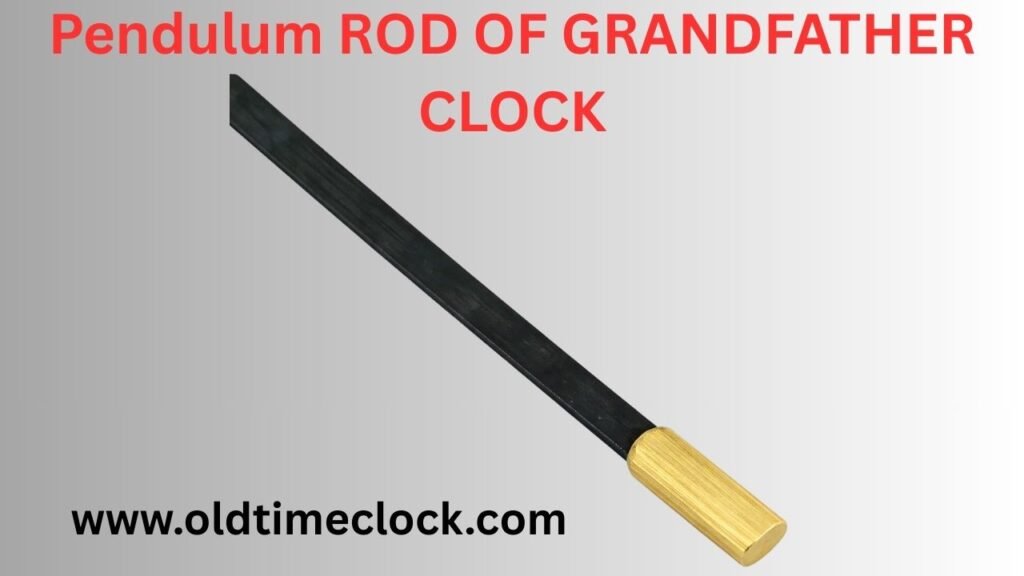
The pendulum rod is the long, narrow piece that connects the clock’s movement to the pendulum bob. It controls how long each swing takes. A longer rod creates a slower, steadier rhythm, while a shorter rod makes the clock run slightly faster. Most rods are made of brass, wood, or metal for strength and stability.
Check Price on Amazon
2. Pendulum Bob
3. Suspension Spring
4. Pendulum Leader
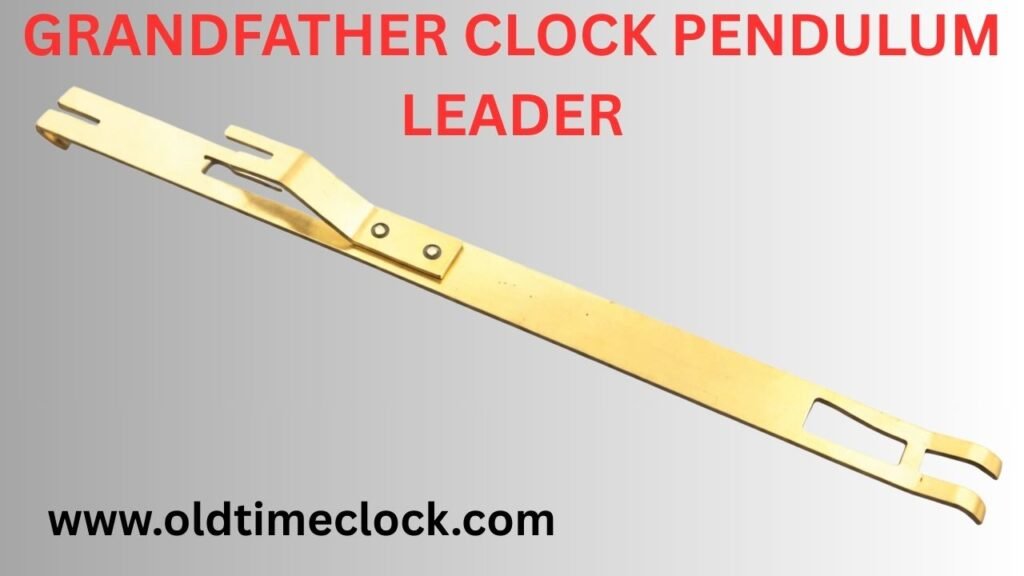
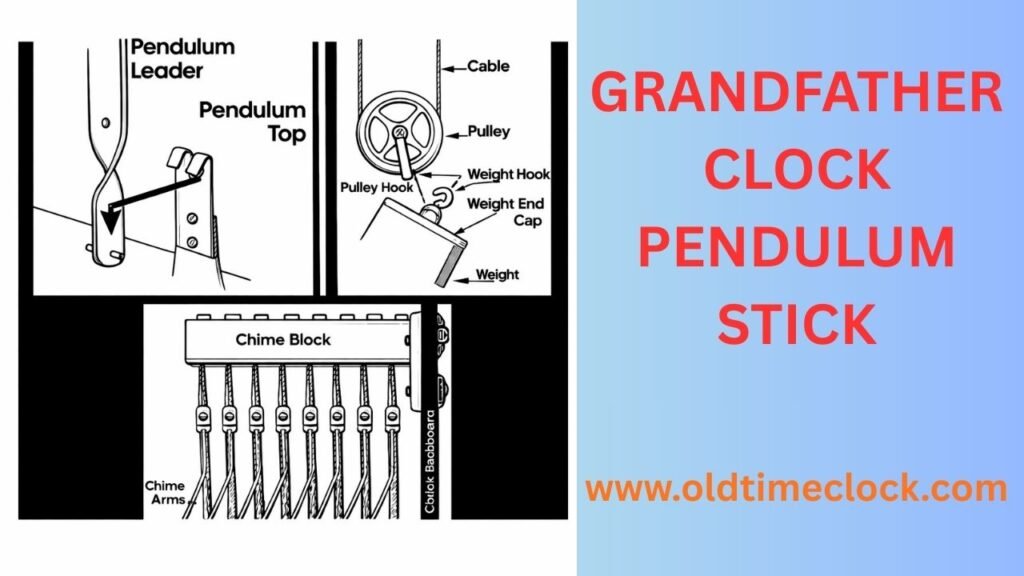
The pendulum leader is a short connector piece that links the clock’s escapement mechanism to the pendulum rod. Its job is to transfer motion from the clock movement to the pendulum so that each swing stays consistent. It helps the clock maintain a smooth, even rhythm.
Check Price on Amazon
5. Pendulum Hook
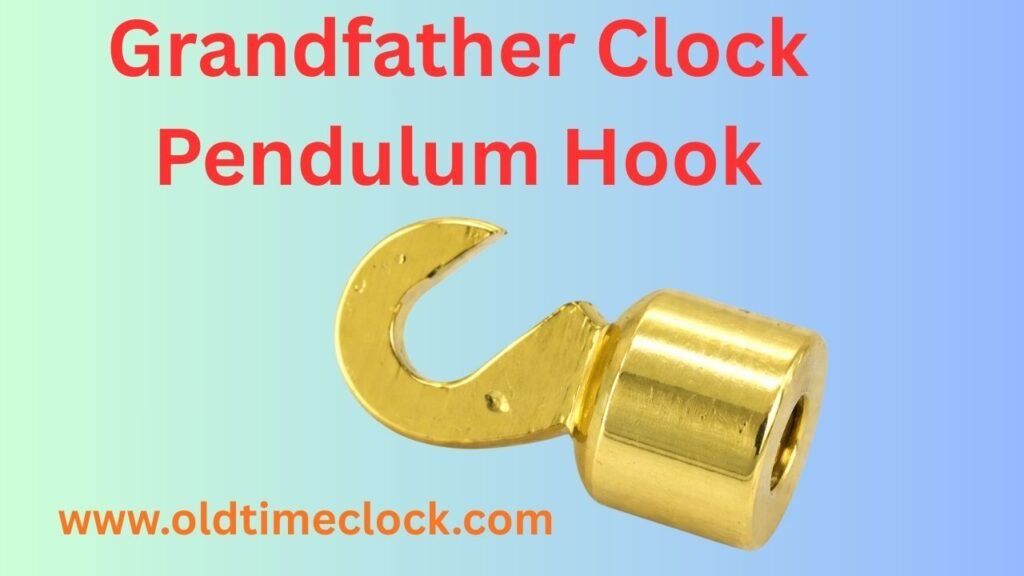
The pendulum hook, also called the suspension hook, is a small fitting at the top of the pendulum rod. It holds the pendulum securely to the suspension spring, allowing it to hang straight and move freely without friction or tilt.
Check Price on Amazon
6. Rating Nut (Adjusting Nut)
The rating nut is a small screw located beneath the pendulum bob. It is used for time adjustment. Turning the nut clockwise raises the bob, making the clock run faster. Turning it counterclockwise lowers the bob, which slows the time. This simple part allows for precise timing without opening the clock’s main mechanism.
Check Price on Amazon

7. Crutch
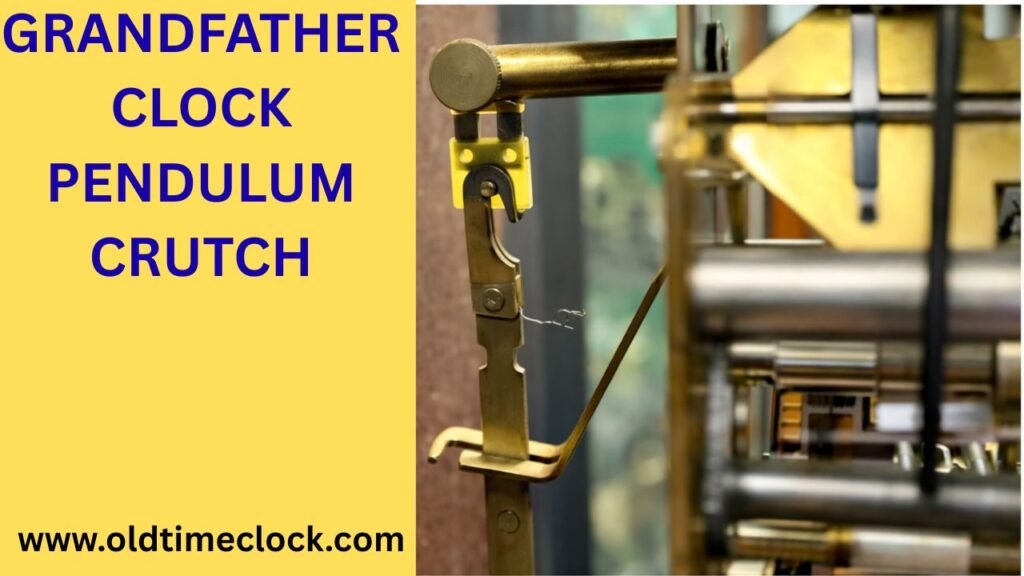
The crutch is a Y-shaped or forked metal piece that gently pushes the pendulum with every tick. It connects directly to the escapement and keeps the pendulum moving in perfect rhythm. If the crutch is out of alignment, the pendulum swing can become uneven or stop altogether.
Check Price on Amazon
8. Pendulum Stick (or Shaft)
The pendulum stick runs through the center of the assembly, holding everything in place. It provides structure, alignment, and balance to the entire pendulum system. The stick must remain straight and firm for accurate operation.
Check Price on Amazon
Conclusion
The pendulum in a grandfather clock is not just a decorative feature; it’s the precision engine that makes every second count. Each part, from the suspension spring to the rating nut, plays an essential role in maintaining perfect rhythm and balance. Understanding these components helps you fine-tune timing, handle adjustments safely, and appreciate the craftsmanship behind traditional timekeeping. Whether you’re restoring a vintage clock or learning how it works, knowing your pendulum’s parts and length will keep your grandfather clock accurate for generations to come.
Frequently Asked Questions (FAQs)
What are the main parts of a grandfather clock pendulum?
The main parts include the pendulum rod, bob, suspension spring, leader, hook, rating nut, crutch, and pendulum stick. Each piece works together to regulate the swing and keep time accurately.
Why does pendulum length affect timekeeping?
The length of the pendulum determines how fast or slow it swings. A longer pendulum swings more slowly, making the clock run slower, while a shorter one swings faster and makes the clock run quicker.
How can I adjust my grandfather clock if it’s running too fast or too slow?
You can use the rating nut beneath the pendulum bob. Turning it clockwise raises the bob and speeds up the clock, while turning it counterclockwise lowers the bob and slows it down.
What material is best for a pendulum rod?
Brass and wood are most commonly used. Brass is durable and stable in temperature changes, while wood provides a classic look and steady motion for antique designs.
How often should I check or maintain my clock pendulum?
Regular inspection every 6–12 months is ideal. Make sure the pendulum swings evenly, the suspension spring isn’t bent, and the bob is properly tightened. Gentle cleaning and occasional oiling can help keep the mechanism smooth.







Post Comment