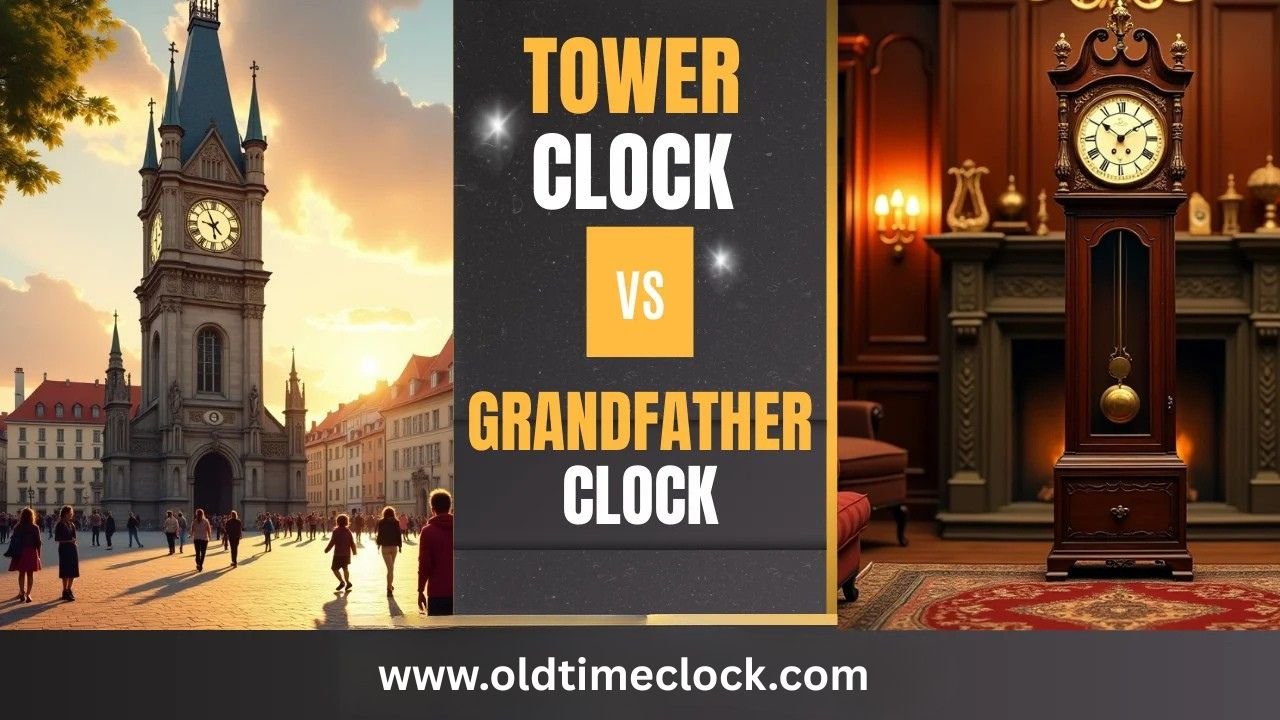
Grandfather Clock or Tower Clock? Time’s Two Titans
The Echo of Time – From Ancient Timekeeping to Towering Giants
1.1 The Origins of Timekeeping: How Humanity First Measured Time
Long before the tick of a clock was heard, human beings sought ways to measure time. In ancient civilizations, sundials and water clocks were used to track daylight hours or regulate religious rituals. These early methods reflect mankind’s deep need to structure life and organize society. The Egyptians used shadow clocks; the Babylonians divided time into 60 units; and the Chinese developed incense clocks to guide meditation and worship.
What’s fascinating is that timekeeping wasn’t just a scientific endeavor; it was cultural and spiritual. It connected farmers to harvest seasons and emperors to celestial cycles. It helped societies plan wars, prayers, and festivals. Long before the first mechanical gears turned in a clock tower, the world was already measuring moments with symbolism and rhythm. These ancient methods laid the groundwork for future innovations like tower and grandfather clocks.
1.2 The Birth of the First Tower Clocks
Tower clocks made their debut in medieval Europe around the 13th century, a period marked by increasing urbanization and community life. The need for a central timekeeper became evident in town squares and marketplaces. The first mechanical tower clocks, like the one in Salisbury Cathedral (circa 1386), were massive, weight-driven machines that didn’t even have faces; they struck bells to mark the hour. This allowed townspeople, many of whom were illiterate, to organize daily life around a shared schedule.
These tower clocks were marvels of engineering, often built into church towers or municipal buildings, symbolizing both divine and civic authority. They signified precision, permanence, and progress. The ability to hear time rather than see it made these clocks social instruments, synchronizing communities with sound. This shift from individual timekeeping to public, communal time helped shape modern urban life and inspired countless future designs.
1.3 Tower Clocks and Global Cultures
While Europe advanced the mechanical tower clock, other cultures also developed monumental timekeeping. In the Islamic world, minarets called believers to prayer five times a day, creating a spiritual rhythm deeply tied to the concept of time. Though not mechanical, these calls acted as living clock towers, unifying communities. In China, enormous water clocks were constructed in palaces, reflecting imperial power and cosmic harmony.
Meanwhile, in Western societies, clock towers became architectural icons. Structures like Big Ben in London or the Astronomical Clock in Prague became not just timekeepers but national treasures. Their sounds echoed not just hours, but identity, pride, and continuity. Even today, cities across the globe, from Istanbul to Tokyo to Buenos Aires, boast their own iconic clock towers.
Tower clocks have transcended their original function. They now represent culture, heritage, and resilience. No matter the country, these structures communicate a universal message: time belongs to everyone, and it connects us across languages, histories, and continents.
Grandfather Clocks – The Soul of Time Inside the Home
2.1 The Grandfather Clock: From Utility to Legacy
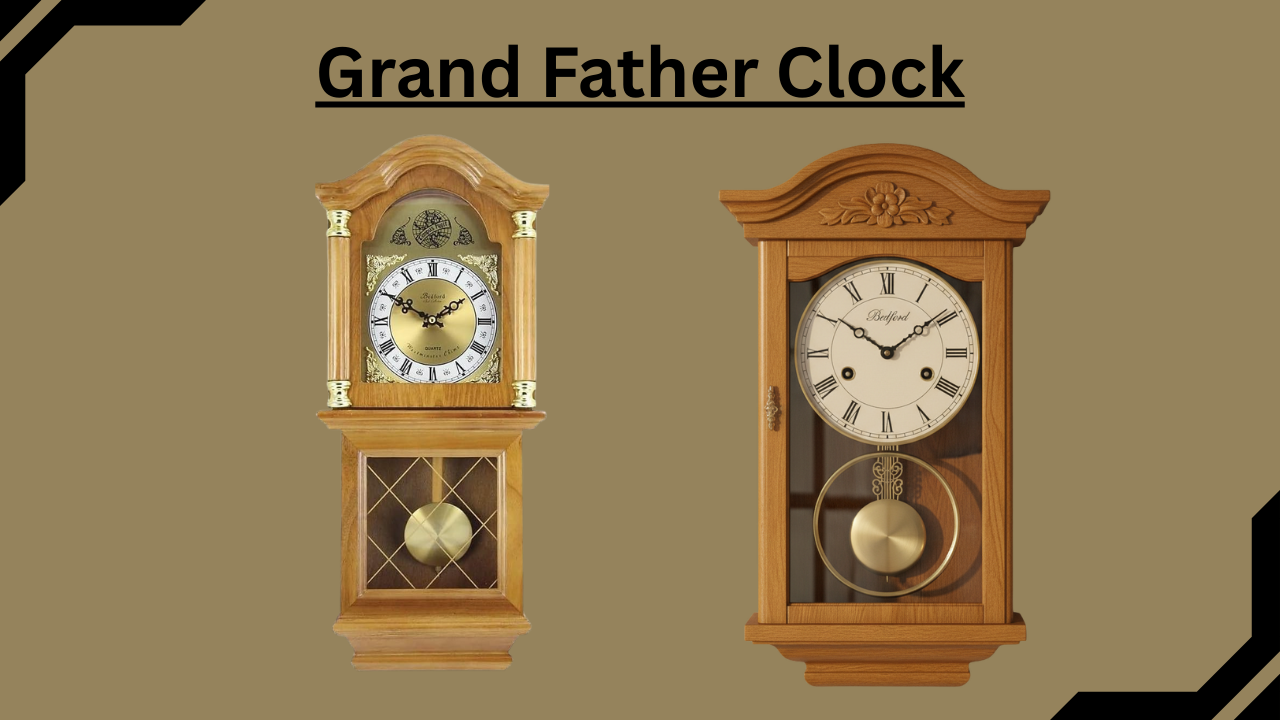
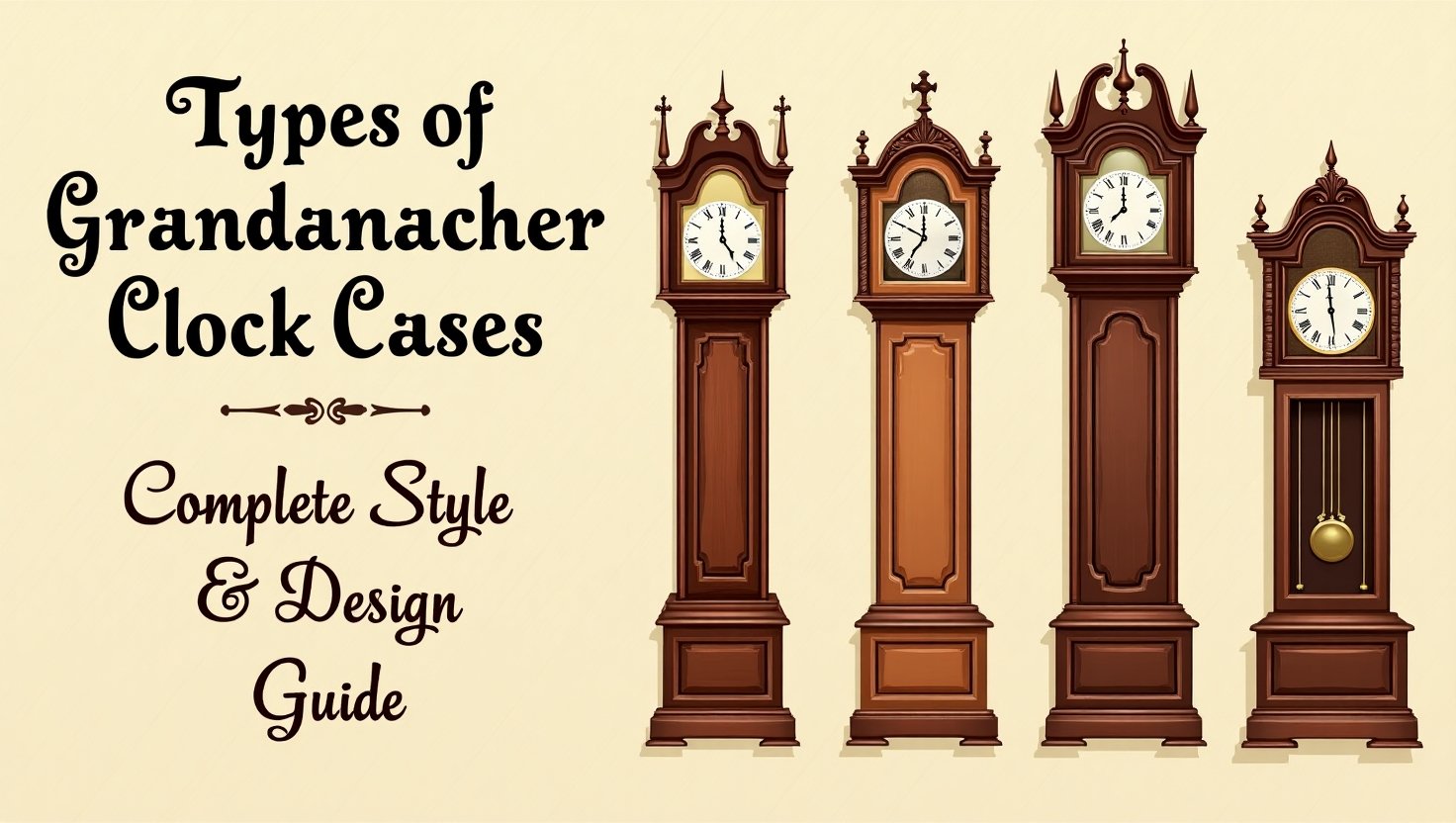
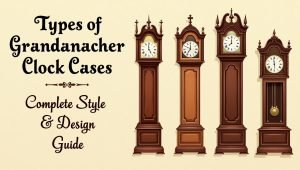
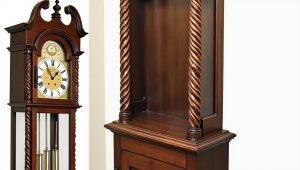
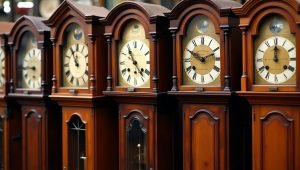
The Grandfather Clock, also known as the longcase clock, was born in the late 17th century during a period of scientific discovery and artistic craftsmanship. Its tall, elegant form housed a pendulum movement that allowed for more accurate timekeeping than ever before. Originally a symbol of innovation, it quickly became a cherished item within aristocratic homes across Europe.

But beyond utility, these clocks carried emotional and symbolic weight. They marked the passage of generations, often becoming heirlooms handed down from parent to child. The term “Grandfather Clock” originated from the popular 19th-century song “My Grandfather’s Clock,” which romanticized the idea of a clock ticking away through decades of family life.
Their stately presence in entry halls and living rooms lent a sense of tradition, stability, and elegance. The Grandfather Clock isn’t just a timekeeper; it’s a silent witness to life’s moments, births, deaths, celebrations, and quiet evenings. It stands as a legacy in wood, brass, and chime.
2.2 Is a Grandfather Clock a Timepiece or a Masterpiece?
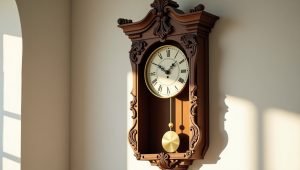
A Grandfather Clock is much more than a functional object. It is, in many ways, a piece of art. Master craftsmen carve intricate designs into fine hardwoods like mahogany or oak. The brass pendulum gleams, reflecting both craftsmanship and time itself. The chimes, often tuned to Westminster or Whittington melodies, are not just sounds; they are musical signatures of elegance.
Each clock is a fusion of engineering precision and artistic beauty. Some feature moon phase dials, celestial paintings, or hand-painted numerals. Owning one is like possessing a piece of history you can hear. Unlike digital clocks, which simply deliver numbers, Grandfather Clocks deliver emotion. They speak to a slower, more reflective way of life.
Collectors and enthusiasts often describe their clocks as “living sculptures.” The slow swing of the pendulum is meditative. The hourly chime becomes part of the rhythm of a household. It’s this unique blend of utility and artistry that elevates the Grandfather Clock into the realm of timeless masterpieces.
2.3 The Modern Role of the Grandfather Clock
In a world dominated by smartphones and smartwatches, you might wonder: Do grandfather clocks still matter? The answer is a resounding yes. While their functional necessity may have diminished, their emotional and aesthetic value remains powerful. Today, these clocks serve as statement pieces in modern interior design, bringing character and soul to contemporary spaces.
Modern versions incorporate updated mechanics, sometimes even blending with smart home technology. Yet, their essence remains unchanged. They offer a nostalgic return to craftsmanship and continuity in a rapidly changing world.
Moreover, many people find comfort in analog timekeeping, the tick of the pendulum, the warm tones of the chime. In a noisy, fast-paced digital world, the Grandfather Clock invites us to slow down, to savor moments, and to live with greater presence.
Whether placed in a minimalist loft or a vintage-style home, the Grandfather Clock anchors a room. It reminds us that time is not just something to manage, but something to honor and appreciate.
Engineering the Extraordinary – Tower Clocks vs Grandfather Clocks
3.1 Mechanical Marvels: The Inner Workings Compared
At the core of both tower and grandfather clocks lies mechanical brilliance, yet their construction and mechanics are vastly different. Tower clocks rely on immense, weight-driven systems with massive gears and escapements designed to transmit energy across floors and often control external bell mechanisms. They’re industrial in scale and built to last centuries, withstanding weather and time.

On the other hand, grandfather clocks operate with precision and elegance. Their pendulum and escapement systems are compact but exquisitely balanced, designed for residential settings. These clocks don’t just keep time; they showcase the art of regulated motion. The delicate tick-tock, synchronized with a swinging pendulum, demonstrates physics in action, all enclosed in a cabinet of craftsmanship.
Both clock types exemplify human ingenuity, but while tower clocks are feats of communal architecture and engineering, grandfather clocks represent personal craftsmanship and refinement. One booms across cities; the other whispers through hallways. Yet both prove that time can be engineered into beauty.
3.2 Materials and Craftsmanship: Scale and Detail
Tower clocks are constructed with longevity in mind. Materials like cast iron, bronze, and stone ensure durability and grandeur. These monumental timepieces are often built into cathedrals, city halls, or clock towers and require massive construction teams and restoration experts to maintain their precision.
In contrast, grandfather clocks are works of intimate craftsmanship. Mahogany, cherry, or walnut woods are carefully shaped and polished. Artisans install hand-cut glass panels, brass details, and custom-painted dials. Each element, from the case to the weights, is a testament to artisanal excellence.
Where tower clocks impress with scale and visibility, grandfather clocks enchant with detail and touch. One celebrates public legacy; the other guards private memories. Both require specialized skills to construct, but their purposes and experiences are vastly different. Whether soaring in the sky or standing quietly in a room, each tells time in a language of its own.
3.3 Sound and Silence: The Role of Chimes and Bells
Sound is not just a feature; it’s a message. Tower clocks announce time with bold bell strikes, often heard for miles. These chimes structured city life, called people to work or worship, and marked moments of celebration or mourning. The resonance of a tower bell is physical, felt in the bones and heard in the heart of a city.
Grandfather clocks, meanwhile, speak in gentler tones. Their chimes, often Westminster, Whittington, or St. Michael’s, gently echo through hallways, weaving themselves into daily life. They signal calm, rhythm, and domesticity. Some even allow the owner to silence the chimes at night, a testament to their role as both functional and considerate timekeepers.
While one proclaims time to the masses, the other whispers it to the soul. This difference in acoustics reflects their contrasting roles: communal vs personal, loud vs intimate. Yet both create rituals around time, reminding us to pause, listen, and reflect.
Timekeepers of Culture – Symbolism and Meaning Across Eras
4.1 Public Identity vs Personal Legacy
Tower clocks symbolize civic pride, collective time, and historical legacy. Installed on government buildings, cathedrals, and public squares, they remind us that time is a shared resource, one that organizes society and connects citizens across generations. They are public monuments to order, power, and architectural grandeur.
Conversely, grandfather clocks carry personal stories. Often gifted for weddings, anniversaries, or retirements, they represent milestones and memories. Inherited from one generation to another, they become emotional anchors, reminders of people, events, and eras gone by. Their symbolism is private but profound.
The tower clock may symbolize a nation; the grandfather clock, a family. One marks history; the other, heritage. Yet both speak to the human desire to mark time, to make it meaningful, and to pass that meaning forward.
4.2 Time as Architecture: Space, Form, and Function
A tower clock is architecture first, soaring spires, clock faces embedded in masonry, and mechanisms housed in multi-story spaces. Its purpose is to be seen and heard by all, to integrate time into the urban environment. Every element, from the bell chamber to the clock dial, is part of a civic design philosophy.
In contrast, a grandfather clock is furniture with a function. It occupies personal space, designed to complement home interiors while delivering accuracy and charm. It bridges science and art, standing tall in living rooms, libraries, or hallways as both tool and décor.
This architectural contrast highlights their differing roles in our lives, public vs private, monumental vs modest. Both, however, shape how we experience time, anchoring it in the structures we build and the lives we lead.
4.3 Symbolism in Literature, Art, and Memory
Tower clocks and grandfather clocks have inspired generations of artists, writers, and thinkers. From Charles Dickens to Salvador Dalí, these timepieces have symbolized everything from fate and mortality to order and chaos.
Tower clocks often represent progress, societal structure, or divine authority. In films and literature, they mark climaxes, countdowns, or turning points. Their striking bells often signal change or reckoning.
Grandfather clocks, meanwhile, evoke nostalgia, memory, and introspection. They appear in poems and stories as keepers of legacy, silent observers of love, loss, and passage. Their slow rhythm becomes a metaphor for life itself.
Both clocks transcend mechanics to become metaphors. They hold not just gears and springs, but meanings, crafted by time, shaped by culture, and carried in human hearts.
FAQs
2. How do the mechanisms of tower clocks and grandfather clocks differ?
Tower clocks use large, weight-driven mechanisms with long gear trains and are designed to operate bells and large hands visible from afar. Grandfather clocks use precision pendulum-based mechanisms that are compact, quieter, and ideal for indoor, residential environments.
3. Are grandfather clocks more accurate than tower clocks?
Yes, in general, modern grandfather clocks tend to be more accurate due to their finely balanced pendulums and climate-controlled environments. Tower clocks are more prone to external influences like weather and vibration, but are still engineered for remarkable long-term reliability.
4. Why were tower clocks historically important?
Tower clocks served as public timekeepers before the widespread availability of personal watches. They regulated daily life, signaled events (like work hours or religious services), and became symbols of civic pride and technological achievement.
5. What materials are used in constructing tower clocks vs grandfather clocks?
Tower clocks are built with durable, heavy materials like iron, bronze, and stone to withstand weather and time. Grandfather clocks are crafted from fine hardwoods like mahogany, walnut, or cherry, with delicate brass and glass details to emphasize interior beauty.
6. Do both types of clocks chime?
Yes, but differently. Tower clocks chime loudly with massive bells designed to reach entire neighborhoods or cities. Grandfather clocks produce gentler, melodic chimes (such as Westminster or Whittington), tailored for indoor, domestic ambiance.
7. What is the cultural significance of a grandfather clock?
A grandfather clock often represents family heritage, tradition, and legacy. It is commonly passed down through generations and associated with milestones like weddings, retirements, or housewarmings, making it a deeply personal timepiece.
8. Can a grandfather clock be used as a modern home feature?
Absolutely. Today’s grandfather clocks blend classic charm with modern technology, often including battery-powered movements, silent chimes, or even smart timekeeping features—making them suitable for contemporary homes as elegant décor.
9. How often do these clocks require maintenance?
Tower clocks typically require annual or semi-annual servicing by specialists due to their size and complexity. Grandfather clocks need maintenance every 2–5 years, including oiling, cleaning, and adjusting the pendulum for accurate timekeeping.
10. Which clock is better for investment or heirloom purposes?
If you’re seeking a historical, sentimental heirloom, a grandfather clock is ideal. If you’re aiming to preserve a community landmark or historical structure, a tower clock holds greater public and historical value. Both are excellent investments in craftsmanship and legacy.




Post Comment