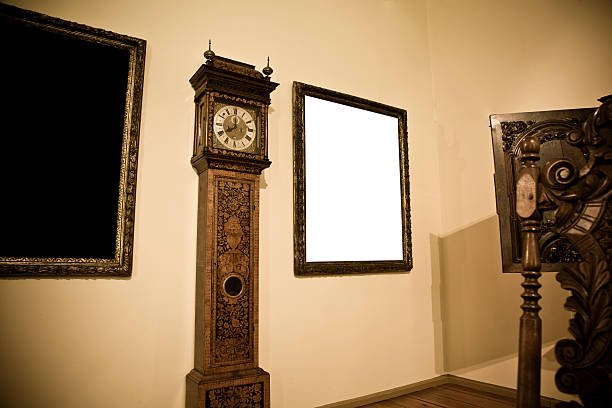
Floor Clocks A Majestic Timepiece with Unmatched Elegance
Floor clocks, also referred to as grandfather clocks, have long been symbols of sophistication, luxury, and tradition. Their towering presence in a room, along with their precise timekeeping, evokes a sense of nostalgia and admiration. These timepieces are more than just clocks; they are heirlooms, crafted with meticulous attention to detail, and passed down through generations. They are pieces of functional art that combine beauty, craftsmanship, and precision.
In this article, we’ll delve deep into the history, design evolution, types, key features, and maintenance of floor clocks, shedding light on why they remain cherished by collectors and homeowners alike.
A Deep Dive into the History of Floor Clocks
The history of floor clocks spans centuries, and their evolution is tied to the advancement of clock making techniques. Early mechanical clocks, dating back to the medieval period, were huge devices built for public spaces. These clocks were primarily powered by weights or water and often lacked the decorative elements that would later become characteristic of floor clocks.
The turning point in the development of clocks came in 1656 with the invention of the pendulum by Dutch scientist Christiaan Huygens. The pendulum dramatically improved the accuracy of clocks, and it became the heart of timekeeping mechanisms. However, it wasn’t until the late 1600s that William Clement, an English clockmaker, perfected the design of the tall, freestanding clock, and the “grandfather clock” was born.
Over time, floor clocks became more than just functional timekeepers. They became symbols of wealth and status, often crafted from the finest woods and adorned with intricate designs. By the 18th century, they had evolved into valuable pieces of furniture that combined practicality with artistry. These clocks were often seen in grand homes, and their chimes became a familiar sound in households across Europe and the United States.

Types of Floor Clocks: Exploring the Varieties
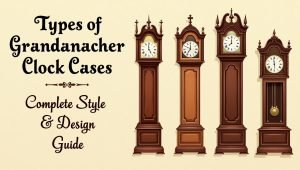
The term “floor clock” encompasses several different types of timepieces, each with its own unique design and function. While the grandfather clock is the most well-known type, there are several other varieties that cater to different tastes and spaces. Let’s explore these types in more detail:
1. Grandfather Clocks
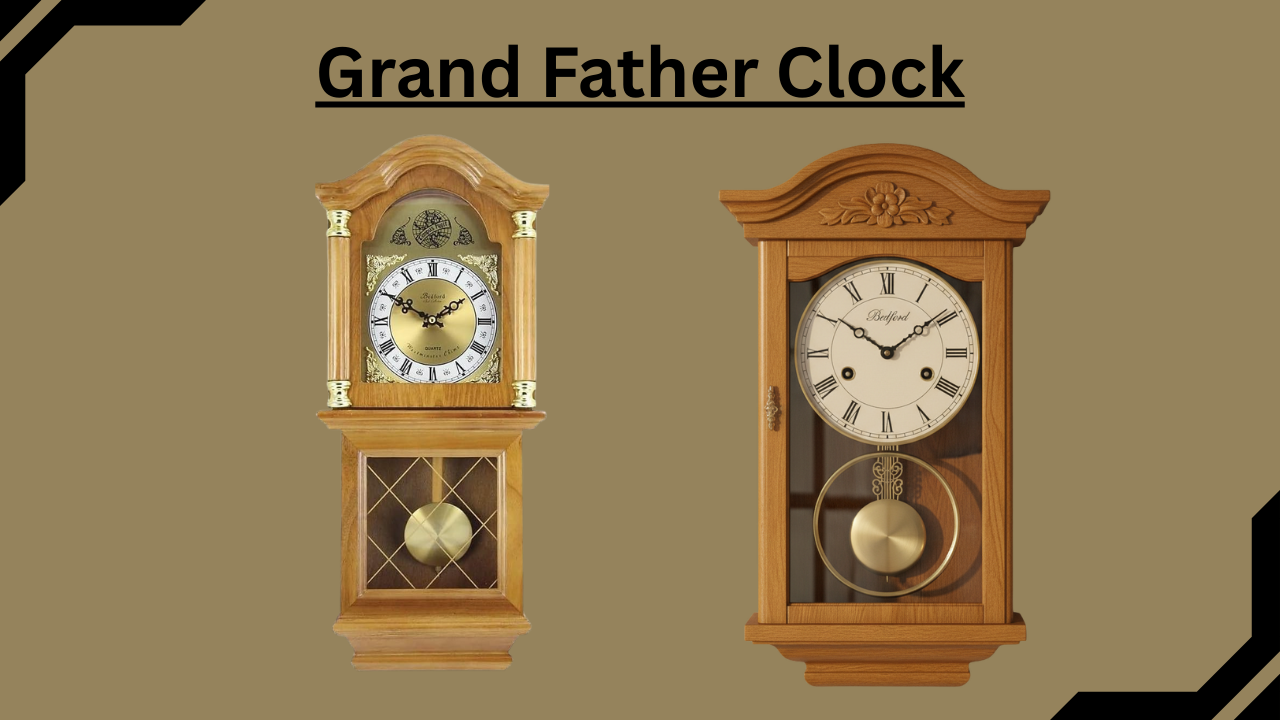
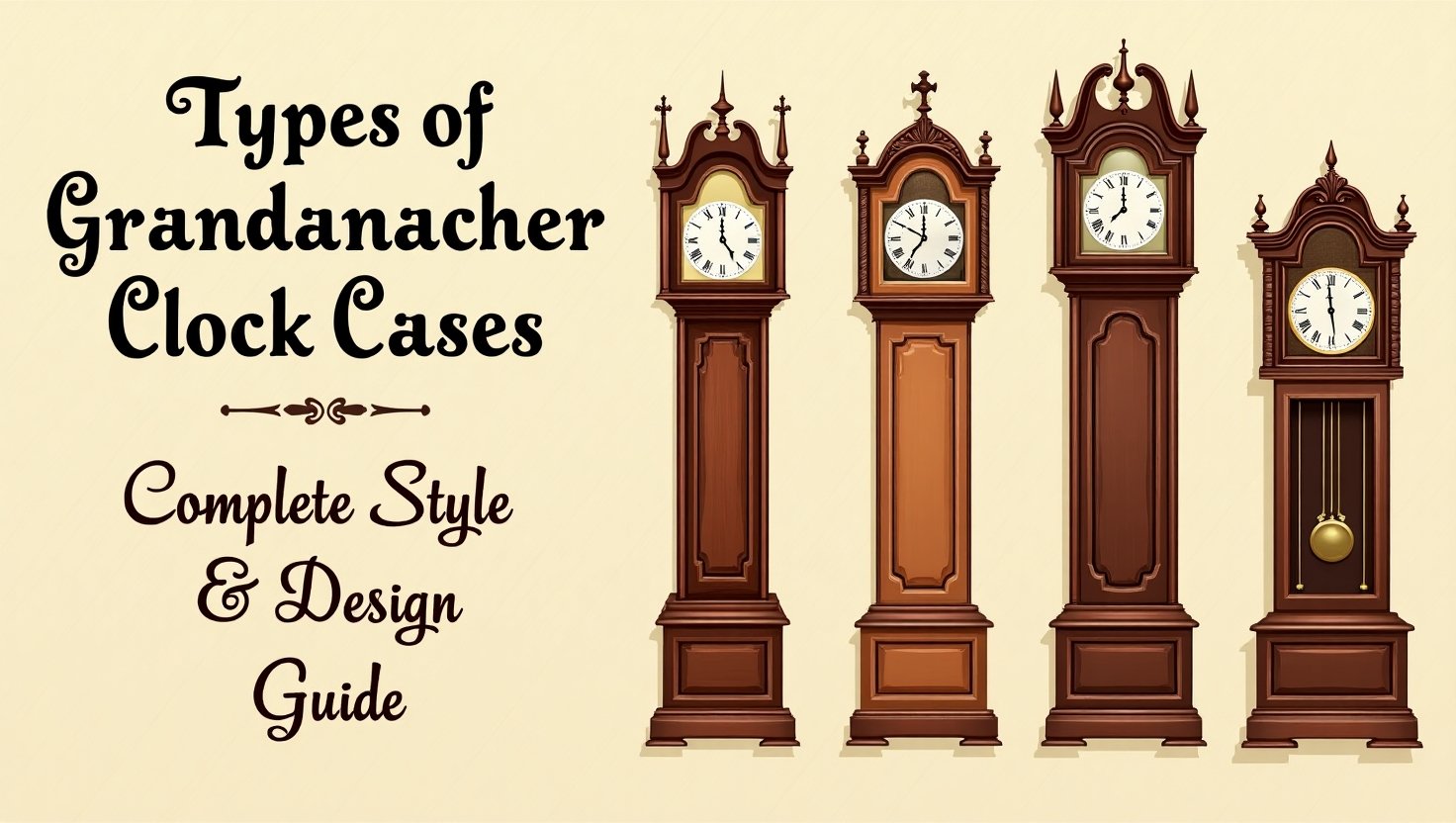
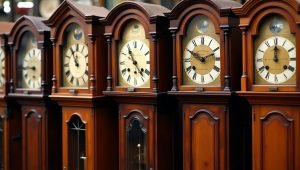
The iconic grandfather clock is a towering timepiece that stands over 6 feet tall. This type of clock is renowned for its elegance and grandeur. It typically features a long, swinging pendulum visible behind a glass door. Grandfather clocks often boast intricate carvings and detailed woodwork, such as floral motifs, scrollwork, or even classical columns.
The most famous aspect of grandfather clocks is their chiming mechanism. These clocks often chime on the hour, with some featuring melodies like the Westminster chime. The soothing sound of the chimes, combined with the rhythmic ticking of the pendulum, creates a calming atmosphere in the home.
In addition to their beauty, grandfather clocks are highly accurate and can keep precise time for decades. Many grandfather clocks use weights, which must be wound regularly to keep the clock functioning. The combination of engineering and artistry makes the grandfather clock a standout piece of furniture in any room.
2. Grandmother Clocks
A smaller version of the grandfather clock, the grandmother clock typically stands between 5 and 6 feet tall. While smaller than its larger counterpart, the grandmother clock retains many of the same features, such as a swinging pendulum, a chime mechanism, and beautiful woodwork. These clocks are ideal for homes with limited space or rooms that require a more compact clock.
Grandmother clocks are perfect for spaces such as small living rooms, bedrooms, or hallways. They provide the elegance of a traditional floor clock without overwhelming the room. Despite their smaller size, grandmother clocks still offer the same level of craftsmanship and can be equally stunning in design.
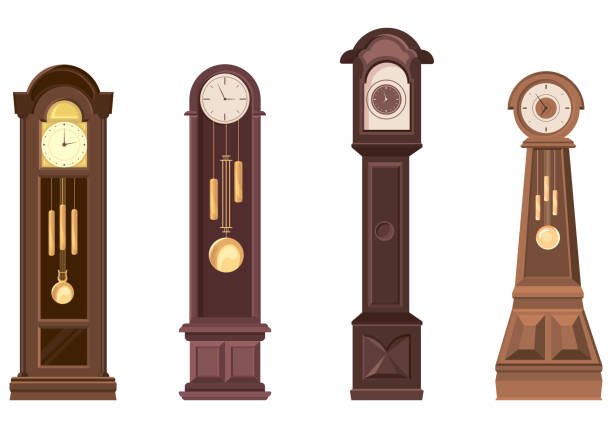
3. Granddaughter Clocks
The granddaughter clock is the smallest version of the floor clock, typically measuring less than 5 feet in height. These clocks are perfect for compact spaces and can often be placed in areas that may not accommodate a larger timepiece, such as smaller rooms, foyers, or apartments.
Granddaughter clocks maintain the same traditional aesthetics as their larger counterparts but are more streamlined and minimalist in design. They feature a pendulum, although the movement may be smaller, and some may even have fewer chimes or a simplified chime mechanism.
4. Regulator Clocks
Regulator clocks are precision timepieces designed to keep time as accurately as possible. They were originally used in scientific laboratories, factories, and observatories where precise timekeeping was crucial. Regulator clocks often do not have the ornate carvings or decorative features of grandfather clocks; instead, they are built for function and precision.
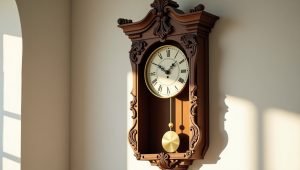
These clocks are often wall-mounted or floor-standing, and they are usually made from materials like metal, glass, or brass. The focus of a regulator clock is on the pendulum and the movement of its gears. The accuracy of a regulator clock is second to none, making it the preferred choice for environments where precise time is essential.
5. Modern Floor Clocks
In recent years, modern interpretations of floor clocks have emerged, combining traditional clock mechanisms with contemporary designs. These clocks often feature sleek, minimalist lines, and materials such as stainless steel, glass, and acrylic. Modern floor clocks may also incorporate digital technology alongside traditional analog mechanics, making them suitable for modern homes and offices.
While modern floor clocks retain the timeless appeal of their traditional counterparts, they offer more flexibility in terms of design. Some modern models even include features like adjustable chimes, digital time displays, or built-in lighting to enhance the overall aesthetic.
Key Features of Floor Clocks The Craftsmanship and Technology Behind the Design
Floor clocks are known for their intricate design and craftsmanship. Here are some of the key features that make these timepieces so unique and cherished:
1. Pendulum Mechanism
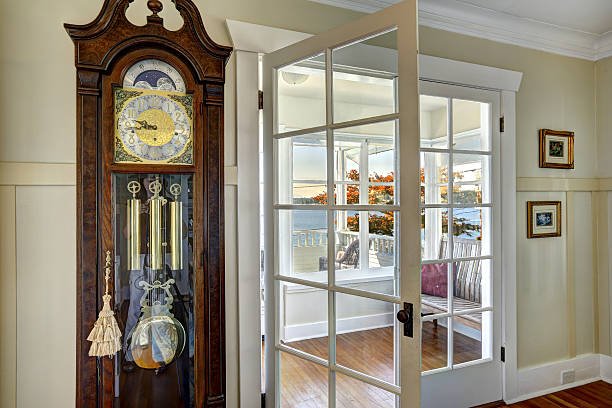
The pendulum is the heart of the floor clock. It swings back and forth, regulating the movement of the gears and ensuring that the clock keeps accurate time. The length, weight, and design of the pendulum play a crucial role in the clock’s precision. The pendulum is often visible through glass panels, allowing the owner to admire its movement and design.
The gentle swinging motion of the pendulum creates a soothing rhythm, and the sound of its ticking is often associated with a sense of calm and nostalgia. For many, the pendulum represents the enduring passage of time.
2. Chimes
Chimes are one of the most captivating features of a floor clock. Many traditional floor clocks play chimes on the hour, with the Westminster chime being the most popular melody. Some clocks offer multiple chime options, including songs like Whittington, St. Michael, or Canterbury.
The chimes can be a powerful auditory cue, marking the passing of time in a musical way. Some high-end floor clocks allow you to adjust the volume of the chimes or even disable them entirely for quieter environments.
3. Weight-Driven Mechanism
Traditional floor clocks are powered by weights, which are suspended from the clock’s movement. These weights gradually lower as the clock runs, providing the energy needed to power the gears, pendulum, and chimes. The weight-driven mechanism is a hallmark of classic clock design and ensures that the clock operates with precision.
Winding the clock regularly is an important part of maintaining its functionality. Most floor clocks need to be wound once a week, although the frequency may vary depending on the specific model.
4. Intricate Woodwork and Craftsmanship
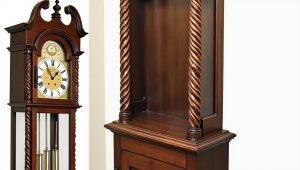
Floor clocks are often constructed from high-quality hardwoods such as oak, mahogany, walnut, and cherry. The wood is carefully selected for its beauty and durability. Expert craftsmen create intricate carvings and detailing, including floral patterns, rosettes, or geometric shapes. The wood is then polished to bring out its natural luster.
In addition to wood, floor clocks may feature metal accents, such as brass or gold, which enhance the overall elegance of the timepiece. The combination of wood, metal, and glass creates a visually stunning object that is both functional and ornamental.
5. Glass and Brass Panels
Many floor clocks feature glass panels that allow the owner to view the inner workings of the clock, including the swinging pendulum and moving gears. The glass is often beveled or frosted to add a touch of luxury, and it is typically framed by brass or other metals for a cohesive design.
The transparency of the glass enhances the appeal of the clock, allowing the owner to appreciate not only the clock’s design but also the intricate mechanics inside.
The Timeless Appeal of Floor Clocks: Why They Continue to Captivate
Despite the advent of digital clocks and smart technology, floor clocks continue to captivate homeowners, collectors, and clock enthusiasts. Here’s why they remain so beloved:
1. Timeless Elegance
Floor clocks add a touch of class and sophistication to any room. Their towering presence and intricate design make them an elegant focal point. Whether placed in a traditional home or a modern setting, floor clocks never go out of style.
2. Heritage and Tradition
Owning a floor clock is like possessing a piece of history. These clocks have been passed down through generations, often becoming family heirlooms. They carry with them stories of the past, and their craftsmanship reflects the tradition of clockmaking.
3. Superior Timekeeping
While floor clocks are beautiful to look at, they are also highly functional. The precision of the pendulum and the weight-driven mechanism ensure that the clock keeps accurate time for many years. Many floor clocks are built to last, often becoming treasured family possessions.
4. Collectible Value
Many vintage floor clocks have increased in value over time. Collectors seek out high-quality pieces from renowned manufacturers like Howard Miller, Ridgeway, and Hermle. Investing in a floor clock is not just about owning a functional timepiece; it’s about acquiring a valuable collectible.
5. A Conversation Starter
Floor clocks are conversation pieces. Their majestic design and soothing chimes draw attention, and they often spark discussions about their history, craftsmanship, and design. A floor clock is more than just a clock; it’s a source of admiration and fascination for anyone who enters the room.
Maintenance and Care: Keeping Your Floor Clock in Top Condition
To ensure that your floor clock continues to run smoothly for years to come, regular maintenance is essential. Here are some tips for keeping your clock in top condition:
1. Regular Winding
Most floor clocks need to be wound once a week. Use the winding key to turn the clock’s mechanism, raising the weights. Be sure to wind all three weights (for time, chimes, and strike) evenly. Overwinding can damage the clock, so be gentle.
2. Dusting and Cleaning
Dust the clock regularly with a soft cloth to prevent buildup. Use a gentle cleaning solution for the wooden surface, avoiding harsh chemicals that could damage the finish. Clean the glass panels with a non-abrasive glass cleaner to maintain their clarity.
3. Professional Servicing
While regular maintenance can be done at home, professional servicing is recommended every few years. A clock technician can clean, oil, and adjust the internal components to ensure that the clock continues to run accurately.
Conclusion
Floor clocks are timeless treasures that combine the beauty of fine craftsmanship with the precision of advanced clockmaking. Whether you choose a classic grandfather clock, a compact grandmother clock, or a modern design, a floor clock is more than just a timepiece. It is a symbol of tradition, an heirloom, and a conversation starter.
With proper care and maintenance, a floor clock can continue to function for generations, keeping time with grace and elegance. These magnificent pieces of art transcend trends and remain beloved fixtures in homes worldwide. Investing in a floor clock is investing in history, quality, and the beauty of timeless design.






Post Comment