
Flip Clocks vs Grandfather Clocks A Stylish Timekeeping Evolution
What Makes Clocks Timeless in a Digital World
Even in today’s fast-paced digital era, clocks remain essential fixtures in our lives. Beyond simply telling time, they serve as decorative pieces that reflect our personality and style. Traditional clocks, like grandfather clocks, symbolize heritage and craftsmanship, while modern clocks, such as flip clocks, blend nostalgia with contemporary technology. Their timeless appeal comes from how they connect us to both past and present, offering more than just functionality. Whether as heirlooms or trendy gadgets, clocks continue to hold a special place in homes and offices worldwide.

A Quick Overview: Flip Clock vs Grandfather Clock
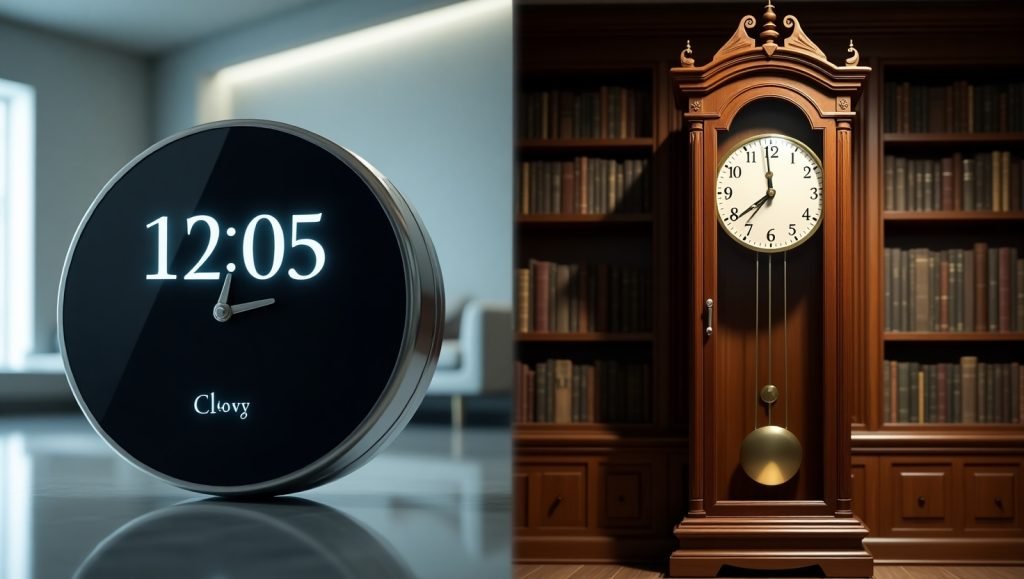
Flip clocks and grandfather clocks represent two distinct worlds of timekeeping. Flip clocks are known for their retro aesthetic and mechanical flipping action that displays numbers, often used as a compact and stylish alternative to digital displays. On the other hand, grandfather clocks are large, elegant, and built with intricate craftsmanship, often featuring pendulums and chimes. While flip clocks emphasize simplicity and modernity, grandfather clocks highlight tradition and grandeur. Understanding the features of both helps in choosing the right clock for your space and lifestyle.
Why This Comparison Matters Today
With so many clock options available, making an informed choice can be overwhelming. This comparison is valuable because it highlights the practical and aesthetic differences between flip clocks and grandfather clocks. For those decorating their homes or seeking a reliable timepiece, knowing what each clock offers helps avoid costly mistakes. Additionally, this insight serves collectors, interior designers, and everyday users who want to blend functionality with style. The article aims to provide clear, detailed information to guide readers toward the perfect clock choice.
2. What is a Flip Clock?
Flip Clock Design: How It Works
A flip clock operates through a clever mechanical system that flips individual cards to show the current time. Unlike traditional analog clocks with hands, flip clocks display numbers on split cards that “flip” down as minutes and hours change. This mechanism creates a satisfying, rhythmic motion that has made flip clocks a favorite among enthusiasts and design lovers. The design is both functional and visually appealing, combining mechanical ingenuity with retro charm. Despite their simplicity, flip clocks are precise and easy to read, making them practical for everyday use.
Evolution from Mechanical to Digital Flip Clocks
Originally, flip clocks were purely mechanical devices powered by gears and motors. Over time, they evolved into digital versions that mimic the flipping effect on electronic screens. These modern digital flip clocks are commonly used as screensavers, mobile apps, or desktop widgets, blending vintage aesthetics with modern convenience. This transition has expanded flip clocks’ appeal to tech-savvy users who appreciate the nostalgic look but want the benefits of digital technology, such as silent operation and battery efficiency. Both versions maintain the unique flipping animation that defines the style.
Why Flip Clocks Are Still Popular
Flip clocks have maintained their popularity because they offer a unique blend of form and function. They appeal to people who value design heritage and a tactile experience not found in simple digital readouts. Flip clocks also serve as conversation starters and stylish décor pieces in modern homes and offices. Their compact size makes them versatile for various spaces, and their straightforward readability suits all age groups. Whether used as a practical tool or decorative object, flip clocks continue to charm a wide audience with their timeless and distinctive appeal.
3. Flip Clocks in the Digital Age
Flip Clock Screensavers for Mac & Windows
Flip clock screensavers have become a popular way to add a touch of retro style to modern computers. These screensavers replicate the classic flipping numbers on digital displays, bringing the nostalgic charm of physical flip clocks to users’ desktops. Beyond their aesthetic appeal, they help reduce screen burn-in and add functionality by showing the current time clearly. Compatible with both Mac and Windows operating systems, these screensavers are easy to install and customize, making them a favorite among users who appreciate both form and function in their digital environments.
Online Flip Clocks & Mobile App Usage
With the rise of smartphones and smart devices, online flip clocks and mobile apps have made it easier than ever to enjoy the classic flip clock experience on the go. These apps offer customizable designs and often come with additional features like alarms and timers. Because they are digital, they can integrate with other apps and systems, providing convenience without sacrificing the retro style. This accessibility has expanded the appeal of flip clocks to younger generations who value both aesthetic and practical features in their daily lives.
Using Flip Clocks on MacBooks and Desktops
Many MacBook and desktop users prefer to use flip clock widgets or apps as part of their desktop setup. These digital versions bring the vintage look into the workspace while maintaining functionality and minimalism. They serve as a stylish alternative to standard digital clocks, offering a visually interesting way to track time. The ability to customize size, color, and position means flip clocks can blend seamlessly into any desktop environment, enhancing productivity with a nostalgic twist.
4. Flip Clock vs Grandfather Clock – Style Comparison
Retro vs Classic: Which Style Fits Your Space?
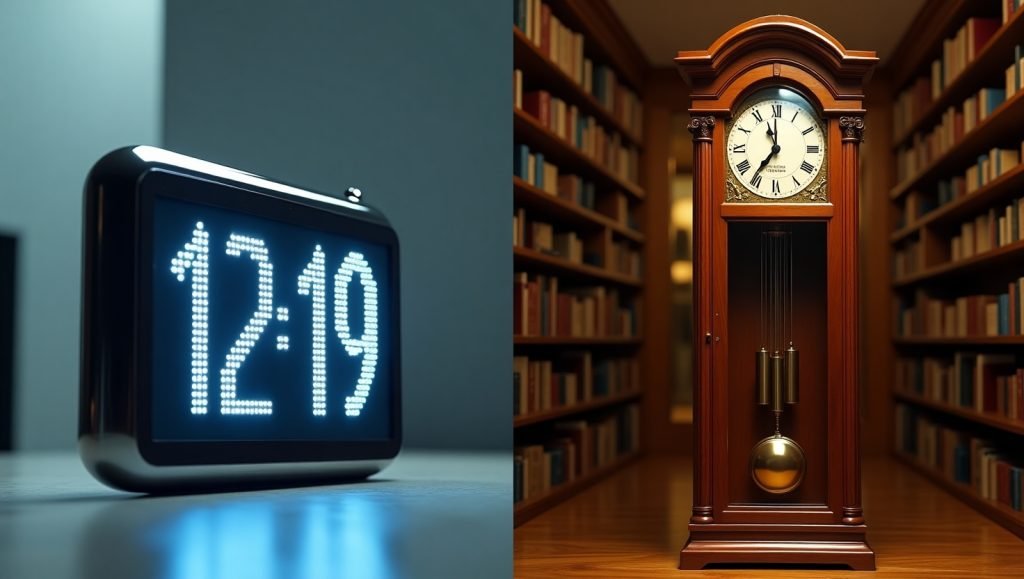
Flip clocks bring a retro, playful feel to any room with their clean lines and mechanical flipping action. They work well in modern or minimalist settings where a small but eye-catching piece is desired. Grandfather clocks, however, are steeped in classic elegance and tend to dominate a room with their towering presence and intricate woodwork. They suit traditional, vintage, or formal interiors. Choosing between the two styles depends largely on your personal taste and the overall décor theme you want to create.
Materials & Build Quality: Wood vs Plastic & Metal
Grandfather clocks are typically made from high-quality woods such as oak or mahogany, crafted with careful attention to detail. This makes them durable heirlooms designed to last for generations. Flip clocks, by contrast, often use plastic, metal, or a combination of materials that emphasize lightweight construction and portability. While flip clocks offer a more casual and contemporary feel, grandfather clocks provide a sense of permanence and craftsmanship that appeals to collectors and traditionalists alike.
Home Aesthetic: Modern Minimalism or Vintage Vibe?
Flip clocks fit naturally into a modern, minimalist home thanks to their compact size and clean design. They add a hint of vintage nostalgia without overwhelming the space. Grandfather clocks provide a vintage vibe that can serve as a focal point in larger rooms or entryways. Their presence often signals a respect for tradition and history. Deciding which clock fits best depends on how much space you have and whether you prefer subtle design accents or bold statement pieces.
5. Flip Clock Functions – More Than Just Style
Alarm Features & Countdown Timers
Many flip clocks come equipped with basic alarm functions and countdown timers, making them practical tools beyond simply telling time. These features add convenience for daily routines, helping users wake up or track specific time intervals. While they may lack the extensive programming options of modern smart devices, flip clocks’ straightforward alarms are reliable and easy to use, fitting well into bedrooms, offices, or kitchens.
Mechanical vs Digital Accuracy
Traditional mechanical flip clocks rely on motors and gears, which can occasionally lead to slight inaccuracies if not maintained properly. Digital flip clocks, on the other hand, benefit from quartz or electronic timing, offering greater precision and less need for adjustment. However, many enthusiasts appreciate the charm and craftsmanship of mechanical models despite these minor drawbacks. Both types balance style and function, but digital versions may be better suited for those who prioritize exact timekeeping.
Functionality in Daily Life Compared to Grandfather Clocks
Flip clocks are typically more compact and easier to place in various settings, from desks to nightstands. Their simple mechanisms mean they require minimal upkeep. Grandfather clocks, while beautiful and stately, often need regular winding, tuning, and more space. They are less portable and serve more as decorative centerpieces or heirloom pieces. For daily use, flip clocks provide versatility and ease, whereas grandfather clocks combine functionality with tradition and grandeur.
6. How to Choose the Right Flip Clock for You
Understanding Different Flip Clock Brands and Models
Choosing the right flip clock starts with understanding the variety of brands and models available. Some brands focus on vintage designs that closely mimic the original mechanical flip clocks, while others offer modern versions with digital technology and additional features. It’s important to consider the build quality, reliability, and design to match your personal style and functional needs. Reading reviews and comparing specifications can help you find a clock that offers the best balance of aesthetics and performance.
Factors to Consider: Size, Design, and Price
When selecting a flip clock, size plays a crucial role, depending on where you plan to place it. A small desk flip clock suits workspaces or bedside tables, while larger models make striking decorative pieces. The design should complement your room’s décor, whether you prefer a minimalist look or a more retro vibe. Price is another factor; while many affordable options provide good functionality, investing in a well-crafted clock can ensure durability and satisfaction over time.
Matching Your Flip Clock to Your Lifestyle
Your lifestyle will influence which flip clock suits you best. If you need a reliable alarm clock for your morning routine, look for models with clear displays and loud alarms. For tech enthusiasts, digital flip clocks with added features like Bluetooth or smart connectivity may be appealing. Those who value aesthetics might prioritize a classic mechanical model that adds character to their space. Ultimately, choosing a clock that fits your daily habits and taste will make it a valued part of your environment.
7. Maintaining and Caring for Flip Clocks
Basic Cleaning and Maintenance Tips
Proper care extends the life of your flip clock. Regular dusting with a soft cloth prevents buildup on the flipping cards and mechanical parts. Avoid using harsh chemicals that could damage the clock’s finish or mechanism. For mechanical models, occasional lubrication of moving parts can keep the flipping action smooth. Keeping your clock in a dry environment also prevents rust and electrical issues in digital versions.
Troubleshooting Common Issues
Flip clocks may experience problems such as cards getting stuck or incorrect time display. Mechanical issues often arise from dust or worn-out gears, which can be fixed by gentle cleaning or professional servicing. Digital flip clocks might freeze or lose time due to software glitches or battery problems. Understanding basic troubleshooting steps can help you quickly restore your clock’s function without costly repairs.
When to Seek Professional Help
While many maintenance tasks can be done at home, some repairs require expert attention. If your mechanical flip clock stops working despite cleaning and lubrication, it’s best to consult a professional clockmaker. Digital clocks with circuit or display failures might need manufacturer support or replacement parts. Investing in professional service ensures your clock remains accurate and preserves its value.
8. Grandfather Clocks and Their Connection to Flip Clocks
The Heritage of Grandfather Clocks
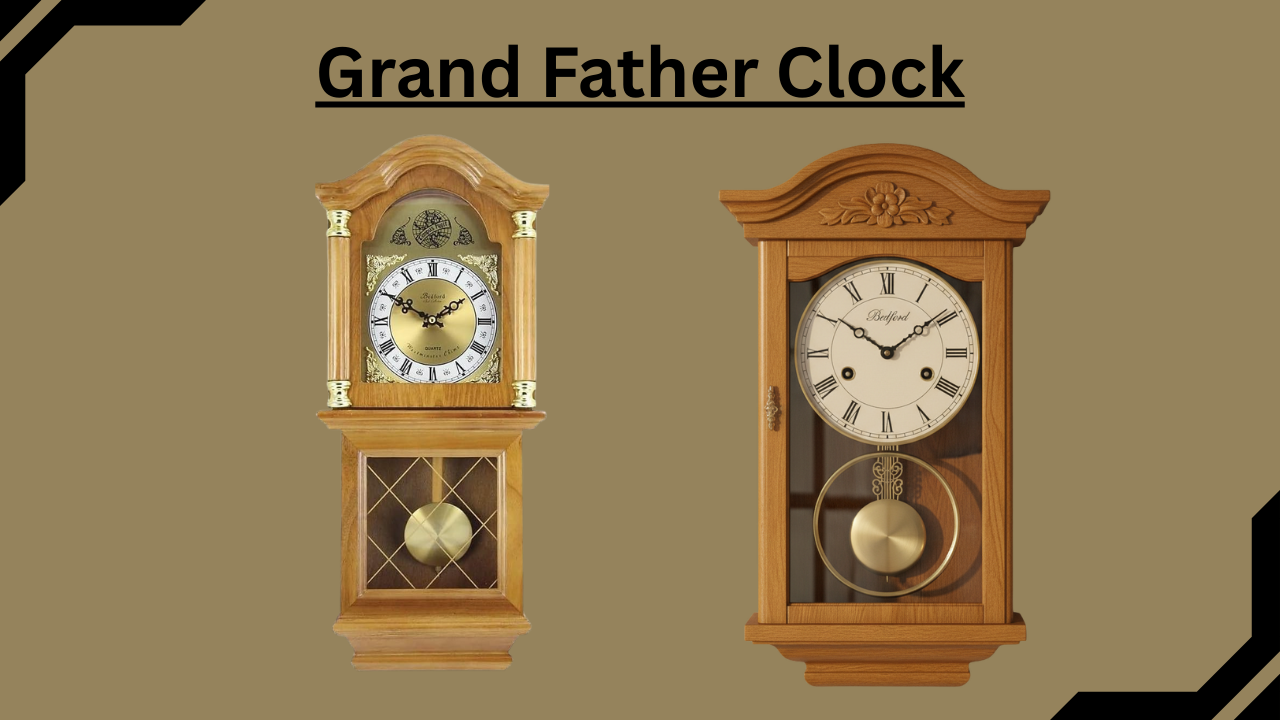
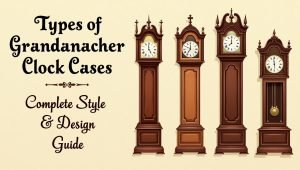
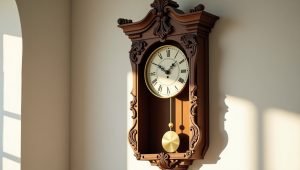
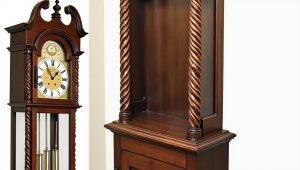
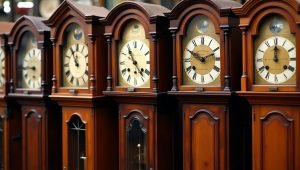
Grandfather clocks have a rich history dating back to the 17th century. Known for their tall, stately designs and intricate craftsmanship, these clocks symbolize tradition and longevity. They often feature pendulums and chimes that mark the passage of time in a way no modern clock can replicate. Grandfather clocks are cherished heirlooms, passed down through generations, representing a connection to the past and a commitment to quality.
Shared Characteristics Between Flip and Grandfather Clocks
Despite their differences, flip clocks and grandfather clocks share some key features. Both are mechanical timepieces that attract enthusiasts who appreciate tangible, tactile ways of displaying time. Each type emphasizes visible movement—flip clocks with their flipping cards, and grandfather clocks with their swinging pendulums and turning hands. This mechanical charm appeals to those who value craftsmanship and the artistry behind timekeeping.
Why Flip Clocks Appeal to Grandfather Clock Enthusiasts
Many grandfather clock enthusiasts are drawn to flip clocks because they offer a modern twist on classic mechanical timekeeping. Flip clocks provide the same sense of nostalgia and craftsmanship in a more compact, accessible form. For those who admire the traditional appeal but want something suitable for smaller spaces or contemporary décor, flip clocks are an excellent alternative that honors the spirit of grandfather clocks while fitting modern lifestyles.
Conclusion
Flip clocks offer a unique blend of retro charm and modern convenience, making them an appealing choice for anyone interested in timeless style with practical functionality. Whether you prefer the classic mechanical design or the updated digital versions, flip clocks provide a nostalgic way to keep track of time that fits seamlessly into various lifestyles and home aesthetics. When compared to grandfather clocks, flip clocks bring that same appreciation for craftsmanship but in a more compact and versatile form. By understanding the different features, maintenance needs, and design options, you can choose the perfect flip clock to enhance your space and daily routine. Embracing the blend of tradition and innovation, flip clocks continue to captivate enthusiasts and casual users alike, proving that good design and thoughtful engineering never go out of style.
FAQs
Q1: Are flip clocks noisy compared to traditional clocks?
Most flip clocks produce a gentle flipping sound when the cards change, which some people find soothing and nostalgic. However, they are generally quieter than the ticking of many mechanical clocks and much quieter than chimes in grandfather clocks.
Q2: Can flip clocks work without electricity?
Mechanical flip clocks can operate without electricity since they rely on gears and springs. Digital flip clocks, on the other hand, require power, either from batteries or an electrical source.
Q3: How accurate are flip clocks compared to other clocks?
Flip clocks are quite accurate, especially digital models. Mechanical flip clocks may require occasional adjustment to maintain perfect time, similar to other analog clocks.
Q4: Is it difficult to find replacement parts for vintage flip clocks?
Finding parts for vintage flip clocks can be challenging due to their age and unique mechanisms. However, many enthusiasts and specialty shops can help source or fabricate replacement parts.
Q5: Do flip clocks require regular battery changes?
Digital flip clocks usually need battery replacements depending on usage and battery type. Mechanical flip clocks do not use batteries but may require occasional winding or maintenance.
Q6: Are flip clocks suitable for outdoor use?
Most flip clocks are designed for indoor use. Exposure to moisture or extreme temperatures can damage the mechanism, so outdoor use is generally not recommended unless specifically designed for it.
Q7: Can flip clocks be customized or personalized?
Some brands offer customizable flip clocks with different colors, sizes, or even personalized printing. DIY enthusiasts sometimes modify flip clocks for a unique look.



Post Comment