
How to Fix a Rack That Won’t Drop Fully onto the Snail
One of our valued visitors asked us a heartfelt question about their grandfather clock, and because we truly care about every reader, we’ve created this detailed step-by-step guide just for them (and for you)

Grandfather clocks are more than just timekeepers; they carry memories, legacy, and often generations of family tradition. So when something goes wrong, like the rack not fully dropping onto the snail, it can feel frustrating and confusing. If you’ve noticed your clock strikes the wrong number of hours or skips altogether, this guide is for you.
Here are ten carefully explained, step-by-step tips to help you solve the issue where the rack won’t fully drop onto the snail during normal operation, but does when you manually engage it.
1. Let the Rack Tail Move Freely
When the rack doesn’t fall properly, the first thing to check is its tail, the part that touches the snail. If it’s stuck, too tight, or hitting another part, it won’t fall as it should.
What to Do:
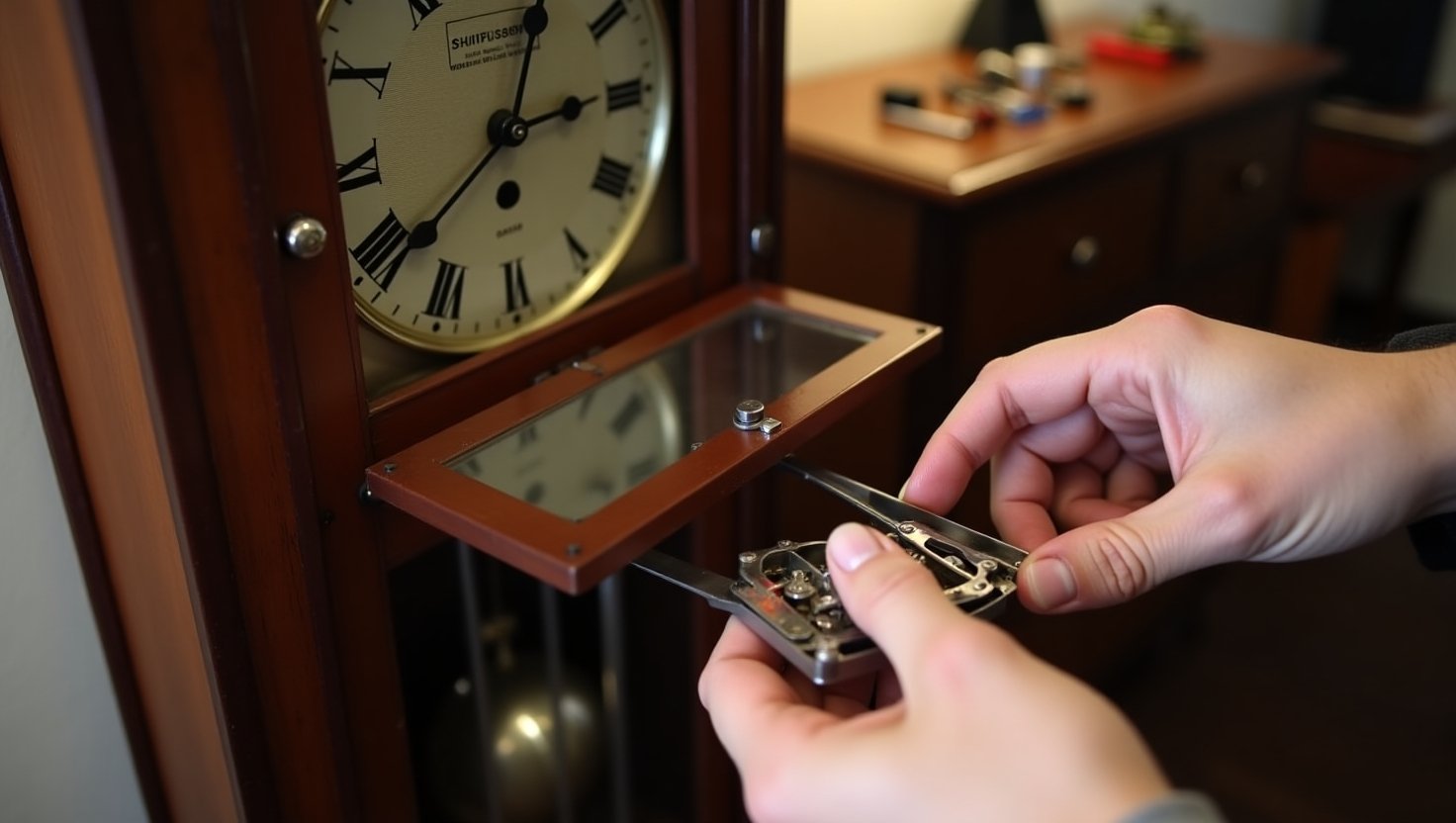
- Remove the clock’s dial to access the movement.
- Gently move the rack tail by hand to feel for any tightness or friction.
- Clean the area with a soft cloth and apply a small amount of clock oil to the pivot points. Avoid general-purpose lubricants.
- Loosen any overtight screws that may be compressing parts.
2. Check and Adjust the Snail Alignment
The snail — the stepped cam the rack falls onto — must be perfectly aligned. If it’s even slightly off, the rack may hover or partially hang, leading to incorrect hour striking.
Solution:
- Observe the snail’s seating. It should sit flush and rotate smoothly with the hour hand.
- If it feels loose or tilted, press it gently back into place.
- Make sure the steps on the snail are clean and free from debris.
3. Test and Adjust the Warning Lever Timing
The strike train is released by a lever system, and timing is everything. If the train runs before the rack can fall, you’ll face the exact issue you’re experiencing.
How to Fix:
- Manually move the minute hand slowly toward the hour mark.
- Observe when the warning pin unlocks and when the rack begins to fall.
- If the strike begins before the rack drops fully, adjust the warning lever slightly back to delay the release.
4. Strengthen the Rack Return Spring
This small but essential spring helps pull the rack down. If it’s weak, bent, or missing, gravity alone may not be enough to complete the drop.
Steps:
- Examine the rack return spring; it should be firm but not stiff.
- If it appears loose or stretched, gently bend it inward to restore tension.
- Consider replacing the spring if it’s too worn.
5. Run a Slow Motion Strike Test
Sometimes everything appears fine, but only a slow-motion test reveals the issue. This helps check the interaction of all strike components in real time.
What to Do:
- Move the minute hand slowly from quarter to the hour position.
- Watch the gathering pallet, rack hook, and snail closely.
- Look for any delays, hesitations, or parts getting stuck.
- Take notes on what appears off, timing is key.
6. Clean Gears, Levers, and Pivots
Old oil, dirt, and even fine dust can prevent smooth movement. Rack or lever parts can get sluggish due to buildup, leading to incomplete drops.
Cleaning Guide:
- Use a small brush or lint-free cloth to remove surface dust.
- Apply clock-safe degreaser to sticky or gummed-up areas.
- Avoid using household lubricants like WD-40, they attract more dirt.
- After cleaning, apply a minimal amount of clock oil to moving parts.
7. Ensure the Rack Hook Engages Properly
The rack hook keeps the rack from falling too early and must release it at just the right moment. Misalignment or wear can prevent full drop.
Solution:
- Observe how the rack hook releases the rack.
- If it releases too early or too late, gently bend or reposition it.
- Make sure the hook isn’t dragging or catching on another part.
8. Clear Obstructions Behind the Snail
It’s not uncommon for small debris, dried oil, or even a misplaced washer to block the rack’s path. If the rack can’t settle completely on the snail, it will hover.
Check This Area:
- Shine a flashlight behind and under the snail.
- Use a soft wooden stick or an air blower to remove any obstruction.
- Never use metal tools directly on clock parts; they can scratch or bend critical components.
9. Adjust the Rack Tail and Snail Contact Angle
For smooth operation, the tail must rest flush on the snail’s surface. If the angle is off, it may ride the edge or get stuck mid-drop.
Adjustment Tip:
- Gently adjust the rack tail so that it falls in a clean, downward arc.
- Ensure it lands flat on each snail step.
- Use minimal force and test after every small adjustment.
10. Reassemble and Run a Full Test Cycle
Once adjustments are complete, don’t skip the final test. Without this, small errors can go unnoticed.
Final Steps:
- Reattach the dial and hour/minute hands.
- Wind the clock fully.
- Observe the strike function for at least 12 full hours.
- Ensure the rack drops fully and strikes match the hour exactly.
Final Words
Fixing a grandfather clock requires patience, observation, and gentle adjustments. Most importantly, don’t rush. The rack and snail system is a finely balanced mechanism. If you follow these ten steps with care, your clock should strike accurately once again, restoring not just timekeeping, but peace of mind in your home.
If you’ve worked through all these tips and still face trouble, it may be time to consult a professional clockmaker. But in many cases, the solution lies in these small, thoughtful corrections.











Post Comment