
Cuckoo Clock vs Grandfather Clock Hidden Stories
Traditional timepieces have been a staple of home decor for centuries. Cuckoo clocks and grandfather clocks are two of the most iconic and intriguing examples.
Did you know that the intricacies of these clocks have fascinated people for generations? Some clocks date back to the 17th century. The cuckoo clock, from Germany, is famous for its whimsical bird that announces the time. The grandfather clock, known for its tall, stately presence, adds elegance and sophistication to many homes.
Both clocks have unique stories and characteristics. They reflect the craftsmanship and innovation of their time. As we explore these clocks, we’ll look into their history, mechanics, and their roles in modern home decor.
Key Takeaways
- Understanding the historical significance of cuckoo and grandfather clocks.
- Exploring the unique features and mechanisms of each clock type.
- Comparing the roles of cuckoo and grandfather clocks in modern home decor.
- Discovering the craftsmanship that goes into creating these traditional timepieces.
- Learning how to choose between a cuckoo clock and a grandfather clock for your home.
The Timeless Appeal of Traditional Clocks
In today’s world of digital time, traditional clocks shine with their craftsmanship and heritage. They add a special touch to any room. These clocks are not just for telling time; they also show off the art and innovation of their era.
The Enduring Fascination with Mechanical Timepieces
Mechanical clocks have a unique charm. Their detailed mechanisms and the sound of ticking remind us of time’s passage. “Mechanical clocks are a testament to human ingenuity and the relentless pursuit of precision,” says horologist, Henry Lang. People love these clocks for their complexity and the skill needed to make them.
The Role of Heritage Clocks in Modern Homes
Heritage clocks are key in today’s homes. They connect us to the past and add elegance to our decor. Often, they are family treasures, carrying deep meaning. They also link us to history and culture, making our homes richer.
To mix heritage clocks with modern decor, pair them with modern furniture. This contrast highlights the clock’s unique beauty. It brings together tradition and modernity, making a statement.
Origins and Evolution of the Cuckoo Clock
In the Black Forest, a place famous for its dense woods and rich culture, cuckoo clocks were first made. The Black Forest, or Schwarzwald in German, has been a hub for clockmaking for over 300 years. It’s known for creating some of the most detailed and innovative clocks in the world.
The Black Forest Beginnings
The Black Forest was perfect for making cuckoo clocks. It had lots of wood and skilled craftsmen. Clockmaking here was a mix of need for time and artistic talent.
The Legend of Franz Anton Ketterer
Franz Anton Ketterer, a famous clockmaker from the Black Forest, is said to have invented the cuckoo clock in the 1700s. He was inspired by the cuckoo bird’s call, using a bellows and a pipe to mimic it. Ketterer’s design changed clockmaking, turning it into a form of art that amazed people in Europe.
Early Design Innovations
Early cuckoo clocks were not just for telling time. They were also beautifully carved and decorated, showing off the Black Forest’s craftsmanship. Innovations included moving figures and elaborate cases that showed the region’s rich culture. This mix of function and art set the stage for cuckoo clocks’ worldwide fame.
From Necessity to Artistry: The Development of Cuckoo Clocks
As cuckoo clocks became more popular, their design changed. Clockmakers added complex features like musical movements and moving figures. This change was to make clocks that were not just accurate but also beautiful and fun to watch.
| Feature | Description | Innovation |
|---|---|---|
| Cuckoo Call | Replicates the call of the cuckoo bird | Introduced by Franz Anton Ketterer |
| Animated Figures | Moving characters that dance or perform actions | Added visual appeal and entertainment |
| Intricate Carvings | Detailed wood carvings on the clock case | Showcased craftsmanship and artistry |
The story of cuckoo clocks shows the creativity and skill of Black Forest craftsmen. From simple timekeepers to beloved decorative items, cuckoo clocks continue to enchant people all over the world.
The Majestic History of Grandfather Clocks
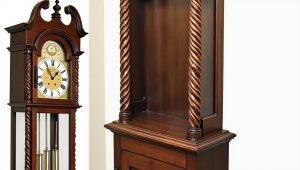
Grandfather clocks started in the 17th century. They went from simple timekeepers to works of art. These tall clocks were made to hold the pendulum and weights needed for their function.
From Longcase to Grandfather: A Name’s Evolution
The term “grandfather clock” wasn’t always used. It became popular after a song by Henry Clay Work called “My Grandfather’s Clock.”
The Song That Changed a Name
“My Grandfather’s Clock” was written in 1876. It tells of a clock that kept perfect time until its owner passed away. This song made “grandfather clock” a common term, replacing “longcase clock.”
European Craftsmanship and Global Spread
European craftsmen, like those from England, Holland, and Germany, were key in making grandfather clocks. Their skills in woodworking, metalwork, and clockmaking made these clocks both useful and beautiful.
Royal Patronage and Aristocratic Demand
Royal support and demand from the aristocracy helped grandfather clocks become popular. These clocks were seen as status symbols. Their detailed designs and precise mechanisms were loved by the upper classes.
The following table highlights key aspects of grandfather clocks during different periods:
| Period | Characteristics | Craftsmanship |
|---|---|---|
| 17th Century | Introduction of longcase clocks, pendulum-driven | Early wooden cases, simple dials |
| 18th Century | Ornate designs, intricately carved | Advanced woodworking, introduction of moon phase dials |
| 19th Century | Mass production techniques, varied case styles | Improved precision, addition of chime mechanisms |
The history of grandfather clocks shows the creativity and skill of European clockmakers. From being just timekeepers to being treasured antiques, these clocks are loved by many.
Cuckoo Clock vs Grandfather Clock: A Direct Comparison
Choosing between a cuckoo clock and a grandfather clock involves several factors. Both are traditional timepieces with unique features. These features can greatly affect their fit in different homes and personal tastes.
Size and Space Requirements
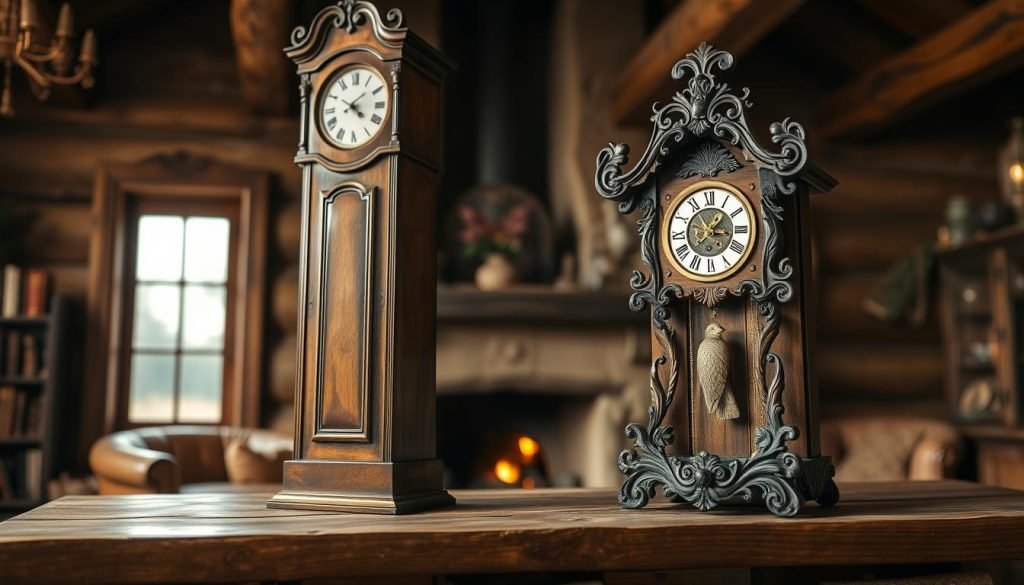
Cuckoo clocks are much smaller than grandfather clocks. Cuckoo clocks can be just a few inches wide and tall. Grandfather clocks, on the other hand, are tall, often over 6 feet high.
This size difference makes cuckoo clocks perfect for small spaces or as wall decorations. Grandfather clocks, being larger, are more suited as room centerpieces. They need a lot of floor space.
Grandfather clocks can be quite a big deal in a room. They take up a lot of space and can be quite dominant. Cuckoo clocks, being smaller, can fit in many places without taking over the decor.
Price Ranges and Investment Value
The cost of cuckoo and grandfather clocks varies a lot. It depends on the craftsmanship, materials, and brand history. Cuckoo clocks range from affordable to very expensive, with detailed carvings.
Grandfather clocks are pricier because of their complexity and size. Prices can go from a few hundred to several thousand dollars for antique or fancy models.
Both clocks can increase in value over time. But grandfather clocks, with their detailed mechanisms and history, are often seen as better investments.
Sound and Hourly Chimes
The sound of cuckoos and grandfather clocks is a key feature. Cuckoo clocks make a distinctive cuckoo call on the hour (and sometimes half-hour). Grandfather clocks chime on the hour with a tune, often with a striking mechanism.
The sound of these clocks is a big part of their charm. Some like the cuckoo clock’s whimsical call. Others prefer the traditional chimes of the grandfather clock.
The Intricate Mechanics Behind Cuckoo Clocks
Behind the charming facade of a cuckoo clock lies a sophisticated mechanical system. This system makes these clocks not only functional but also pieces of art that captivate audiences.
The Cuckoo Call Mechanism Explained
The cuckoo call is a key feature of these clocks. It involves a bellows that inflates and deflates to produce the “cuckoo” sound. This sound is triggered by a mechanical linkage at the top of the hour.
The sound is often accompanied by a figurine or bird emerging from a small door. This adds to the clock’s charm. The precision needed to sync the sound with the figurine’s movement shows the craftsmanship involved.
Weight-Driven vs Quartz Movements
Cuckoo clocks can be powered by either weight-driven or quartz movements. Weight-driven clocks use a mechanical system where weights are lifted to power the clock’s gears. They need to be wound periodically.
| Movement Type | Power Source | Maintenance |
|---|---|---|
| Weight-Driven | Mechanical Weights | Periodic Winding |
| Quartz | Battery | Battery Replacement |
Animation and Moving Elements
The animations in cuckoo clocks add an extra layer of entertainment. These can include rotating figurines, dancing characters, and other moving parts. They are synchronized with the clock’s chimes or the cuckoo call.
Musical Dancers and Rotating Figurines
Some cuckoo clocks feature elaborate animations, like musical dancers or rotating figurines. These elements are powered by the same mechanical system that drives the clock’s timekeeping functions.
The combination of mechanical ingenuity and artistic expression makes cuckoo clocks unique. Understanding the mechanics behind these clocks can deepen our appreciation for the craftsmanship involved in their creation.
Inside the Grandfather Clock Engineering Marvel
Grandfather clocks are more than just timekeepers. They are complex machines with a rich history. Their inner workings show a world of mechanical engineering.
The Pendulum and Weight System
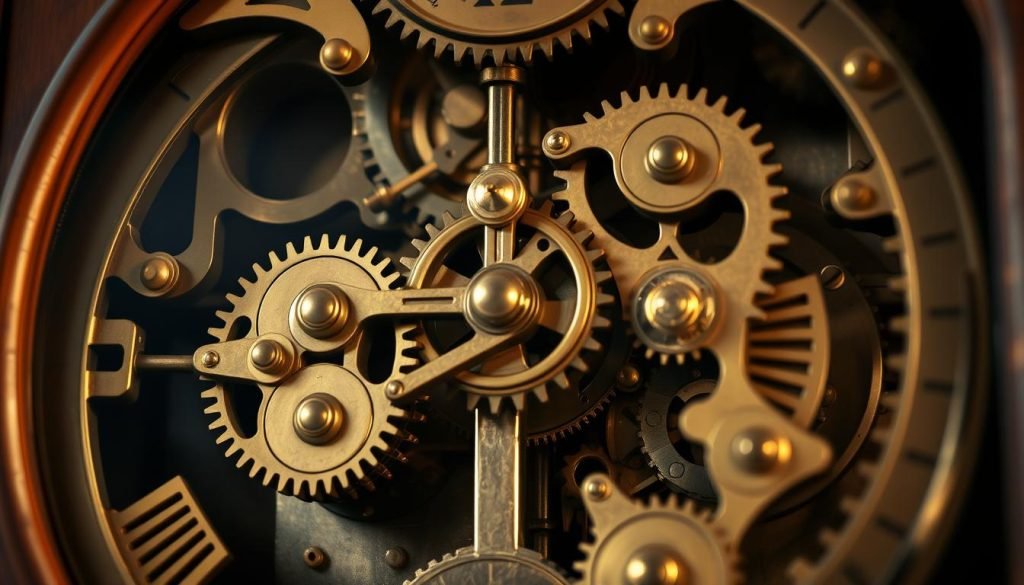
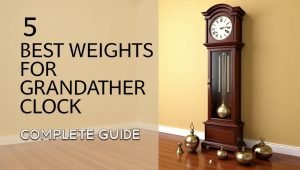
The pendulum and weight system are key parts of a grandfather clock. The pendulum swings to divide time evenly. The weights power the clock to keep ticking. The pendulum’s steady swing ensures the clock’s accuracy.
- The pendulum’s length affects the clock’s timekeeping.
- Weights are usually metal and can be adjusted.
The Melodious Chime Mechanisms
Grandfather clocks are known for their chime mechanisms. These clocks can play various tunes, making them more charming. The chimes are powered by a separate weight or spring.
Westminster, Whittington, and St. Michael Chimes
Popular chime tunes include Westminster, Whittington, and St. Michael. Each tune has its own charm and is linked to certain clock makers.
Moon Phase Dials and Additional Complications
Many grandfather clocks have moon phase dials. These dials show the lunar cycle, adding beauty and complexity. Other features might include date displays and alarms.
- Moon phase dials accurately track the lunar cycle.
- More features can make the clock more functional and beautiful.
Artistic Elements and Design Variations
Cuckoo and grandfather clocks are more than just timekeepers. They are works of art that show off the skills of clockmakers. These clocks are beautiful and tell time, making them perfect for decorating homes.
Cuckoo Clock Carvings and Themes
Cuckoo clocks are famous for their detailed carvings. These carvings show scenes from nature, stories, or daily life. They show the amazing skill of the clockmakers.
Hunting Scenes and Alpine Motifs
Many cuckoo clocks have hunting scenes or Alpine themes. These themes come from the Black Forest region where they were made. They add beauty to the clock’s design.
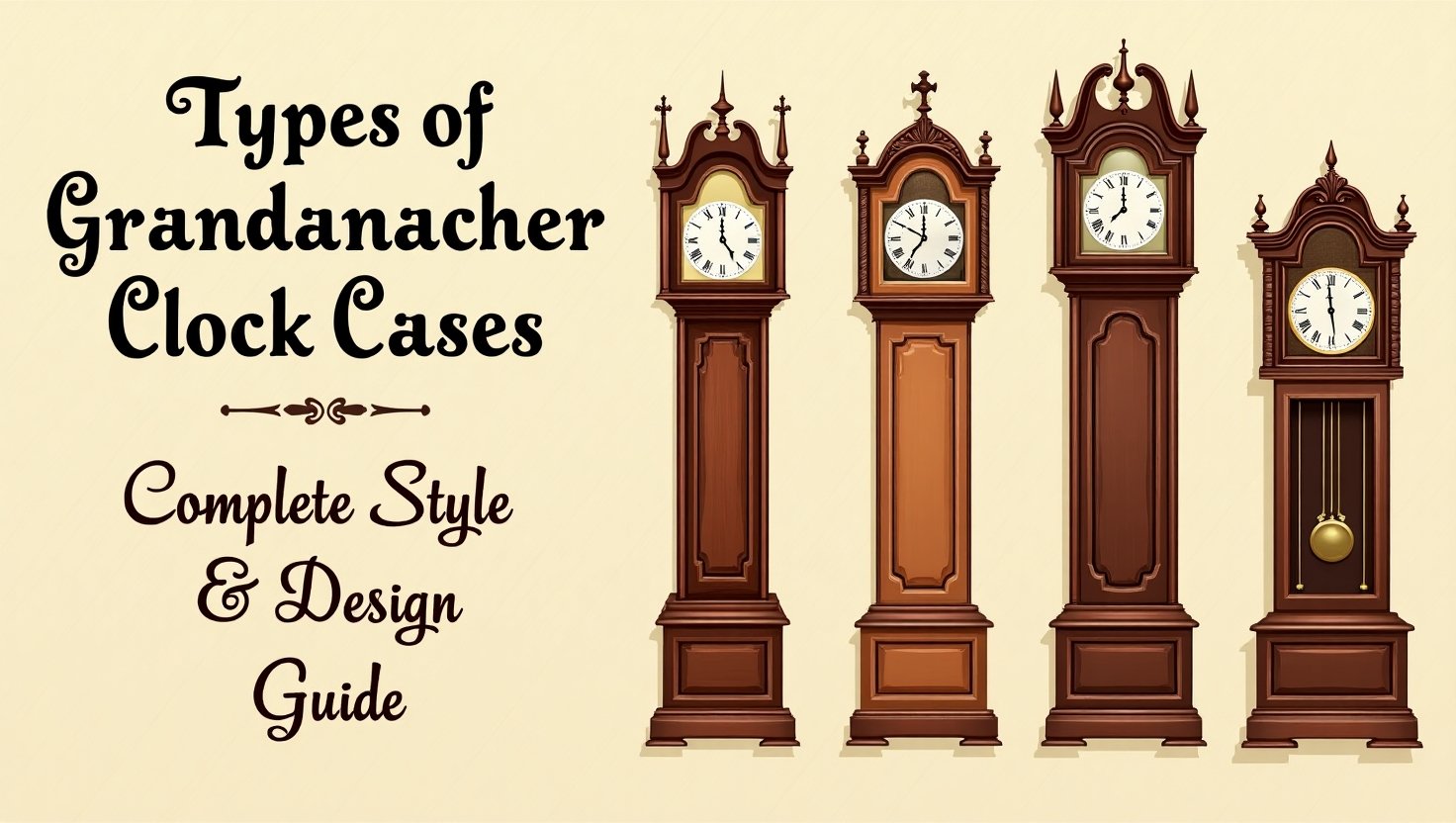
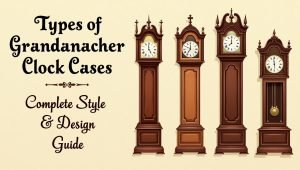
Grandfather Clock Case Styles Through the Centuries
Grandfather clocks have been a part of home decor for a long time. Their designs have changed over the years, influenced by different styles.
From Baroque to Art Deco Influences
Grandfather clocks have been shaped by many artistic styles, like Baroque and Art Deco. Each style brings its own look, from detailed ornamentation to geometric patterns.
The Dial and Face: Artistic Expressions
The dial and face of both cuckoo and grandfather clocks are artistic spaces. They range from simple designs to detailed, painted scenes. The dial is key to the clock’s beauty.
| Clock Type | Common Design Elements | Artistic Influences |
|---|---|---|
| Cuckoo Clocks | Carvings of leaves, animals, and Alpine scenes | Folk art, Nature-inspired motifs |
| Grandfather Clocks | Elegant case designs, moon phase indicators | Baroque, Rococo, Art Deco |
Cultural Impact and Symbolism
Traditional timepieces like cuckoo clocks and grandfather clocks hold deep cultural significance. They are more than just time-telling devices. They are a big part of many societies’ heritage.
The Cuckoo Clock in Literature and Film
Cuckoo clocks have shown up in books and movies, often symbolizing nostalgia or time passing. Their unique sound has become a cultural touchstone.
From Orson Welles to Harry Potter
In movies like Orson Welles’ The Stranger, cuckoo clocks hint at something ominous. In the Harry Potter series, they mark time and the characters’ growth.
“The clock struck the hour, its cuckoo call echoing through the silent forest.”
The Grandfather Clock as a Status Symbol
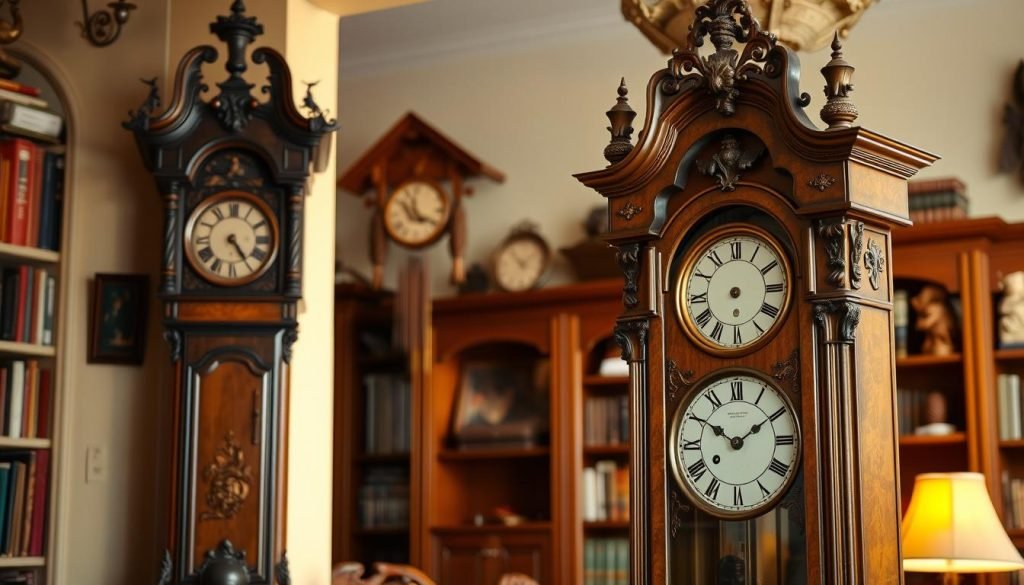
Grandfather clocks were once symbols of wealth and status. Their size, craftsmanship, and cost made them a luxury item.
| Clock Type | Status Symbol | Craftsmanship |
|---|---|---|
| Grandfather Clock | High | Intricate |
| Cuckoo Clock | Moderate | Detailed Carvings |
Timepieces as Family Heirlooms
Both cuckoo and grandfather clocks are treasured family heirlooms. They carry sentimental value and historical importance.
In conclusion, the cultural impact of these traditional clocks is vast. They influence literature, film, and family traditions.
Hidden Stories and Legends
Cuckoo and grandfather clocks have long been tied to many hidden stories and legends. These timepieces have kept time but also hold a special place in our culture. They carry a mystique that goes beyond their practical use.
The Cuckoo’s Warning: Folklore and Superstitions
The cuckoo clock’s call has sparked many folklore and superstitions. In some places, it’s seen as a sign of good luck. But in others, it’s believed to warn of bad things to come or even death. The superstition around the cuckoo’s call has long fascinated many, leading to a wealth of stories and legends.
One legend says a cuckoo clock calls out not just at the hour but also when someone is about to die. This spooky tale has been shared for generations, adding to the cuckoo clock’s mystique.
Grandfather Clocks and the Supernatural
Grandfather clocks, with their tall, imposing look, have a supernatural side. There are stories of clocks stopping at a family member’s death or chiming when no one is there. These tales have made grandfather clocks seem like guardians of the home, watching over the family and sometimes predicting events.
The Stopped Clock Mystery
One famous legend about grandfather clocks is the stopped clock phenomenon. It’s believed that when a grandfather clock stops, it often happens at a significant moment, like a family death. While it might just be coincidence or a mechanical issue, the mystery of the stopped clock remains a captivating story that keeps people interested.
“The clock stopped, and with it, an era passed,” is a common saying in stories about grandfather clocks. It shows how deeply people connect with these timepieces.
Collecting Antique Clocks: What to Know
Exploring antique clock collecting is a journey into a world where art, mechanics, and history meet. For those who collect, it’s important to understand the details of these timepieces.
Identifying Authentic Vintage Cuckoo Clocks
Spotting real vintage cuckoo clocks involves looking at their craftsmanship, mechanical parts, and unique cuckoo call. Look for signs of aging and wear that match the clock’s age. A maker’s mark or signature can also prove it’s genuine.
- Examine the clock’s carvings and decorations for detailed work.
- Check the mechanical movement for any restoration or changes.
- Make sure the cuckoo call mechanism is original and works well.
Evaluating Antique Grandfather Clocks
When evaluating antique grandfather clocks, look at their condition, rarity, and background. Consider the clock’s case style and craftsmanship, along with any special features like moon phase dials or chime mechanisms.
- Inspect the clock’s case for any damage or repairs.
- Check the pendulum and weights for condition and function.
- Research the clock’s history and maker to understand its rarity and worth.
Preservation and Value Considerations
To keep the value of antique clocks, it’s key to keep them in good condition and working order. Regular care and proper storage can help avoid damage and wear.
Maintenance and Care Essentials
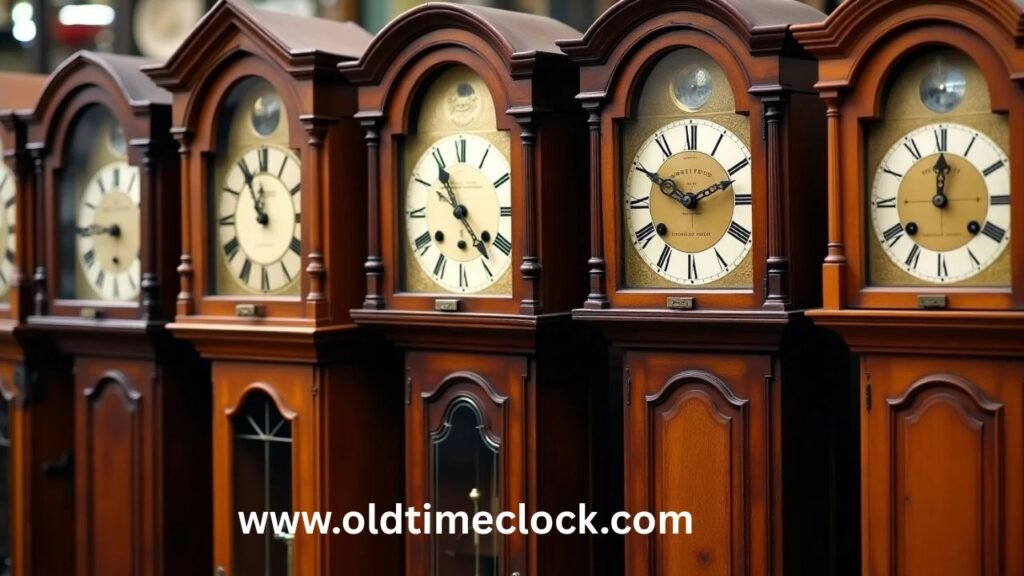
Keeping cuckoo and grandfather clocks in good shape is key. They are not just pretty decorations but also complex machines. They need care to keep ticking accurately.
Daily and Weekly Cuckoo Clock Maintenance
Cuckoo clocks need regular upkeep. Every day, make sure the clock is level, and the pendulum swings freely. Weekly, use a soft cloth to dust the clock, avoiding harsh chemicals.
Grandfather Clock Service Requirements
Grandfather clocks need more care because of their complex parts. A pro should check and service them every 3 to 5 years. Tasks include checking the pendulum, aligning the weights, and oiling the parts.
When to Seek Professional Repair
If your clock stops or keeps bad time, get it fixed by a pro. Trying to fix it yourself can cause more harm.
| Clock Type | Daily/Weekly Tasks | Service Interval |
|---|---|---|
| Cuckoo Clock | Check level, dust exterior | Every 5-7 years |
| Grandfather Clock | Check pendulum, weight alignment | Every 3-5 years |
Modern Adaptations and Contemporary Designs
In recent years, the clock industry has seen big changes. Old designs are now mixed with new ideas. This is true for both cuckoo and grandfather clocks, where old skills meet new looks.
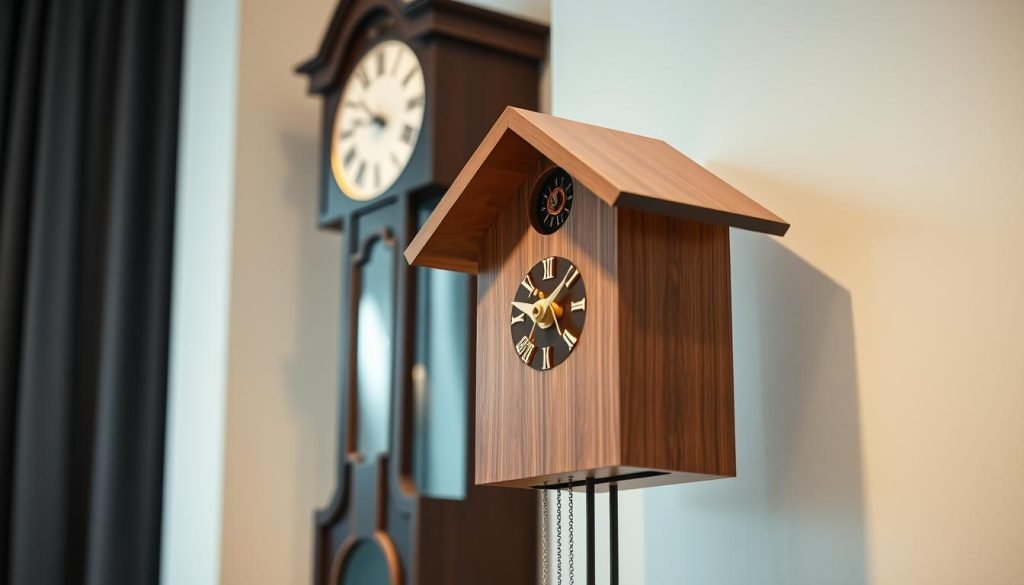
The Evolution of the Modern Cuckoo Clock
The modern cuckoo clock has changed a lot. It’s moved away from old designs. Now, we see:
- Simplified facades with clean lines
- Innovative materials such as glass and metal
- Abstract representations of traditional carvings
Minimalist and Abstract Interpretations
Minimalist cuckoo clocks are simple and fit well in modern homes. Abstract designs offer unique views, changing how we see cuckoo clocks.
Contemporary Grandfather Clock Innovations
Grandfather clocks have also seen new designs. These include:
- Sleek, slimline profiles for compact spaces
- Advanced materials and finishes for durability
- Innovative chime and movement technologies
These changes make grandfather clocks more interesting to today’s clock lovers.
Digital Integration in Traditional Timepieces
Digital tech has changed traditional clocks. Now, we have:
- Precision quartz movements
- Digital displays for date and temperature
- Smart home compatibility
These features make traditional clocks more useful today.
Famous Clockmakers and Their Legacies
Skilled clockmakers have greatly helped horology grow. Their work and new ideas have shaped the field. This legacy keeps inspiring today’s clockmakers.
Legendary Black Forest Cuckoo Clock Artisans
The Black Forest in Germany is famous for cuckoo clocks. Legendary clockmakers there have made beautiful, precise clocks for ages. They keep old skills alive while adding new ones.
Renowned Grandfather Clock Manufacturers
Many skilled makers have worked on grandfather clocks. Companies like Howard Miller and Ridgeway are known for quality. Their clocks are both useful and beautiful, showing the skill of their makers.
The Howard Miller and Ridgeway Story
Howard Miller Clock Company started in 1926 and is a top clock maker. Ridgeway Clocks, founded in 1924, is also well-respected. Both have helped keep clockmaking alive.
Identifying Maker’s Marks and Signatures
Maker’s marks and signatures are key to knowing a clock’s true value. Clock collectors look for these to understand a clock’s history and worth. Knowing about these marks can reveal a lot about a clock’s craftsmanship and background.
Conclusion: Choosing Between Tradition and Charm
Cuckoo clocks and grandfather clocks both have a special charm. They show off tradition and beauty. These clocks are more than just timekeepers; they add value to any room.
Think about the space, your budget, and what you like when choosing. Cuckoo clocks are fun and whimsical. Grandfather clocks are elegant and stately. Both can become treasured family items for years to come.
Choosing between them means picking the tradition and charm you want at home. Whether it’s the cuckoo’s call or the grandfather’s chimes, you’re picking a piece of history. It’s a choice that brings timeless elegance into your life.
FAQ
What is the main difference between a cuckoo clock and a grandfather clock?
Cuckoo clocks are smaller and have a bird that calls out the time. Grandfather clocks are tall and have a pendulum and weights to keep time.
How often do cuckoo clocks need to be wound?
Cuckoo clocks need winding every 24 hours or 8 days, depending on the type. Always check the manual for specific instructions.
Are grandfather clocks made with mechanical movements?
Yes, many grandfather clocks use traditional mechanical movements. Some newer ones might use quartz for better accuracy and less upkeep.
Can cuckoo clocks be used as wall decorations?
Yes, cuckoo clocks are great for decoration. They can be hung on walls, adding traditional charm to any room.
How do I maintain my grandfather clock’s chime mechanism?
Keep the chime rods clean and ensure the clock is level. Have a professional service the mechanism every few years for optimal performance.
What is the significance of the pendulum in a grandfather clock?
The pendulum is key to keeping accurate time. It swings back and forth to regulate the clock’s rhythm.
Can I purchase replacement parts for my cuckoo clock?
Yes, you can find replacement parts for cuckoo clocks. Look for them at clockmakers, online, or from the manufacturer.
How do I identify an antique grandfather clock?
Look for the maker’s signature or label on an antique grandfather clock. Examine the craftsmanship and condition to determine its age and authenticity.
Are there different types of chimes available for grandfather clocks?
Yes, grandfather clocks can have various chime melodies. You can choose from Westminster, Whittington, or St. Michael, among others.
Can I customize my cuckoo clock with different carvings or themes?
Some makers offer customization for cuckoo clocks. You can pick from carvings like hunting scenes or Alpine motifs to make your clock unique.
-
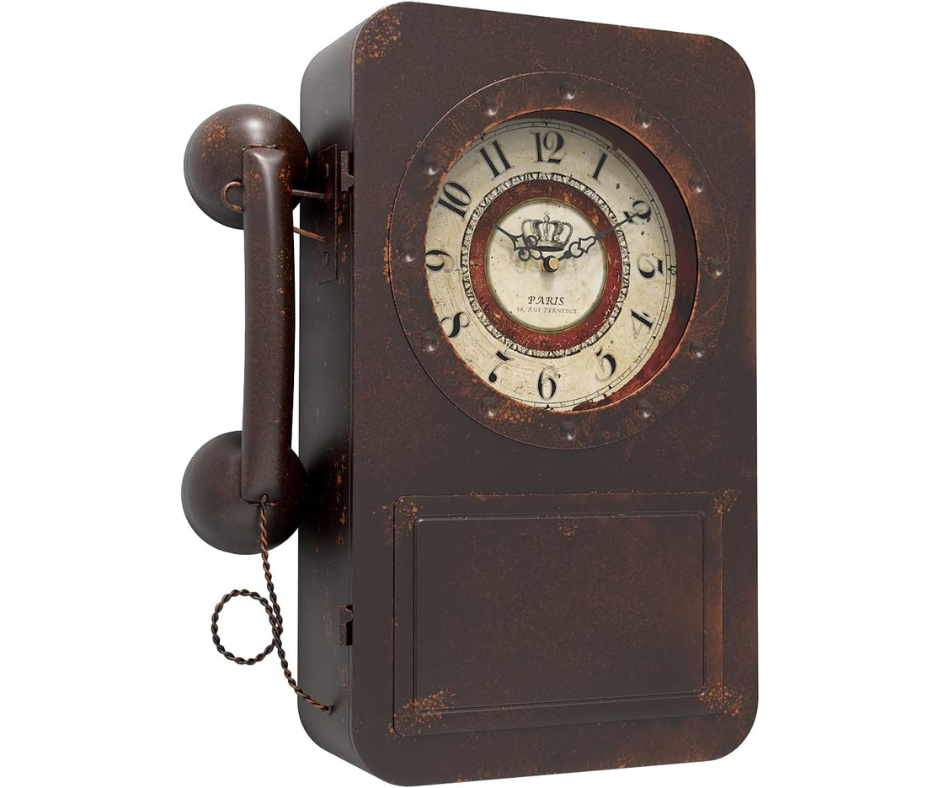
Abdurey Retro Wall Clock Review: The Best Hidden Safe for Your Home Decor
-
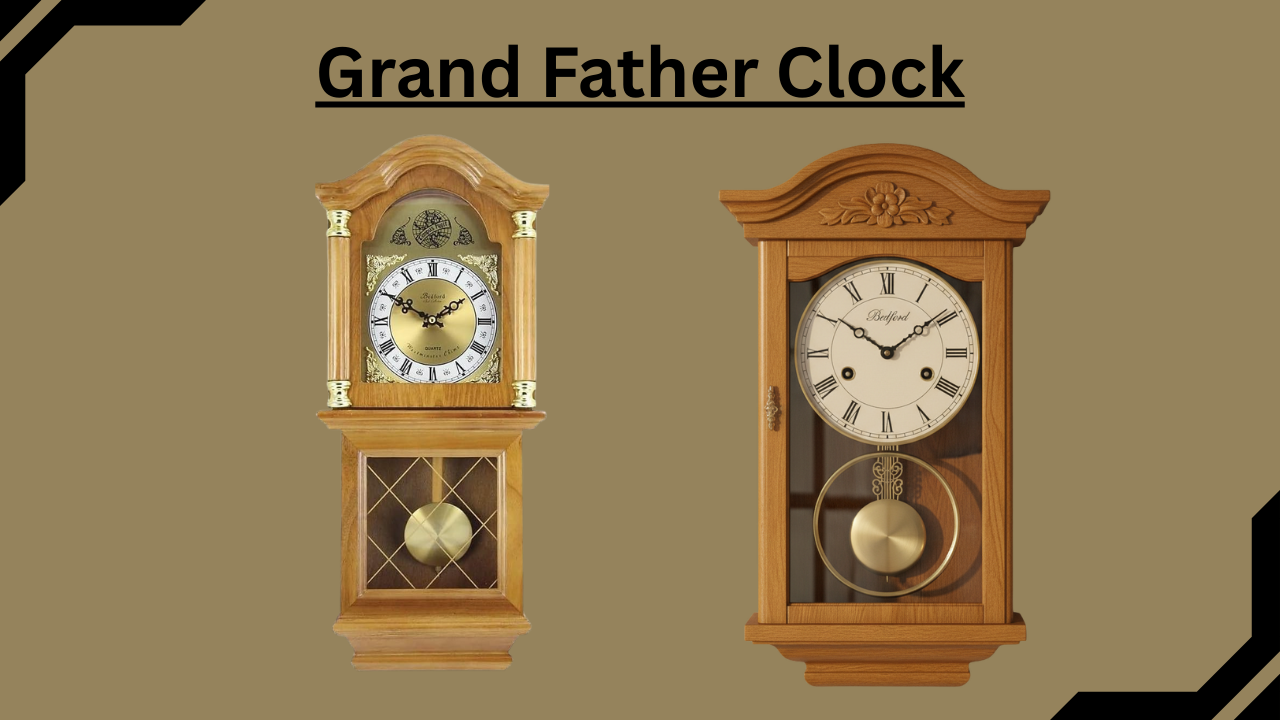
Bedford Classic Chiming Wall Clock with Pendulum & Wood Finish Decor
-
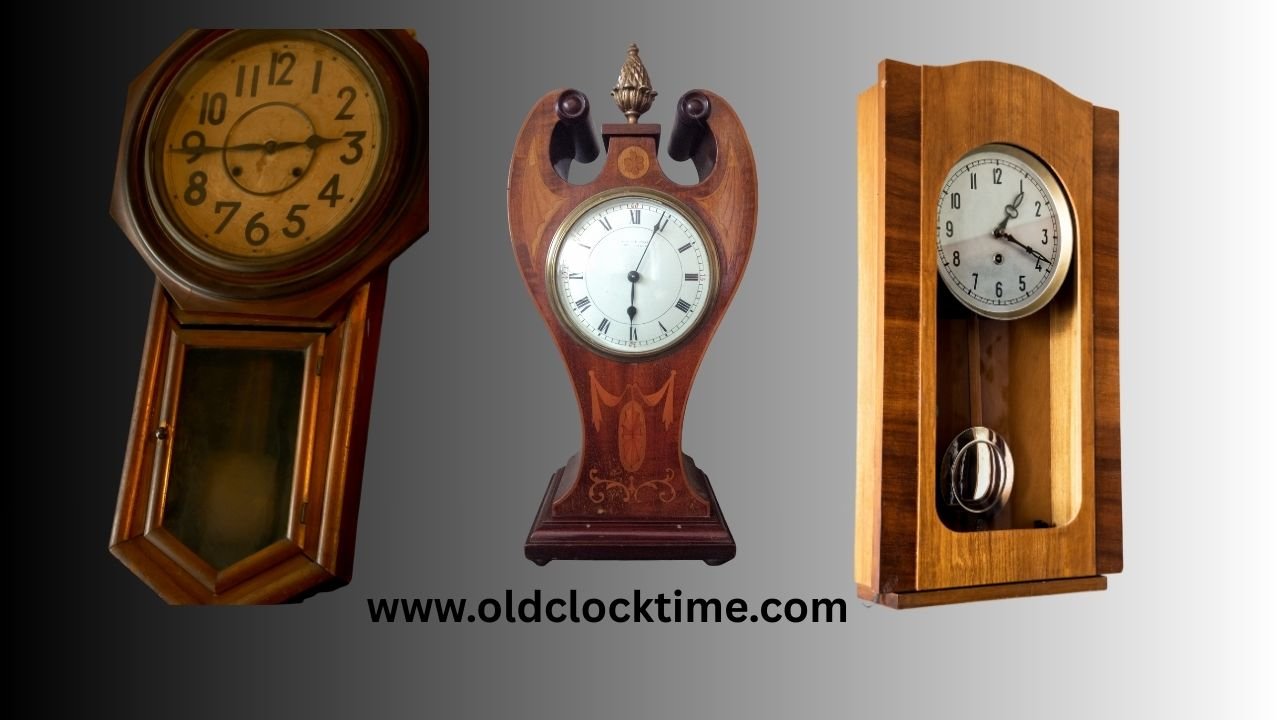
Howard Miller Emporia Mantel Clock Review: The Ultimate Cherry Finish Masterpiece

Post Comment