Contemporary Grandfather Clocks A Modern Twist on a Timeless Classic
Grandfather clocks have long been regarded as symbols of elegance, tradition, and masterful craftsmanship. These towering timepieces, with their rhythmic pendulums and melodic chimes, have been gracing homes for centuries. However, as the world has evolved, so too has the design and functionality of these iconic clocks. Contemporary grandfather clocks represent a harmonious blend of classic design principles with modern aesthetics, making them a perfect fit for today’s homes.
In this in-depth article, we will explore the world of contemporary grandfather clocks, their design evolution, popular styles, advanced features, materials used, maintenance, and the reasons why they continue to captivate homeowners and collectors alike.
1. The Evolution of Grandfather Clocks: From Tradition to Contemporary Elegance
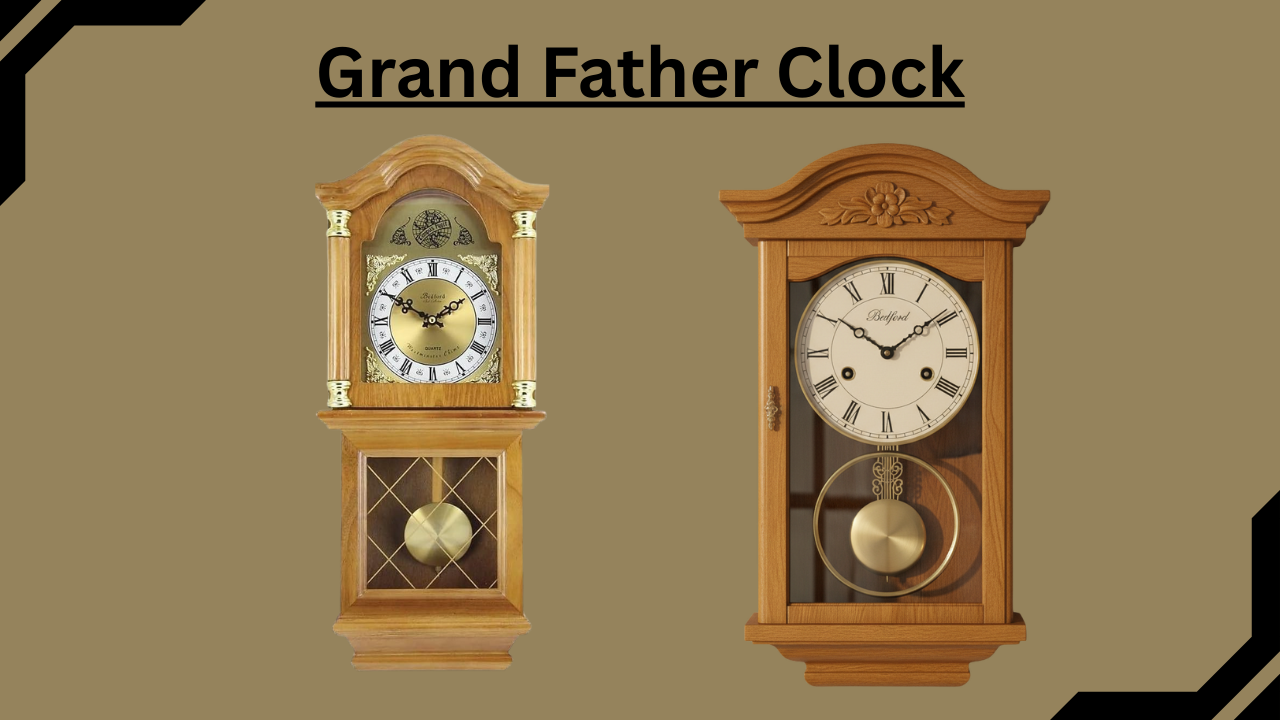
The history of grandfather clocks dates back to the late 17th century when English clockmaker William Clement invented the first longcase clock. These clocks, initially known as “longcase clocks” or “tall clocks,” featured large, ornate wooden cases housing a swinging pendulum and a weight-driven movement. Their grand size and intricate craftsmanship made them popular among the aristocracy.
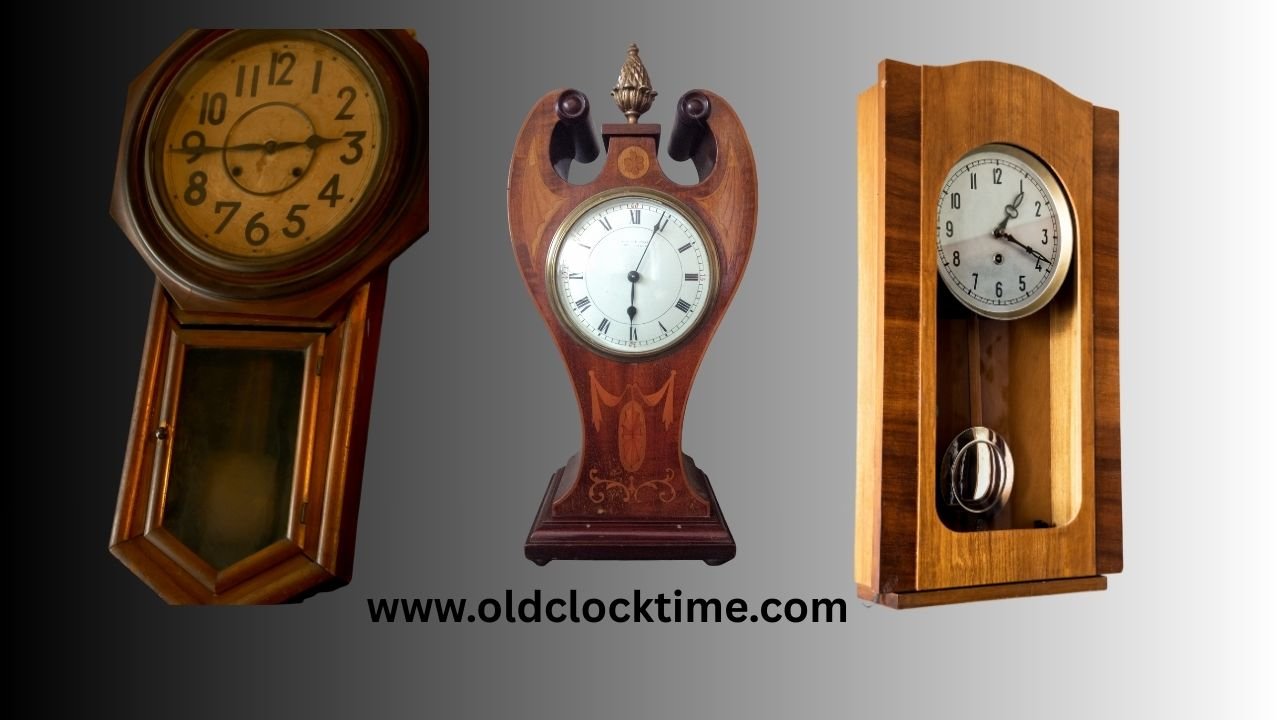
Over the centuries, grandfather clocks underwent several design transformations. The Victorian era brought opulent designs with intricate carvings, while the Edwardian period introduced simpler, more elegant forms. By the 20th century, American manufacturers like Howard Miller and Seth Thomas began producing more affordable yet sophisticated models, making grandfather clocks accessible to middle-class homes.
The emergence of contemporary grandfather clocks marked a significant departure from the traditional aesthetic. These modern designs replaced elaborate carvings with sleek, minimalist forms, incorporating materials like glass, metal, and polished wood. Designers experimented with geometric shapes, bold colors, and innovative mechanisms, reflecting the evolving tastes of homeowners.
Contemporary grandfather clocks are characterized by their clean lines, innovative materials, and minimalist designs. They blend seamlessly into modern interiors, offering the timeless charm of a traditional clock without overwhelming the space. The transition from classic to contemporary grandfather clocks is a testament to the adaptability of this age-old timepiece.
2. Popular Styles of Contemporary Grandfather Clocks
Contemporary grandfather clocks come in a wide variety of styles, each designed to complement different interior themes. Whether your home is modern, industrial, rustic, or minimalistic, there is a contemporary grandfather clock to suit your aesthetic. Here are some of the most popular styles:
2.1 Minimalist Grandfather Clocks
Minimalist contemporary grandfather clocks are characterized by their clean, uncluttered designs. These clocks often feature a slim, elegant frame made of polished metal, clear glass, or dark wood. The clock face is typically simple, with sleek hands and minimal numerals. This style is perfect for modern, minimalist interiors where simplicity is the key.
2.2 Industrial-Style Grandfather Clocks
Inspired by the industrial design trend, these clocks combine metal, exposed gears, and rustic finishes. Industrial-style grandfather clocks often feature a metal frame with a visible mechanical movement, giving them a raw, mechanical look. They are ideal for loft apartments, urban spaces, and homes with a rustic or industrial theme.
2.3 Scandinavian Grandfather Clocks
Scandinavian design is known for its focus on simplicity, natural materials, and functionality. Contemporary grandfather clocks in this style typically feature light wood finishes, clean lines, and a focus on natural beauty. The clock faces are often white, with sleek, black numerals for easy readability.
2.4 Artistic and Avant-Garde Grandfather Clocks
For those who view clocks as pieces of art, there are avant-garde contemporary grandfather clocks that push the boundaries of design. These clocks may feature abstract shapes, bold colors, or even non-traditional clock faces. Some models use creative pendulum designs or include rotating sculptures.
2.5 Modern Glass Grandfather Clocks
Glass is a popular material in contemporary design, and it has found its way into the world of grandfather clocks. Modern glass grandfather clocks often feature clear or frosted glass cases that showcase the clock’s inner workings. These clocks are perfect for creating a sense of openness and light in a room.
Each of these styles offers something unique, allowing homeowners to choose a clock that perfectly complements their interior décor.
3. Advanced Features of Contemporary Grandfather Clocks
Contemporary grandfather clocks are not just about modern aesthetics; they are also equipped with advanced features that make them more convenient and versatile than their traditional counterparts. Some of the most notable features include:
3.1 Quartz Movement
While traditional grandfather clocks use mechanical movements that require regular winding, contemporary models often feature quartz (battery-powered) movements. Quartz clocks are highly accurate, require little maintenance, and eliminate the need for winding.
3.2 Automatic Night Silencer
One of the most convenient features of contemporary grandfather clocks is the automatic night silencer. This feature allows the clock to automatically silence its chimes during designated nighttime hours, ensuring a peaceful night’s sleep.
3.3 Multiple Chime Options
Unlike traditional clocks that only play a single melody (such as Westminster), many contemporary grandfather clocks offer a selection of chimes. Popular options include Westminster, Whittington, St. Michael, and even seasonal melodies like Christmas carols.
3.4 Adjustable Volume Control
Chimes are a beloved feature of grandfather clocks, but their volume can sometimes be too loud for certain spaces. Contemporary models offer adjustable volume control, allowing users to set the chime sound to a comfortable level.
3.5 LED and Backlit Displays
Modern technology has also enhanced the visual appeal of contemporary grandfather clocks. Some models feature LED-lit clock faces or backlit displays, making them easy to read even in low light.
3.6 Remote Control Functions
For ultimate convenience, some contemporary grandfather clocks come with remote control functionality. This allows users to adjust the time, chimes, and volume settings without physically interacting with the clock.
These advanced features make contemporary grandfather clocks not only beautiful but also highly functional, offering the perfect blend of tradition and technology.
4. Materials Used in Contemporary Grandfather Clocks
The choice of materials plays a crucial role in the appearance and durability of contemporary grandfather clocks. While traditional clocks were typically made of solid wood, modern designs utilize a wide range of materials:
4.1 Glass
Glass is a defining feature of many contemporary grandfather clocks. Clear, frosted, or smoked glass panels allow for an open, airy look and provide a view of the clock’s internal mechanisms.
4.2 Metal
Polished stainless steel, brushed aluminum, and matte black metal are popular choices for contemporary clock frames. Metal adds a sleek, modern aesthetic and can be combined with other materials for a stylish contrast.
4.3 Wood
While contemporary designs often avoid ornate carvings, wood is still a popular choice for its warmth and natural beauty. Light woods like oak, ash, and maple are favored for Scandinavian designs, while darker woods like walnut and ebony are used in modern minimalist models.
4.4 Marble and Stone
For a touch of luxury, some contemporary grandfather clocks feature marble or stone bases. These materials add a sense of grandeur and durability to the clock’s design.
4.5 Acrylic and Plastic
Lightweight and versatile, acrylic is often used for modern clock faces and pendulum covers. Plastic is also used for certain components, providing durability without sacrificing style.
The combination of these materials allows for endless design possibilities, ensuring that contemporary grandfather clocks can suit a wide range of interior styles.




Post Comment