
Timeless Elegance Colonial Grandfather Clock for Your Home
For centuries, grandfather clocks have been a key part of traditional home decor. They add sophistication and elegance to any room. These timepieces have been symbols of refinement and culture, found in homes for generations.
A colonial grandfather clock is more than a time-teller. It’s a statement piece that brings history and classic charm to your home.
A colonial grandfather clock can make your living room feel warm and inviting. Its detailed carvings and grand presence instantly improve the room’s ambiance. If you want to add traditional elegance or a unique conversation piece, a colonial grandfather clock is perfect.
Key Takeaways
- A colonial grandfather clock adds a touch of sophistication and elegance to any living space.
- These timepieces are a symbol of refinement and culture, having been a part of home decor for generations.
- A colonial grandfather clock is a statement piece that brings a sense of history and classic charm into your home.
- It can instantly elevate the ambiance of your living room, creating a warm and inviting atmosphere.
- A colonial grandfather clock is an excellent choice for those who appreciate timeless elegance and unique conversation pieces.
The Rich Heritage of Colonial Grandfather Clocks
For centuries, Colonial grandfather clocks have stood tall, symbolizing America’s rich cultural and historical heritage. These clocks are not just timekeeping devices. They are also pieces of art that reflect the country’s history and craftsmanship.
Origins in Early American History
Colonial grandfather clocks started in early American history, influenced by English and Dutch settlers. The first grandfather clocks were made in the late 17th century. Their popularity grew as American craftsmanship evolved.
Evolution Through the Centuries
Over the centuries, Colonial grandfather clocks have evolved, showing changing tastes and technological advancements. From simple, functional designs in the early colonial period to ornate styles in the 18th and 19th centuries, these clocks have adapted to cultural and aesthetic preferences.
Symbolic Status in American Homes
In American homes, Colonial grandfather clocks have long held a symbolic status. They represent tradition, stability, and family heritage. They are often passed down through generations, serving as a tangible connection to the past.
| Era | Characteristics | Notable Features |
|---|---|---|
| 17th Century | Simple, functional designs | Influenced by English and Dutch styles |
| 18th Century | Ornate, decorative styles | Intricate carvings, moon phase dials |
| 19th Century | Mass production techniques | More accessible to the general population |
Distinguishing Features of Colonial Grandfather Clocks
Colonial grandfather clocks stand out because of their classic design, top-notch craftsmanship, and detailed features. These clocks are more than just timekeepers. They are works of art that show the deep history of American clockmaking.
Characteristic Design Elements
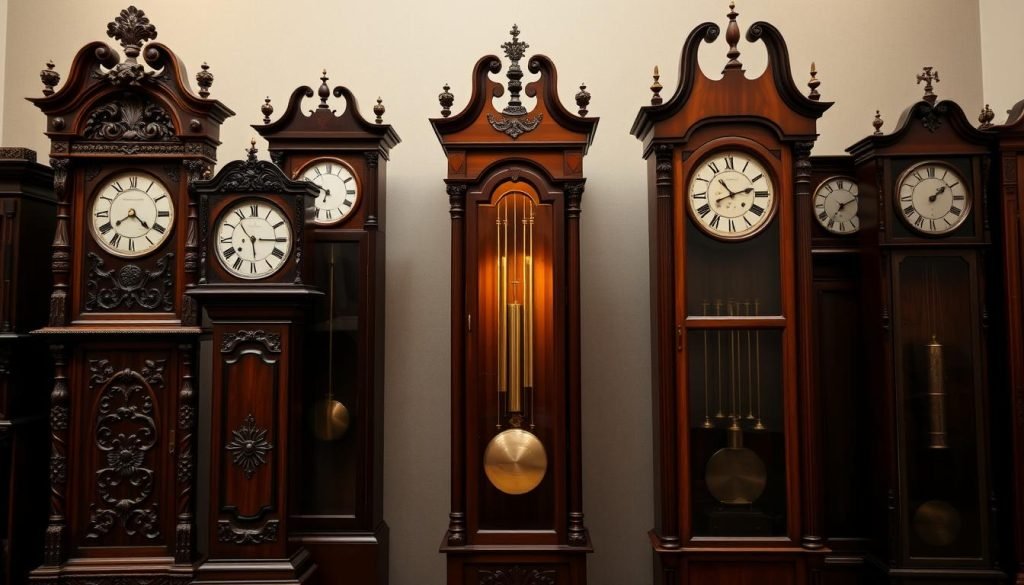
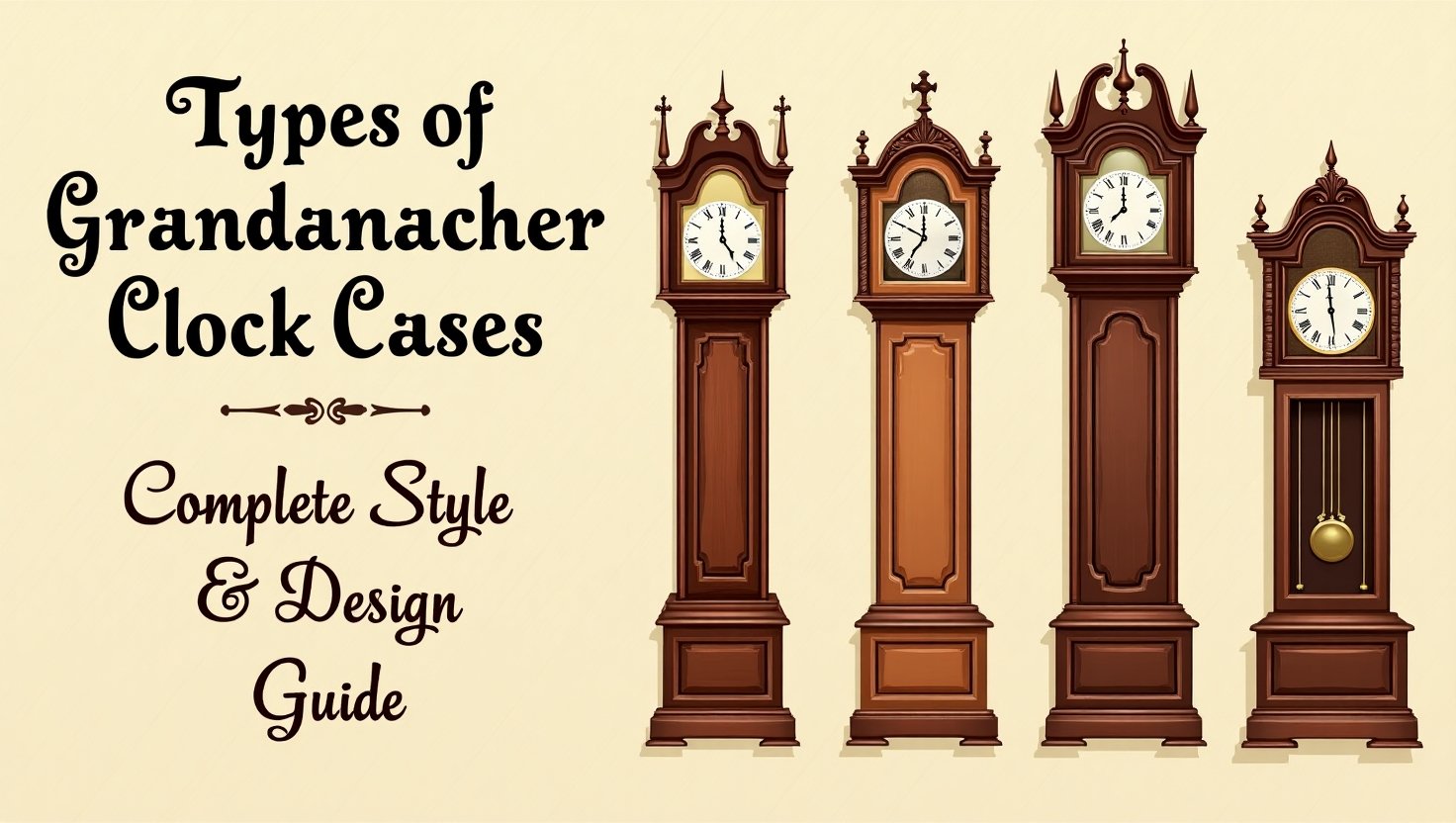
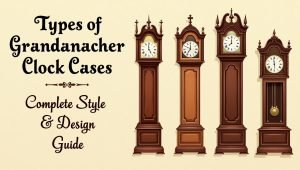
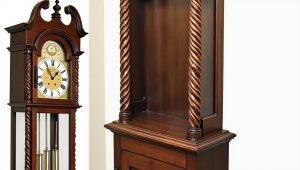
These clocks are known for their tall, elegant look and fancy decorations. Classic design elements include carved wooden tops, detailed moldings, and beautifully made pendulum doors. These features make the clocks look grand and add to their timeless beauty.
Wood Types and Craftsmanship
The wood used and the craftsmanship are key in making colonial grandfather clocks special. High-quality woods like mahogany, cherry, and walnut are often chosen. This shows the skill of the woodworkers. The detailed carvings, smooth finishes, and precise joins highlight the excellent craftsmanship in these clocks.
Dial and Face Designs
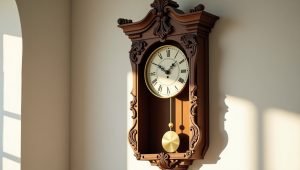
The dials and faces of colonial grandfather clocks are both useful and beautiful. Intricate dials often have Roman numerals, minute markers, and fine engravings. The clock faces are usually made of enamel or painted metal, lasting long and looking good. The design of the dial and face helps tell time and enhances the clock’s beauty.
The Colonial of Zeeland Legacy
The Colonial of Zeeland legacy is rooted in rich history and top-notch craftsmanship. For those who love grandfather clocks, knowing the company’s history and quality is key.
Company History and Reputation
Colonial of Zeeland started in Zeeland, Michigan, a long time ago. It’s known for making high-quality clocks that are both useful and beautiful. The company’s dedication to excellence has made it a favorite among clock lovers and homeowners.
Some key points about its reputation are:
- Decades of experience in clock making
- Combining traditional craftsmanship with modern methods
- A wide variety of models for different tastes and styles
Signature Craftsmanship Techniques
Colonial of Zeeland is famous for its focus on detail and traditional craftsmanship. The clockmakers there are true artists, bringing their expertise to every clock. They use techniques like hand-carving and precise mechanical engineering.
The company’s dedication to quality shows in the durability and precision of its clocks.
Notable Colonial of Zeeland Models
Colonial of Zeeland has many models, but some really stand out. These include:
- The Colonial 1801 Series, known for its classic look and mechanical precision
- The Tempus Fugit Collection, with clocks that have a modern look
- Limited edition models that show the company’s skill in creating unique pieces
Colonial Grandfather Clock Mechanisms
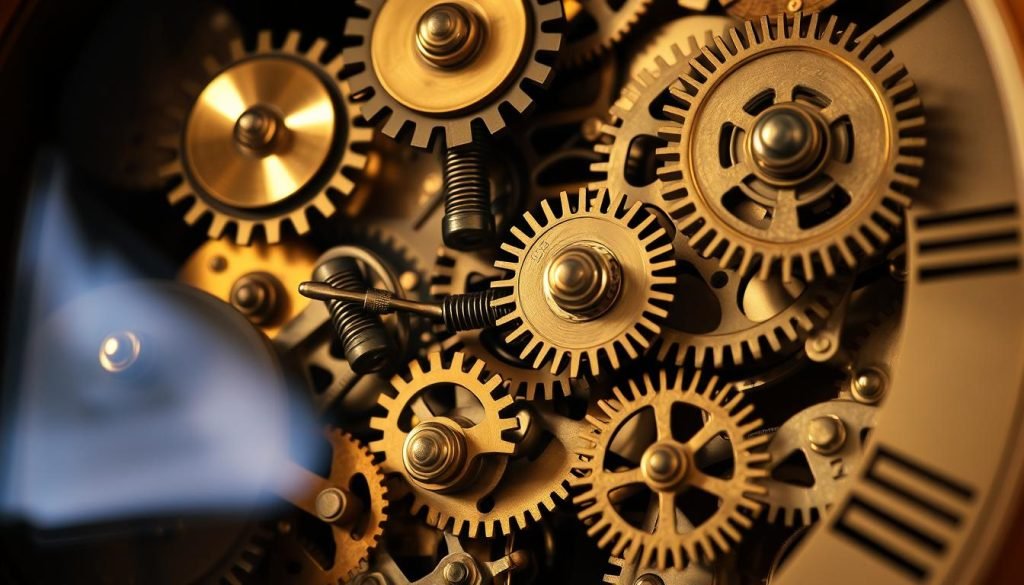
Exploring the inner workings of colonial grandfather clocks opens a door to a world of detailed craftsmanship. These clocks are not just for telling time. They are also engineering wonders and pieces of art.
Cable-Driven vs. Chain-Driven Systems
Colonial grandfather clocks often use either cable-driven or chain-driven systems. Cable-driven systems have a cable that wraps around a drum to lift the weights. This makes the clock run smoothly with less friction. In contrast, chain-driven systems use a chain around a sprocket. This method is more traditional but can wear out faster.
| Feature | Cable-Driven | Chain-Driven |
|---|---|---|
| Operation | Smooth, less friction | More traditional, prone to wear |
| Maintenance | Easier to maintain | Requires more frequent checks |
Moon Phase and Calendar Features
Many colonial grandfather clocks show the moon’s phases. These displays are both beautiful and functional, linking us to the moon’s cycles. Some clocks also have calendar features, showing the date or other time-related information.
Chiming Mechanisms and Melodies
The chiming mechanisms in these clocks are famous for their musical quality. They can play different melodies, from simple chimes to complex songs. This adds to the room’s atmosphere. The melody often matches the clock’s era and the owner’s taste.
Understanding how colonial grandfather clocks work lets us see their beauty and complexity. Whether they use cable or chain, show the moon, or play tunes, each clock is a unique piece of history.
Popular Colonial Grandfather Clock Models
The world of Colonial grandfather clocks is full of diverse and sophisticated timepieces. Each clock has its own unique character. They are not just timekeeping devices but also pieces of art that show the craftsmanship of their time.
The Colonial1801 Series
The Colonial1801 Series is known for its historical significance and beauty. These clocks bring the early American colonial period to life. They have detailed designs and traditional craftsmanship.
- Handcrafted wooden constructions
- Traditional dial faces with Roman numerals
- Mechanical movements with cable-driven systems
These features make the clocks both functional and decorative. They can be a centerpiece in any room.
Tempus Fugit Collection
The Tempus Fugit Collection combines traditional and modern design. “Tempus Fugit,” or “time flees,” captures the essence of these clocks. They are both beautiful and thought-provoking.
- Unique dial designs that mix modern and classical styles
- High-quality mechanical movements
- Durable constructions that last over time
Colonial Molyneux Masterpieces
Colonial Molyneux Masterpieces are celebrated for their craftsmanship and history. These clocks are true masterpieces. They feature:
- Intricate carvings and ornate details
- High-precision mechanical movements
- Elegant designs that fit various decor styles
Five-Tube Musical Models
The Five-Tube Musical Models add sophistication with their musical feature. These clocks are not just timekeepers but also musical instruments. They feature:
- Five-tube chiming mechanisms for a rich sound
- Classical melodies to play
- Elegant designs that enhance any room
These models are great for those who love the musical aspect of grandfather clocks. They add an auditory dimension to home decor.
Determining the Value of Your Colonial Grandfather Clock
The value of your Colonial Grandfather Clock depends on its age, condition, and market demand. Knowing these factors is key for any owner wanting to know their clock’s worth.

Age and Rarity Factors
The age and rarity of your Colonial Grandfather Clock greatly affect its value. Clocks from certain periods, like the early 19th century, might be more valuable because of their history. Also, clocks with unique features or made in small numbers are more sought after by collectors.
Condition Assessment Guidelines
Checking your Colonial Grandfather Clock’s condition means looking at its mechanical and cosmetic state. Look for wear, damage, or any restoration work. The clock’s mechanism should work well, and any damage or repairs needed should be noted. This will help you understand the clock’s value and if it can be restored.
Market Trends and Pricing
Market trends and prices are key in figuring out your Colonial Grandfather Clock’s value. Look at recent sales of similar clocks to see what’s in demand. Auction houses, antique dealers, and online sites can give you pricing insights. By keeping up with these trends, you can better estimate your clock’s value.
How to Identify Authentic Colonial Grandfather Clocks
To make sure you buy a real Colonial Grandfather Clock, follow these tips. Look for unique features, historical value, and top-notch craftsmanship. These are key signs of an authentic clock.
Manufacturer Markings and Signatures
Checking for manufacturer markings and signatures is a top way to spot a real Colonial Grandfather Clock. These marks are often on the clock’s face, movement, or case. For example, Colonial of Zeeland clocks have special signs that show they’re genuine.
- Look for engraved signatures or labels on the clock’s face.
- Check the movement for engraved marks or serial numbers.
- Search the case for hidden spots or marks.
Serial Number Verification
Serial number verification is another important step. Many makers, like Colonial of Zeeland, give each clock a unique number. This number lets you know when and if the clock was made. You can find it on the movement or case.
Common Reproduction Warning Signs
Knowing common reproduction warning signs helps spot real Colonial Grandfather Clocks. Replicas often have less detail and quality than originals. Watch for things like bad woodwork, wrong dial designs, or mechanisms that don’t match the clock’s age.
- Poor craftsmanship or low-quality materials.
- Inconsistent or inaccurate historical details.
- Lack of documentation or provenance.
Caring for Your Colonial Grandfather Clock
Keeping your Colonial Grandfather Clock beautiful and working well needs careful attention. Regular care helps it stay a highlight in your home for many years.
Regular Maintenance Schedule
Creating a regular maintenance plan is key. Dust the clock case and mechanism often. Check the mechanism every 6 to 12 months for wear or damage.
Also, have a pro check and service it every few years. This helps avoid mechanical problems.
Proper Winding Techniques
Winding your clock right is essential. Most need winding once a week, but check your manual. Always wind gently but firmly until you feel resistance.
Don’t over-wind, as it can harm the mechanism.
Environmental Considerations
The place where you put your clock matters a lot. Don’t put it near direct sunlight, heating vents, or drafts. These can damage the wood or mess up the mechanism.
Keep the room temperature between 60°F to 80°F (15°C to 27°C). This ensures your clock works best.
Restoration and Repair Considerations
Colonial Grandfather Clocks have a rich history and complex mechanisms. They need special restoration techniques. It’s not just about fixing them but also keeping their historical value.
Expertise Matters: Finding Qualified Clock Specialists
Finding a skilled clock specialist is key to restoring your Colonial Grandfather Clock right. Look for experts with a history of restoring similar clocks. They should be members of clock restoration groups and have good reviews.
- Check for professional certifications
- Review their portfolio for similar restorations
- Ask for references
Common Issues in Clock Repair
Colonial Grandfather Clocks face problems like worn gears, damaged dials, and broken chimes. Spotting these issues early helps avoid more damage. Common repairs include:
- Replacing worn or broken parts
- Cleaning and lubricating the mechanism
- Restoring or replacing the clock’s face and hands
Sourcing Authentic Replacement Parts
When replacing parts, keeping them authentic is vital. Use parts from trusted suppliers or the original maker. Some specialize in antique clock parts and are a great help.
By focusing on these points, your Colonial Grandfather Clock can be restored to its former beauty. It will keep its function and historical importance.
Integrating a Colonial Grandfather Clock into Modern Décor
A colonial grandfather clock can add beauty to your modern home. It mixes old charm with new style. Think about the clock’s design, where you place it, and what’s around it.
Complementary Design Styles
These clocks go well with many styles, from old to modern. Match a classic clock with rich wood and fancy furniture for a traditional vibe. Or, pair it with simple decor for a modern twist.
Optimal Placement in Your Home
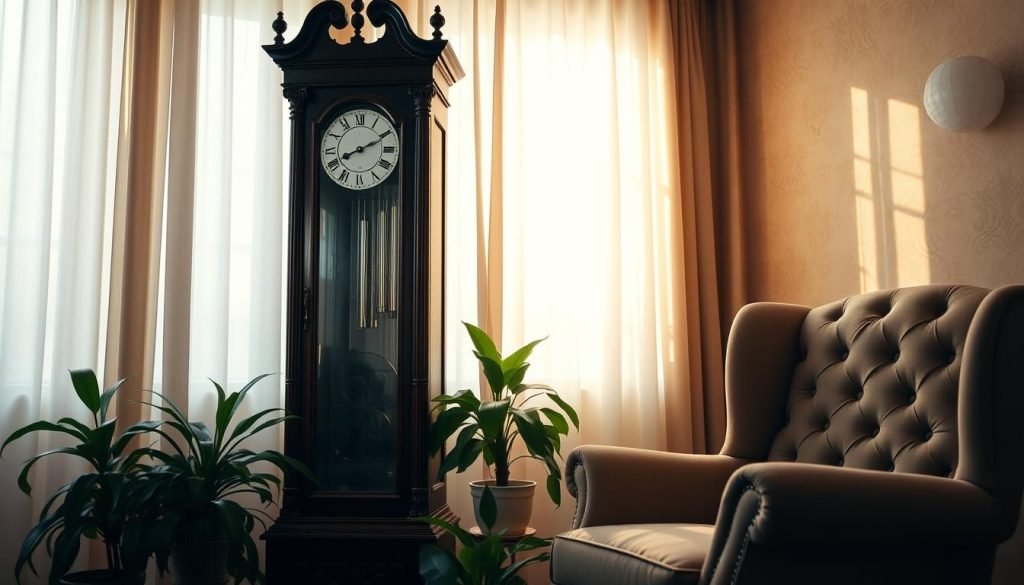
Put the clock in a big hallway or living room to show it off. Make sure it’s in a spot where you can see it well. But also think about the room’s flow to keep it clear.
Lighting and Display Considerations
Good lighting makes the clock’s details stand out and adds warmth. Use soft, warm lighting to highlight its beauty. Also, keep it away from direct sunlight to protect the finish.
By carefully adding a colonial grandfather clock to your modern space, you create a special and inviting area. It celebrates tradition while embracing today’s style.
Colonial Grandfather Clock as an Investment
Colonial grandfather clocks are not just beautiful. They are also a smart investment. These clocks add charm to any home and can grow in value over time.
Appreciation Potencial
The value of a colonial grandfather clock can go up a lot. This happens if it’s rare, in great shape, and has a rich history. Collectors pay more for clocks with special features or those in top condition. Keeping the clock in good shape is key to increasing its value.
Insurance and Documentation
It’s important to insure your colonial grandfather clock. Having detailed records and provenance can also boost its value. Keep track of any restoration, appraisals, and sales to prove the clock’s worth.
The Collector’s Market
The market for colonial grandfather clocks is all about rare and historic pieces. Collectors look for clocks with unique mechanics, detailed carvings, or those made by famous makers. Knowing the market helps you make smart choices when buying or selling.
Purchasing Guide for Colonial Grandfather Clocks
To buy a colonial grandfather clock, follow this guide. It’s a big investment that needs careful thought. You must consider several important factors.
Evaluating Sellers and Dealers
Look for sellers and dealers known for their trustworthiness. They should have a history of selling real colonial grandfather clocks. Check their reviews, ask for references, and verify their credentials.
A good dealer will give you the clock’s history. This includes where it came from and any restoration work.
| Dealer Characteristics | Ratings |
|---|---|
| Reputation | High |
| Transparency | Excellent |
| Customer Service | Good |
Pre-Purchase Inspection Checklist
Before buying, inspect the clock carefully. Make sure the mechanism works well and is well-kept. Look at the clock’s face, hands, and body for damage or wear.
- Check the clock’s mechanism and condition.
- Verify the clock’s authenticity and documentation.
- Inspect the clock’s face, hands, and body.
Negotiation and Price Considerations
When negotiating, think about the clock’s age, condition, and rarity. Look up the market to find a fair price. If the price is too high, don’t be afraid to walk away.
“The price of a colonial grandfather clock can vary greatly depending on its condition, age, and provenance.” – Clock Collector

By following these tips, you’ll be ready to make a smart choice. You’ll find the perfect colonial grandfather clock for your home.
The Colonial Manufacturing Company History
The story of Colonial Manufacturing Company is filled with innovation and tradition. It is based in Zeeland, Michigan. This company played a big role in the clock-making world, making its history fascinating.
Founding and Development in Zeeland, Michigan
The Colonial Manufacturing Company started in Zeeland, Michigan. This place became known for making high-quality clocks. The company focused on making things well and finding new ways to do things.
Zeeland’s good location and skilled workers helped the company grow fast and succeed.
Manufacturing Innovations
The Colonial Manufacturing Company led in manufacturing innovations. They used new methods and technology to make their clocks better.
| Innovation | Description | Impact |
|---|---|---|
| Advanced Clock Mechanisms | Implementation of precise mechanical movements | Enhanced accuracy and reliability |
| Material Selection | Use of high-quality woods and finishes | Improved durability and aesthetic appeal |
| Automated Processes | Integration of automated manufacturing systems | Increased efficiency and consistency |
Legacy and Collectibility
Now, Colonial Manufacturing Company clocks are more than just time-telling devices. They are also highly sought-after by collectors. The company’s legacy is based on quality, skill, and innovation.
Collectors love these clocks for their history, beauty, and the legacy they carry.
Comparing Colonial Clocks to Other Grandfather Clock Traditions
Colonial grandfather clocks are special among other styles, like English longcase and German craftsmanship. They mix different styles in a unique way. This makes them stand out in the world of grandfather clocks.
English Longcase Influences
Colonial grandfather clocks got their design from English longcase clocks. These clocks are known for their tall look and detailed carvings. They added elegance and sophistication to the Colonial style, with features like moon phase displays.
German Craftsmanship Differences
German craftsmanship added precision and durability to Colonial clocks. German clock makers were famous for their detailed mechanical movements. This mix of English style and German engineering made the clocks strong and unique.
American Regional Variations
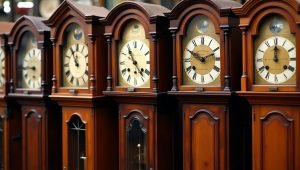
As Colonial grandfather clocks spread in America, different styles emerged. Each region had its own taste and craftsmanship. From New England’s ornate carvings to simpler designs elsewhere, American Colonial clocks show a wide range of styles.
Stories and Provenance: Adding Value to Your Colonial Grandfather Clock
A Colonial Grandfather Clock’s history and stories can make it more than just a timekeeper. It becomes a treasured family heirloom. Knowing and documenting its history can greatly increase its value.
Documenting Your Clock’s History
To document your clock’s history, start by gathering records. Look for information on its origins, past owners, and any important events it may have seen. This can include:
- Original purchase receipts and certificates of authenticity
- Family records and stories passed down through generations
- Any restoration or maintenance records
By collecting these documents, you create a detailed history. This history adds depth and value to your clock.
Family Heirlooms and Generational Transfer
When a Colonial Grandfather Clock is passed down, it becomes a family treasure. It holds emotional and sentimental value. Keeping it well-maintained and documenting its history ensures its importance for future generations.
Understanding and preserving your clock’s stories and history boosts its value. It also ensures its legacy lasts for years to come.
Conclusion: The Enduring Appeal of Colonial Grandfather Clocks
Colonial grandfather clocks are loved by many for their timeless beauty and deep history. They show off the skill of old times, adding tradition and style to any space.
Exploring these clocks reveals their complex workings, stunning looks, and the tales they hold. Whether you’re interested in the Colonial of Zeeland’s legacy or the special traits of different models, they’re not just clocks. They’re family treasures waiting to be cherished.
Thinking about getting a colonial grandfather clock or learning more about yours? Remember, their worth goes beyond money. They connect us to the past, symbolizing elegance that lasts, bringing the essence of enduring beauty to your home.







Post Comment