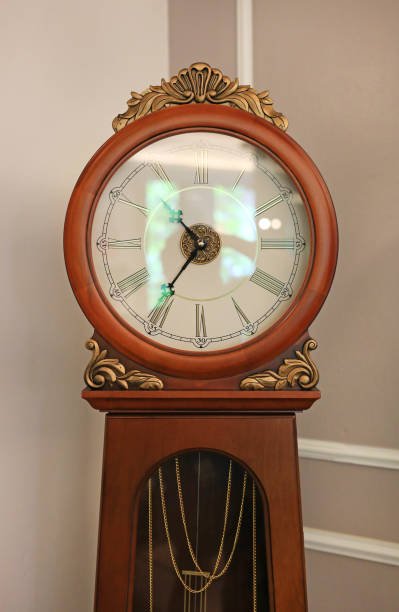
All About Mantel Grandfather Clocks A Timeless Masterpiece
Mantel grandfather clocks are a symbol of elegance and sophistication, combining the rich tradition of classical longcase clocks with a more compact and versatile design. These smaller timepieces are ideal for placing on a mantelpiece, shelf, or tabletop, making them the perfect decorative item for those who appreciate fine craftsmanship. Mantel grandfather clocks boast intricate mechanical movements, melodious chimes, and a timeless appeal that adds grace to any space.
In this article, we will explore the fascinating history, craftsmanship, materials, types, and various aspects of these remarkable timepieces. Whether you are a clock enthusiast, a homeowner looking to add a touch of vintage charm to your décor, or someone who admires the art of clockmaking, this guide will provide a complete insight into mantel grandfather clocks.

1. What is a Mantel Grandfather Clock?
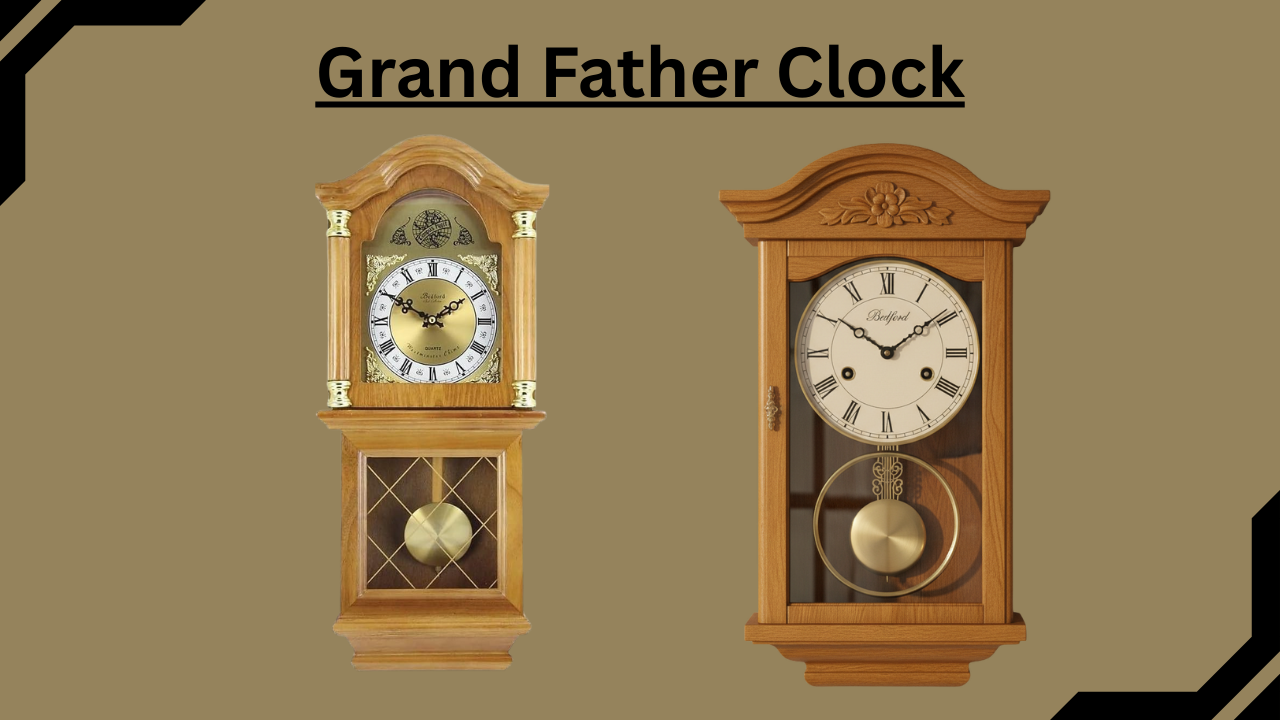
A mantel grandfather clock is a compact version of the traditional longcase or grandfather clock. While both types of clocks share a similar design heritage, the mantel version is smaller and more versatile, allowing it to be placed on a mantelpiece or any flat surface in your home. Here are some defining features of a mantel grandfather clock:
- Compact Design: Typically measuring between 12 to 24 inches in height, these clocks are designed for easy placement on mantels, shelves, or console tables without taking up much space.
- Pendulum Movement: Many mantel grandfather clocks incorporate the classic pendulum system for precise timekeeping, just like their larger counterparts.
- Mechanical or Quartz Movement: They can feature traditional mechanical movements that require winding or modern quartz (battery-powered) systems for convenience.
- Chiming System: These clocks are often equipped with a chiming system that plays melodies such as Westminster, Whittington, or Ave Maria, adding a musical touch to your home.
- Ornate Designs: From antique styles to contemporary models, mantel grandfather clocks come in a variety of designs to suit different tastes and interiors.
1.1 Mantel Grandfather Clock vs. Mantel Clock
It’s important to differentiate between a mantel clock and a mantel grandfather clock. While both types of clocks are designed for placement on mantels or shelves, the mantel grandfather clock retains the traditional mechanical features of a full-sized grandfather clock, including a pendulum and chiming system. On the other hand, a mantel clock is typically smaller and may not have these mechanical features.
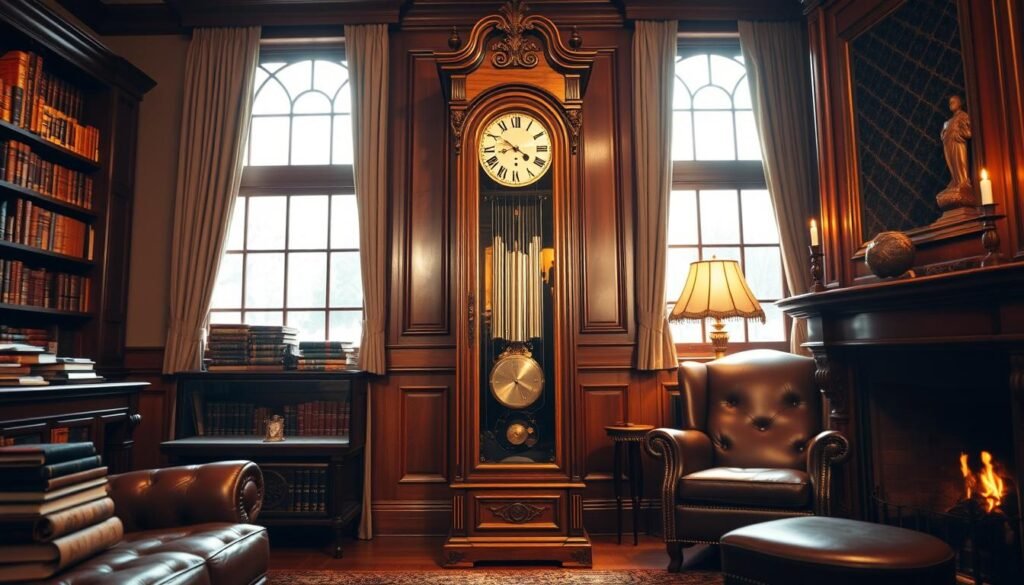
2. The History of Mantel Grandfather Clocks
2.1 Early Origins: From Longcase to Mantel Clocks
The history of mantel grandfather clocks traces back to the 17th century, during the rise of domestic clockmaking in Europe. As homes became more sophisticated, there was a demand for smaller, more decorative timepieces that could fit on mantels or shelves.
- 17th Century: The first mantel clocks were produced in France by skilled clockmakers, who designed elegant portable clocks made of gilded bronze (ormolu), porcelain dials, and intricate carvings.
- 18th Century: Mantel clocks gained popularity in England, where they were often referred to as “bracket clocks” because they were typically mounted on brackets or placed on shelves.
- 19th Century (Victorian Era): The Industrial Revolution allowed for the mass production of mantel clocks, making them more affordable and widely accessible, particularly to the middle class in Europe and America.
- 20th Century: Renowned American clockmakers such as Seth Thomas, Ansonia, and Howard Miller introduced high-quality mantel clocks to the global market, cementing their popularity.
- Modern Day: Mantel grandfather clocks continue to be treasured for their craftsmanship and timeless design, serving as both functional timekeepers and decorative statement pieces in homes worldwide.
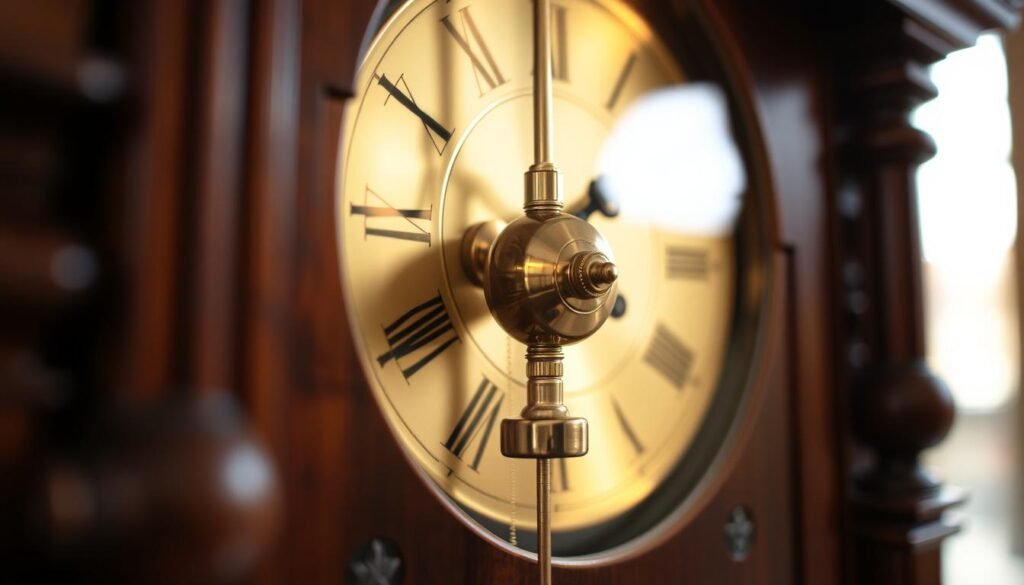
3. Types of Mantel Grandfather Clocks
There is a variety of mantel grandfather clocks to choose from, with each model featuring unique designs, materials, and mechanical features. Some popular types include:
3.1 Traditional Wooden Mantel Grandfather Clocks
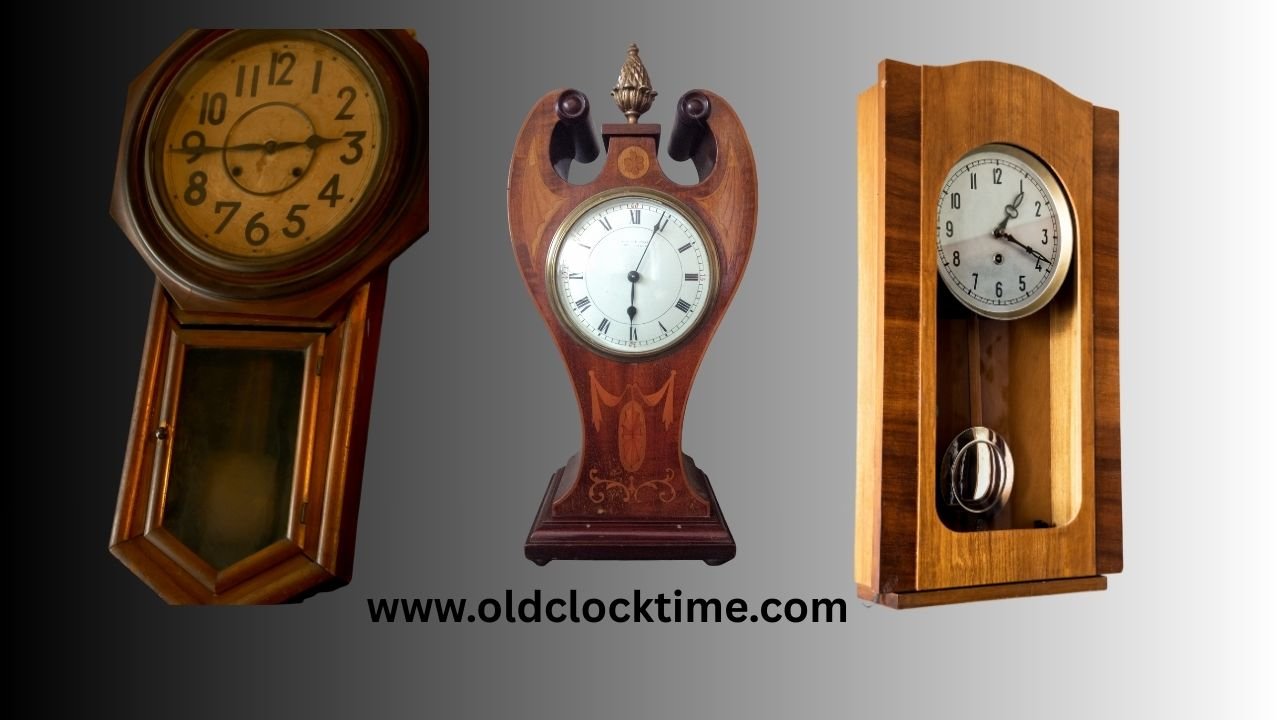
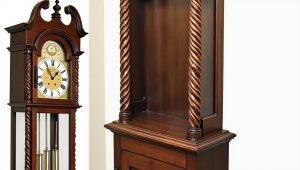
These clocks are made from rich, polished woods like mahogany, walnut, or oak. They feature ornate carvings and classic Victorian or Edwardian designs. Many models in this category use a mechanical movement and have an attached chime system that plays melodic tunes.
3.2 Antique Mantel Grandfather Clocks
Authentic antique mantel grandfather clocks are often handcrafted by renowned clockmakers. These clocks may include delicate porcelain dials, gilded bronze (ormolu), and hand-painted decorative elements, making them highly collectible and valuable for enthusiasts of historical craftsmanship.
3.3 Modern Quartz Mantel Clocks
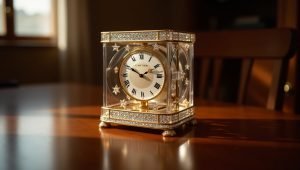
Modern quartz mantel clocks are powered by batteries and offer convenience and accuracy with minimal maintenance. These clocks often feature sleek designs made from a combination of metal, glass, or acrylic. Some even include digital chimes or silent modes for added convenience.
3.4 Musical Mantel Grandfather Clocks
These mantel clocks are equipped with a sophisticated chime system that plays multiple melodies, such as Westminster, Whittington, or Beethoven’s “Ode to Joy.” Musical mantel grandfather clocks are a perfect addition to any home that seeks to combine both timekeeping and melody.
4. The Mechanics of Mantel Grandfather Clocks
4.1 Mechanical Movement
Traditional mantel grandfather clocks typically use mechanical movements, which are powered by wound springs and regulated by the swinging pendulum. Key components of mechanical movements include:
- Pendulum: The pendulum swings back and forth to regulate the clock’s timekeeping.
- Escapement Mechanism: This mechanism regulates the flow of energy from the clock’s mainspring to the gears, ensuring consistent timekeeping.
- Winding Mechanism: Mechanical clocks need to be wound manually, typically every 7 to 8 days, to maintain their power source.
- Chime System: A metal rod or bell strikes to produce a melodic chime, signaling the passage of time.
4.2 Quartz Movement
Many modern mantel grandfather clocks utilize quartz movement, which operates on a battery-powered system. Quartz clocks are highly accurate and require very little maintenance compared to their mechanical counterparts. These clocks may still feature classic designs and may even include chiming systems.
5. Materials Used in Mantel Grandfather Clocks
Mantel grandfather clocks are crafted using a variety of materials, each contributing to the clock’s visual appeal and longevity:
- Wood: Mahogany, walnut, cherry, and oak are commonly used for traditional wooden clocks.
- Brass and Bronze: These metals are used for clock faces, pendulums, and decorative accents.
- Porcelain: Many antique clocks feature porcelain dials with hand-painted details.
- Glass: Clear glass panels offer a view of the inner workings and the pendulum.
- Gilded Bronze (Ormolu): French mantel clocks often feature luxurious gilded bronze finishes, adding elegance to their designs.
6. How to Choose the Perfect Mantel Grandfather Clock
Selecting the right mantel grandfather clock for your home can be a daunting task, but by considering the following factors, you can make an informed decision:
6.1 Style and Design
- Traditional and Antique Designs: Victorian, Rococo, and Gothic Revival styles are perfect for those seeking classic and ornate designs.
- Contemporary and Modern Styles: Minimalist, mid-century modern, and industrial styles suit more contemporary tastes.
6.2 Mechanical vs. Quartz Movement
- Mechanical Movement: Ideal for those who appreciate the traditional art of clockmaking and don’t mind winding the clock.
- Quartz Movement: Offers convenience and accuracy, with little maintenance required.
6.3 Chime Options
- Chimes: Choose a clock with your preferred chime melody, such as Westminster or Whittington.
- Chime Control: Some clocks offer features like volume control or a chime-silencer for nighttime.
6.4 Size and Placement
Ensure the clock fits well in the designated space, whether it’s a mantel, shelf, or console table. Mantel grandfather clocks are ideal for these settings.
7. Why Mantel Grandfather Clocks Remain Popular
Mantel grandfather clocks remain beloved because they represent more than just functional timepieces. They are works of art, blending history, tradition, and fine craftsmanship. With their melodic chimes and steady ticking, these clocks create a soothing atmosphere and are cherished by collectors and homeowners alike.
By owning a mantel grandfather clock, you are not just adding a timekeeper to your space, but bringing home a piece of history and artistry. Whether you are seeking an heirloom to pass down through generations or simply want to add an elegant touch to your décor, a mantel grandfather clock is sure to become a treasured part of your home.





Post Comment