
Why Grandfather Clocks Are Making a Big Comeback in 2026
Once a symbol of elegance in stately homes, the grandfather clock was quietly forgotten until now. In a world obsessed with smart tech and touchscreens, who would’ve thought a wooden, weight-driven timekeeper from the 1700s would be turning heads again in 2026? But that’s exactly what’s happening. Interior designers, collectors, and even millennials are rediscovering the quiet power of legacy.
The demand for heirloom timepieces, especially grandfather clocks, has seen a sharp rise in antique marketplaces, according to a 2025 Sotheby’s insight report. These aren’t just relics. They’re artifacts of presence, of a time when moments weren’t rushed. With fast-paced living driving people toward mindful spaces, grandfather clocks are becoming more than decorative antiques; they’re turning into grounding forces in modern homes. This isn’t nostalgia, it’s a design rebellion.

What Is a Grandfather Clock? A Short Legacy Recap
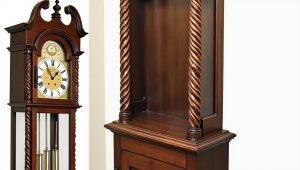
A grandfather clock isn’t just a tall wooden box that ticks and chimes; it’s a story standing six to eight feet tall. Born in 17th-century England and made iconic by the now-famous 1876 song My Grandfather’s Clock, this longcase timepiece marked a turning point in how humans experienced time. Before wristwatches or atomic precision, these clocks brought order to households and pride to their owners. Built with a pendulum mechanism that improved time accuracy dramatically, they represented innovation long before digital became dominant.
Today, these clocks still whisper stories through their craftsmanship: hand-carved wood, brass gears, melodic chimes—all untouched by mass manufacturing. Interestingly, in the collector’s world, a well-maintained grandfather clock can now sell for upwards of $20,000, especially if it bears a historic maker’s mark. So when we talk about grandfather clocks, we’re not reminiscing, we’re honoring a legacy that continues to appreciate in both emotional and market value.
3. Are Grandfather Clocks Still Relevant in Modern Homes?
It might surprise you, but in 2026, a growing number of homeowners are deliberately placing grandfather clocks in the heart of sleek, modern interiors. Why? Because in a world overwhelmed by screens and synthetic materials, people are craving authenticity, and nothing says “real” like a handcrafted piece that has outlived generations. A 2023 Houzz survey noted a sharp uptick in the integration of vintage or antique statement pieces into minimalist and contemporary design schemes.
Grandfather clocks are not just returning, they’re evolving. Designers now blend them into open floor plans, use them as transitional decor between modern and traditional zones, and even modify them subtly to match muted palettes. They’re not “old-fashioned”; they’re bold, grounding, and impossible to ignore. Whether it’s the soft echo of the hourly chime or the way they anchor a room with quiet dignity, these clocks are reclaiming relevance, not by changing who they are, but by reminding us who we were before time went digital.
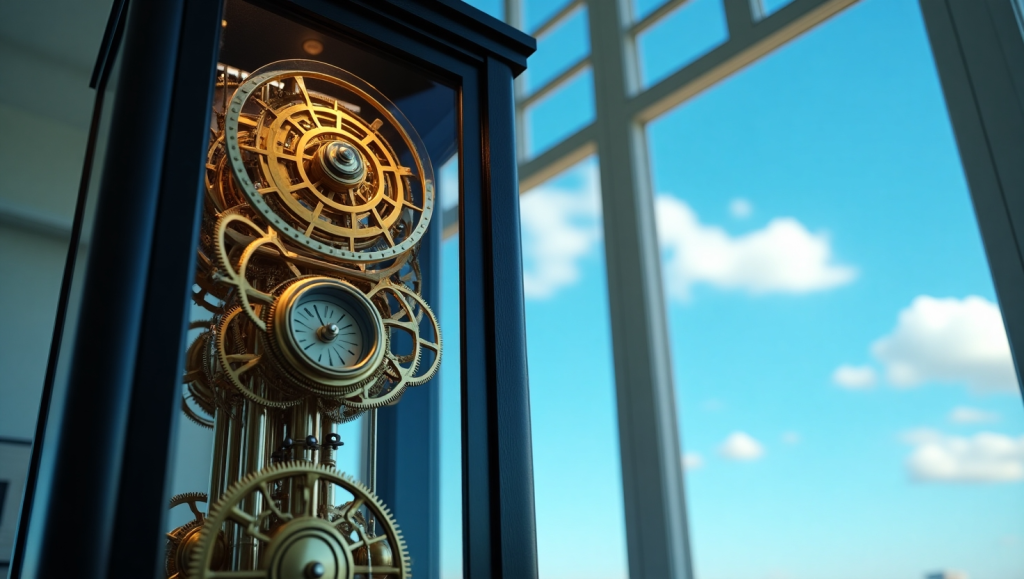
4. Home Decor Trends: Is Nostalgia Bringing Grandfather Clocks Back?
Trends may be fleeting, but nostalgia has a way of circling back with more power each time. In 2026, nostalgia isn’t just a feeling; it’s a style statement. Grandfather clocks, once dismissed as outdated, are now being embraced by interior designers who understand the emotional weight of legacy decor. According to Architectural Digest’s 2025 trend report, there’s been a 43% increase in vintage furniture searches among homeowners aged 28–42. These are not the typical antique buyers.
They’re young professionals turning their backs on flat-pack furniture in favor of pieces with soul, and few objects carry more soul than a grandfather clock. Paired with raw textures, neutral palettes, and biophilic design elements, these clocks create a sensory balance between timeworn warmth and modern minimalism. Nostalgia, it seems, isn’t about going backward. It’s about grounding the present with symbols that outlasted every trend before them.
5. Can Grandfather Clocks Go Smart?
It may sound like a paradox, smartgrandfather clocks, but that’s exactly the innovation unfolding quietly in luxury timepiece circles. While traditional craftsmanship remains untouched, a new class of horologists and designers is exploring ways to merge 18th-century elegance with 21st-century intelligence. In fact, a prototype unveiled at the 2024 Milan Design Week featured a fully functional longcase clock equipped with hidden smart sensors, ambient lighting, and voice-activated chimes.
The face remained analog, but behind the dial? Seamless Wi-Fi integration, calendar syncing, and silent nighttime modes. What makes this movement interesting is that it’s not about replacing tradition; it’s about enhancing it without disturbing the integrity of form. As smart homes continue evolving, hybrid clocks like these could become status symbols that reflect both old-world taste and modern tech fluency. They’re not just relics anymore, they’re Renaissance pieces.
6. What Do Collectors and Investors Say About Their Future Value?
What was once just “Grandpa’s old clock” is now a valuable asset in the eyes of serious collectors and estate investors. As rare wood types become harder to source and mechanical mastery declines in the digital age, grandfather clocks are experiencing a quiet boom in valuation. In 2025, Christie’s London auctioned a George III mahogany longcase clock for over $57,000, more than double its pre-pandemic value. But it’s not just about rarity, it’s about narrative. Clocks with provenance (verified history) or connections to early American and British makers are in especially high demand.
Collectors are treating them like functional art, while investors see them as hedges against disposable consumerism. Restoration experts are also seeing an influx of young buyers willing to spend on bringing old clocks back to life, not just to display, but to preserve. As trends toward sustainable living and heritage ownership gain traction, grandfather clocks are becoming more than decorative—they’re a statement of values.
7. Grandfather Clocks and the Rise of Slow Living
In today’s hyper-connected world, the average attention span is shrinking, and everything moves at the speed of a swipe. But something unexpected is happening: more people are turning to the slow living movement, a conscious lifestyle shift that favors presence, simplicity, and intentional choices. And at the heart of many slow-inspired spaces? A grandfather clock. These timepieces aren’t just functional, they’re meditative. The rhythmic swing of the pendulum, the hourly chime, the stillness between ticks… it all creates a subtle reminder that time is passing, slowly, and meaningfully.
According to a 2025 report by the Global Wellness Institute, interior choices that promote mindfulness (like analog clocks, indoor plants, and ambient lighting) have seen a 55% uptick in wellness-centered design. Grandfather clocks have found a new home not in dusty corners but in yoga rooms, reading nooks, and serene studios. They don’t rush you. They remind you to breathe.
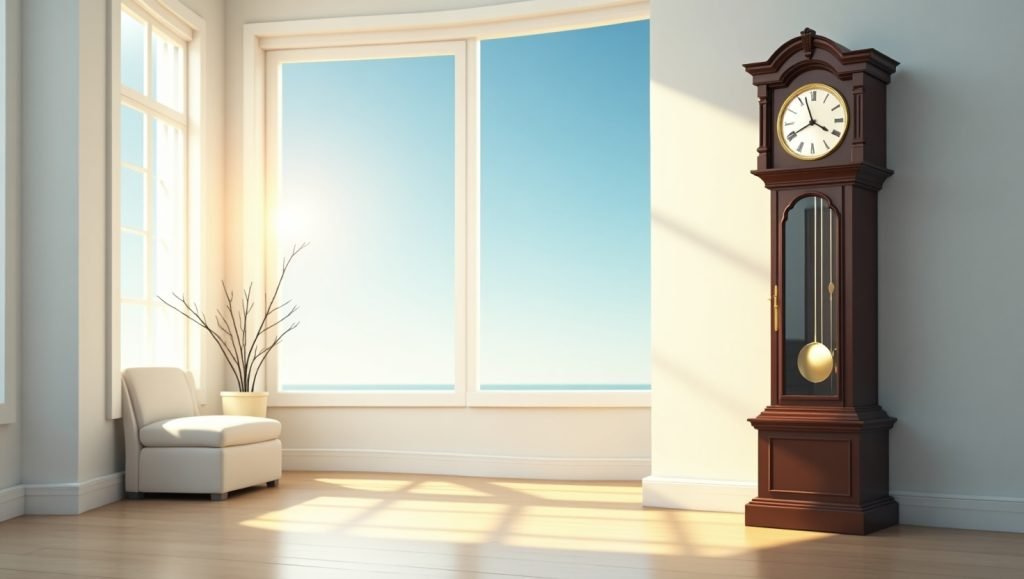
8. Interior Designers Are Reimagining the Grandfather Clock
The perception of the grandfather clock has shifted radically in just a few years. No longer relegated to the hallways of old mansions, these tall, elegant timepieces are being reimagined by top interior designers as focal points in ultra-modern homes. Some are restored to their original finishes, while others are painted in matte black, deep navy, or forest green to align with modern palettes. Designers like Emily Henderson and Shea McGee have featured them as contrast elements, blending tradition with contemporary lines to create visual balance.
Even boutique furniture brands are releasing reinterpretations of the longcase clock, made with sustainable woods and minimalist dials. A 2026 Pinterest trend insight confirmed a 34% spike in “modern grandfather clock” searches, reflecting this aesthetic evolution. The result? An unexpected decor twist that draws the eye, starts conversations, and delivers quiet drama to any room.

9. Younger Generations Are Surprisingly Drawn to Them
Contrary to the idea that grandfather clocks are “for old people,” it’s Gen Z and Millennials who are driving their resurgence. With growing fatigue toward digital saturation and mass production, younger homeowners are placing higher value on character, craftsmanship, and story. A 2025 survey by Furniture Today revealed that 61% of respondents under 40 preferred one high-quality vintage item over five new pieces from fast furniture brands.
Grandfather clocks, with their tactile appeal and generational energy, fit that desire perfectly. Some are even turning restoration into a hobby, buying old clocks at estate sales and learning to repair them through YouTube tutorials and online forums. For this generation, the value lies not just in owning something rare, but in preserving something meaningful. A grandfather clock isn’t just furniture; it’s an act of resistance against the forgettable.

Frequently Asked Questions (FAQs)
Are grandfather clocks still being manufactured today?
Yes, grandfather clocks are still being manufactured by both traditional makers and modern luxury brands. Companies like Howard Miller, Hermle, and Ridgeway continue to produce new models, often combining classical craftsmanship with contemporary features such as auto-night shut-off, battery-assisted winding, and customizable chimes. Limited-edition runs and custom orders have also gained popularity among collectors and interior designers.
Do grandfather clocks require regular maintenance?
Absolutely. Grandfather clocks are mechanical devices that require oiling every 2–3 years and a full servicing every 5–10 years by a professional clockmaker. Ignoring maintenance can lead to wear of the gears, pendulum misalignment, and reduced chime quality. Maintaining them properly preserves both their value and accuracy over time.
Can grandfather clocks be converted to quartz movement?
Yes, many owners choose to retrofit their grandfather clocks with quartz movements, especially when the original mechanical movement becomes too costly to repair. However, doing so can reduce the clock’s antique value. It’s a practical solution for those who want the aesthetic presence of a longcase clock without the maintenance commitment.
Are grandfather clocks suitable for small or modern apartments?
Surprisingly, yes. While traditionally large, newer models and custom designs have adapted to urban living. Slim-profile grandfather clocks and minimalist reinterpretations can add vertical elegance to tight spaces. Designers often place them strategically near entranceways, dining rooms, or corners where they act as statement pieces without overwhelming the space.
Is there a difference between grandfather, grandmother, and granddaughter clocks?
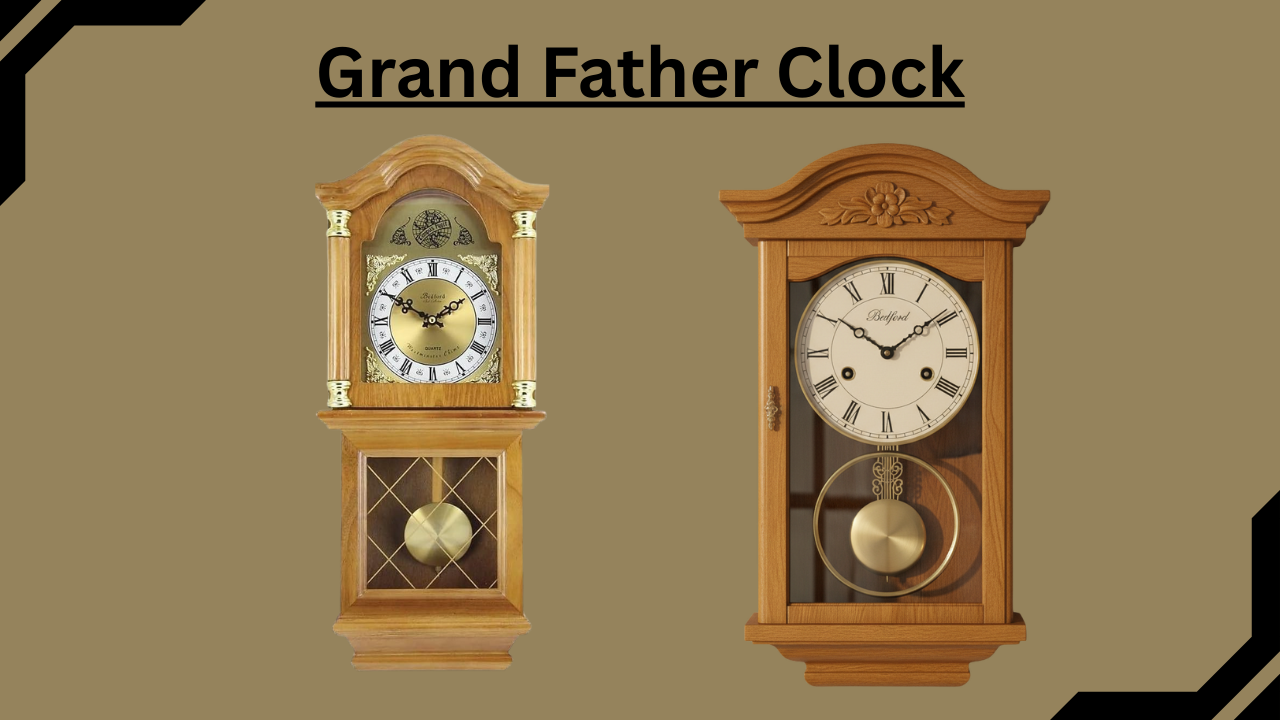
Yes, the difference lies in the height and proportions. Grandfather clocks typically stand over 6 feet tall, while grandmother clocks are between 5 and 6 feet. Granddaughter clocks are even smaller, usually under 5 feet, and were originally made for bedrooms or tighter hallways. All three share similar mechanisms but differ in visual impact and space needs.
What makes a grandfather clock valuable or collectible?
Several factors determine value: the maker, the age, the condition, the quality of wood and craftsmanship, and any historical documentation. Clocks made by renowned names like Thomas Tompion, David Rittenhouse, or early Herschede models command higher prices. Provenance and originality of parts (like the dial, hands, and weights) also significantly affect collector interest.
Can you insure a grandfather clock?
Yes, grandfather clocks can and should be insured, especially antiques or custom pieces. Most home insurance policies have limited coverage for high-value antiques, so owners often get separate “scheduled personal property” coverage. Appraisal from a certified horologist or antique dealer is typically required for accurate valuation.
Are there sustainable or eco-friendly versions of grandfather clocks?
Eco-conscious designers are now creating sustainable versions using reclaimed wood, non-toxic finishes, and ethically sourced materials. Some manufacturers have even introduced grandfather clocks with solar-powered or battery-assisted movements, reducing the environmental impact of constant winding or part replacements.
Can I integrate a grandfather clock into a minimalist interior style?
Yes, a grandfather clock can actually enhance minimalist design when chosen correctly. Look for simplified dials, neutral finishes, and clean silhouettes. The verticality and rhythm of a tall clock can offer dynamic contrast to minimalist furniture and open spaces without cluttering the aesthetic.
Where can I buy or restore a grandfather clock in 2026?
In 2026, you can find grandfather clocks on specialized platforms like 1stDibs, Etsy (for restored models), and dedicated antique dealers. Restoration services are available through certified horologists or via platforms like ClockRepair.com or the National Association of Watch and Clock Collectors (NAWCC). Always verify the credentials and request service history before purchasing or restoring.



Post Comment