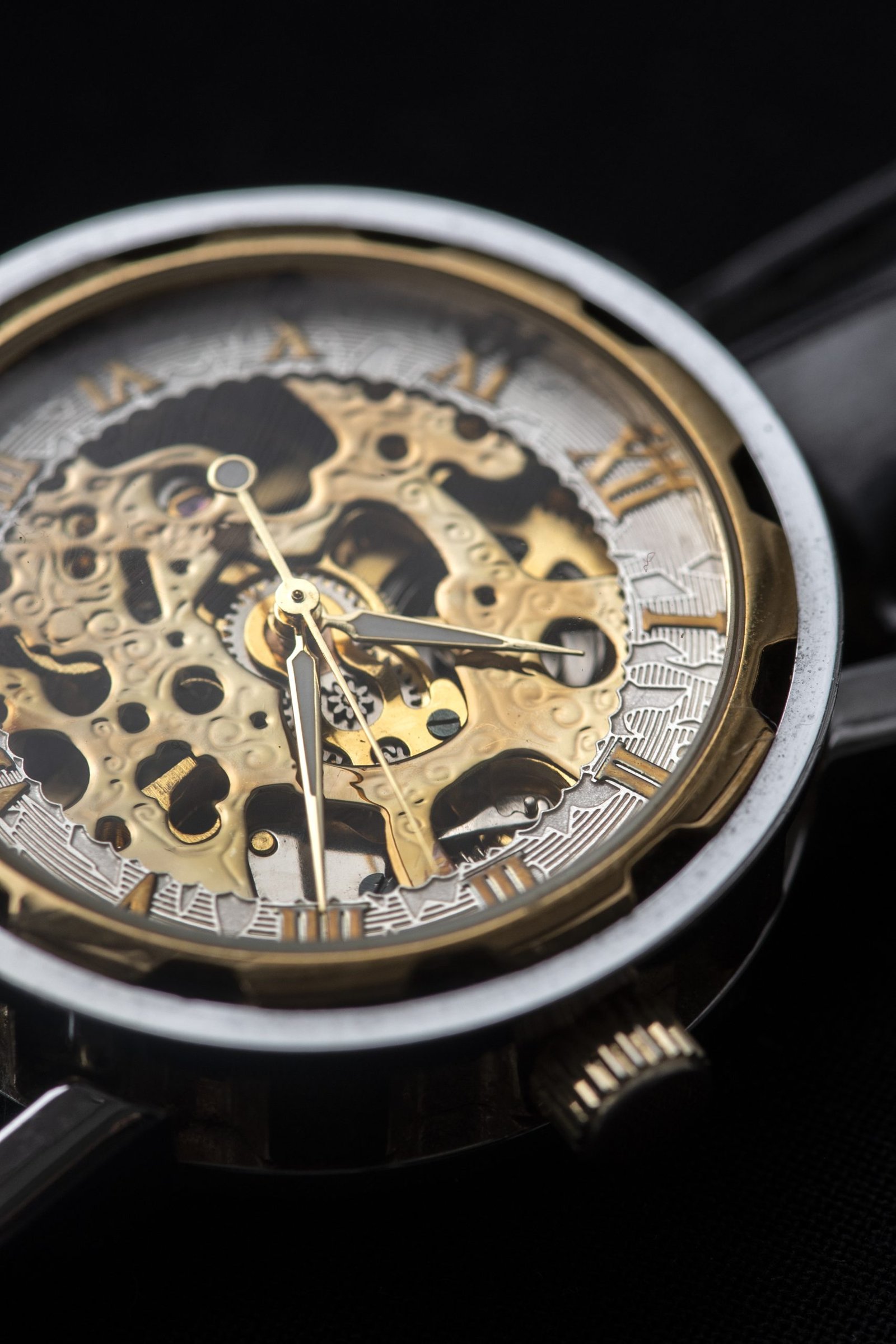
Antique & Vintage Grandfather Clocks Styles, Values, Brands & Buying Guide
1. Antique Grandfather Clocks
What Makes a Grandfather Clock Antique?
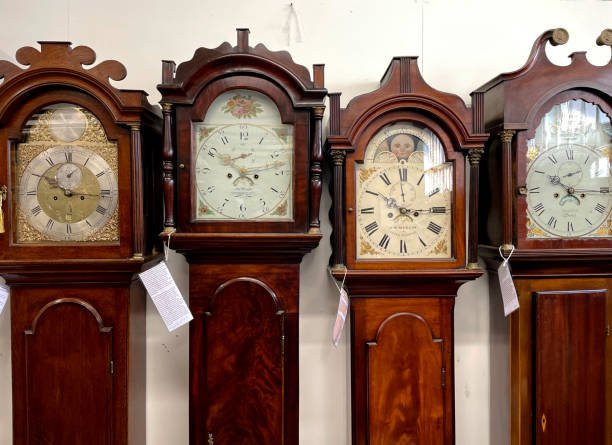
An antique grandfather clock is more than just a timepiece; it’s a piece of history. These clocks, which are typically at least 100 years old, are known for their tall, elegant design and mechanical movement. Unlike modern clocks, antique grandfather clocks feature intricate craftsmanship, often made from high-quality wood and metal, and they still use traditional mechanisms to tell time.
What sets them apart from newer models is their age and the materials used to create them. An antique grandfather clock usually has a vintage or aged appearance, with ornate carvings, brass pendulums, and often intricate clock faces. They were built to last for generations, which is why many of them are still functioning beautifully today.
The History and Evolution of Antique Grandfather Clocks
The grandfather clock was first invented in the late 17th century by the English clockmaker William Clement. These clocks originally gained popularity in the UK and later spread to other parts of the world. Over time, their designs evolved from basic wooden cases to more elaborate, decorative styles.
In the 18th and 19th centuries, antique longcase clocks became a staple in affluent households, especially in Europe and America. The term “grandfather clock” became widely used in the 19th century after the famous song “My Grandfather’s Clock” was released in 1876.
Today, antique grandfather clocks remain symbols of timeless beauty and craftsmanship, treasured by collectors and clock enthusiasts alike.
II. Types of Antique Grandfather Clocks
Traditional Antique Grandfather Clocks
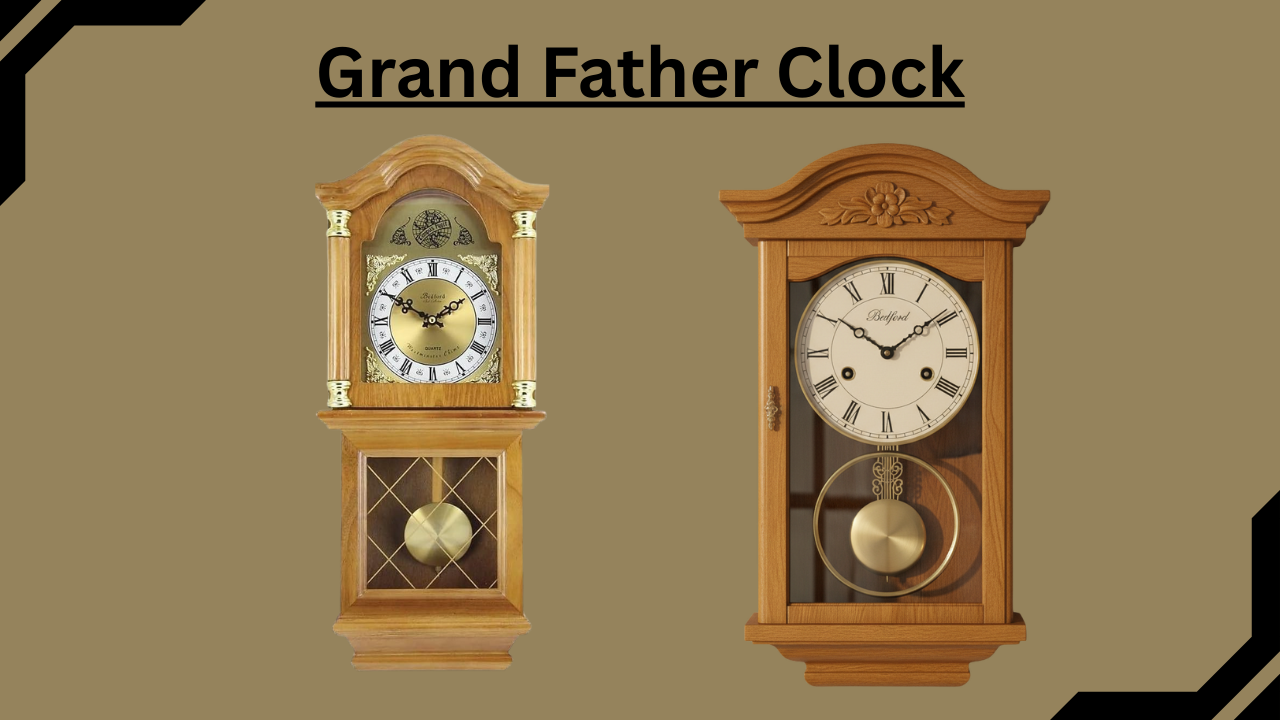
When we talk about traditional antique grandfather clocks, we’re referring to the classic design that has stood the test of time. These clocks often have simple yet elegant wooden cases, usually made of oak, mahogany, or cherry wood. The clock faces are typically white, with black Roman numerals, and they usually have a pendulum and weights visible through the glass door.
What makes these traditional clocks so sought-after is their simplicity and beauty. They often feature long, straight lines with minimal ornamentation, focusing on the functionality and precision of timekeeping.
Longcase Antique Grandfather Clocks
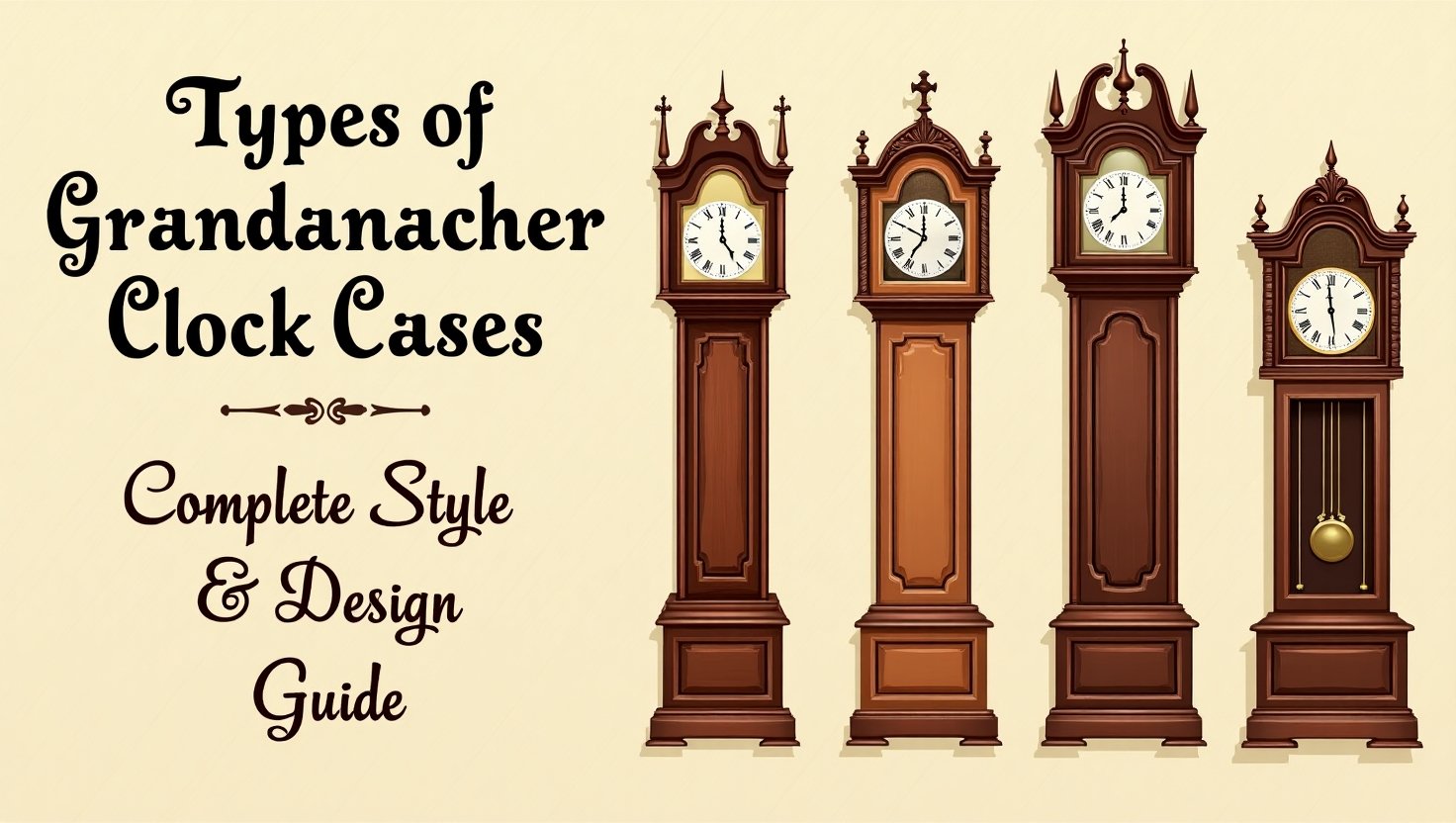
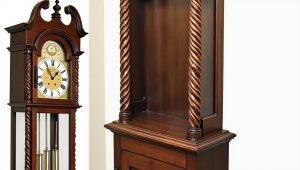
One of the most iconic types of antique grandfather clocks is the longcase clock. These clocks have tall, narrow cases that can reach over 6 feet in height, making them a striking piece of furniture in any room. They were initially designed to house large clock movements that required more space to function properly.
Longcase clocks often feature ornate detailing, including decorative finials, brass dials, and intricate woodwork. The pendulum is typically housed inside the long case, and the clock mechanism is usually powered by weights that need to be wound periodically.
Tall Antique Clocks
Tall antique clocks are another popular type, distinguished by their impressive height. These clocks can range from 6 feet to over 8 feet tall. They were designed to make a statement in a grand home, often adorning the halls of palaces or wealthy estates. While they are similar to longcase clocks, their taller height often makes them more imposing and noticeable.
Some of these clocks feature intricate carvings on their wooden cases or decorative brass components. Because they were designed to stand out, tall antique grandfather clocks are often considered more valuable due to their aesthetic appeal and rarity.
Wooden Antique Grandfather Clocks
Wooden cases are a hallmark of antique grandfather clocks. Whether crafted from oak, walnut, or cherry wood, these wooden grandfather clocks showcase fine craftsmanship. The wood is often hand-carved with beautiful patterns or floral motifs, giving each clock a unique and timeless appeal. Wooden grandfather clocks also tend to be more durable and are often passed down through generations, making them cherished heirlooms.
III. Value and Rarity of Antique Grandfather Clocks
Factors That Influence Antique Grandfather Clock Value
The value of an antique grandfather clock can vary greatly depending on several factors:
- Age: Generally, the older the clock, the more valuable it can be. However, the clock must be in good condition to justify its age.
- Condition: A well-preserved clock that still functions properly will be worth more than one that needs extensive repairs.
- Maker and Brand: Some manufacturers, like Howard Miller and Ridgeway, have built reputations for producing high-quality grandfather clocks. These branded clocks often command a higher price.
- Materials Used: The type of wood (like mahogany, oak, or cherry), the quality of the clock face, and the metalwork (especially brass or gold) can affect the price.
- Rarity: If the clock is rare or part of a limited-edition run, it may fetch a much higher price. Limited-edition vintage grandfather clocks or those with special designs often become collector’s items.
How to Determine the Value of Antique Grandfather Clocks
To determine the value of an antique grandfather clock, it’s essential to evaluate the following:
- The Clock’s Age and Condition: Older clocks in excellent condition are often the most valuable.
- Provenance: A clock with a documented history or ownership can be worth more. For example, a clock owned by a historical figure or mentioned in a famous collection will have more value.
- Market Demand: Vintage clocks that are in high demand will naturally cost more. Keep an eye on auction results or antique clock fairs to gauge current market trends.
Hiring a professional appraiser who specializes in antique grandfather clocks is the best way to get an accurate value. They can help assess the clock’s condition, age, and authenticity.
Most Valuable Antique Grandfather Clocks
The most valuable antique grandfather clocks are often the rarest and oldest. For example, clocks created in the early 18th century by renowned makers like William Clement or Thomas Tompion can sell for tens of thousands of dollars at auction.
Moreover, grandfather clocks from the Victorian era or those made in the 1800s are highly prized by collectors. These clocks are often characterized by their intricate designs, high-quality materials, and exceptional craftsmanship, making them stand out in the antique market.
IV. How to Buy and Sell Antique Grandfather Clocks
Where to Find Antique Grandfather Clocks for Sale
If you’re looking to buy an antique grandfather clock, there are several places to start your search:
- Auctions: Auction houses often feature high-quality antique grandfather clocks in their sales, where you may find rare and valuable pieces.
- Antique Stores: Many antique dealers specialize in grandfather clocks and can offer a wide range of styles and prices. Visiting these stores in person can allow you to inspect the clock closely before making a purchase.
- Online Marketplaces: Websites like eBay or Etsy often have vintage grandfather clocks for sale, although you must be cautious and ensure the clock’s authenticity.
- Estate Sales and Antique Fairs: Estate sales and antique fairs can offer excellent opportunities to find well-maintained antique clocks, often at competitive prices.
Tips for Buying Antique Grandfather Clocks
When buying an antique grandfather clock, there are a few things to consider:
- Inspect the Condition: Check the clock’s movement, the case, and the dial for any damage or repairs. A clock that needs a lot of work will reduce its value.
- Ask for Documentation: If possible, get a certificate of authenticity or historical documentation for the clock. This can add to its value.
- Consider the Style: While some may prefer traditional designs, others may seek more ornate or rare styles. Choose a clock that fits your home and taste.
Selling Antique Grandfather Clocks
If you want to sell your antique grandfather clock, there are several ways to do so:
- Auction Houses: They are a great place to sell high-value clocks, especially if they are rare or have significant historical value.
- Online Marketplaces: Websites like eBay or specialized clock forums allow you to reach a broader audience and sell your clock directly.
- Antique Dealers: If you’re looking for a quicker sale, you can approach antique dealers who will offer to buy your clock.
Make sure to research your clock’s value before listing it for sale to avoid underselling.
V. How to Care for Antique Grandfather Clocks
Proper Maintenance of Antique Grandfather Clocks
Taking care of an antique grandfather clock is essential for ensuring that it lasts for generations. These clocks are mechanical marvels, and like any finely crafted instrument, they require regular attention to keep them in optimal working condition.
Start by cleaning your clock’s face and case regularly. Dust can accumulate on the surface, so use a soft cloth to gently wipe it down. Avoid harsh chemicals or abrasives, as they can damage the finish or clock face. For the wooden case, use a wood cleaner that’s safe for antiques to preserve its shine.
Winding and Setting the Clock
Most vintage grandfather clocks are powered by weights that need to be wound. Typically, these clocks need winding every 7-14 days, depending on the clock’s mechanism. Use the winding key provided with the clock and turn it in the direction indicated. Be sure not to overwind the clock, as this can cause damage.
The clock should also be set correctly. Ensure that the pendulum is aligned properly and is swinging evenly. The timekeeping function will only work accurately if the pendulum is in motion, so avoid disturbing it when setting the clock.
Regular Professional Servicing
For antique longcase clocks and other vintage timepieces, it’s recommended to have a professional clockmaker service the movement every few years. These professionals are trained to ensure that the gears, weights, and mechanical components are functioning properly. They will also lubricate the internal mechanisms to prevent wear and tear over time.
While some repairs may be necessary as the clock ages, regular servicing will help to avoid costly repairs in the future.
Storage and Protection
If you need to store your grandfather clock, ensure that the storage area is dry, stable, and protected from extreme temperature fluctuations. Keeping the clock in an area with excessive humidity or heat can cause the wood to warp or the mechanism to malfunction. If you’re storing it for a long time, wrap it in a cloth to protect it from dust and debris.
VI. Restoring Antique Grandfather Clocks
Why Restoration Is Important for Antique Clocks
Over time, even the most well-cared-for vintage grandfather clocks may show signs of wear. Restoration is often necessary to bring these clocks back to their former glory and ensure that they continue working correctly.
Restoring an antique grandfather clock involves fixing or replacing worn-out parts, such as the clock’s mechanism, pendulum, or weights. It’s important to only trust professionals with experience in clock restoration, as improper handling can lead to further damage.
Common Restoration Services for Antique Grandfather Clocks
Several restoration services are available for antique longcase clocks, including:
- Cleaning and Polishing: Over the years, dust and grime can accumulate inside and outside the clock. Professional cleaning ensures that the clock functions smoothly and looks as good as new.
- Repairing the Clock Movement: The most intricate part of any antique grandfather clock is its mechanism. Clockmakers can repair or replace gears and springs that may have worn out or become damaged.
- Refinishing the Wooden Case: If the wooden case is scratched or damaged, it can be refinished to restore its original appearance. This process may involve sanding down the surface, repairing any cracks, and applying a fresh coat of wood stain or polish.
How to Find a Skilled Clock Restorer
When looking for a restorer for your vintage grandfather clock for sale, make sure to do some research. Seek out professionals who specialize in antique clocks and have experience with the specific type of clock you own. Check for certifications or affiliations with clockmaking organizations, as these can serve as a mark of quality and expertise.
Cost of Restoring Antique Grandfather Clocks
The cost of restoring an antique grandfather clock depends on the extent of the work required. Minor repairs, such as fixing a pendulum or replacing the glass, might only cost a few hundred dollars. However, more extensive restoration, such as replacing the clock movement or refinishing the case, could be much more expensive. Always get an estimate before proceeding with any restoration work.
VII. Popular Antique Grandfather Clock Brands
Howard Miller Grandfather Clocks
One of the most well-known and respected brands in the world of antique grandfather clocks is Howard Miller. Founded in 1926, Howard Miller clocks are known for their precision and timeless design. Many vintage Howard Miller clocks are considered collector’s items, particularly the limited-edition models or those featuring intricate craftsmanship.
These clocks often feature a combination of high-quality wood finishes, brass dials, and mechanical movements that provide smooth, reliable timekeeping. If you come across a used Howard Miller grandfather clock, it’s likely to be a valuable piece, whether it’s in original condition or refurbished.
Ridgeway Grandfather Clocks
Another respected brand in the world of antique grandfather clocks is Ridgeway. Known for their craftsmanship and attention to detail, Ridgeway clocks are highly sought after by collectors. Ridgeway’s designs typically feature rich wooden cases, often with a darker finish, and mechanical movements that are built to last.
If you find a Ridgeway grandfather clock for sale, you can expect it to be a high-quality, functional piece with historical value. These clocks are known for their precision and beautiful aesthetics.
Kieninger Grandfather Clocks
Kieninger is a German brand that has been crafting high-end mechanical clocks for over a century. Known for their exceptional engineering and intricate designs, Kieninger grandfather clocks are highly prized by collectors worldwide. The brand’s antique models often feature beautifully designed dials, gold finishes, and superb accuracy.
Owning a Kieninger grandfather clock means owning a piece of clockmaking history. These clocks often represent a blend of old-world craftsmanship and precision, making them perfect for collectors or anyone looking for a unique, timeless piece.
Grandfather Clock Brands to Consider
While Howard Miller, Ridgeway, and Kieninger are among the top names, many other clockmakers have produced high-quality antique grandfather clocks over the years. Brands like Sligh, Seth Thomas, and Hermle also have a reputation for crafting fine clocks that are sought after by collectors.
VIII. Antique Grandfather Clocks in Modern Homes
Incorporating Antique Grandfather Clocks into Home Décor
While antique grandfather clocks are often associated with traditional homes, they can be successfully incorporated into modern interiors as well. A vintage grandfather clock can add a touch of elegance and nostalgia to any room, blending perfectly with both contemporary and vintage décor styles.
Consider placing your clock in a living room, hallway, or entryway where it can serve as a striking focal point. The tall, classic design of the grandfather clock works well in spaces with high ceilings, but it can also complement smaller rooms when placed in the right spot.
Balancing Modern and Antique Styles
To create a cohesive look, try balancing the classic design of the antique longcase clock with modern furniture or decor. For example, a vintage grandfather clock placed next to sleek, minimalist furniture can create a beautiful contrast that enhances both styles.
Pairing your clock with contemporary art, neutral-colored walls, or modern lighting fixtures can help maintain a balanced aesthetic in your home while highlighting the clock’s antique beauty.
Caring for Your Antique Clock in Modern Homes
In modern homes, antique grandfather clocks may require some extra attention to ensure that they blend well with the environment. Ensure the space around the clock is free of excessive humidity, as newer homes with air conditioning and central heating can cause the wood to warp over time. Regularly check the clock’s movement and cleanliness to maintain its functionality.
2. Vintage Grandfather Clocks
Defining Vintage Grandfather Clocks
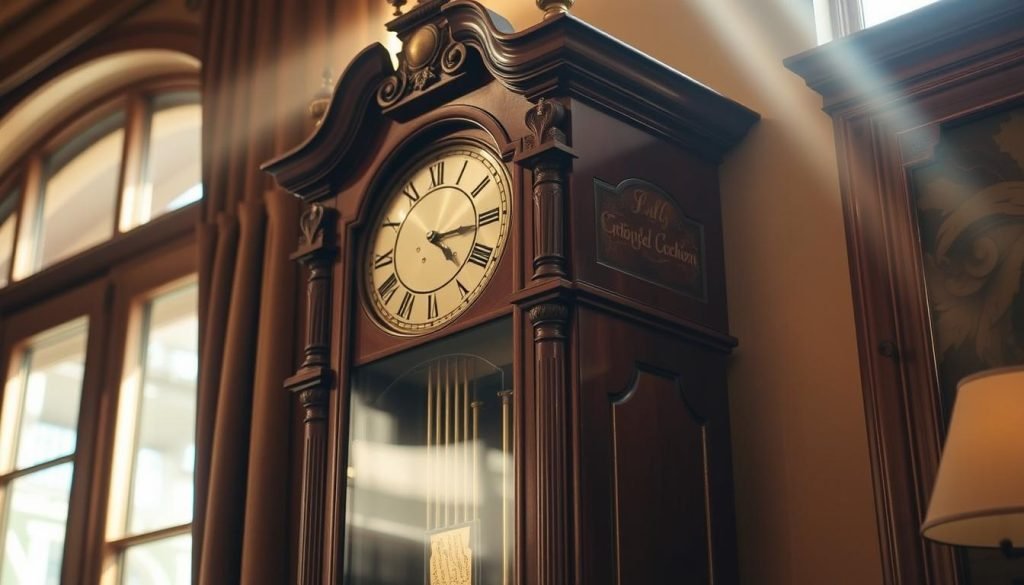
A vintage grandfather clock is more than just a timekeeping device; it’s a piece of history. Typically, these clocks date back 20 to 100 years and are often handcrafted with intricate details. Unlike modern clocks, vintage ones carry the charm of aged wood, detailed carvings, and a warm patina that adds character to any space.
What Differentiates Vintage Clocks from Antique Ones?
While the terms “vintage” and “antique” are often used interchangeably, they refer to different age ranges. Antique grandfather clocks are usually over 100 years old. In contrast, vintage grandfather clocks are typically from the early to mid-20th century. The design elements also vary, vintage clocks may include Art Deco, Mid-Century, or Victorian revival styles, while antiques reflect much older craftsmanship.
II. Types of Vintage Grandfather Clocks
Vintage Longcase Clocks
The vintage longcase clock, also known as a tall-case clock, features a classic upright design. These are perfect for hallways and formal living spaces. Most are crafted from solid wood and display elegant pendulums through a glass panel.
Vintage Wooden Grandfather Clocks
These are the most commonly sought-after pieces. Vintage wooden grandfather clocks are usually made from oak, mahogany, or walnut and may include hand-carved details and brass dials. Their natural aging gives them a distinct look that modern replicas can’t replicate.
Metal and Brass Vintage Grandfather Clocks
Some vintage models feature brass or metal casing, giving them a slightly more industrial or Art Deco feel. These are less common but are prized for their uniqueness and durability.
Floor and Wall-mounted Vintage Clocks
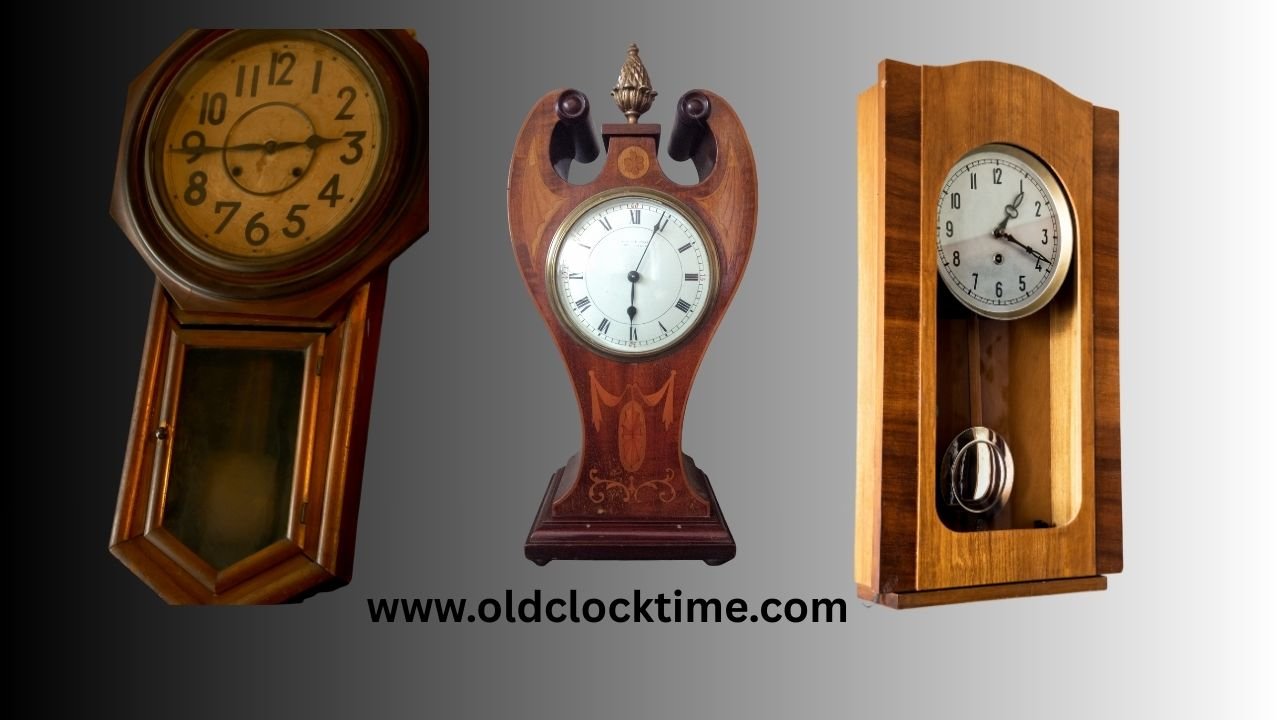
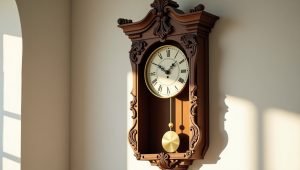
While traditional grandfather clocks stand tall on the floor, some vintage grandfather wall clocks were designed to be hung, especially in homes with limited space. These still offer the same mechanical charm in a more compact form.
III. Value and Market for Vintage Grandfather Clocks
How to Determine the Value of Vintage Grandfather Clocks
The value of a vintage grandfather clock depends on several factors. Collectors and buyers should assess the overall condition, movement type (mechanical vs. quartz), craftsmanship, and whether the clock has its original parts.
Factors Influencing Vintage Grandfather Clock Prices
Condition
Is the clock fully functional? Are all the original components intact? A well-maintained clock can significantly increase in value.
Age
Clocks from earlier decades—especially those made before 1950—tend to have a higher value due to scarcity and craftsmanship.
Maker and Brand
Brands like Howard Miller, Ridgeway, and Pearl are considered premium. A clock bearing these names usually commands a higher price.
How the Vintage Clock Market Has Evolved
In recent years, the demand for vintage and refurbished grandfather clocks has surged, especially among interior designers and collectors. Online platforms have made these clocks more accessible, but they’ve also increased the need for careful inspection and verification.
IV. Where to Buy Vintage Grandfather Clocks
Top Places to Buy Vintage Grandfather Clocks
Antique Stores
Local antique shops often carry used and refurbished grandfather clocks that have been verified and restored. The benefit here is the ability to inspect the clock in person.
Online Marketplaces
Websites like eBay, Etsy, and specialized antique clock dealers offer a wide range of vintage grandfather clocks for sale. Always check seller ratings and ask for detailed photos and documentation.
Estate Sales and Auctions
Estate sales and auctions are hidden gems for finding rare clocks. You might stumble upon a unique, old, tall clock or a rare Howard Miller vintage model at a fraction of its value.
What to Consider Before Purchasing Vintage Grandfather Clocks
Inspection Tips
Before buying, ensure the clock is working or can be repaired. Ask about the movement type, weight system, and chime mechanism. Look for any signs of wood damage, replacement parts, or over-polishing.
Asking for Documentation and Provenance
A clock with provenance (proof of origin or ownership history) adds authenticity and value. Always ask for documentation, especially for high-value clocks or branded models.
V. Caring for and Maintaining Vintage Grandfather Clocks
Routine Maintenance Tips
Maintaining a vintage grandfather clock ensures its beauty and function last for years. These clocks have delicate mechanisms that require care. Keep them in a stable environment, avoid placing them near heaters, windows, or damp areas, as wood and metal are sensitive to temperature and moisture.
Winding and Adjusting the Clock
Most vintage grandfather clocks need to be wound weekly. Use the key provided (or a replacement suited to your model), and follow the directions indicated in the manual or on the movement. Never overwind, it can damage the mechanism.
Cleaning the Clock and Movement
Gently dust the exterior with a soft, dry cloth. Avoid chemical cleaners. For the clock movement, periodic professional cleaning is recommended, especially for used grandfather clocks that haven’t been serviced in years.
Restoring Vintage Grandfather Clocks
When Is Restoration Necessary?
If your clock isn’t keeping time, chimes incorrectly, or shows wear like cracked glass or flaking veneer, restoration may be needed. Old antique grandfather clocks can be sensitive, and small issues may worsen over time.
How to Find Professionals for Clock Restoration
Look for horologists or antique clock specialists with experience in refurbished grandfather clocks. Ask for references, before-and-after photos, and details about parts used. Avoid general repair services without clock-specific expertise.
VI. Popular Brands and Makers of Vintage Grandfather Clocks
Howard Miller Vintage Clocks
Howard Miller is one of the most recognized names in the industry. Their vintage grandfather clocks often feature impeccable woodwork and reliable mechanical movements. Collectors and decorators alike seek them for both performance and aesthetic.
Ridgeway Vintage Grandfather Clocks
Ridgeway clocks are American-made, known for their tall-case elegance and ornate dials. A vintage Ridgeway clock often combines traditional style with long-lasting craftsmanship.
Famous Makers in the Vintage Grandfather Clock Industry
Besides Howard Miller and Ridgeway, brands like Pearl, Bulova, and Hermle have contributed stunning vintage longcase clocks and classic standing timepieces. Recognizing the maker helps determine authenticity and resale value.
VII. Vintage Grandfather Clocks as Home Décor
How Vintage Grandfather Clocks Add Elegance to Your Home
A vintage grandfather clock is not just functional; it’s a statement piece. It brings warmth, charm, and a sense of timelessness to any space. Whether placed in a hallway, living room, or office, it anchors the room with style and history.
Incorporating Vintage Clocks into Different Room Styles
Traditional
These clocks naturally complement traditional or colonial-style homes. Their rich wood tones and classic lines pair beautifully with antique furniture.
Contemporary
Surprisingly, a grandfather clock vintage style can contrast modern décor in a sophisticated way. A minimalist room with one standout antique clock creates a focal point.
Industrial
Pair a metal or brass vintage grandfather clock with exposed brick, pipes, and wood for a balanced industrial look.
VIII. Collecting Vintage Grandfather Clocks
Why Collecting Vintage Grandfather Clocks Is Popular
Collectors are drawn to vintage and antique grandfather clocks because each one tells a story. They’re built with care, carry historical value, and become family heirlooms passed down through generations.
Tips for Collectors
Start with research. Learn about makers, styles, and price trends. Begin with a few second-hand grandfather clocks or used Howard Miller models, then move into rarer finds as your knowledge grows.
How to Find the Best Vintage Clocks
Check antique fairs, reputable dealers, estate auctions, and specialized online platforms. Always inspect or request detailed photos of the grandfather clock antique before buying.
Maintaining and Displaying Your Collection
Keep your clocks in a dust-free, stable environment. Display them upright with proper lighting to highlight their features. Rotate pieces if you have multiple, and maintain them regularly to keep movements functional.
IX. Conclusion
The Enduring Appeal of Vintage Grandfather Clocks
In a fast-moving digital world, vintage grandfather clocks remind us to slow down. Their gentle tick-tock and chiming tones create a calming rhythm in the home, while their craftsmanship offers lasting value.
Final Thoughts on Choosing and Caring for Your Vintage Grandfather Clock
Whether you’re a collector, decorator, or someone drawn to nostalgic beauty, a vintage grandfather clock is a rewarding investment. Choose with care, maintain it with love, and it will serve you and the generations after, for years to come.




Post Comment