Why Your Grandfather Clock Pendulum Stops: Easy Fixes & Troubleshooting
It can be quite frustrating when a grandfather clock loses its steady heartbeat. If your grandfather clock pendulum stops shortly after you start it, the issue is usually a simple mechanical misalignment rather than a broken part.
From being ‘out of beat’ to simple leveling issues, most causes are easy to identify and fix at home. In this guide, we will walk you through the primary reasons why your clock might be stopping and provide clear steps to restore its rhythmic swing and timeless charm
1. Uneven Placement of the Clock
One of the most common reasons a grandfather clock pendulum stops is that the clock is not standing on a level surface. If the clock is tilted even slightly, the pendulum’s swing becomes unbalanced and eventually comes to a halt.
How to Fix Uneven Placement
Use a small level and place it on top of the clock. If the bubble isn’t centered, adjust the feet of the clock (if adjustable) or place thin shims under the base until the clock stands upright. Once level, the pendulum should swing evenly without stopping after a few minutes.
2. Incorrect Pendulum Adjustment
Improper pendulum adjustment can cause timing issues and sudden stops. If the pendulum bob (the round weight at the bottom) is set too high or too low, the pendulum loses rhythm and fails to keep the clock running.
How to Fix Pendulum Adjustment
Locate the rating nut beneath the pendulum bob. Turn it slowly:
- Right (clockwise) = raises the bob and makes the clock run faster.
- Left (counterclockwise) = lowers the bob and slows the clock.
Make only small adjustments of one turn at a time and test the clock for a few hours before readjusting.
3. Damaged or Worn Suspension Spring
The suspension spring is a thin piece of metal that holds the pendulum in place. Over time, it can weaken, bend, or snap, which prevents the pendulum from swinging smoothly.
How to Fix a Suspension Spring
Carefully inspect the spring where the pendulum attaches to the leader. If it looks bent, cracked, or broken, replace it. Suspension springs are inexpensive and can be ordered based on your clock’s brand (Howard Miller, Ridgeway, Emperor, etc.). Replacing one is simple: unhook the old spring, slide the new one into place, and reattach the pendulum.
4. Obstructions Inside the Clock Case
Sometimes the pendulum stops because it bumps into weights, chains, or cables hanging inside the case. Even a slight obstruction can throw off its swing and cause the clock to stop.
How to Fix Obstructions
Open the clock case and gently move the pendulum by hand. Watch closely to see if it touches any weights or tangled chains. If so, reposition the weights so they hang straight and untangled. Also check the pendulum leader and make sure it is aligned in the center so the pendulum swings freely.
5. Dirt, Dust, and Lack of Maintenance
Over time, dust and old oil build up inside the clock movement, creating friction. This reduces the pendulum’s momentum and eventually stops it from swinging. Lack of maintenance is one of the biggest causes of pendulum problems in older clocks.
How to Fix Maintenance Issues
- Clean the pendulum gently with a soft, dry cloth.
- Never use harsh cleaners or polishes, as they may damage the finish.
- Apply specialized clock oil to pivot points every 2 to 3 years.
- If the clock hasn’t been serviced in 8 to10 years, consider professional cleaning.
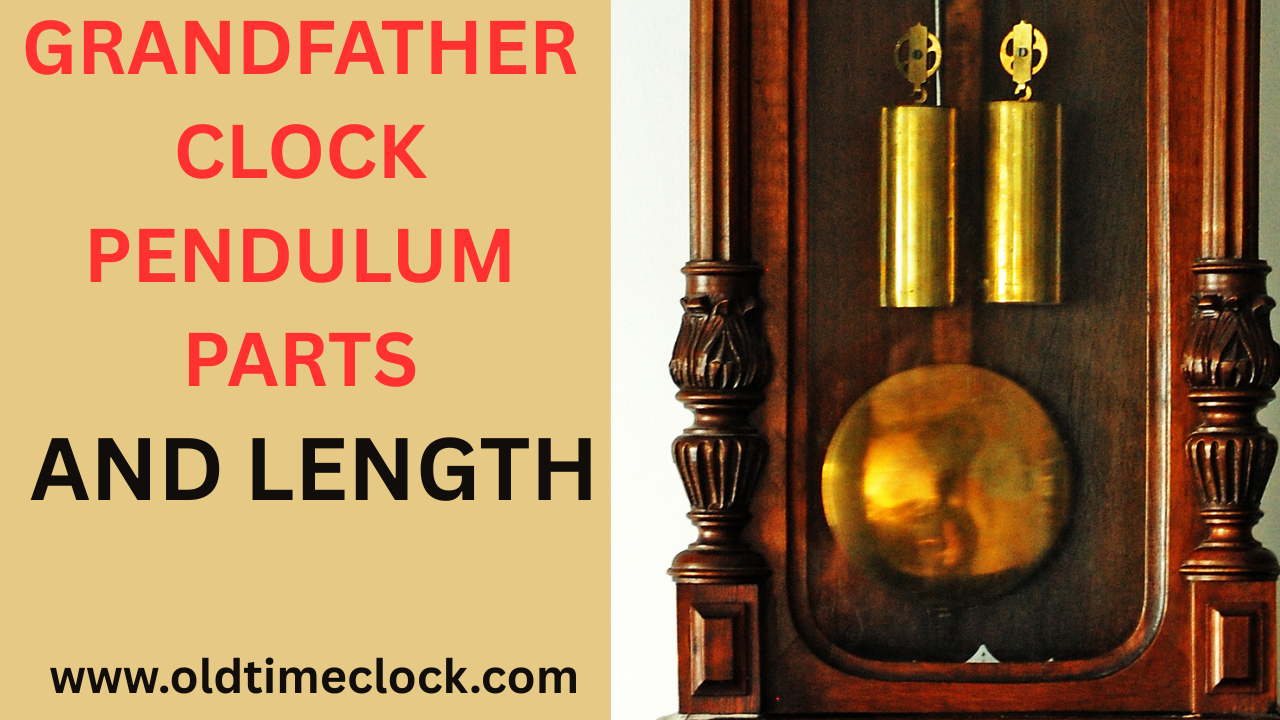
Important Grandfather Clock Pendulum Parts
To understand why a pendulum stops, it helps to know its key parts. Every grandfather clock pendulum has a few essential components that work together:
- Pendulum Bob: The round disk at the bottom that controls the clock’s timing. Raising or lowering it adjusts speed.
- Pendulum Rod: The long shaft that holds the bob and connects it to the suspension.
- Suspension Spring: A thin strip of metal that holds the pendulum in place and allows smooth swinging.
- Pendulum Leader: The piece that links the suspension spring to the clock’s escapement mechanism.
- Rating Nut: Located under the bob, this is used for precise time adjustments.
Understanding these parts makes it easier to troubleshoot issues and perform simple adjustments without damaging the clock.
How to Keep Your Pendulum Running Smoothly
Preventive care is the best way to avoid pendulum problems in the future. Here are a few expert tips:
- Keep the Clock Level: Always place your clock on a stable, flat surface to prevent uneven swinging.
- Regular Cleaning: Dust the pendulum with a soft cloth and keep the clock case closed to minimize dirt buildup.
- Oil the Movement: Apply specialized clock oil to moving parts every 2 to 3 years to reduce friction.
- Service Schedule: Have your clock professionally cleaned and serviced every 8 to 10 years.
- Gentle Handling: When adjusting or moving the pendulum, handle it carefully to avoid bending the suspension spring.
By following these steps, you can keep your grandfather clock pendulum in excellent condition and ensure accurate timekeeping for many years.
Conclusion
A grandfather clock that stops is often just ‘out of beat’ or improperly leveled. By following these troubleshooting steps, you can likely resolve the issue yourself and enjoy that soothing tick-tock once again. However, if the clock continues to stop after these adjustments, it’s a sign that the movement may need professional cleaning or oiling. Don’t force the pendulum; a little patience goes a long way in clock repair.
FAQs About Grandfather Clock Pendulum Problems
Why does my grandfather clock pendulum stop after a few minutes?
This usually happens when the clock isn’t level. Even a slight tilt causes the pendulum to lose balance and stop. Use a level to check the clock’s position and adjust its feet or base until it stands upright.
How do you fix a grandfather clock pendulum that stops swinging?
Start by checking for simple issues: make sure the clock is level, the pendulum bob is adjusted correctly, and no weights or chains are in the way. If those don’t help, inspect the suspension spring it may need replacement.
How do I adjust the pendulum on a grandfather clock?
Use the rating nut under the pendulum bob. Turning it clockwise raises the bob and speeds up the clock, while counterclockwise lowers it and slows it down. Make small adjustments and test the timing before further changes.
What if the pendulum keeps stopping even after adjustment?
If the pendulum still won’t swing after adjustments, the problem may be dust or lack of lubrication inside the movement. A professional cleaning or oiling service is recommended every 8 to 10 years.
Can I replace the pendulum on my grandfather clock?
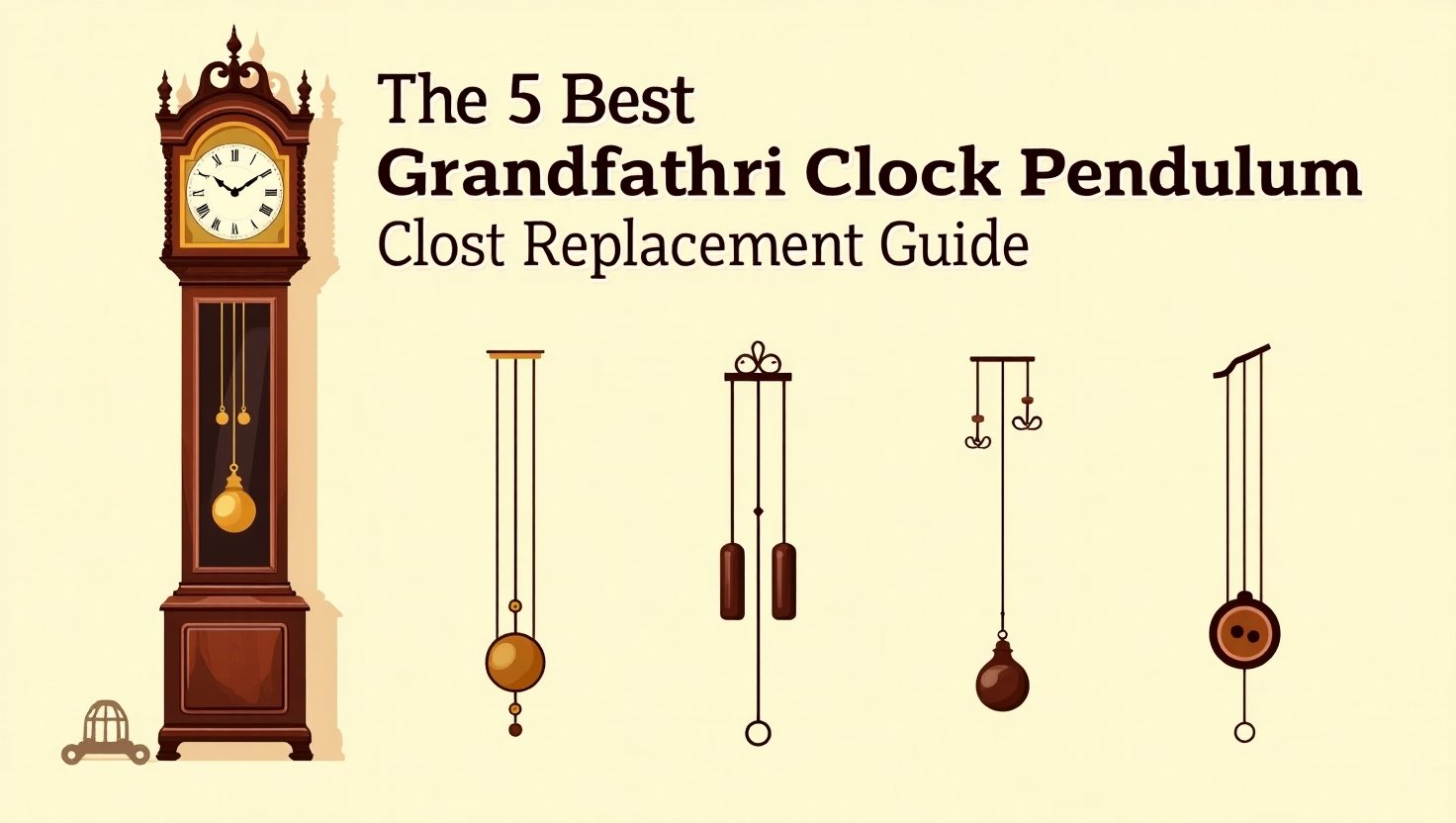
Yes. If the pendulum is damaged or missing parts, you can order a replacement pendulum designed for your clock model. Always check the length and weight specifications to ensure accurate timekeeping.








Post Comment