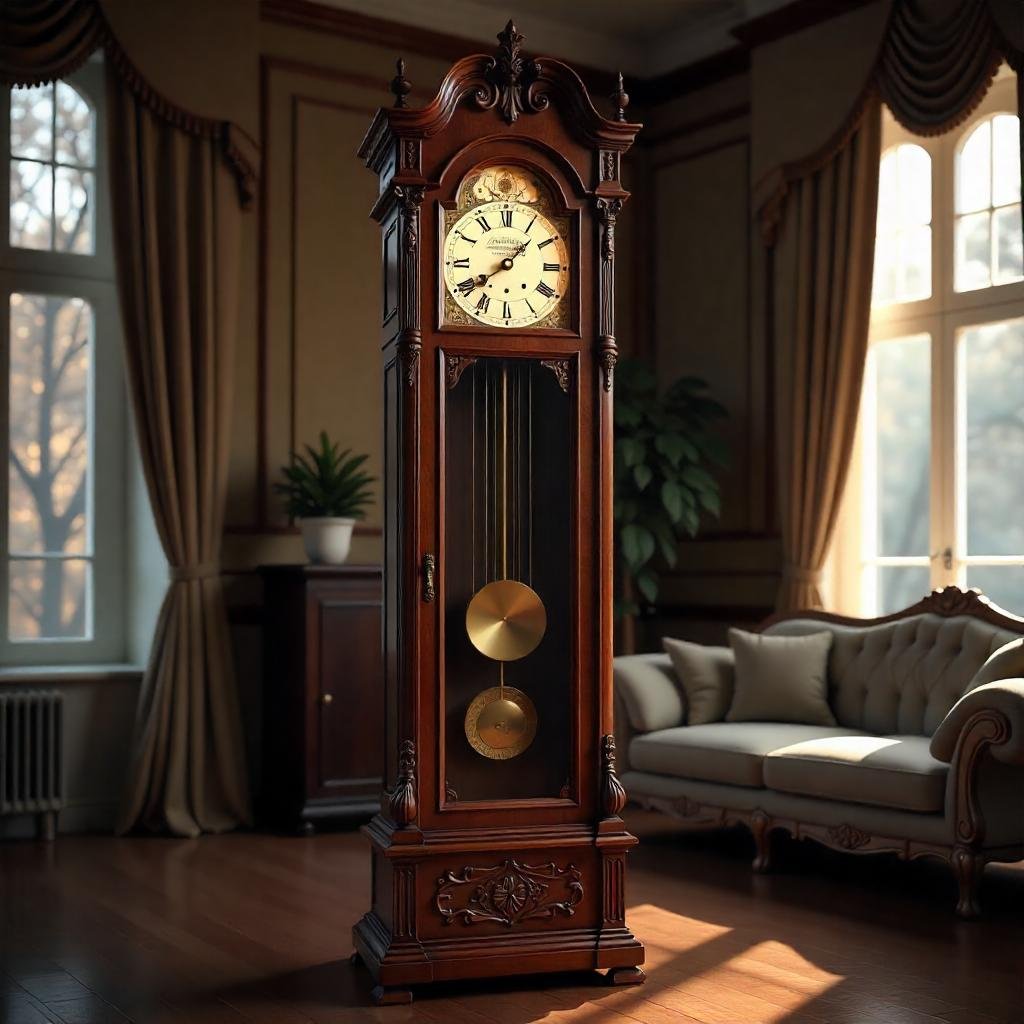
Mechanical Key Wound Grandfather Clocks A Timeless Marvel
Mechanical key wound grandfather clocks are masterpieces of horological art, embodying centuries of history, mechanical ingenuity, and artistic craftsmanship. These towering, elegant timepieces have stood the test of time, gracing the halls of aristocratic mansions, the drawing rooms of middle-class homes, and the collections of discerning connoisseurs. But what makes them so special? To truly appreciate their beauty and value, one must explore their origins, mechanical brilliance, artistic designs, and the delicate art of preservation.
The Origins of Timekeeping: From Ancient Sundials to Mechanical Masterpieces
Long before mechanical key wound grandfather clocks came into existence, ancient civilizations developed various methods of measuring time. The earliest forms of timekeeping relied on natural phenomena:
- Sundials: Used by ancient Egyptians and Greeks, sundials measured time by the movement of a shadow cast by the sun.
- Water Clocks (Clepsydra): Popular in ancient Mesopotamia, China, and Greece, these clocks measured time through the steady flow of water from one container to another.
- Hourglasses: Widely used in medieval Europe, these sand-filled glass timers measured short periods, ideal for ship navigation and daily tasks.
But these early timekeeping methods had significant limitations. They were not precise, and they depended on external conditions like sunlight or the availability of water. The quest for greater accuracy led to the birth of mechanical clocks.
The Dawn of Mechanical Timekeeping: Tower Clocks and the Escapement Mechanism
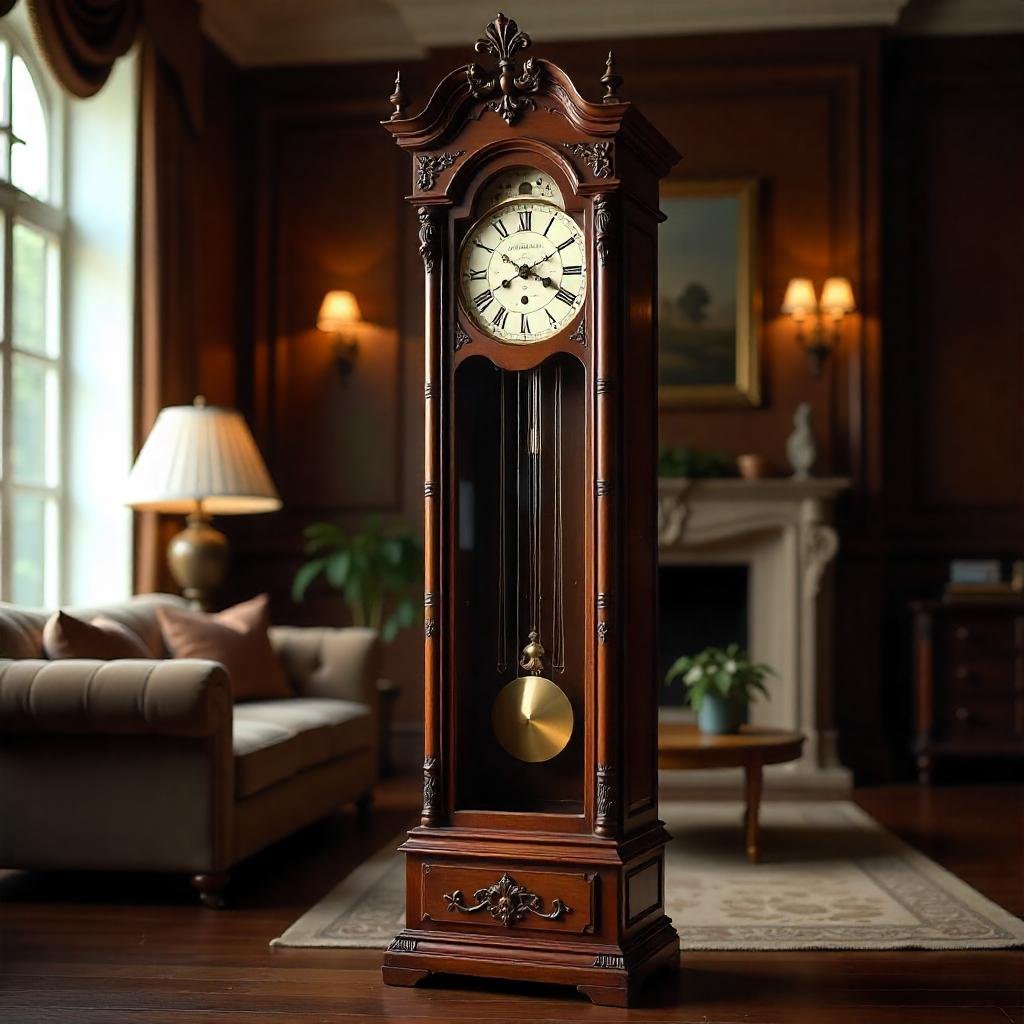
Mechanical clocks first appeared in European church towers in the 13th and 14th centuries. These massive tower clocks were powered by descending weights that drove a series of gears. But the true breakthrough came with the invention of the escapement mechanism, a device that controlled the release of energy from the weights, ensuring that the clock hands moved at a consistent rate.
These early mechanical clocks were large, loud, and often inaccurate, but they were a monumental step forward in timekeeping. They laid the foundation for the creation of smaller, more accurate timepieces.
The Pendulum Revolution: Christiaan Huygens’ Breakthrough (1656)
The world of horology changed forever in 1656 when Dutch scientist Christiaan Huygens invented the pendulum clock. Huygens discovered that a swinging pendulum takes the same amount of time to complete each swing, a principle known as isochronism. This discovery allowed for an unprecedented level of accuracy in timekeeping.
Huygens’ pendulum clock could keep time to within a few seconds per day, an extraordinary achievement for the 17th century. The pendulum became the heartbeat of mechanical clocks, and clockmakers across Europe quickly adopted this innovation.
William Clement and the Birth of the Longcase Clock (1670)
Building on Huygens’ discovery, English clockmaker William Clement created the first longcase clock in 1670. This tall, freestanding clock, later known as a “grandfather clock”, featured a long, swinging pendulum housed within an elegant wooden case. The longcase design was not just a functional choice; it was a statement of style and sophistication.
- Height and Elegance: The tall design emphasized the graceful swing of the pendulum.
- Weight-Driven Movement: The clock was powered by heavy weights suspended on chains, which slowly descended as the clock ran.
- Precision: The combination of the pendulum and the weight-driven mechanism made these clocks remarkably accurate.
- Aesthetic Beauty: Clock cases were crafted from fine woods such as mahogany, oak, walnut, and cherry, often adorned with intricate carvings and decorative inlays.
The Transformation to Key Wound Mechanisms (18th Century)
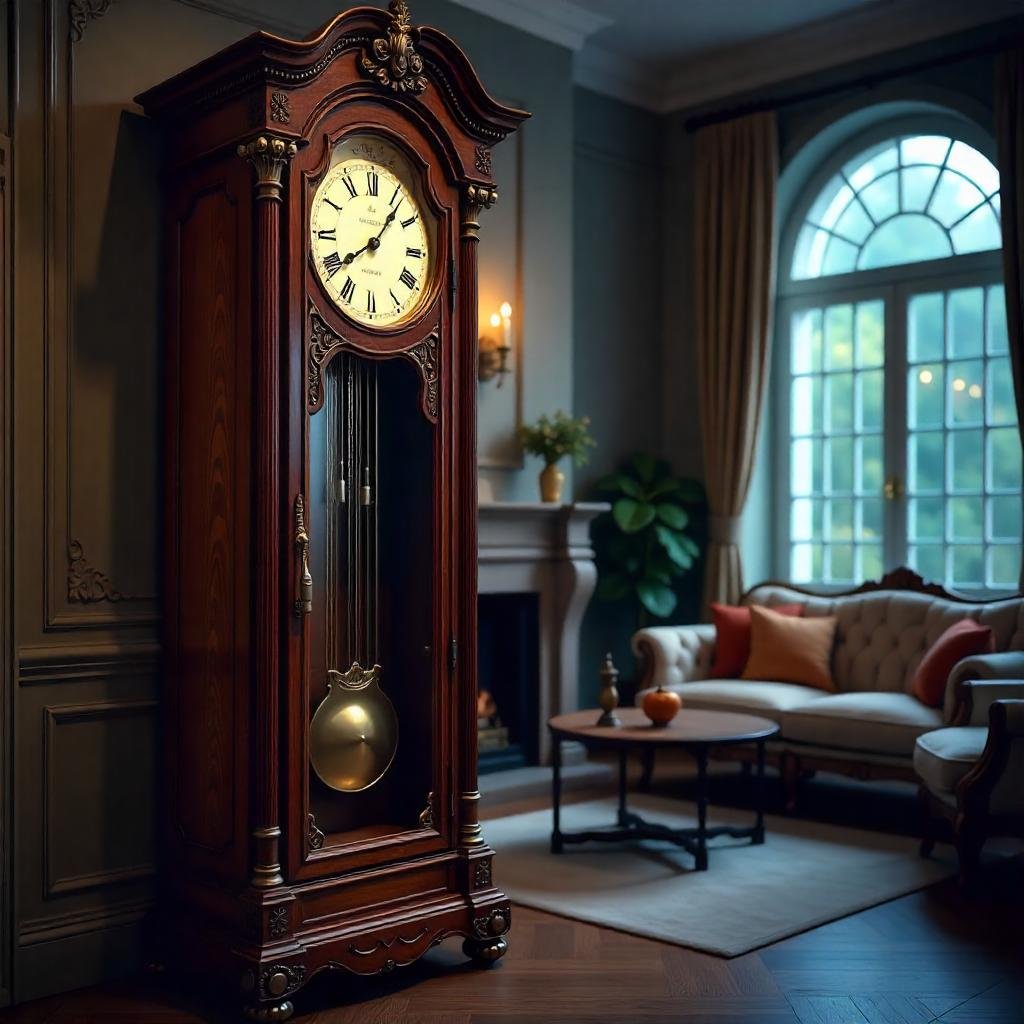
The 18th century marked a major transformation in clockmaking with the introduction of spring-driven mechanisms. Unlike weight-driven clocks, which relied on gravity, spring-driven clocks used tightly coiled springs to store energy. This development paved the way for the creation of key wound clocks.
In a key wound clock:
- A winding key is inserted into the winding arbor (a small keyhole in the dial or side of the clock).
- Turning the key tightens the mainspring, which stores potential energy.
- As the mainspring unwinds, it releases energy in a controlled manner, powering the clock’s gears.
- A separate spring may be used to power the chime mechanism, allowing the clock to play melodic chimes.
This innovation allowed for more compact clock designs, greater control over the clock’s operation, and easier maintenance.
The Golden Age of Mechanical Key Wound Grandfather Clocks
The 18th and 19th centuries were a golden age for mechanical key-wound grandfather clocks. This period saw the rise of master clockmakers who transformed these timepieces into true works of art. Some of the most celebrated clockmakers of this era included:
- Thomas Tompion (England): Known as the “Father of English Clockmaking,” his clocks were celebrated for their precision and elegance.
- John Harrison (England): Famous for his marine chronometers, which revolutionized navigation at sea.
- Gustav Becker (Germany): Renowned for his finely crafted key-wound clocks, which combined beauty with mechanical excellence.
- Simon Willard (America): Creator of the iconic “banjo clock,” a key-wound wall clock with a distinctive shape.
Clockmakers experimented with a wide variety of artistic styles, including:
- Baroque: Featuring ornate carvings, floral motifs, and gilded decorations.
- Rococo: Characterized by flowing, asymmetrical designs and elegant curves.
- Gothic Revival: Inspired by medieval architecture, with pointed arches and tracery.
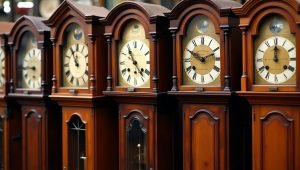
- Victorian: Known for dark wood cases, beveled glass panels, and richly detailed dials.
Each clock was a masterpiece, blending mechanical precision with artistic craftsmanship.
The Anatomy of a Mechanical Key-Wound Grandfather Clock
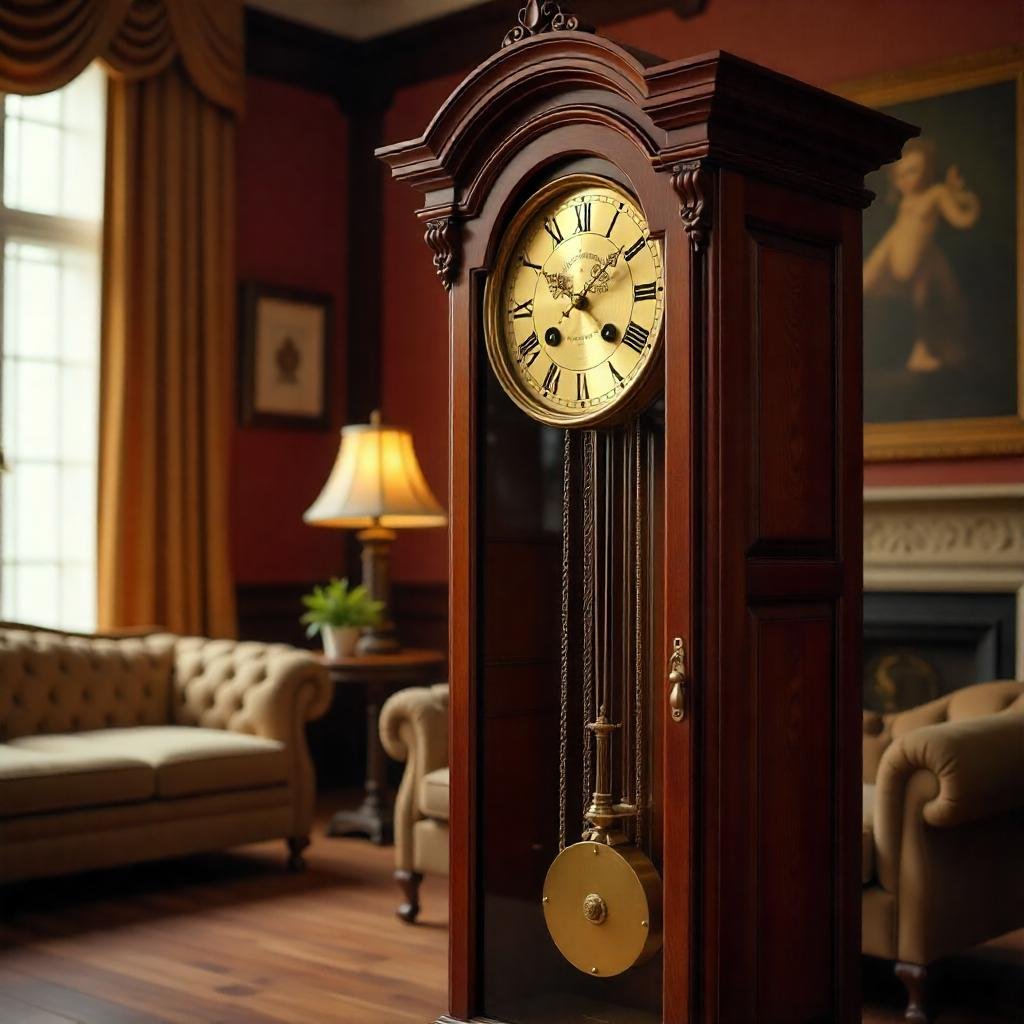
Understanding the beauty of a mechanical key-wound grandfather clock requires an appreciation of its internal structure:
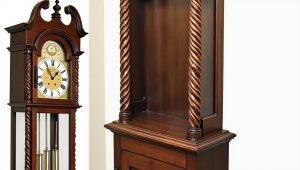
- The Case: The tall, elegant wooden cabinet that houses the clock’s mechanism.
- The Dial: The clock face, often adorned with Roman or Arabic numerals and intricate designs.
- The Movement: The internal mechanism, including gears, springs, and an escapement.
- The Pendulum: The long, swinging weight that regulates timekeeping.
- The Chime Mechanism: A separate set of gears and hammers that produce melodious chimes.
- The Winding Mechanism: The key wound system that stores energy in the mainspring.
Each of these components is crafted with precision, reflecting the skill of the clockmaker.
Why Mechanical Key Wound Grandfather Clocks Are Treasured
Mechanical key-wound grandfather clocks are more than just timekeepers; they are legacies of history, artistry, and personal connection. Owners form a unique bond with their clocks through the ritual of winding, a practice that transforms timekeeping into a meditative experience.
- Timeless Elegance: Their towering design and intricate craftsmanship make them a statement piece.
- Mechanical Marvel: The precise movement of gears, the rhythmic swing of the pendulum, and the soothing chimes are a testament to engineering mastery.
- Heirloom Value: Many of these clocks are passed down through generations, becoming treasured family heirlooms.
- A Connection to History: Each clock tells a story, carrying with it the legacy of its maker and the memories of those who have owned it.










Post Comment