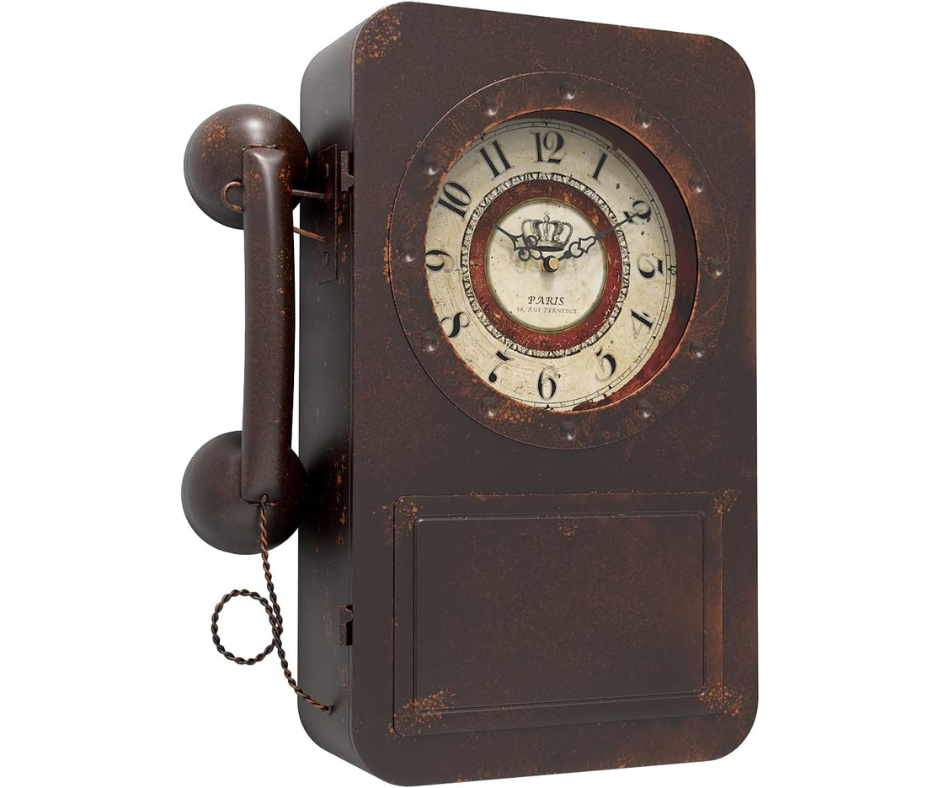
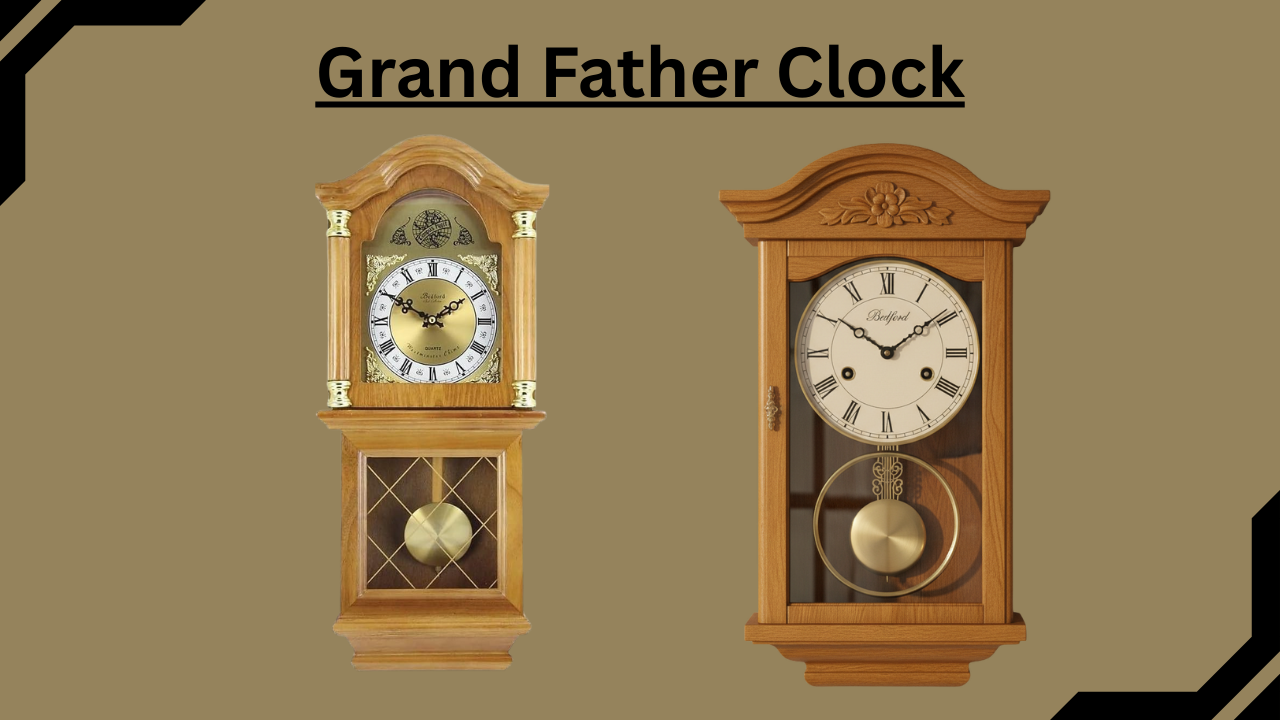
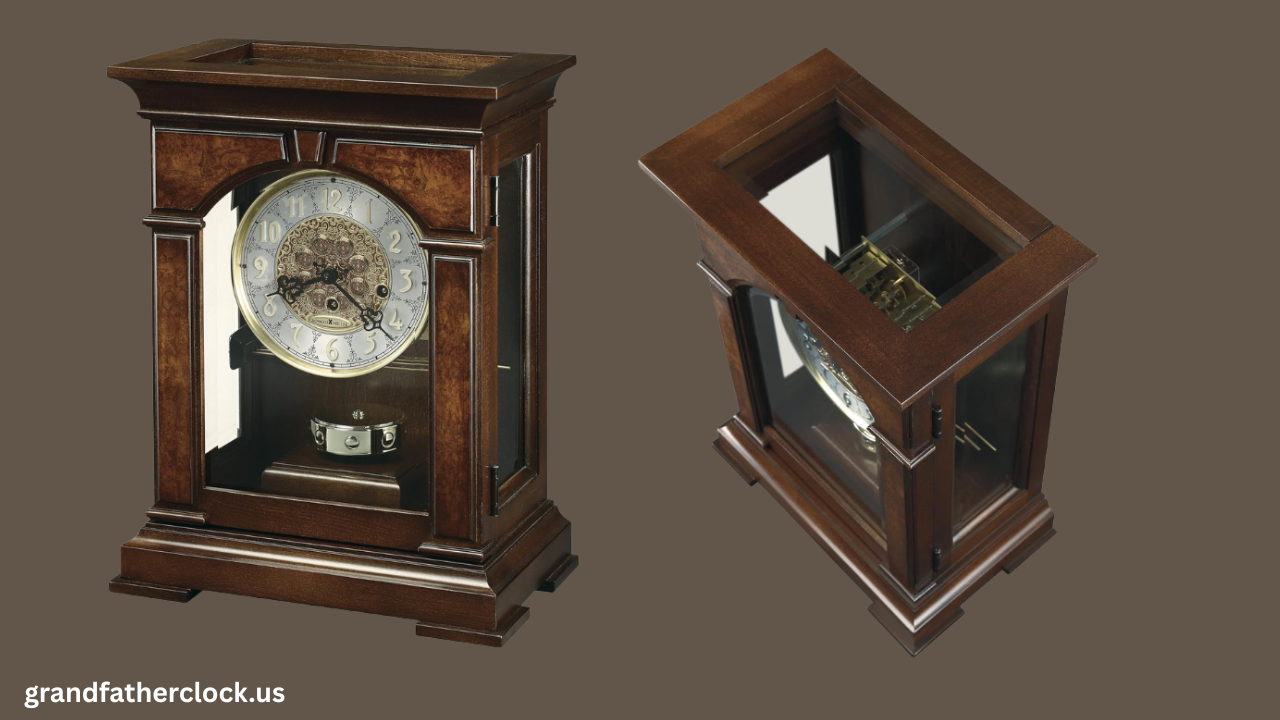
Did you know many Tempus Fugit grandfather clocks aren’t as old as they appear? Despite their antique look, most were mass-produced during the mid-to-late 20th century and often labeled with the Latin phrase “Tempus Fugit” meaning “Time Flies.” This elegant motto wasn’t a brand, but a symbolic reminder of life’s fleeting nature.
Yet, these clocks hold real mechanical value, often featuring quality German movements and handcrafted wooden cases. Understanding what’s behind the face of a Tempus Fugit clock reveals surprising details about craftsmanship, history, and how tradition was preserved even in an era of industrial manufacturing.
Tempus Fugit More Than Just a Phrase
Literal Meaning and Historical Origins
The phrase “Tempus Fugit” is Latin, translating to “Time Flies.” It first appeared in classical literature, emphasizing the fleeting nature of time. Over the centuries, this simple yet powerful expression has been adopted into various art forms, especially horology. When carved or printed on a clock, it’s not merely decorative. It is a philosophical statement that reflects how precious and fast-moving time truly is.
Why “Tempus Fugit” Appears on Clock Faces
By the mid-20th century, the phrase began appearing frequently on grandfather clocks, particularly in the United States and Europe. Clockmakers weren’t just adding it for aesthetic reasons. The phrase served as a reminder to cherish time, to honor the passage of each hour with mindfulness.
In a society growing increasingly industrial and fast-paced, the quiet presence of a grandfather clock, bearing the words “Tempus Fugit,” became a counterbalance a tool for grounding oneself in time’s constant motion.
Common Misunderstandings About the Phrase
Many people mistakenly assume “Tempus Fugit” is a brand name or a clock type. It is not. It’s a universal phrase that clockmakers of all levels have used for decades. Its presence on a clock does not indicate rarity or high value by default. Understanding this distinction helps collectors and owners manage expectations about their timepiece’s provenance and worth.
Misconceptions About Tempus Fugit Grandfather Clocks
Not a Brand: Understanding the Label
One of the most widespread misconceptions is that “Tempus Fugit” denotes a specific brand. In reality, dozens of clock manufacturers across decades have used this phrase, particularly during the 1960s to 1990s.
Well-known companies such as Howard Miller, Ridgeway, and Sligh included “Tempus Fugit” on many of their models. It became a stylistic element, rather than an exclusive label, making it essential to look deeper when identifying a clock’s origin.
When and Why Clockmakers Adopted the Phrase
As the market for decorative timepieces grew in the mid-20th century, clockmakers began to include culturally resonant elements. The Latin phrase appealed to both aesthetic and emotional sensibilities. It connected modern families to a sense of classical tradition.
The phrase also held spiritual and motivational value. It invited contemplation a quiet urging to live fully, as time continues on regardless.
Decorative vs. Functional Significance
While the phrase adds character to a clock, it does not imply any mechanical superiority. Many Tempus Fugit grandfather clocks are mass-produced, especially those made from the 1970s onward.
Collectors should distinguish between:
- Clocks with mechanical, weight-driven movements (often more valuable)
- Quartz battery-operated versions (usually less collectible)
- Custom-made or handcrafted models (potentially more desirable)
Understanding the mechanics and construction of a clock is far more important than being swayed by a label.
Origins and Evolution of Grandfather Clocks
From Longcase Clocks to Tempus Fugit Designs
Grandfather clocks trace their origin to 17th-century England, where they were initially known as longcase clocks. Built for precision and presence, they combined scientific innovation with intricate wood craftsmanship.
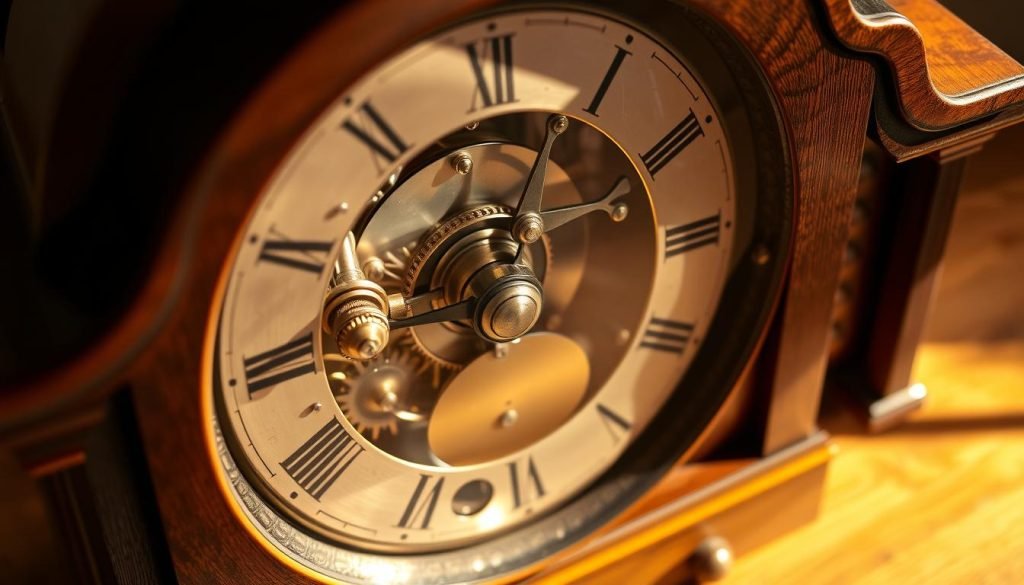
The term “grandfather clock” only became popular after the 1876 song “My Grandfather’s Clock” by Henry Clay Work. The name stuck, and the tall, pendulum-driven clock became a symbol of heritage and stability.
Evolution of Styles Over Centuries
Designs have evolved significantly:
- 17th–18th Century: Tall bonnet-top styles with brass or silvered dials
- 19th Century: Simpler, colonial forms with painted faces
- 20th Century: Revival styles featuring carved decorations and laminated woods
By the 1960s, mass production brought affordability, but also introduced lower-grade models alongside heirloom-quality pieces.
Notable Makers and Design Eras
Some renowned names include:
- Herschede Hall Clock Company (USA)
- Howard Miller (USA)
- Comitti of London (UK)
- Gustav Becker (Germany)
Each brought unique engineering and design principles. The era and maker heavily influence value, durability, and collectibility.
Mechanical Structure of a Tempus Fugit Clock
Weight-Driven vs. Spring-Driven Movements
Grandfather clocks generally fall into two mechanical categories:
- Weight-driven clocks use descending weights to power the movement. These are traditional, precise, and highly valued.
- Spring-driven clocks rely on coiled springs and are usually found in smaller, more compact models.
Weight-driven clocks require regular winding, often once a week. This hands-on interaction creates a ritual that connects the owner to the passage of time.
Pendulum Functionality and Time Accuracy
The pendulum is the heartbeat of a grandfather clock. Its swing regulates timekeeping. Longer pendulums offer more precise timing and smoother motion.
However, the clock must be perfectly level for accuracy. Even a slight tilt can disrupt the swing and cause the clock to run too fast or too slow.
Chimes, Moon Dials, and Internal Features
Tempus Fugit clocks often include additional features:
- Quarter-hour chimes (e.g., Westminster, Whittington)
- Moon phase dials to track lunar cycles
- Second hands and calendar functions in advanced models
These features blend practicality with aesthetic appeal, enhancing both the function and visual richness of the clock.
Identifying a Genuine Tempus Fugit Grandfather Clock
Key External Markings and Features
Authentic Tempus Fugit clocks typically have the phrase inscribed on the dial arch. Look for signs of craftsmanship:
- Hand-carved woodwork
- Solid brass components
- Real glass panels (not acrylic)
Inspecting Internal Movements and Logos
Remove the pendulum and access panel to inspect the movement. Key identifiers include:
- Manufacturer’s name or stamp on the back plate
- Serial numbers
- Country of origin (e.g., Germany, USA, UK)
If the mechanism lacks markings, it may be a generic or replacement movement.
Spotting Authentic vs. Mass-Produced Models
To distinguish:
| Feature | Authentic/High-End | Mass-Produced/Low-End |
|---|---|---|
| Movement | German/Swiss mechanical | Chinese quartz |
| Wood | Solid oak, cherry, mahogany | Particleboard or veneer |
| Chime Quality | Deep, resonant tones | Thin, electronic tones |
| Finishing Details | Hand-polished | Spray-coated or synthetic |
Understanding these differences helps owners and buyers assess quality before making restoration or resale decisions.
Real Market Value: Are These Clocks Valuable?
Factors That Determine Market Worth
Not every Tempus Fugit clock is inherently valuable. Several key factors determine market value:
- Age: Clocks from pre-1950s eras typically hold more value
- Maker: Well-documented brands like Howard Miller and Herschede command higher prices
- Materials: Solid wood construction adds both value and durability
- Condition: Original parts, working mechanisms, and minimal wear all improve value
- Provenance: Documented history or connection to a historical estate can significantly raise price
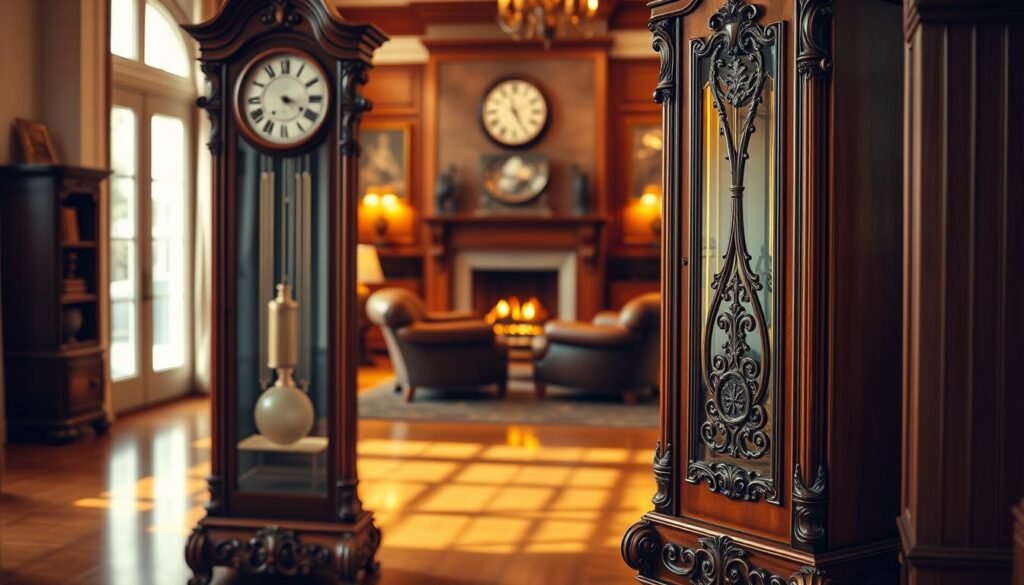
Auction Data and Pricing Trends
Recent auctions have shown varied pricing depending on model and condition:
- Mid-century models (1960s–1980s): $200–$600
- Antique models (pre-1930): $1,000–$4,000
- Rare handcrafted pieces: Up to $10,000+
Prices fluctuate based on collector interest, design style, and regional market demand.
Differentiating Antiques from Reproductions
Clocks over 100 years old are generally considered antiques. Here’s how to differentiate:
- Joinery and wood grain: Antique clocks show hand-cut joints and visible wood age
- Chime rods: Older models use thicker, resonant rods
- Finish: Aged patina vs. modern gloss
- Labeling: Antique clocks often lack printed branding
Reproduction models may still have aesthetic charm but rarely hold long-term investment value.
Preservation Tips for Long-Term Clock Value
Proper Cleaning and Oiling of Mechanisms
Maintaining the movement is crucial. Use:
- Clock-grade oil only (avoid WD-40 or motor oil)
- Clean with soft brushes and lint-free cloth
- Avoid moisture and dust buildup inside the case
Oiling should be done every 2–3 years by a qualified horologist.
Restoring Wood Without Reducing Authenticity
Preserve the original finish when possible. If restoration is needed:
- Use light-grade wood polish
- Avoid sanding unless absolutely necessary
- Match stain color carefully to existing tone
Professional conservation keeps the clock’s historical integrity intact.
Best Practices for Storage and Display
Position your clock where temperature and humidity remain stable:
- Avoid placing near radiators, windows, or direct sunlight
- Use a wall anchor to prevent tipping
- Keep away from high-traffic areas to reduce vibration
Proper placement enhances longevity and preserves both function and finish.
Common Repair Issues and Solutions
Fixing a Non-Working Pendulum
A stuck or non-swinging pendulum is often caused by:
- Unlevel flooring
- Tangled cables or chains
- Worn escapement parts
Steps to resolve:
- Re-level the clock case with adjustable feet or shims
- Untangle chains and inspect for kinks
- Gently nudge the pendulum to start motion, but don’t force it
Solving Chime and Strike Problems
Common issues include:
- Chimes out of sync
- Missing hour strikes
- Jamming at quarter-hour intervals
Solutions:
- Reset the chime sequence using manual chime correction levers
- Inspect and clean hammer rods
- Check for broken bushings or worn gear teeth
Replacing Damaged Components Safely
If glass panels, weights, or hands are damaged:
- Source parts from trusted clock part dealers
- Keep original parts labeled and stored if replacing
- Document any replacements in a logbook for historical accuracy
Seek professional help for major repairs involving movement or case structure.
Interior Design Appeal in the Modern Home
Where to Place Grandfather Clocks Effectively
Ideal locations include:
- Hallways or entry foyers with vertical space
- Corners of living or dining rooms
- Home offices or libraries with traditional decor
Placement should allow visibility and access for winding or resetting.
Blending Antique Clocks with Contemporary Décor
Tips for integration:
- Pair with neutral wall tones and wood floors
- Use ambient lighting to highlight the case
- Balance antique pieces with minimalist furniture for contrast
This blend of old and new creates a sophisticated, story-rich interior.
9.3 Emotional and Visual Impact of Tall Clocks
Beyond design, grandfather clocks evoke emotion:
- Sense of heritage and continuity
- Audible rhythm marking time throughout the day
- A calming presence in fast-paced households
Their gentle tick and resonant chimes contribute to a peaceful, grounded atmosphere.
Conclusion
Tempus Fugit grandfather clocks are more than decorative timepieces they are heirlooms that capture craftsmanship, history, and the passing of time. With their distinctive dials, rich chimes, and solid wood cases, these clocks often become the centerpiece of a room and a lasting symbol in the home.
Whether you’re restoring a vintage piece or searching for one to begin a family tradition, understanding how these clocks work and how to care for them is essential. Their value isn’t just in the materials or mechanics, but in the memories they preserve and the moments they mark.
Frequently Asked Questions (FAQs)
What does “Tempus Fugit” mean on a grandfather clock?
The phrase “Tempus Fugit” is Latin for “Time Flies.” It’s often engraved or printed on the clock’s dial as a reminder of how quickly time passes.
Is “Tempus Fugit” a clock brand?
No. It’s not a brand name. The term is commonly used as a decorative feature on the dials of many grandfather clocks, regardless of who made them.
Are Tempus Fugit clocks considered antiques?
Some are. Many of these clocks were made in the mid-20th century, and their antique status depends on the exact year of production, maker, and design. Clocks over 100 years old are typically classified as antiques.
Why does my grandfather clock stop running?
This can happen for several reasons: the clock may not be level, the weights might be uneven, the pendulum may be obstructed, or internal parts could need cleaning. If adjusting the placement doesn’t help, it may need professional servicing.
How do I determine the value of my Tempus Fugit grandfather clock?
Check for maker’s marks, the condition of the clock, the type of movement, and whether the parts are original. You can consult a professional clock appraiser for an accurate valuation.
Can these clocks be repaired or restored?
Yes. Most Tempus Fugit clocks can be repaired by clockmakers who specialize in mechanical movements. Replacement parts are often available, especially for clocks made in the last 50–70 years.