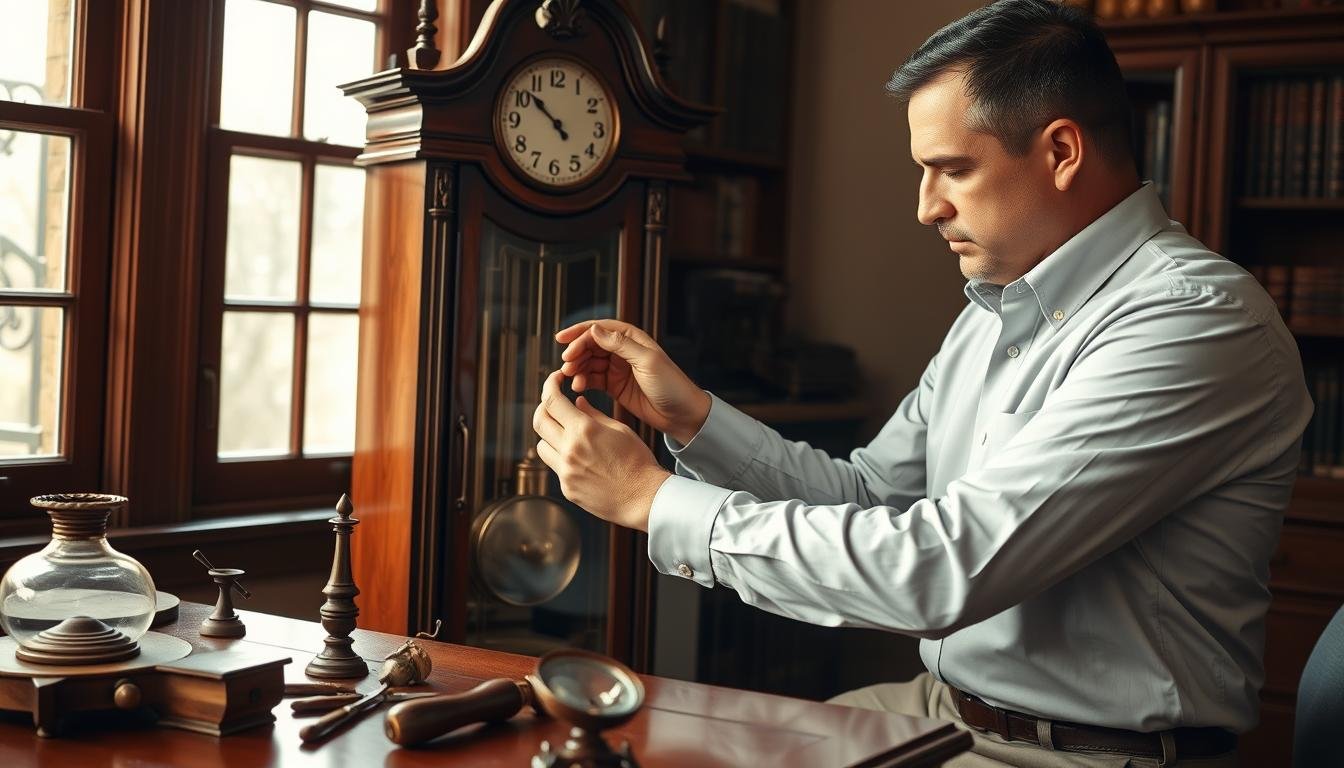
Who Makes the Best Grandfather Clocks? A Friendly Guide
If you’ve ever walked into a home and seen a tall, beautifully crafted grandfather clock standing in a corner, you probably felt a mix of curiosity and admiration. These clocks aren’t just timekeepers; they’re pieces of history, art, and family heritage. But if you’re thinking about getting one for yourself or as a gift, you might wonder: “Which brand actually makes the best grandfather clocks?”
Let me walk you through it, no jargon, no confusion, just real talk about what to look for and who does it best.
What Is a Grandfather Clock, Really?
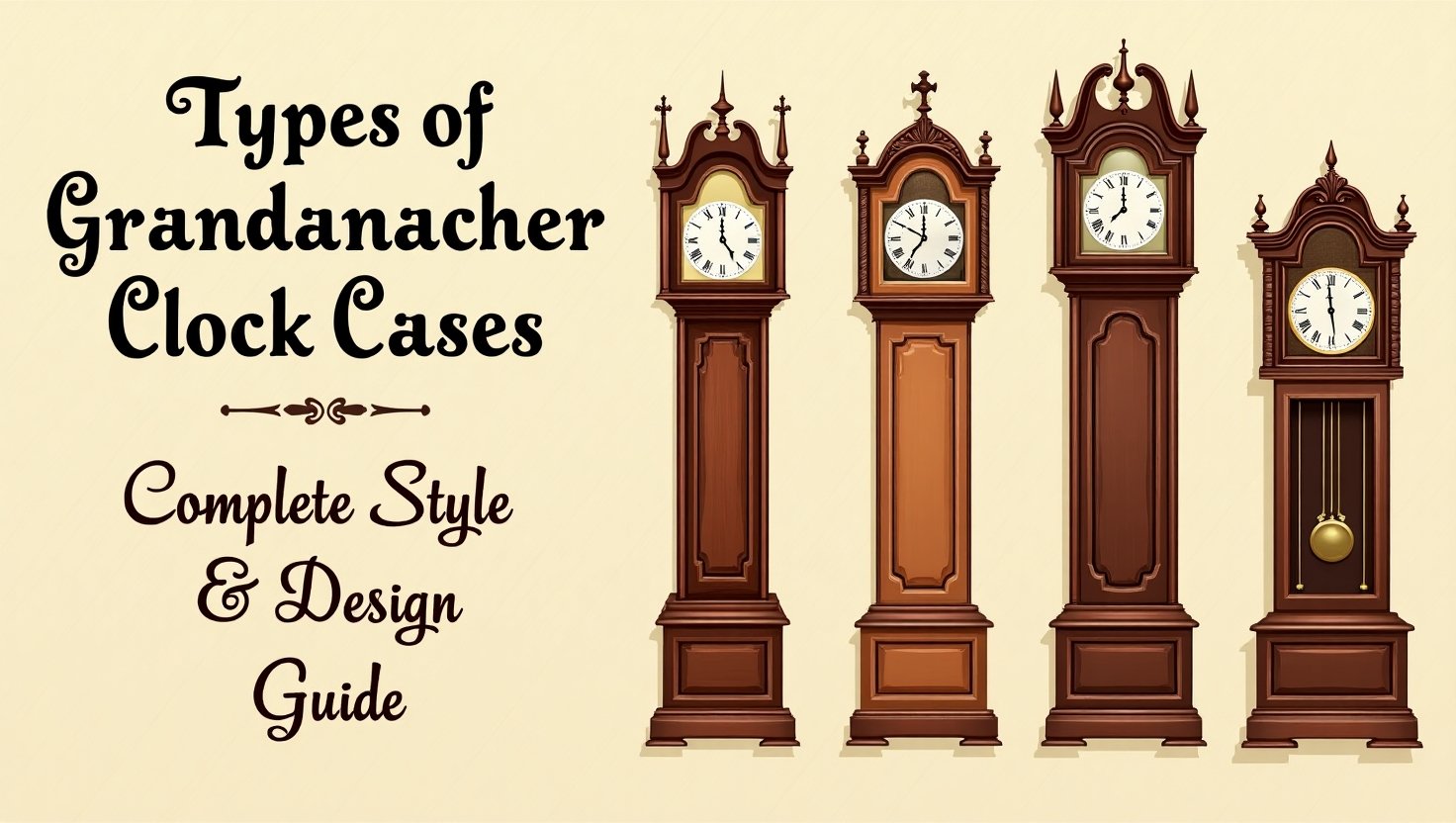
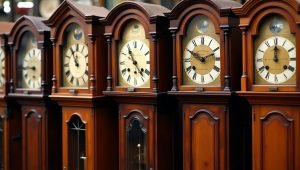
You’ve probably seen one before. It’s that tall clock with the swinging pendulum inside a wooden cabinet. They usually chime every 15 minutes or so, and some play lovely melodies like the Westminster chime. Grandfather clocks have been around for over 300 years and were once seen as a sign of wealth and good taste.
But even today, they still have that timeless charm, no pun intended.
What Makes a Good Grandfather Clock?
Before I name names, let’s first understand what makes a great grandfather clock:
- Solid Craftsmanship: The case should be made of real wood (like cherry, oak, or walnut), not plastic or cheap materials.
- Reliable Movement: The heart of the clock, the part that makes it tick, should be smooth, accurate, and made by a trusted movement maker (like Hermle or Kieninger).
- Beautiful Design: This is a showpiece, right? It should have a detailed dial, an elegant pendulum, and maybe even a moon phase dial on top.
- Chimes: Many play the Westminster chime, but some have other options like Whittington. You should be able to turn the chime off at night if needed.
So, Who Really Makes the Best Grandfather Clocks?
Let’s look at the top names you can trust, based on quality, tradition, and overall value.
1. Howard Miller (USA)
If you ask almost anyone who’s into clocks, they’ll probably say Howard Miller is the go-to name for grandfather clocks.
Why they’re great:
They’ve been making clocks since 1926, and their pieces are all made in the USA. They use high-quality wood and German-made mechanical parts that last for years. Their styles range from traditional, ornate designs to more modern, minimalist ones.
Popular models:
- Howard Miller Diana (classic and elegant)
- Howard Miller Urban Floor Clock (sleek and modern)
Whether you want a clock that looks like it belongs in a Victorian mansion or a modern loft, they’ve got you covered.
2. Ridgeway Clocks (USA)
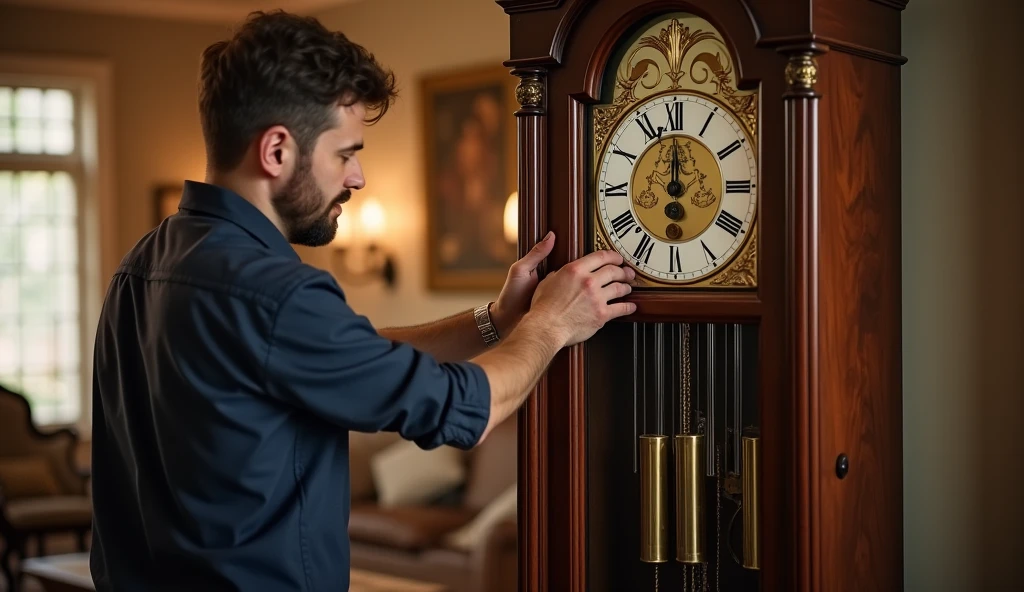
Ridgeway has been around since the 1920s as well and was once one of Howard Miller’s biggest rivals. Funny thing is, Howard Miller eventually bought them! But Ridgeway still has its own style.
Why people love Ridgeway:
Their clocks have that classic Americana look. Think colonial homes, dark cherry wood, and gold-trimmed faces. Their clocks feel like something your grandparents might’ve had, but in the best way.
3. Hermle (Germany)
Now, if you’re into European craftsmanship, you’ll want to look at Hermle. These guys are based in Germany and have been making clock movements (and full clocks) for over 100 years.
What makes them special:
Their clocks have that European charm. A bit more refined, detailed, and sometimes more adventurous in style. The movements are top-notch and used by many other clockmakers, too.
Great for:
People who want a mechanical clock that’s beautifully engineered and looks like it belongs in an old European estate.
4. Kieninger (Germany)
Kieninger is another legendary German brand. They’re actually older than Hermle, and their clocks are considered a bit more “high-end.” In fact, many premium Howard Miller clocks have Kieninger movements inside.
Why choose Kieninger:
If you want something luxurious, precise, and heirloom-worthy, Kieninger is hard to beat. Their clocks are often custom-made, with rich wood and detailed brass work.
Downside:
They can be pricey and a bit harder to find. But if you’re serious about clocks, it’s worth the search.
5. Committee of London (UK)
Want a British touch? Comitti has been crafting longcase clocks since 1850. These are the real deal, handmade, detailed, and dripping with English tradition.
Why they stand out:
They make fewer clocks, but each one feels like a museum piece. They’re often decorated with marquetry (wood inlay designs) and made from the finest materials.
Perfect for:
Someone who wants an old-world, luxury statement piece that’ll be in the family for generations.
6. Bulova (USA – Vintage)
Most people know Bulova for watches, but they’ve also made some lovely floor clocks in the past. If you find a vintage Bulova grandfather clock, especially from the mid-1900s, it’s worth checking out.
Why mention them:
You might come across one at an estate sale or antique store. Some are quartz-powered (battery-operated), others are mechanical. They have a cool retro vibe.
Quartz vs Mechanical: What’s the Difference?
A quick breakdown:
- Mechanical Clocks: You wind them (usually once a week). They have weights, chains, and a swinging pendulum. These are more traditional and valuable.
- Quartz Clocks: Battery-powered. Less maintenance. Still beautiful, but purists often prefer mechanical.
If you want a real grandfather clock experience, go mechanical. But if you just want the look and chime without the hassle, quartz is fine too.
Where Should You Buy One?
- Authorized retailers (especially for new Howard Miller or Hermle clocks)
- Online shops that specialize in clocks (some even offer free white-glove delivery)
- Antique stores for vintage finds
- Estate sales and auctions for rare pieces at better prices
Just be careful with used clocks, ask about the condition of the movement and whether it’s been serviced.
How to Take Care of a Grandfather Clock
Here’s the thing, these clocks are built to last, but they need a little love:
- Wind it regularly if it’s mechanical
- Dust the case and dial gently
- Have it oiled every few years by a professional
- Don’t move it yourself unless you remove the pendulum and weights first
Take care of it, and your clock could easily outlive you—in a good way!
Final Thoughts: Choose What Feels Right
At the end of the day, the best grandfather clock depends on your personal style, your budget, and how much maintenance you’re okay with.
If you want something reliable and beautiful, go with Howard Miller.
If you’re into German engineering, check out Hermle or Kieninger.
For something truly luxurious and British, look at Comitti.
And if you find a good vintage Ridgeway or Bulova, don’t be afraid to snap it up.
Remember: a grandfather clock isn’t just about time, it’s about presence. It becomes part of your home, your memories, and your legacy.







Post Comment