The Pros and Cons of Investing in Grandfather Clocks
Investing in antique timepieces can be very profitable, and grandfather clocks are a great example. Some antique grandfather clocks can even increase in value by up to 10% each year. This is why more and more collectors and investors are looking at these beautiful timekeepers.
When you think about investing in grandfather clocks, it’s important to look at both sides. On one hand, these clocks can add great value to any collection. They offer a mix of historical importance, beauty, and the chance for their value to grow over time.
Exploring the world of grandfather clocks reveals their true worth. It’s not just about their money value. It’s also about their craftsmanship and the stories they carry.
Key Takeaways
- Antique grandfather clocks can appreciate significantly in value over time.
- Investing in grandfather clocks requires careful consideration of their condition, rarity, and provenance.
- The benefits of investing in grandfather clocks include their historical significance and aesthetic appeal.
- Grandfather clocks can be a unique addition to any collection.
- Understanding the market demand and trends is key for making smart investment choices.
The Enduring Allure of Grandfather Clocks
Grandfather clocks are symbols of luxury and skill. They are loved by collectors and homeowners. These clocks offer a peek into the past.
Historical Significance and Cultural Value
Grandfather clocks are important in our culture. They stand for tradition and the skill of keeping time. For antique clock lovers, these clocks are more than timekeepers. They are pieces of history passed down through families.
These clocks have been part of big events and everyday life. They are valuable for their cultural and historical worth.
The Artistry of Timekeeping Traditions
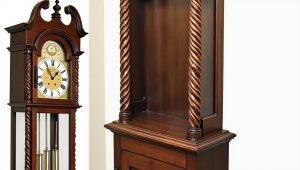
The making of grandfather clocks shows the skill of clockmakers. You’ll see detailed carvings, exact mechanisms, and stunning designs. These make each clock special.
For those looking at luxury grandfather clocks as investments, the craftsmanship is key. These clocks are a mix of function and art. They are treasured for their ability to tell time and the beauty they add to a space.
The Grandfather Clock Market: Past and Present
To grasp the grandfather clock market, we must look at its history and current trends. The market has been shaped by many factors. These include the clocks’ historical and cultural importance, as well as economic conditions.
Evolution of the Antique Clock Market
The antique clock market, including grandfather clocks, has changed a lot over time. At first, these clocks were mainly valued for their practical use. But now, their historical and beauty values are more important. The market’s demand has gone up during good economic times and down during bad ones.
Key milestones in the evolution of the antique clock market include:
- The rise of clockmaking as a respected craft in the 17th and 18th centuries
- The impact of industrialization on clock production in the 19th century
- The post-WWII period, which saw a resurgence in interest in antique clocks
Current Market Trends and Demand
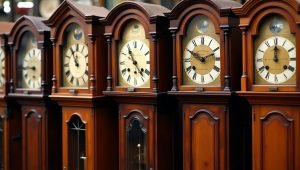
Today, the grandfather clock market is booming. People want high-quality, rare, and historically significant clocks. A recent market analysis shows that the demand for antique grandfather clocks is growing. This is because collectors and investors are looking for unique and valuable timepieces.
| Market Segment | Trend | Demand Level |
|---|---|---|
| Antique Grandfather Clocks | Increasing | High |
| Restored Grandfather Clocks | Stable | Moderate |
| Reproduction Grandfather Clocks | Decreasing | Low |
As noted by horology expert,
“The value of grandfather clocks lies not only in their timekeeping ability but also in their craftsmanship, historical significance, and aesthetic appeal.”
Are Grandfather Clocks Good for Investment?
Whether grandfather clocks are a good investment depends on many factors. Like any investment, they have both good and bad sides to consider.
Key Factors That Influence Investment
Several important factors affect a grandfather clock’s investment value. These include its rarity, condition, and provenance. A rare, well-kept clock with a rich history is usually more valuable.
The clockmaker’s reputation also matters a lot. Clocks from famous makers are often more desirable to collectors.
| Factor | Impact on Value | Considerations |
|---|---|---|
| Rarity | High | Limited production, unique features |
| Condition | High | Original parts, minimal restoration |
| Provenance | Medium to High | Documented history, ownership by notable individuals |
Comparing Grandfather Clocks to Traditional Investments
Grandfather clocks offer unique benefits compared to traditional investments like stocks or bonds. They provide a real asset that can be enjoyed for its beauty and history.
But, they also have challenges. These include maintenance costs and the need for specialized knowledge to value them correctly.
The Advantages of Investing in Grandfather Clocks
Grandfather clocks are a unique investment option. They blend beauty with the chance for value to grow. These clocks are not just lovely home decor but also a smart investment.
Potential for Value Appreciation Over Time
Antique or high-quality grandfather clocks can increase in value. They are a special investment that can boost your portfolio. Their rarity, historical importance, and craftsmanship contribute to their growing worth.
Dual Benefits: Aesthetic Appeal and Functionality
Grandfather clocks are both beautiful and useful. Unlike some investments, they are enjoyed every day. They bring elegance and tradition to any space. Their mechanical beauty and craftsmanship make them standout decorative items.
Heirloom Value and Legacy Considerations
Grandfather clocks are often treasured family heirlooms. Investing in one creates a lasting legacy. These clocks hold emotional and sentimental value, connecting past and future generations.
| Advantages | Description | Benefits |
|---|---|---|
| Value Appreciation | Potential to increase in value over time | Enhanced investment portfolio |
| Aesthetic Appeal | Beautiful and elegant addition to any home | Daily enjoyment and decoration |
| Legacy | Family heirloom, passed down through generations | Emotional and sentimental value |
The Disadvantages of Grandfather Clock Investments
Grandfather clocks are attractive as investments, but there are downsides. They can increase in value and look great, but there are challenges. It’s important to think about these before investing.
Market Volatility and Liquidity Challenges
The value of grandfather clocks can change a lot. This is because the demand for them can go up and down. Also, finding a buyer can be hard, which might make it hard to sell.
Maintenance Costs and Storage Requirements
Keeping a grandfather clock running well costs money. You’ll need to clean, wind, and sometimes fix it. They also need a special place to stay, like a climate-controlled room.
Insurance, Security, and Transportation Concerns
Getting insurance for a grandfather clock is expensive because of its value. You’ll also need to spend a lot on keeping it safe. Moving them is risky because they can break easily.
| Disadvantage | Description | Impact on Investment |
|---|---|---|
| Market Volatility | Fluctuations in demand affect clock value | Potential for loss if sold during low demand |
| Maintenance Costs | Ongoing costs for cleaning, winding, and repairs | Reduces net return on investment |
| Insurance and Security | High costs to insure and secure the clock | Increases the overall cost of ownership |
Knowing the downsides is key to smart investing in grandfather clocks. By considering these points, you can make a better choice for your investment.
What Makes a Grandfather Clock Valuable?
For collectors and investors, figuring out a grandfather clock’s value is key. The value isn’t just about keeping time. It’s about its history, looks, and how it works.
Age and Historical Significance
The clock’s age is a big factor in its value. Clocks from the late 17th or early 18th century are very sought after. Clocks that are well-kept and have their original parts are worth more.
Craftsmanship, Materials, and Mechanisms
The clock’s craftsmanship, materials, and mechanism are also important. High-quality materials and complex mechanisms raise the clock’s value. The clockmaker’s reputation and the clock’s history also matter.
Maker Reputation and Provenance
The clockmaker’s reputation affects the clock’s value. Clocks from famous makers are highly valued. The clock’s history of ownership also adds to its value, if it’s owned by a notable person or family.
Condition, Originality, and Rarity
The clock’s condition, originality, and rarity are also key. A clock in great shape, with its original parts, and is rare, can be very expensive. Its restoration and maintenance history also play a role, as bad restoration can lower its value.
A horologist once said, “The value of a grandfather clock is not just in keeping time. It’s in its beauty, craftsmanship, and the story it tells of our past.”
“A well-made grandfather clock is a testament to the skill of its maker and the era in which it was created.”
By looking at these factors, collectors and investors can better understand a grandfather clock’s value.
Best Antique Grandfather Clocks to Invest In
Investing in antique grandfather clocks is exciting. Some models are famous for their history and craftsmanship. These clocks are valuable not just for their function but also for their beauty and the stories they tell.
Notable Clockmakers and Their Legacy
The work of famous clockmakers greatly affects the value of antique grandfather clocks. Names like Thomas Tompion and John Harrison from Britain, and Seth Thomas and Howard Miller from America, are well-known. They have made a lasting impact on clockmaking.
British Masters: Thomas Tompion and John Harrison
Thomas Tompion is called the “Father of English Clockmaking.” John Harrison solved the longitude problem at sea. Their clocks are highly sought after by collectors for their design and precision.
American Craftsmen: Seth Thomas and Howard Miller
Seth Thomas and Howard Miller were key figures in American clockmaking. Their grandfather clocks are valued for their quality and historical importance.
Identifying High-Value Antique Models
To find valuable antique grandfather clocks, look for detailed carvings, high-quality materials, and complex mechanisms. The clock’s condition, rarity, and history also affect its value.
Rare Complications and Special Features
Clocks with unique features like minute repeaters, perpetual calendars, or astronomical dials are highly sought after. These features show the clockmaker’s skill and make the clock more special and desirable.
Modern vs. Antique Grandfather Clocks as Investments
When thinking about grandfather clocks as investments, people often debate modern versus antique. It’s important to know the differences and what each can offer.
Investment Value of Contemporary Pieces
Modern grandfather clocks have a unique charm. They might not have the history of antique clocks, but some can increase in value. This is true for those made by famous clockmakers or with special features.
What makes modern clocks valuable includes:
- Craftsmanship and detail
- Reputation of the maker
- Unique features or complications
- Quality and durability of materials
The Premium on Vintage and Antique Models
Antique grandfather clocks are highly valued for their history, craftsmanship, and rarity. They often fetch high prices at auctions. As Mark Twain once said, “The reports of my death are greatly exaggerated,” antique clocks continue to attract collectors and investors.
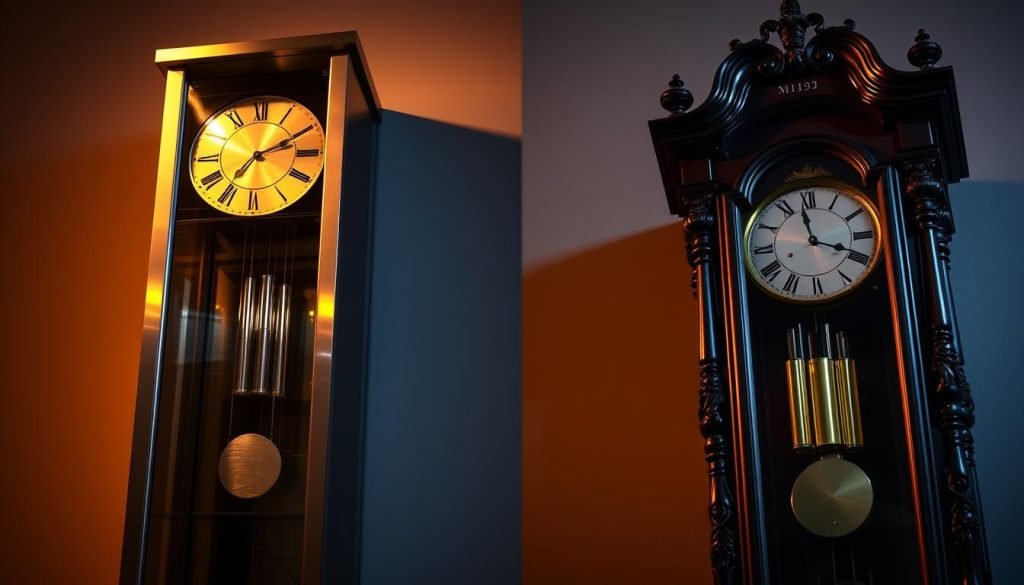
| Characteristic | Modern Grandfather Clocks | Antique Grandfather Clocks |
|---|---|---|
| Historical Significance | Limited | High |
| Craftsmanship | Varies | Highly Valued |
| Investment Value | Moderate | High |
How to Evaluate a Grandfather Clock’s Investment
To figure out if a grandfather clock is a good investment, you need to look at a few important things. This means doing a detailed check to make sure you’re making a smart choice.
Authentication and Provenance Documentation
It’s key to check if a grandfather clock is real. Look for papers that show its origin, age, and history. The clock’s background can really boost its value, as it links it to important events or people.
Condition Assessment and Restoration Considerations
The clock’s condition is a big deal for its investment value. Check how it looks, including any wear, damage, or past fixes. Think about the cost and if it’s possible to fix it to its original state.
Market Research and Comparative Valuation
Doing deep market research is vital to know what grandfather clocks are worth now. Compare the clock you’re looking at with others that have sold recently. This helps figure out a fair price for your clock.
By carefully looking at these points, you can make a better choice about investing in a grandfather clock.
Grandfather Clock Appraisal for Investment
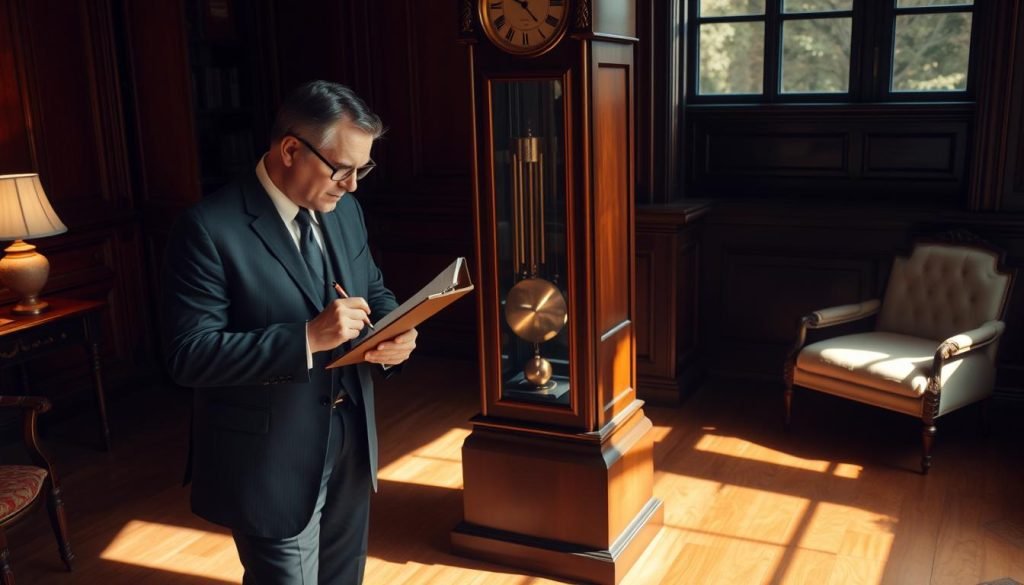
To make a smart investment, knowing how to appraise grandfather clocks is key. The value of a grandfather clock depends on its age, condition, and how rare it is.
Finding Qualified Appraisers and Experts
Look for appraisers with a background in antique clocks. You can find them through groups like the American Society of Appraisers or the National Association of Watch and Clock Collectors. Make sure they have the right credentials and experience in clock appraisal.
It’s smart to ask for references or check online reviews to see their reputation. A good appraiser will give you a detailed report on your clock’s condition, authenticity, and worth.
Understanding Appraisal Reports and Valuations
An appraisal report will describe your clock, its history, and condition. It will also give a value based on market trends and sales. It’s important to understand the report to make good investment choices.
Read the report well, focusing on how the appraiser worked and what they looked at. If you’re not sure about something, talk to your appraiser to get it cleared up.
Where to Buy Grandfather Clocks as Investments
Looking to invest in grandfather clocks? Knowing where to buy is key. The market offers many ways to find these timepieces.
Auction Houses and Estate Sales
Auction houses are known for rare grandfather clocks. They sell clocks from estates and collections. It’s important to check the clock’s history and understand bidding.
Antique Dealers and Specialty Shops
Antique dealers and specialty shops also sell grandfather clocks. They offer a selected range of clocks. Dealers can share the clock’s history and condition. Always check the clock and ask about any repairs.
Online Marketplaces and Digital Considerations
Online marketplaces have made buying grandfather clocks easier. Websites for antiques and collectibles connect buyers with sellers globally. But, buying online needs caution. Make sure the seller is real and the description and photos are detailed.
Private Collectors and Networking Opportunities
Buying from private collectors can be rewarding. Join collector events, horological societies, and network. This can help find rare clocks. Building relationships with collectors can also uncover hidden gems.
When investing in grandfather clocks, consider these factors:
- Provenance and documentation
- Condition and any restoration
- Rarity and demand
- Market trends and growth
By evaluating these points and exploring different buying channels, you can make smart investments in grandfather clocks.
Tips for Buying Grandfather Clocks as Investments
Buying a grandfather clock as an investment needs a smart plan. It’s a rewarding choice, but you must think carefully. Look at several key points to make sure it’s a good fit for your portfolio.
Due Diligence and Pre-Purchase Research
Start by doing your homework. Learn about the market value of grandfather clocks. Find trusted sellers and check if the clock is real and has a good history. Knowing the clockmaker’s reputation and the clock’s history helps guess its future value.
Negotiation Strategies and Price Considerations
When negotiating, know your stuff and be polite. Know the clock’s worth and any issues it might have. Being ready to leave if the deal isn’t good can help you get a better price.
Red Flags and Common Pitfalls to Avoid
Watch out for red flags like prices that seem too low, missing documents, and clear signs of repairs. Knowing these can save you from big mistakes.
Follow these tips and do your research well. This way, you’ll make a smart choice when buying a grandfather clock as an investment.
Maintaining Your Grandfather Clock Investment
To keep your grandfather clock valuable, you must take care of it. Regular maintenance keeps the clock working well and looking great. It also helps keep its value high.
Proper Care, Cleaning, and Winding Procedures
Start with regular cleaning and dusting to stop dirt from building up. Use a soft, dry cloth to clean the clock’s surface. Stay away from harsh chemicals that can harm the finish. For detailed carvings or complex mechanisms, get help from a pro.
- Gently dust the clock’s exterior with a soft-bristled brush.
- Avoid direct sunlight, which can cause fading or discoloration.
- Wind the clock according to the manufacturer’s instructions to prevent mechanical damage.
Professional Servicing and Restoration
Getting your clock serviced by a pro is key to keeping it accurate and lasting long. A skilled horologist can spot and fix problems early. This keeps your clock running smoothly.
Key aspects of professional servicing include:
- Inspection of mechanical components for wear or damage.
- Cleaning and lubrication of the clock’s mechanism.
- Adjustment or replacement of worn parts to maintain accuracy.
Environmental Considerations and Display Options
The place where you display your grandfather clock matters a lot. Stay away from extreme temperatures, humidity, or direct sunlight. These can harm your clock.
Think carefully about where to display your clock. This choice affects its life and value as an investment.
The ROI of Grandfather Clocks
Thinking about grandfather clocks as an investment? It’s key to know their return on investment (ROI) first. These clocks, with their rich history and beauty, can bring both cultural value and financial gain.
Realistic Return Expectations and Market Factors
The ROI of grandfather clocks depends on several things. These include the clock’s condition, how rare it is, and its history. A recent study shows that top-quality antique grandfather clocks can grow in value by 5-10% each year. History and provenance greatly affect a clock’s worth. For example, clocks from famous makers or with notable past owners can sell for more.
A study by the Antique Clocks Collectors’ Association highlights the importance of a clock’s condition and originality. Clocks in good shape, with their original parts, tend to do better in the market.
| Factor | Impact on ROI |
|---|---|
| Condition | High |
| Rarity | Medium to High |
| Provenance | High |
Investment Timeframes and Exit Strategies
Investing in grandfather clocks means looking at the long game. The market for antique clocks can be unpredictable. Investors usually hold onto these clocks for 5-10 years or more to navigate market ups and downs and get the best returns. Knowing the current demand and having solid proof of a clock’s history can help sell it successfully.
“The value of antique grandfather clocks lies not only in their monetary worth but also in their historical significance and aesthetic appeal. Investors should consider both factors when evaluating ROI.
To get the most out of your investment, consider these exit strategies:
- Auctions: Grandfather clocks can fetch high prices at reputable auction houses.
- Private sales: Direct sales to collectors or dealers can be lucrative.
- Estate sales: Including grandfather clocks in estate sales can attract multiple bidders.
Diversifying with Alternative Clock Investments
Investing in alternative clocks can mix history with financial gain. When you think about growing your portfolio, look into different clocks. They can add to your investment plan.
Wall Clocks and Mantel Clocks
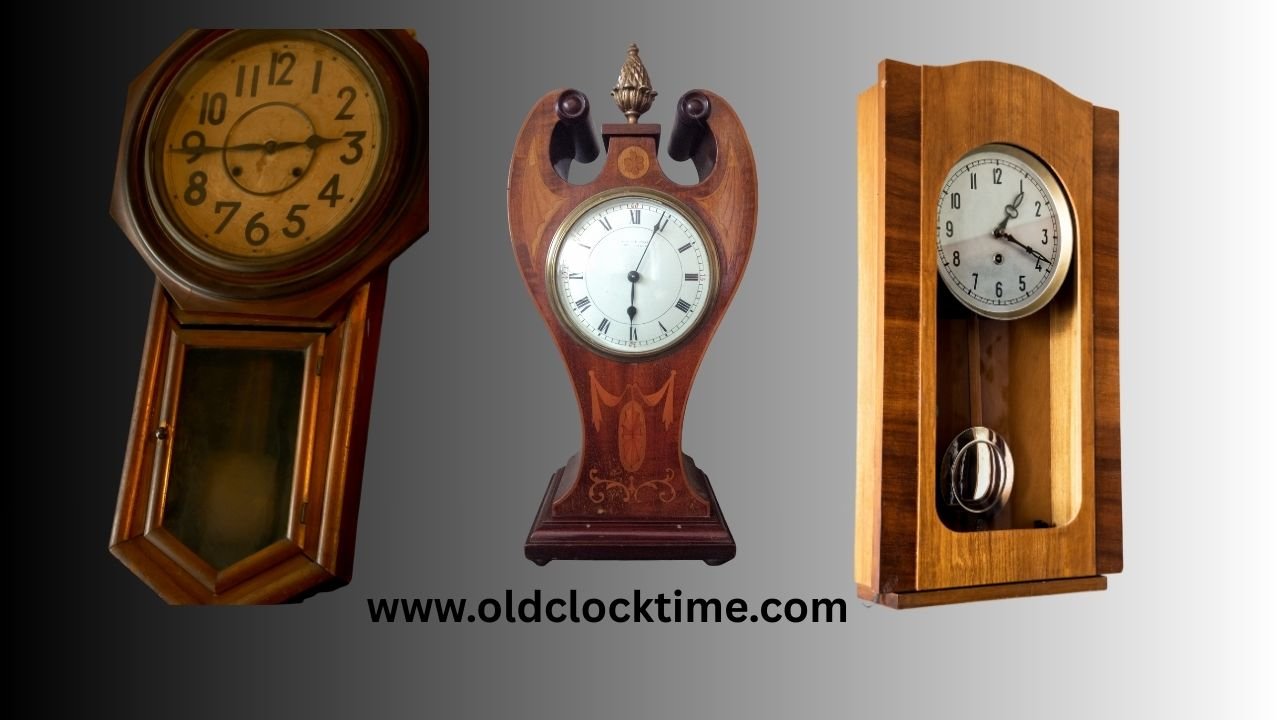
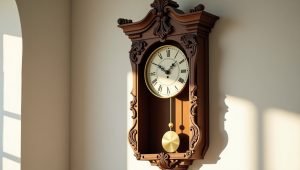
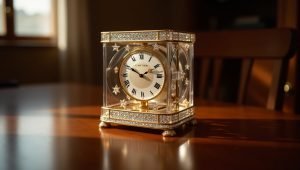
Wall clocks and mantel clocks are more than just time-telling devices. They also add beauty to your space. Antique wall clocks are highly valued for their craftsmanship and history. Look at the maker, materials, and condition to see their value.
Pocket Watches and Antique Wristwatches
Pocket watches and antique wristwatches are great for diversifying. They are detailed and carry historical importance. Rare pocket watches can fetch high prices at auctions because of their rarity and stories.
Specialized Timepieces and Horological Rarities
For the bold investor, specialized timepieces and horological rarities are exciting. They include clocks with complex mechanisms or rare features. To invest in these, you need to know a lot about horology and find truly rare items.
| Type of Clock | Investment Potentia | Key Factors |
|---|---|---|
| Wall Clocks | Moderate to High | Maker, Materials, Condition |
| Pocket Watches | High | Rarity, Craftsmanship, Provenance |
| Specialized Timepieces | High to Very High | Complexity, Rarity, Historical Significance |
Conclusion: Balancing Passion and Profit in Grandfather Clock Investments
When thinking about investing in grandfather clocks, finding a balance is key. Your strategy should mix your love for clocks with a smart look at the market. This includes understanding the clock’s history and how its value might grow.
Knowing the clockmaker’s reputation, the clock’s condition, and how rare it is helps a lot. By combining your love for clocks with a focus on making money, you can make choices that meet both your heart and wallet’s needs.
To do well in grandfather clock investments, you need a careful plan. Keep up with market trends and learn about clock appraisal. Also, know the risks and chances of making money with these special investments.



Post Comment