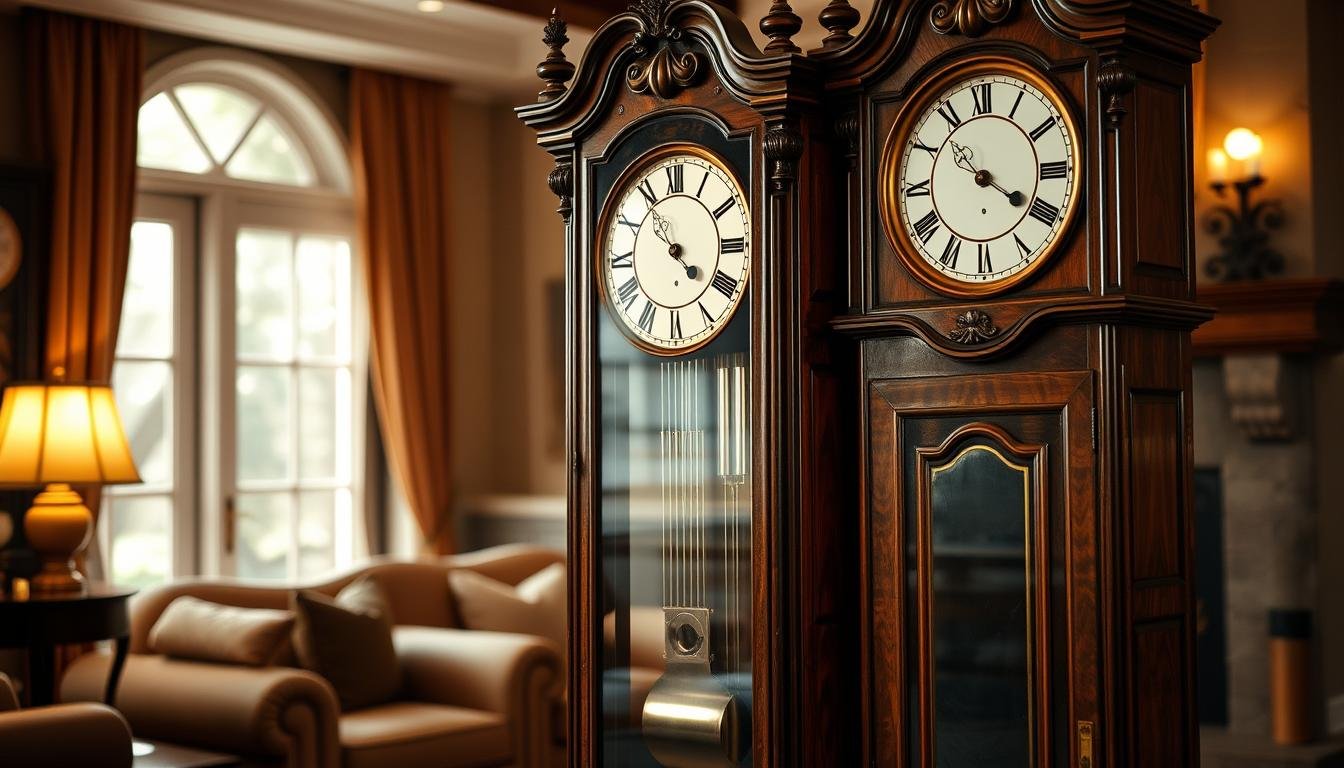
Can Grandfather Clocks Be Laid Down?
For many families, a grandfather clock is more than just a timekeeping device; it’s a treasured heirloom passed down through generations. However, when it comes to moving or relocating, owners often wonder if they can lay their grandfather clock down to make the process easier.
Moving a clock improperly can result in serious damage to its delicate internal mechanisms and exterior components. The question remains: is laying down a grandfather clock a safe and viable option?
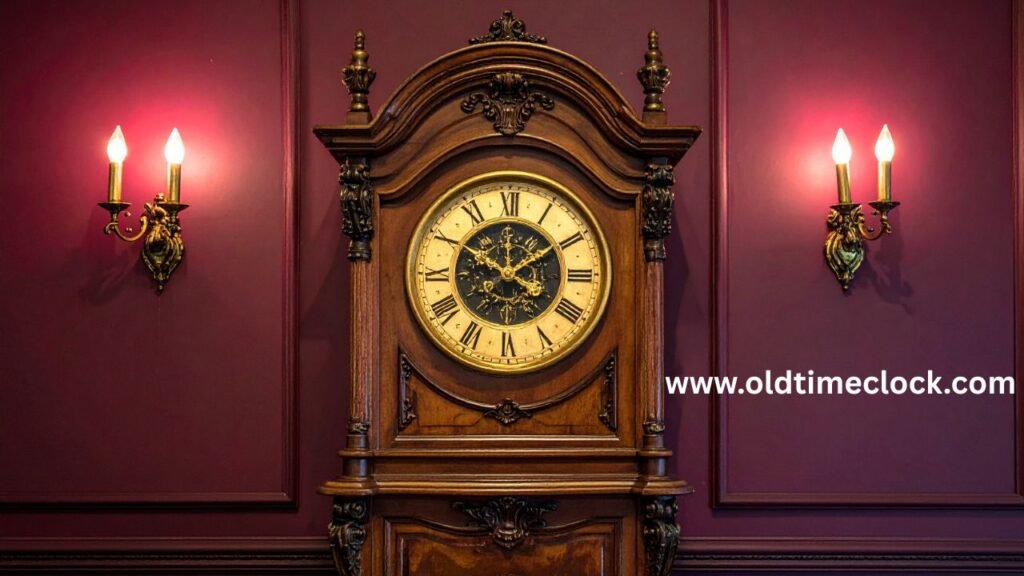
Laying down a grandfather clock during transportation may seem like a convenient solution, but it’s crucial to consider the potential risks involved and explore alternative methods to ensure the safe relocation of this valuable family timepiece.
Key Takeaways
- Understand the risks of laying down a grandfather clock during transportation.
- Explore alternative methods for safely moving a grandfather clock.
- Learn the best practices for relocating a grandfather clock.
- Discover the importance of proper care when moving a family heirloom.
- Find out how to preserve your grandfather clock for future generations.
Understanding the Risks of Laying Down a Grandfather Clock
Grandfather clocks are precision instruments that require careful handling to avoid damage. Their intricate mechanisms and delicate parts make them susceptible to harm if not treated properly.
Why Upright Position Is Preferred
Grandfather clocks are designed to operate and be transported in an upright position. This orientation keeps all internal mechanisms, including the pendulum and weights, properly aligned and supported. Maintaining the clock in its upright position is crucial for preventing damage to its internal components.
Potential Damage to Internal Mechanisms
Laying a grandfather clock down can cause significant risks to its internal parts. The lubricants within the clock can shift away from critical areas, leading to increased friction and potential wear on precision components. The table below outlines the potential risks and consequences of laying down a grandfather clock.
| Component | Risk | Consequence |
|---|---|---|
| Internal Gears | Misalignment | Requires professional recalibration |
| Lubricants | Shift away from critical parts | Increased friction and wear |
| Wooden Case | Stress on joints | Warping or structural damage |
By understanding these risks, individuals can take necessary precautions to protect their grandfather clocks during relocation or storage, ensuring these timepieces continue to function accurately and maintain their aesthetic appeal.
Can Grandfather Clocks Be Laid Down? The Short Answer
Although keeping a grandfather clock upright during transport is ideal, there are scenarios where laying it down is the only viable option. The short answer is that grandfather clocks can be laid down for transportation, but only as a last resort and with extensive preparation to minimize potential damage.

When It’s Absolutely Necessary
Laying down a grandfather clock should be considered only when it’s unavoidable. This could be due to spatial constraints during the move or when the clock’s size doesn’t allow for safe upright transportation. In such cases, it’s crucial to prepare the clock properly.
- Remove the pendulum and weights to prevent internal damage.
- Secure any detachable parts to avoid movement during transport.
Factors That Determine Safety
Several factors determine the safety of laying down a grandfather clock. These include the clock’s age, condition, and the complexity of its internal mechanisms. Newer clocks generally withstand horizontal transportation better than antique models. The quality of the clock’s construction also plays a significant role in how well it will tolerate being laid down.
By understanding these factors and taking necessary precautions, you can minimize the risk of damage to your grandfather clock during transport.
Preparing Your Grandfather Clock for Transportation
Preparing your grandfather clock for a move requires careful planning and attention to detail. The process involves several steps that are crucial for ensuring the clock’s safe transportation.
Essential Tools and Materials Needed
To prepare your grandfather clock for moving, you’ll need to gather essential tools and materials. These include cotton gloves, bubble wrap, packing tape, moving blankets, cardboard, and specialized clock tools. Having these items on hand will help you protect your clock’s delicate components during the move.
Removing Weights and Pendulum
The first step in preparing your grandfather clock is to remove the weights and pendulum. These components are heavy and can cause significant damage if left attached during transport. Wrap them individually in soft padding and store them in a separate, secure box. This will prevent any potential damage to the clock’s internal mechanisms.
Securing Delicate Components
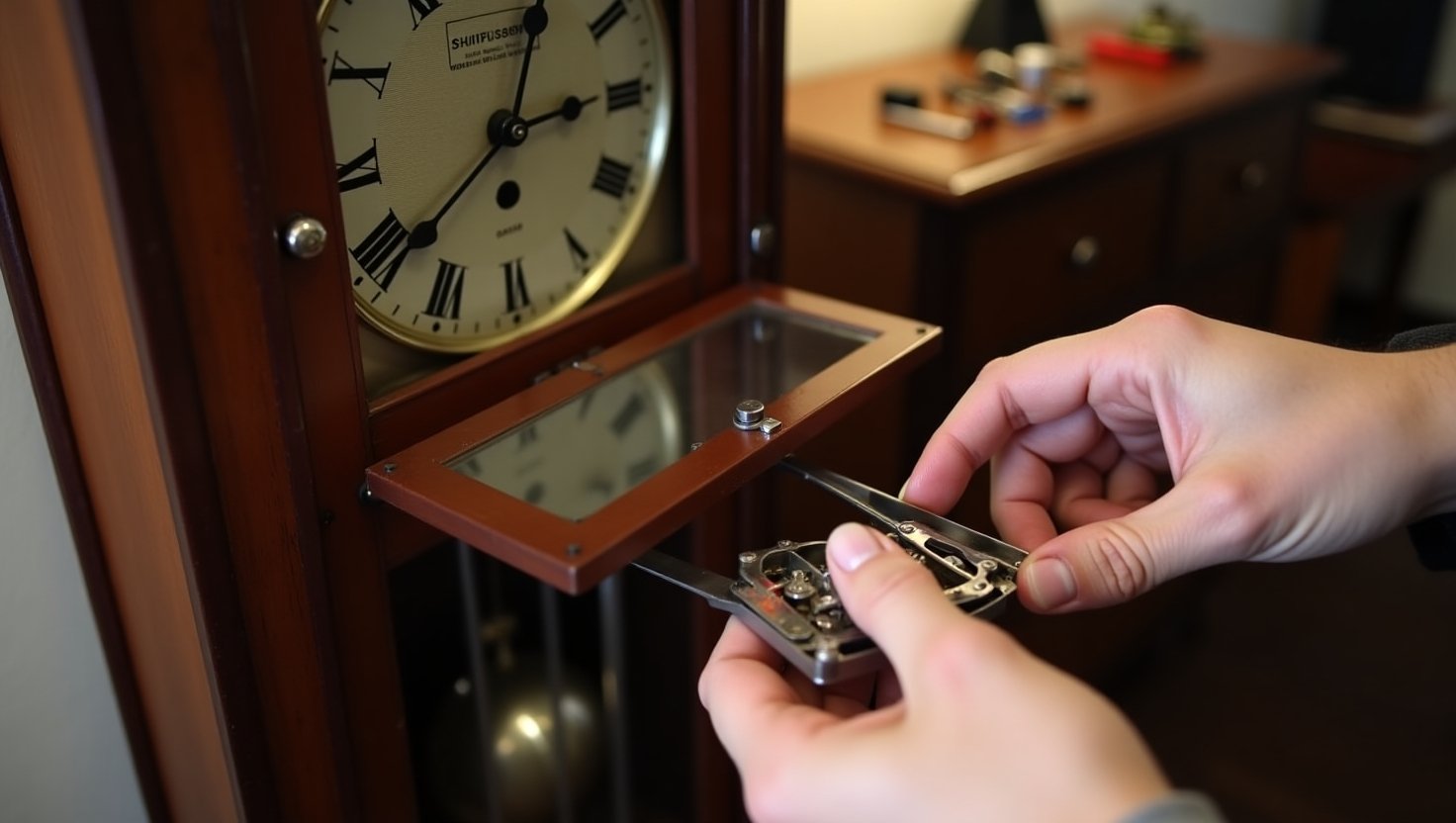
Next, identify any detachable elements on your clock, such as removable shelves or decorative finials. Carefully remove these items and wrap them individually in protective materials. Store them separately to prevent breakage. For added protection, consider using bubble wrap or soft packing materials to stabilize any components that cannot be removed.
| Component | Precaution |
|---|---|
| Weights | Wrap individually, store in separate box |
| Pendulum | Wrap in bubble wrap, store separately |
| Detachable elements | Wrap individually, store separately |
Step-by-Step Guide to Safely Laying Down a Grandfather Clock
Safely laying down a grandfather clock is a multi-step process that prioritizes the clock’s stability and protection. When moving a grandfather clock, it’s crucial to handle it with care to prevent damage to its intricate mechanisms and delicate surfaces.
Proper Padding and Support Techniques
To lay down a grandfather clock safely, start by creating a padded surface on the floor using moving blankets or furniture pads. The padding should extend at least 12 inches beyond the clock’s dimensions on all sides. Carefully wrap the entire exterior of the grandfather clock with bubble wrap, paying special attention to corners and glass surfaces. This protective layer helps prevent scratches and damage during transport.

Choosing the Right Surface
Always lay your grandfather clock on its back, as this is typically the most stable and well-supported side of the clock’s case. Ensure the surface is flat and even, as an uneven floor can put undue stress on the case and potentially warp the wood. A flat surface is crucial for maintaining the clock’s structural integrity.
| Surface Type | Stability | Risk of Damage |
|---|---|---|
| Flat Surface | High | Low |
| Uneven Surface | Low | High |
Securing the Clock for Transport
Once the grandfather clock is laid down, add additional padding around and underneath any areas that seem inadequately supported. Secure all padding materials with packing tape, being careful not to apply tape directly to the clock’s finish. For transportation in a truck or van, create a level surface and ensure the clock cannot slide or shift during transit by using straps or additional boxes as stabilizers.
“The key to safely moving a grandfather clock is to take your time and ensure it is properly secured and padded.”
By following these steps, you can ensure that your grandfather clock is safely laid down and transported, minimizing the risk of damage.
Alternative Methods for Transporting Grandfather Clocks
Grandfather clocks demand special care when being transported, and there are several alternatives to laying them down. Transporting a grandfather clock in an upright position is always the preferred method, as it minimizes the risk of damage to the internal mechanisms.
Upright Transportation Options
Renting or borrowing a truck or van with sufficient height clearance is an effective way to transport a grandfather clock upright. It’s essential to secure the clock firmly using heavy-duty straps or ropes and padding to protect the finish. Specialized clock moving dollies can also provide stability during transportation.
When to Consider Professional Movers
If you’re concerned about potential damage or feel overwhelmed, hiring professional movers is often the best action. Look for companies that specialize in handling antiques or fragile items. They have the experience and equipment to transport your grandfather clock safely.
What to Look for in Clock Moving Services
When evaluating professional movers, consider their experience with grandfather clocks, positive reviews, and appropriate insurance coverage. Some movers offer custom-built crates or specialized padding systems for tall case clocks. Ensure they follow proper procedures for disassembly, packing, and reassembly.
Reassembling Your Grandfather Clock After the Move
Reassembling a grandfather clock after moving involves several key steps to ensure it functions properly. After safely transporting your grandfather clock to its new location, it’s essential to allow it to acclimate to the room temperature for at least 24 hours.
Proper Positioning in Your New Space
Choose the final position for your grandfather clock carefully, ensuring the floor is level and away from direct sunlight and heating vents. Use a level tool to verify the clock case stands perfectly vertical.
Reinstalling Weights and Pendulum
Begin reassembly by reinstalling the pendulum and weights. Gently hang the pendulum on its suspension spring, and replace the weights in their correct positions according to your labels.
Restarting and Calibrating Your Clock
After reassembly, gently start the pendulum swinging and listen for the proper ticking sound. Allow the clock to run for 24-48 hours before making any adjustments.
| Step | Description |
|---|---|
| 1 | Acclimate the clock to the new room temperature for 24 hours. |
| 2 | Position the clock on a level floor, away from direct sunlight. |
| 3 | Reinstall the pendulum and weights according to your notes. |
| 4 | Restart the clock and allow it to run for 24-48 hours. |
Conclusion: Protecting Your Timeless Investment
When it comes to moving a grandfather clock, safety is paramount. This valuable family heirloom requires careful planning and proper techniques to ensure it arrives safely at its new home.
Whether you choose to transport your clock upright or laid down, following the detailed steps in this guide will help minimize the risk of damage. For particularly valuable or antique clocks, consider hiring professional movers who specialize in clock transportation.
After the move, take the time to properly set up and calibrate your grandfather clock to ensure it continues to function properly. With proper care, your clock will remain a stunning focal point and treasured timepiece in your new space for generations to come, keeping your family traditions alive.












Post Comment