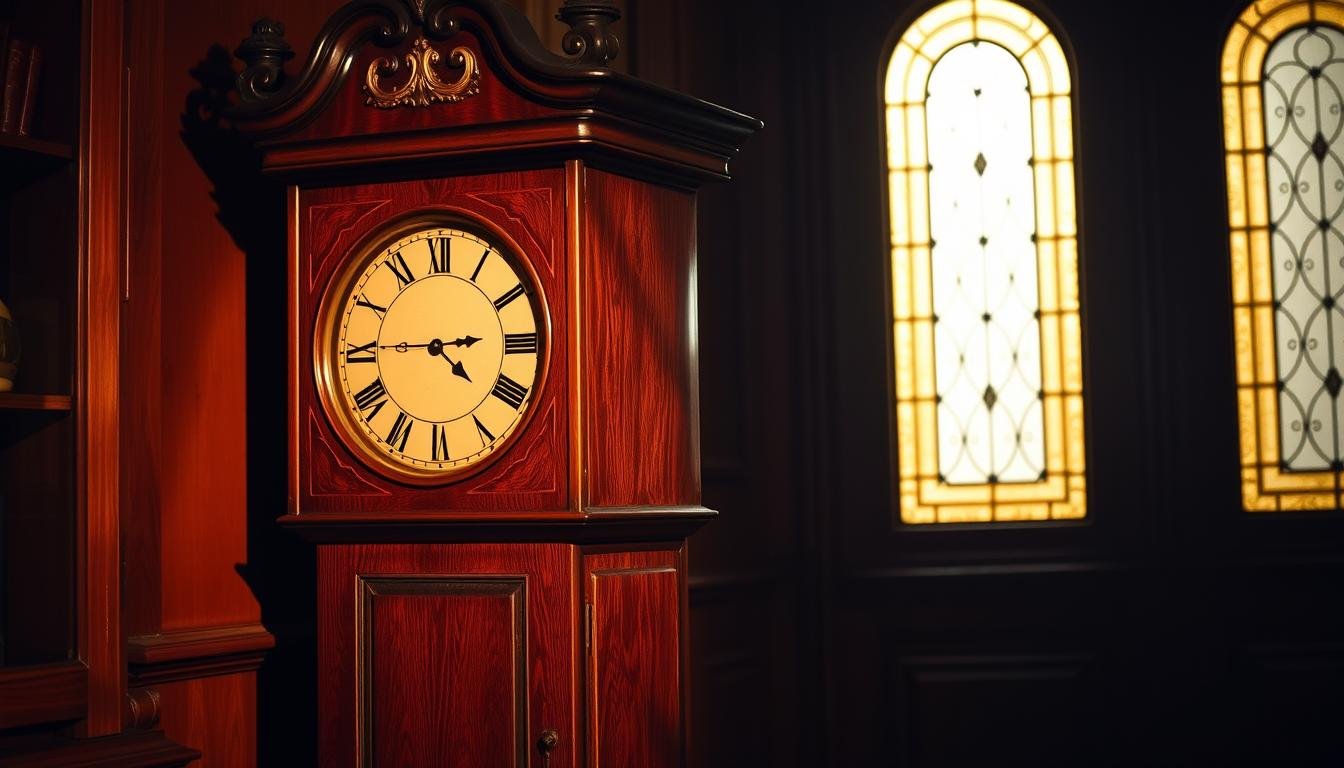
How Long Do Grandfather Clocks Last?
Can a grandfather clock truly be a timeless family heirloom, standing the test of generations?
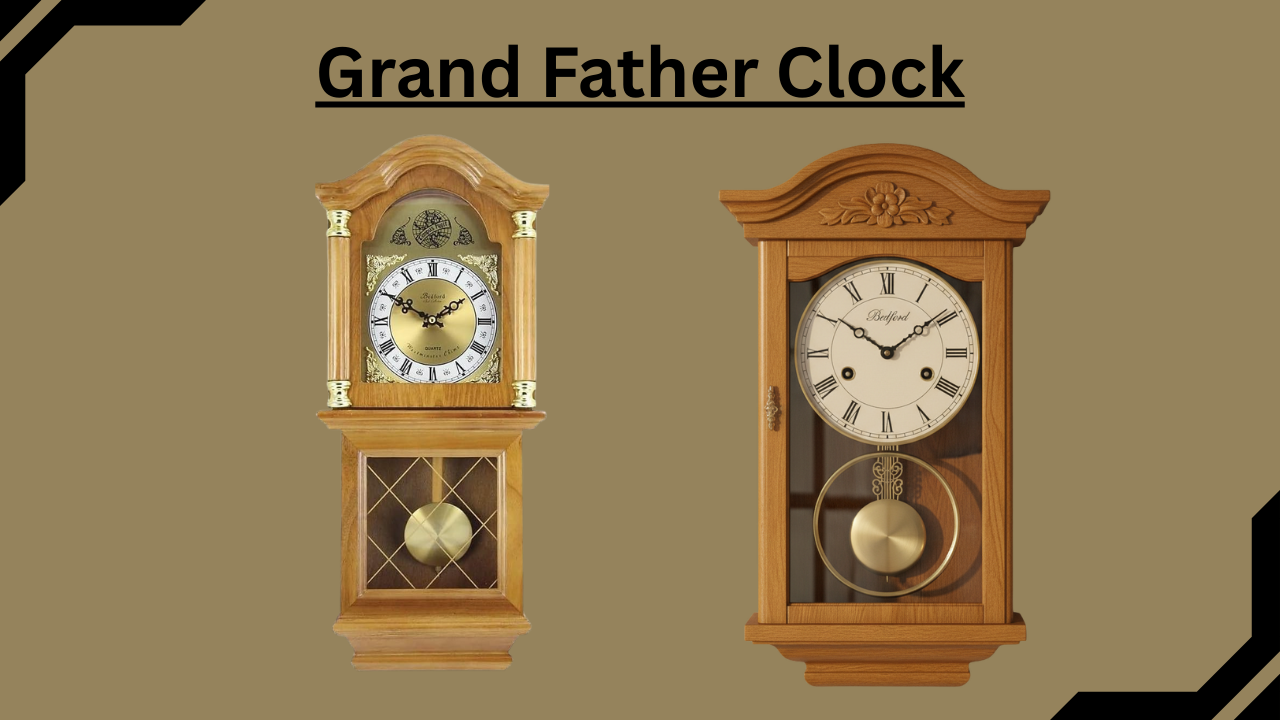
For many, these majestic timepieces are more than just clocks; they are a connection to the past, a symbol of tradition, and a testament to craftsmanship. With proper care, a clock can last for 50 to 100 years or more, making it a valuable possession that can be passed down through generations.
The longevity of a grandfather clock depends on various factors, including the quality of materials, craftsmanship, and maintenance. High-quality materials, such as solid wood and durable metals, contribute to the clock’s durability.
Key Takeaways
- Grandfather clocks can last for 50 to 100 years or more with proper care.
- The quality of materials and craftsmanship significantly influences their longevity.
- Regular maintenance is crucial for extending the life of a grandfather clock.
- These clocks can become valuable family heirlooms passed down through generations.
- The historical significance of grandfather clocks makes them important to collectors and enthusiasts.
The Timeless Legacy of Grandfather Clocks
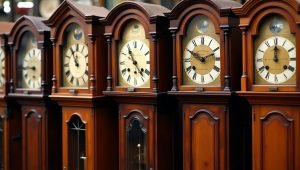
Despite the advent of modern timekeeping technology, grandfather clocks continue to captivate with their timeless charm. These majestic timekeepers have been gracing homes for centuries, captivating generations with their rhythmic tick-tocks and melodious chimes.
The Enduring Appeal of Mechanical Timepieces
The mechanical nature of grandfather clocks, with their visible pendulums and audible ticking, creates a sensory experience that digital alternatives cannot replicate. This mechanical movement is not just a functional aspect but a source of fascination, connecting us to a tradition of craftsmanship that is increasingly rare in our digital age.
Grandfather clocks represent a connection to the past, serving as symbols of stability, tradition, and permanence in home decor. Their presence in a home is often seen as a statement of elegance and refinement, reflecting a commitment to preserving traditional quality and heritage.
Historical Significance and Craftsmanship
The historical significance of grandfather clocks lies in their evolution over centuries, with certain construction principles remaining consistent, contributing to their durability. The meticulous craftsmanship involved in creating these clocks, from the intricate components of the clockwork to the careful selection of wood for the cabinet, underscores their exceptional longevity.
| Aspect | Description | Significance |
|---|---|---|
| Mechanical Movement | Intricate mechanical components | Provides a unique sensory experience |
| Craftsmanship | Meticulous attention to detail | Contributes to the clock’s longevity |
| Materials | Careful selection of wood and other materials | Enhances durability and aesthetic appeal |
How Long Do Grandfather Clocks Last?
Grandfather clocks, with proper care, can remain functional for many years. The longevity of these timepieces is a testament to the craftsmanship of their makers. A well-crafted grandfather clock can be a family heirloom, passed down through generations.
Average Lifespan Expectations
On average, a high-quality grandfather clock can last for 50 to 100 years or more. The average lifespan is significantly influenced by the quality of materials used in its construction. Clocks made from solid wood and durable metals tend to outlast those made from inferior materials.
A clock produced by reputable manufacturers with a history of fine craftsmanship is more likely to endure for generations. For instance, clocks from well-known makers are often built to last, with some antique models still functioning accurately after centuries.
Factors That Influence Longevity
Several factors contribute to the longevity of a grandfather clock. The quality of the clock movement is crucial, as it is the heart of the timepiece. Regular maintenance, including cleaning and oiling, is essential to keep the clock running smoothly.
- The quality of construction and materials used
- The reputation and manufacturing practices of the clock maker
- Environmental conditions, such as temperature and humidity
- Usage patterns and handling of the clock
By understanding these factors and providing proper care, owners can significantly extend the life of their grandfather clock. With the right maintenance, these clocks can remain a functional and beautiful part of a family’s heritage for many years.
Understanding Grandfather Clock Components and Their Durability
The intricate mechanism of a grandfather clock is made up of several key components that contribute to its overall durability. To appreciate the longevity of these timepieces, it’s crucial to understand the role and resilience of each part.
The Clock Movement: Heart of the Timepiece
The clock movement is the apparatus that controls timekeeping and chiming. It includes the pendulum, weights, face, hands, chime hammers, and rods, all working in harmony. Mechanical movements are more complex and prone to wear than quartz movements, affecting their longevity.
| Movement Type | Complexity | Wear and Tear |
|---|---|---|
| Mechanical | High | Higher |
| Quartz | Low | Lower |
Cabinet Materials and Construction
The cabinet is the wooden structure housing the movement. Different types of wood and joinery techniques significantly impact the cabinet’s durability. Solid hardwoods like oak and mahogany are more durable than veneers or softwoods.
“The quality of the cabinet’s construction directly influences the grandfather clock’s overall lifespan.”
Pendulums, Weights, and Other Metal Components
Metal components like pendulums, weights, and gears are susceptible to wear and corrosion. The quality of these components and their maintenance plays a crucial role in the clock’s longevity. Regular cleaning and lubrication can significantly extend their lifespan.
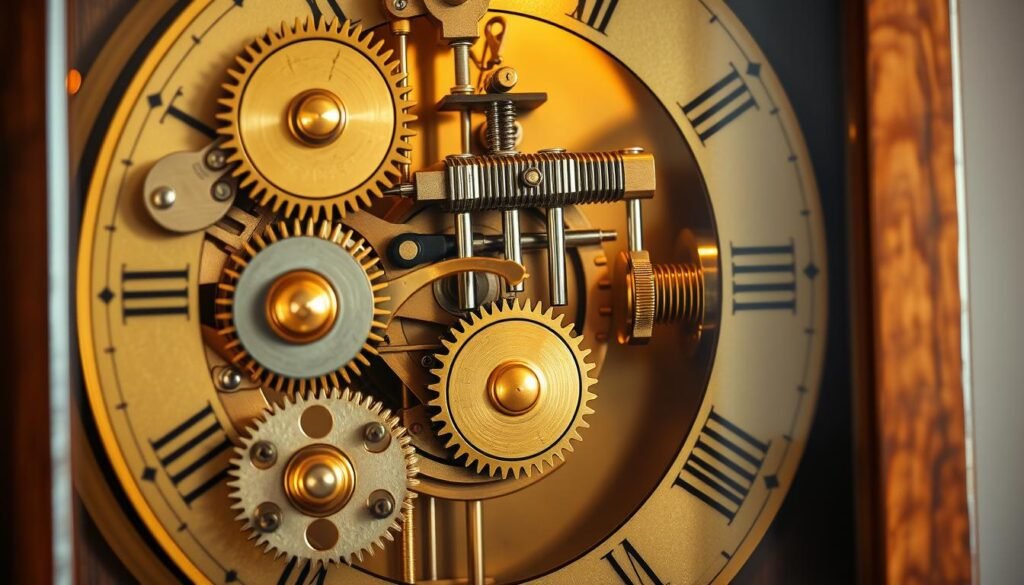
Understanding the durability of grandfather clock components is essential for maintaining these timepieces. By examining the clock movement, cabinet materials, and metal components, one can appreciate the complexity and craftsmanship involved in their construction.
The Impact of Quality and Craftsmanship on Longevity
The longevity of a grandfather clock is significantly influenced by its quality and craftsmanship. High-end grandfather clocks, often produced by renowned manufacturers such as Howard Miller or Hermle, are crafted with precision engineering, offering a longer lifespan compared to mass-produced models.
High-End vs. Mass-Produced Models
High-end grandfather clocks are constructed with premium materials and their movements are finely tuned by skilled clockmakers. As a result, they are not only durable but also maintain a higher level of timekeeping accuracy over decades or even centuries. In contrast, mass-produced grandfather clocks may use lower-quality materials, resulting in quicker wear on components.
A comparison of the construction quality and expected lifespan of high-end, handcrafted grandfather clocks versus mass-produced models reveals significant differences.
| Feature | High-End Models | Mass-Produced Models |
|---|---|---|
| Materials | Premium wood and metal | Lower-grade materials |
| Craftsmanship | Skilled clockmakers | Assembly-line production |
| Movement Quality | Finely tuned mechanisms | Less precise mechanisms |
| Lifespan | Decades or centuries | Shorter lifespan, frequent repairs |
Renowned Manufacturers and Their Reputation
Renowned manufacturers like Howard Miller and Hermle have built a reputation for quality and longevity. Their clocks are not only timekeeping devices but also pieces of art that can be passed down through generations.
The reputation of these manufacturers correlates with the actual performance and longevity of their clocks, making them a worthwhile investment for those seeking a high-quality grandfather clock.
Essential Maintenance for Extended Lifespan
Maintaining a grandfather clock involves several key steps that are crucial for its extended lifespan. Proper care ensures that the clock continues to function accurately and remains a beautiful piece in your home.
Regular Cleaning and Dusting
Regular cleaning and dusting are vital to maintaining your grandfather clock. Use a soft, dry cloth to gently dust the clock’s surface, paying particular attention to the intricate carvings and details. It’s also important to clean the clock’s glass elements with a suitable glass cleaner to prevent streaks and maintain visibility. Keeping the clock clean and dust-free helps prevent damage to the mechanism and ensures smooth operation.
Proper Oiling and Lubrication
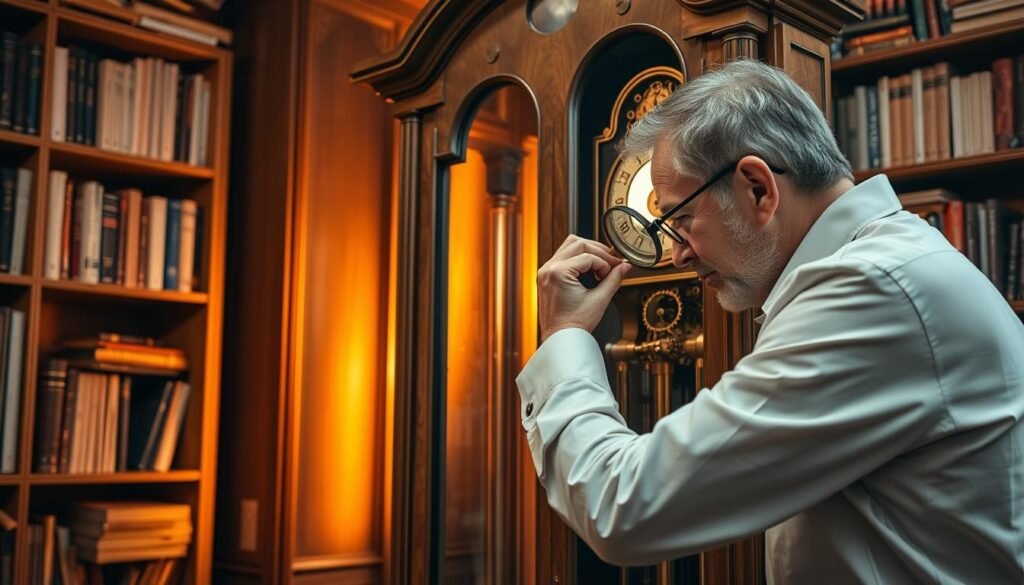
Proper oiling and lubrication of the clock’s moving parts are essential to prevent wear and tear. It’s recommended to have a clock specialist oil the clock movement every 3-5 years. Using the correct type of oil is crucial, as the wrong oil can damage the clock’s mechanism. Regular oiling helps to keep the clock’s chimes and striking mechanisms running smoothly.
Professional Servicing Recommendations
Periodic inspections by a qualified clockmaker are vital to identify and address any potential issues before they become major problems. A professional can assess the clock’s condition, perform necessary repairs, and provide guidance on maintenance. Regular servicing not only extends the clock’s lifespan but also ensures it continues to keep accurate time.
Environmental Factors Affecting Your Grandfather Clock’s Life
Environmental factors play a crucial role in determining the lifespan of a grandfather clock. The clock’s mechanism, wooden case, and metal components are all susceptible to changes in their surroundings, which can impact its overall performance and longevity.
Temperature and Humidity Considerations
Temperature and humidity are critical environmental factors that can affect the grandfather clock’s timekeeping accuracy and overall condition. In cold and dry climates, the wooden case can crack or shrink due to low humidity, while mechanical parts may contract, affecting the clock’s performance. To mitigate this, using a humidifier can help maintain a stable moisture level in the air. Conversely, in hot and humid climates, high humidity can cause the wood to swell or absorb moisture, potentially leading to warping or mold growth. Moreover, metal components inside the clock can suffer from corrosion or rusting. Maintaining a stable temperature between 60°F to 80°F (15°C to 27°C) and relative humidity between 40% to 60% is recommended for optimal clock performance.
Proper Placement in Your Home
Where you place your grandfather clock within your home is also important for its longevity. Avoid placing it near heavy traffic areas or vibrating surfaces, as mechanical stress from vibrations can affect the pendulum’s accuracy and cause wear on delicate internal components. Additionally, direct sunlight can cause the finish on the clock case to fade, and extreme temperature fluctuations near heating or cooling vents can impact the clock’s mechanism. Ensuring good air circulation around the clock and keeping it away from direct sunlight can help maintain its condition. Proper care and placement can significantly extend the life of your grandfather clock, allowing it to remain a reliable timekeeper for generations.
| Environmental Factor | Impact on Grandfather Clock | Mitigation Strategy |
|---|---|---|
| Low Humidity | Cracking or shrinking of wooden case | Use a humidifier |
| High Humidity | Warping or mold growth on wooden case, corrosion of metal components | Use a dehumidifier |
| Vibrations | Mechanical stress on clock mechanism | Place clock away from heavy traffic areas and vibrating surfaces |
Conclusion: Preserving Your Timepiece for Generations
Preserving a grandfather clock for future generations involves understanding its mechanical components and maintaining them properly. By taking good care of your clock and giving it the attention it deserves, you can extend its lifespan and pass down a cherished heirloom.
A well-maintained grandfather clock movement can last 25-30 years, after which some parts may need replacement. Regular maintenance, including cleaning and oiling, is crucial for optimal timekeeping performance.
To maximize longevity, owners should also consider environmental factors such as temperature and humidity. Proper care includes regular winding and ensuring the clock’s case and glass are clean and dust-free.
By following these guidelines and addressing common issues promptly, you can enjoy your grandfather clock for years to come, preserving a piece of history and craftsmanship for generations to appreciate.



Post Comment