
How Do Grandfather Clocks Work? complete guide
To fully understand how a grandfather clock works, it’s essential to first familiarize yourself with its key components. These clocks are made up of several interconnected parts that work together to keep time accurately. The primary components include the pendulum, weights, gears, escapement, hands, and chimes. Each part plays a unique role in the clock’s overall function.
The pendulum, which is typically a long rod with a swinging disk at the bottom, serves as the regulating mechanism that controls the clock’s timekeeping. The weights hang from cables and provide the energy needed to power the clock’s movement. These weights are connected to a complex series of gears that transfer energy to the clock’s hands and chimes. The escapement mechanism is responsible for controlling the release of energy from the weights to ensure a consistent ticking sound. The hands display the time, while the chimes play melodious sounds on the hour and quarter-hour marks.
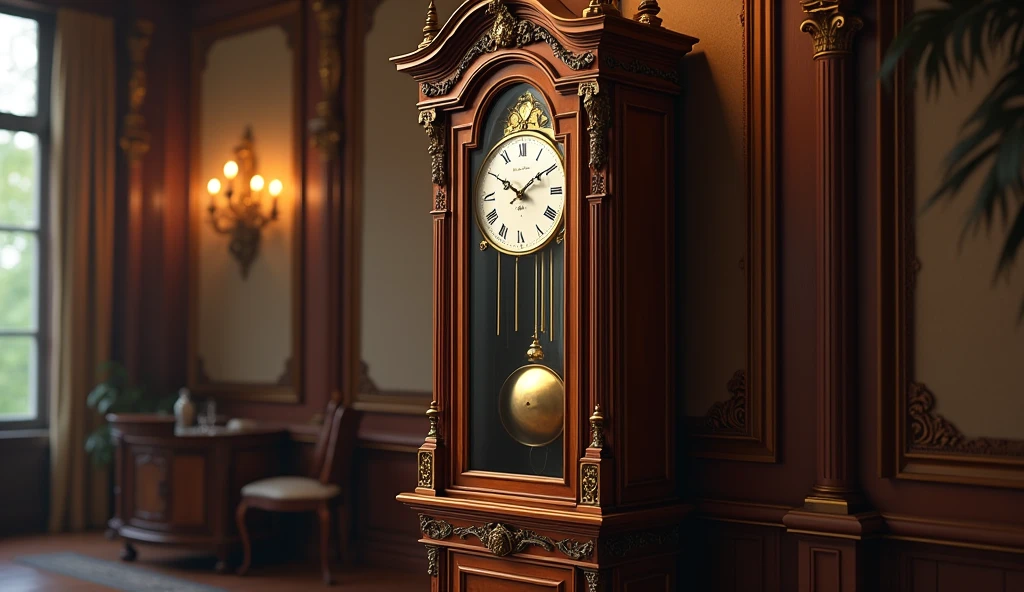
The Pendulum: The Heartbeat of the Clock
The pendulum is the most recognizable feature of a grandfather clock, and for good reason – it is the heart of the timekeeping mechanism. Its primary role is to regulate the clock’s accuracy by swinging back and forth in a consistent rhythm. The pendulum’s movement is what keeps the clock ticking at a steady pace, ensuring it doesn’t run too fast or too slow.
The principle behind the pendulum’s accuracy is rooted in its design and the laws of physics. The pendulum’s swing is controlled by its length and the force of gravity. A longer pendulum swings more slowly, while a shorter one swings faster. This is why the length of the pendulum is carefully calibrated to keep time accurately. The rate at which the pendulum swings (its period) is what ultimately determines how the clock tracks time. In most grandfather clocks, the pendulum is designed to swing precisely once per second, corresponding to the ticking sound that marks the passing of each second.
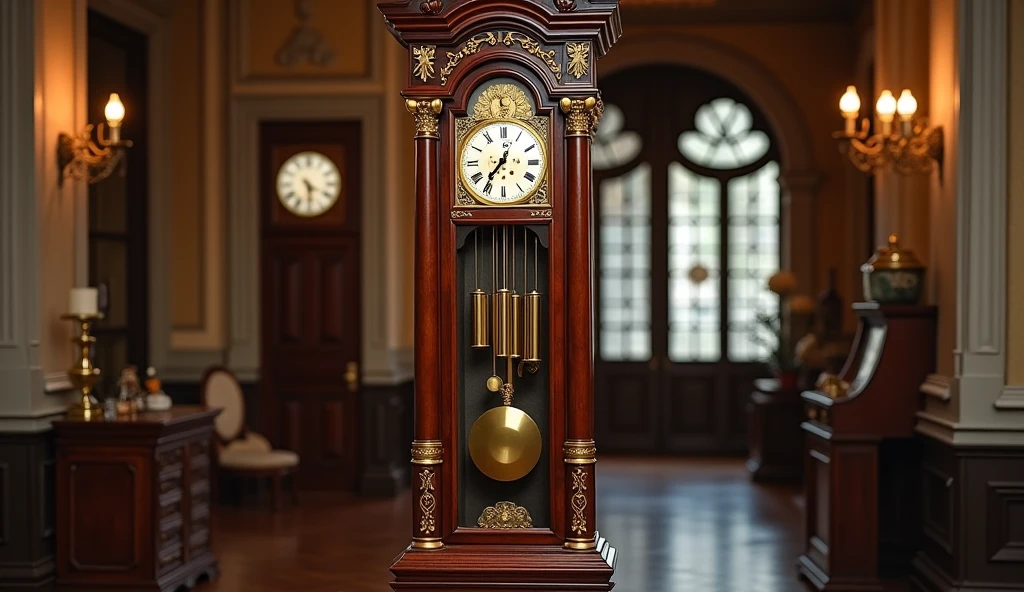
Weights and Cables: Powering the Mechanism
The weights and cables of a grandfather clock are integral to its functioning, providing the necessary energy to drive the clock’s movement. The weights are typically made of heavy metals like brass or cast iron, and they hang from cables that are wound around pulleys within the clock. As the weights descend under the influence of gravity, they release stored energy, which is transferred through the clock’s gear train to power the timekeeping and chime mechanisms.
There are usually three distinct weights in a grandfather clock: one for timekeeping, one for striking, and one for chiming. The timekeeping weight powers the movement that controls the clock hands, while the striking weight powers the striking mechanism that chimes on the hour. The chime weight powers the melodic Westminster chimes (or other chime sequences) that are characteristic of these clocks.
The clock’s energy source, which comes from the descent of the weights, is what ensures that the clock runs for days, often up to seven days before the weights need to be rewound. This is a significant difference from modern quartz clocks, which rely on batteries. The weight-driven system is a testament to the craftsmanship and ingenuity of the clock’s design.
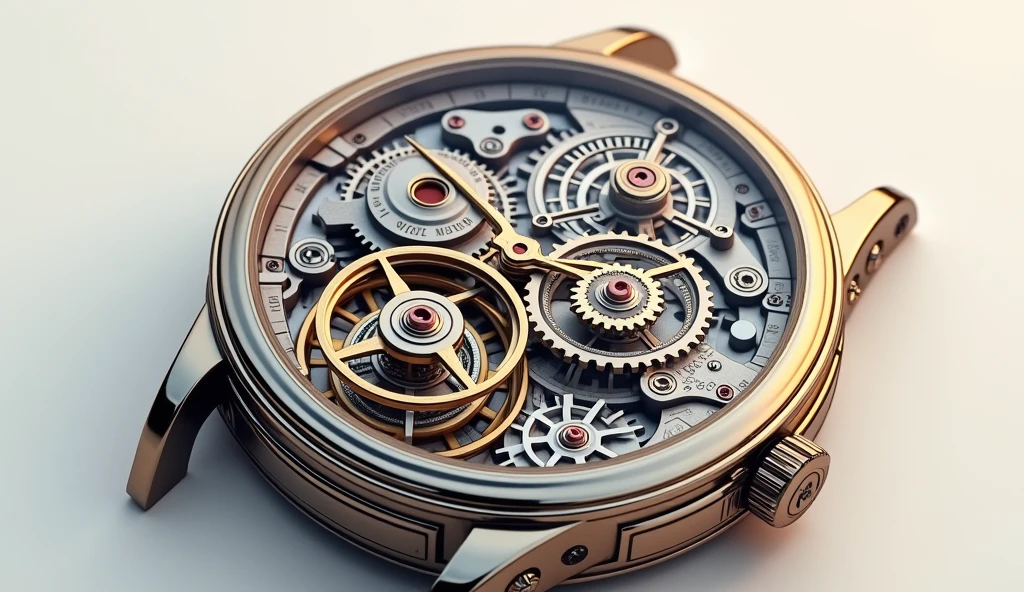
The Gear Train: Turning Energy into Motion
The gear train is a series of interlocking gears that play a critical role in transferring the energy generated by the descending weights into the motion that powers the clock’s hands and chimes. This system of gears ensures that the mechanical energy from the weights is evenly distributed throughout the clock’s movements, allowing it to keep precise time.
Each gear in the train is designed to perform a specific function. Some gears are responsible for moving the clock hands, while others control the chiming sequence. The gears work in sync to regulate the movement of the hour, minute, and sometimes second hands, while also controlling the pace of the chimes. The speed and synchronization of these gears are determined by the escapement, which controls the release of energy into the gear train. If the gears are not calibrated correctly, the clock may run too fast or too slow, causing inaccuracies. This is why the gear train is essential to the smooth operation of the clock, ensuring both timekeeping and chime functionality.
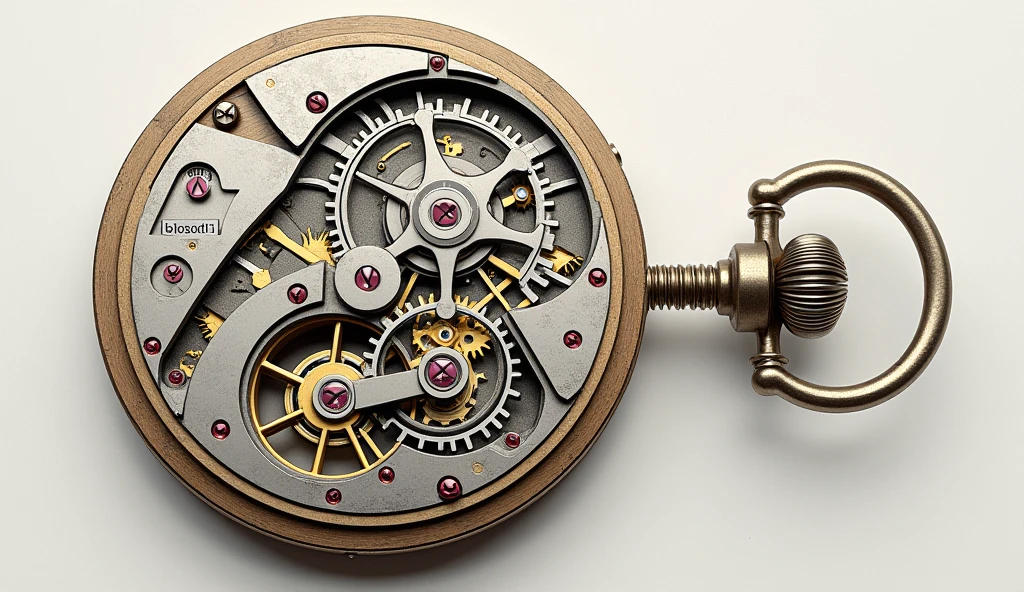
The Escapement Mechanism: Regulating the Clock’s Movement
The escapement is one of the most important components of a grandfather clock, as it controls the release of energy from the clock’s power source (the weights) to regulate its timekeeping. Without the escapement, the clock would either run too fast or too slow, as there would be no mechanism to control the flow of energy.
The escapement works by allowing the energy stored in the descending weights to be released in small, controlled increments. The escapement consists of two main parts: the escape wheel and the pallet fork. The escape wheel is attached to the gear train and rotates with the help of the energy from the weights. As the wheel turns, the pallet fork alternates between locking and unlocking the escape wheel’s teeth. Each time the pallet fork unlocks the escape wheel, it releases a small amount of energy, causing the pendulum to swing and the gears to move. This process happens continuously, ensuring that the clock maintains its accuracy.
The escapement mechanism is essential not only for keeping time but also for the consistent ticking sound that defines a grandfather clock.
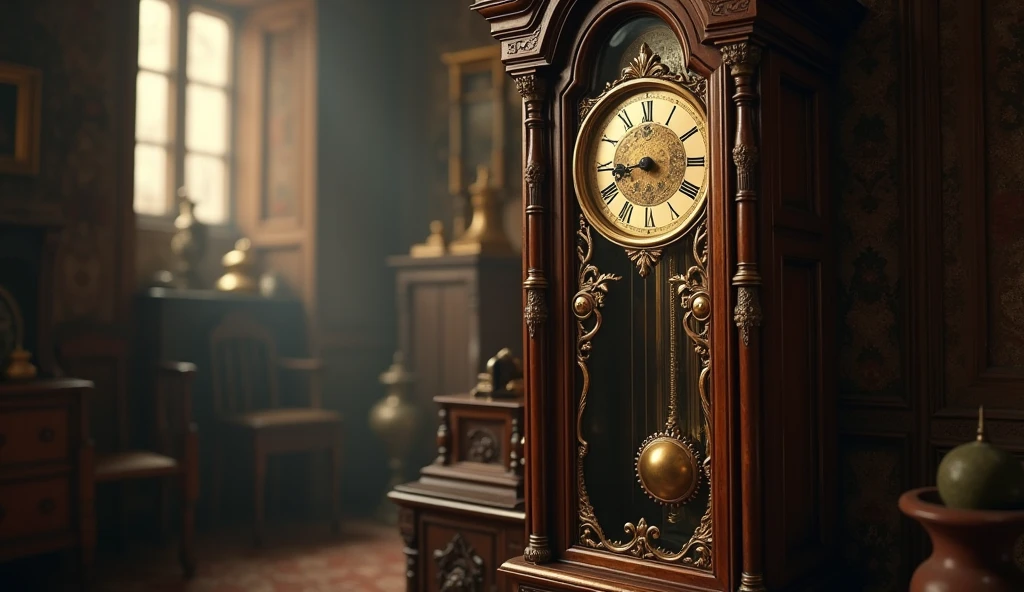
The Hands: Showing the Time
The hands of a grandfather clock are what allow us to read the time. They are directly connected to the gear train, which drives their movement. The clock hands typically include an hour hand, a minute hand, and sometimes a second hand.
The gears in the clock’s movement rotate at different speeds to ensure the proper functioning of the hands. The minute hand, for example, moves much faster than the hour hand. As the energy flows through the gears, it causes the hands to rotate around the dial, displaying the current time. The clock’s accuracy relies heavily on the synchronization of the gears and the escapement mechanism, as any error in their coordination could result in inaccurate timekeeping.
In addition to their function, the hands of a grandfather clock are often beautifully designed, with intricate details that complement the clock’s aesthetic. These hands are typically made from brass or another durable material and are shaped to match the clock’s overall design.
The Chimes: Creating Music with Time
One of the most distinctive features of a grandfather clock is its chimes. These clocks often play a musical sequence on the hour, half-hour, and quarter-hour. The most common chime melody is the Westminster chime, which is famous for its beautiful and melodic sound.
The chimes are powered by a separate weight, which, like the timekeeping and striking weights, is connected to a cable and pulley system. The chime weight is responsible for driving the mechanism that strikes the bells, producing the familiar chime sounds. Inside the clock, there are rods or bells that the clock strikes with hammers. The sequence of chimes, including the quarter-hour, half-hour, and hour chimes, is controlled by the gear train and escapement.
At each quarter-hour, a series of gears activate the chime mechanism, producing the appropriate chime sound. The chimes serve as both a time marker and a decorative feature, adding to the grandeur and charm of the grandfather clock. For those who enjoy the sound of music along with timekeeping, the chimes provide a unique and timeless experience that is synonymous with grandfather clocks.
The Striking Mechanism: Hourly and Quarterly Sounds
The striking mechanism of a grandfather clock is another essential component that adds to the clock’s charm and functionality. This system is responsible for producing a series of chimes on the hour, and sometimes at quarter-hour intervals, depending on the clock’s design. The striking mechanism is powered by a separate weight that is connected to its own gear train, distinct from the timekeeping and chime mechanisms.
When the clock reaches the hour, the striking mechanism activates and causes a hammer to strike a bell or a series of bells corresponding to the hour. For example, a clock may strike one chime for the first hour, two chimes for the second hour, and so on, up to twelve chimes for noon or midnight. Some clocks also include a half-hour strike, marking the passing of 30 minutes with a single chime. The sound created by the hammer striking the bell or rods is both loud and clear, providing an auditory signal of the time.
The striking mechanism is crucial for both accuracy and aesthetics. It ensures that the time is not only displayed on the clock face but also conveyed through sound. This feature enhances the overall experience of owning a grandfather clock and contributes to its appeal as both a functional and decorative piece.
The Maintenance: Ensuring Longevity and Accuracy
Like all mechanical devices, a grandfather clock requires regular maintenance to keep it functioning properly. Over time, the clock’s gears, escapement, and other components may wear down or need adjustments to maintain accurate timekeeping. Regular servicing is essential to ensure that the clock continues to operate at its best and preserves its value as an heirloom.
To maintain a grandfather clock, it’s recommended to wind the weights regularly, usually once a week, depending on the clock’s design. Dust and debris should be kept out of the clock’s interior, as these can interfere with the movement and cause wear. The clock’s pendulum should also be checked to ensure it swings evenly, as any imbalance can affect accuracy. Additionally, the escapement and gears should be lubricated periodically to reduce friction and prevent rusting.
If you notice that your clock is running too fast or slow, or if the chimes aren’t working correctly, it’s best to consult a professional clockmaker. Some issues, such as a misaligned escapement or broken gears, may require specialized expertise to repair. Regular maintenance not only prolongs the life of the clock but also ensures that it continues to provide accurate time and the signature chime that makes it so distinctive.
Adjusting the Time: Fine-Tuning for Accuracy
Grandfather clocks, due to their mechanical nature, may sometimes need slight adjustments to keep time accurately. If the clock is running too fast or too slow, adjustments can be made to the pendulum, which is the main regulating component for timekeeping. The length of the pendulum can be adjusted by either raising or lowering its bob, which in turn adjusts the clock’s timekeeping.
To speed up the clock, the pendulum’s bob can be raised, which makes the pendulum swing faster. To slow it down, lower the bob so that the pendulum swings more slowly. This adjustment should be made in small increments, as even a minor change can have a significant impact on the clock’s accuracy. Additionally, if the clock’s chimes are out of sync with the time, the chime mechanism may need to be adjusted.
For precise adjustments, it’s crucial to consult the user manual for your specific grandfather clock model. While minor adjustments can often be made by the clock owner, more complex issues, such as a malfunctioning gear train or escapement, should be handled by a professional.
The Value of a Grandfather Clock: An Heirloom Investment
Grandfather clocks are more than just timekeeping instruments—they are works of art and craftsmanship. Owning one of these majestic clocks often signifies a deep appreciation for history, tradition, and quality. The value of a grandfather clock extends beyond its ability to tell time; it is a valuable piece of furniture that can become a family heirloom passed down through generations.
The material used to craft the clock, the quality of the movement, and the design all contribute to its value. Antique grandfather clocks, especially those made by renowned clockmakers, can be quite valuable, with prices reaching tens of thousands of dollars depending on their age and condition. Even newer models, if well-maintained, can appreciate over time.
Investing in a grandfather clock is not only an investment in a functional timepiece but also in a piece of history that brings beauty and charm into your home. Whether it’s the soothing sound of the chimes or the elegant design, a grandfather clock can enhance any room and become a cherished part of family life for generations to come.
FAQs
How do I wind my grandfather clock?
To wind your grandfather clock, locate the key or winding mechanism and insert it into the winding holes. There are typically three holes: one for each weight (time, chime, and strike). Wind the key clockwise until you feel resistance. This will raise the weights, storing energy to power the clock. Be sure to wind each weight to ensure the clock functions correctly. Depending on your clock’s design, you may need to wind it weekly.
Why is my grandfather clock running slowly?
If your grandfather clock is running slow, the issue is likely related to the pendulum. Try adjusting the pendulum’s bob: raise it to speed up the clock and lower it to slow it down. This small change can have a significant impact on the clock’s timekeeping accuracy. If this doesn’t resolve the issue, consider checking the gears, escapement, or consulting a professional.
What causes the chimes on my grandfather clock to be out of sync?
Chimes can become out of sync due to issues with the gear train or escapement. The chime mechanism may need adjustment if the clock’s timekeeping is off. Consult the clock’s manual or contact a clock repair specialist if the chimes are not ringing in the correct sequence or at the proper intervals.
How do I adjust the chimes on my grandfather clock?
Adjusting the chimes on a grandfather clock typically requires modifying the chime train. Some clocks have a chime adjustment lever or screw that allows you to adjust the volume or tone. If your chimes are off-tune or not working properly, it’s best to consult the clock’s manual for specific instructions, or you may need a professional repair service to fine-tune the mechanism.
How do I reset the time on my grandfather clock?
To reset the time on a grandfather clock, rotate the minute hand clockwise. Avoid moving the hands counterclockwise as it can damage the movement. It’s important to move the hands slowly, especially around the hour and half-hour marks, to prevent any damage to the gear train and escapement.
Why is my grandfather clock making a loud ticking sound?
A loud ticking sound is normal for grandfather clocks, but it can be too loud if the pendulum is out of balance or the clock is placed on an uneven surface. Check the pendulum for stability and ensure the clock is on a level surface. If the ticking persists, it may indicate a problem with the escapement or gears.
How do I clean my grandfather clock?
To clean your grandfather clock, dust the exterior with a soft cloth to remove surface dirt. For the internal parts, carefully wipe down the gears and escapement with a dry cloth. Avoid using any harsh chemicals, and if needed, consult a professional for deeper cleaning of the movement, especially if you own an antique clock.
How often should I have my grandfather clock serviced?
A grandfather clock should be serviced every 3 to 5 years, depending on how frequently it’s used and the environmental conditions. Regular servicing helps ensure the gears are well-lubricated, the pendulum is adjusted correctly, and the clock continues to function smoothly. Regular maintenance can prevent costly repairs and extend the lifespan of your clock.
Can I move my grandfather clock by myself?
Moving a grandfather clock is best done with care and caution. It’s advised to disassemble the pendulum and weights before moving the clock to prevent damage. If you’re moving it over a long distance or on stairs, it’s best to seek professional help to ensure the clock remains in good condition.
How do I replace the batteries in my grandfather clock?
Some grandfather clocks use batteries for features like chiming or the pendulum movement, while others are fully mechanical. If your clock requires a battery, open the battery compartment, remove the old battery, and replace it with a new one. Make sure the battery is inserted correctly to prevent any malfunction. Always use the battery type recommended by the manufacturer.












Post Comment