Types of Grandfather Clock and the Stories They Tell
There’s something deeply comforting about the gentle tick of a clock; it feels like home. From the warmth of a grandfather clock in your grandparents’ hallway to the quiet elegance of a wall clock in your kitchen, the many types of clocks carry more than time; they carry memories.
Historical Types of Clocks
Water Clock
Water clocks, among the earliest timekeeping inventions, relied on the steady flow of water to measure time. Found in ancient Egyptian and Greek civilizations, these clocks were typically stone or bronze vessels with small holes allowing water to drip at a constant rate.
While primitive by today’s standards, they laid the groundwork for future innovations. As someone who’s spent decades studying antique clocks, I find the simplicity and ingenuity of water clocks fascinating. Their rhythmic drip echoed daily routines in ancient temples and courts, a humbling reminder of humanity’s early efforts to master time.
Hourglass Clock
The hourglass is more than just a symbol of time; it’s a working piece of history. With sand flowing from one glass bulb to another, it measures time intervals with striking simplicity. Hourglasses were common in maritime navigation and household use from the 14th century onward. Their portability made them practical, but their beauty made them collectible. Even now, holding one brings a tactile connection to the past. It’s a type ofclock that invites you to slow down and watch time move, grain by grain.
Sundial
Sundials are the oldest known types of clocks, using the sun’s shadow to tell time. Fixed on horizontal surfaces or vertical walls, they mark the hours with a gnomon casting a shadow across a dial. While they depend on sunlight, sundials were used for centuries in gardens, courtyards, and public squares. There’s something poetic about telling time with light—something I still admire when I visit historical estates that feature them. They remind us that time was once read from the sky.
Candle Clock
Candle clocks measured time by burning down at a consistent rate. Marks on the candle indicated the passage of hours. These clocks were widely used during the Middle Ages, especially in monasteries and homes. Their gentle glow added ambiance while also serving a practical purpose. There’s a charm to the soft flicker of candlelight marking time; it feels almost ceremonial. For collectors, authentic examples are rare, but even replicas carry a warmth that modern timepieces can’t replicate.
Types of Clocks Based on Design
Grandfather Clock
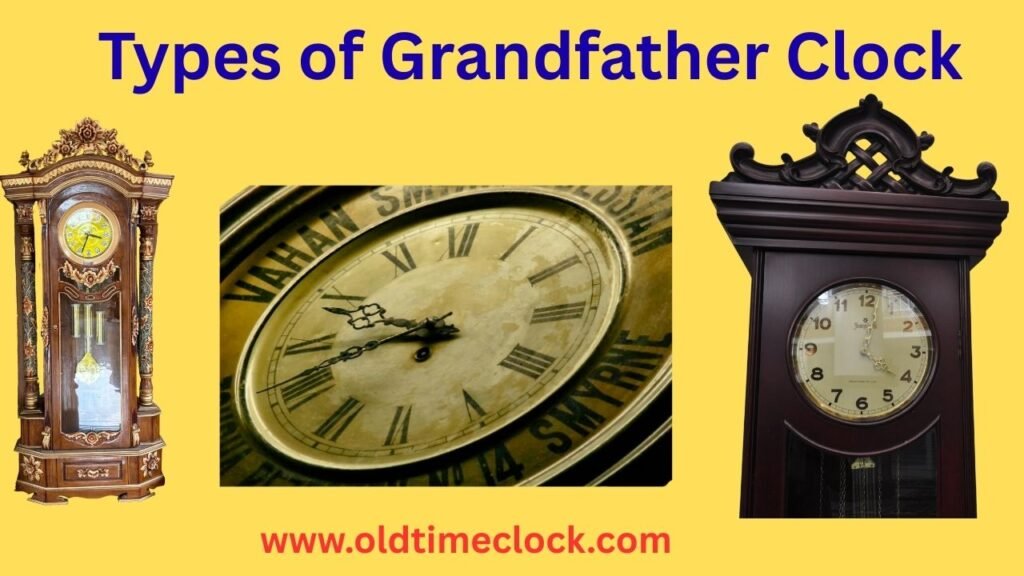
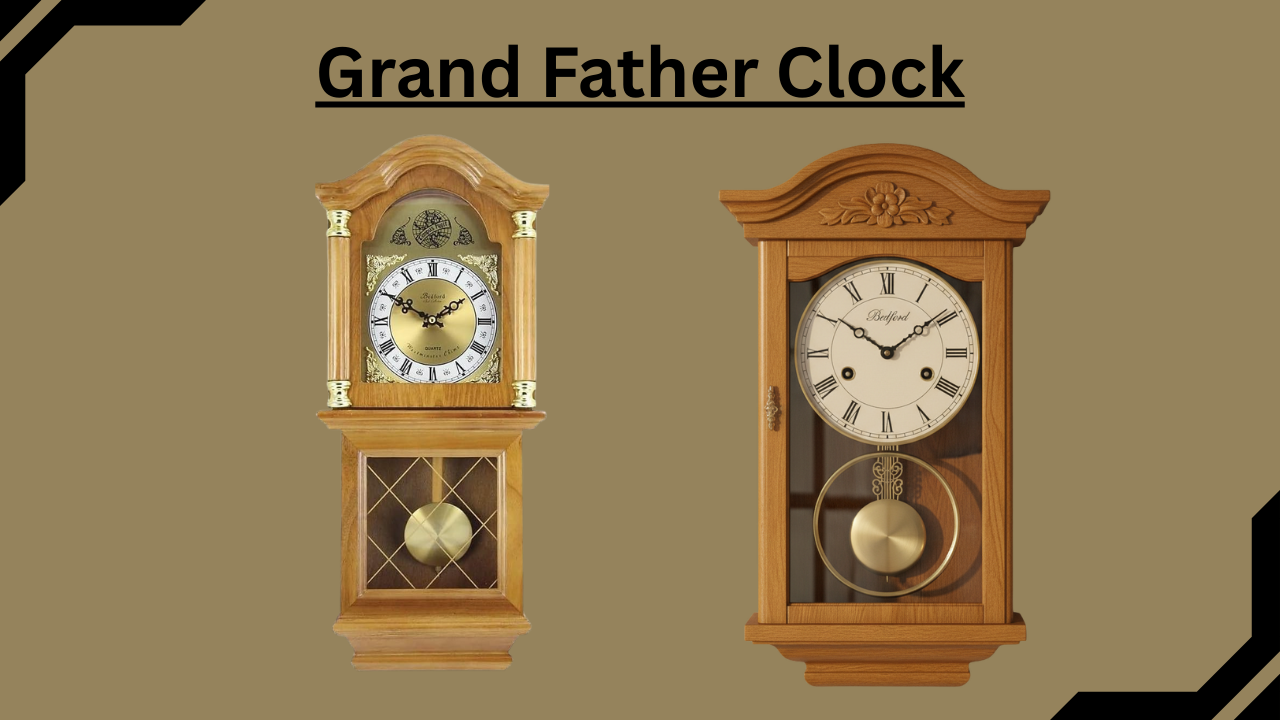
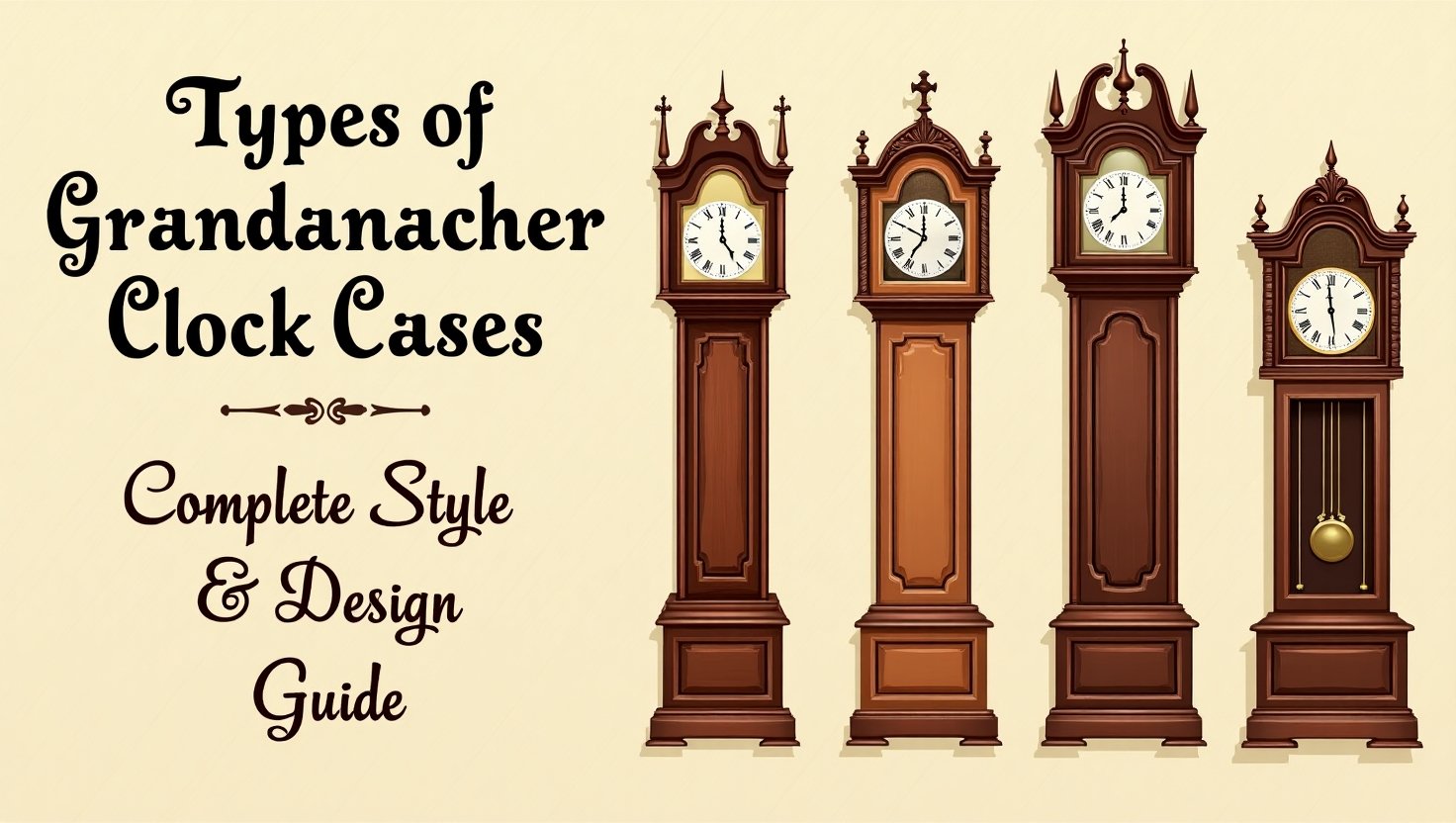
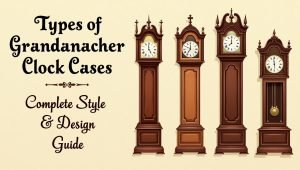
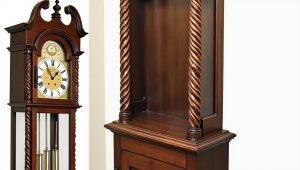
Grandfather clocks are perhaps the most majestic type of clocks. These tall, freestanding timepieces date back to the 17th century and are prized for their elegance and presence. With long pendulums and ornate wooden cases, they often become a home’s focal point. I’ve seen families pass down these heirlooms for generations, each tick holding stories of holidays, quiet evenings, and family traditions. Whether you favor traditional or contemporary styles, agrandfather clock never fails to make a statement.
Wall Clocks
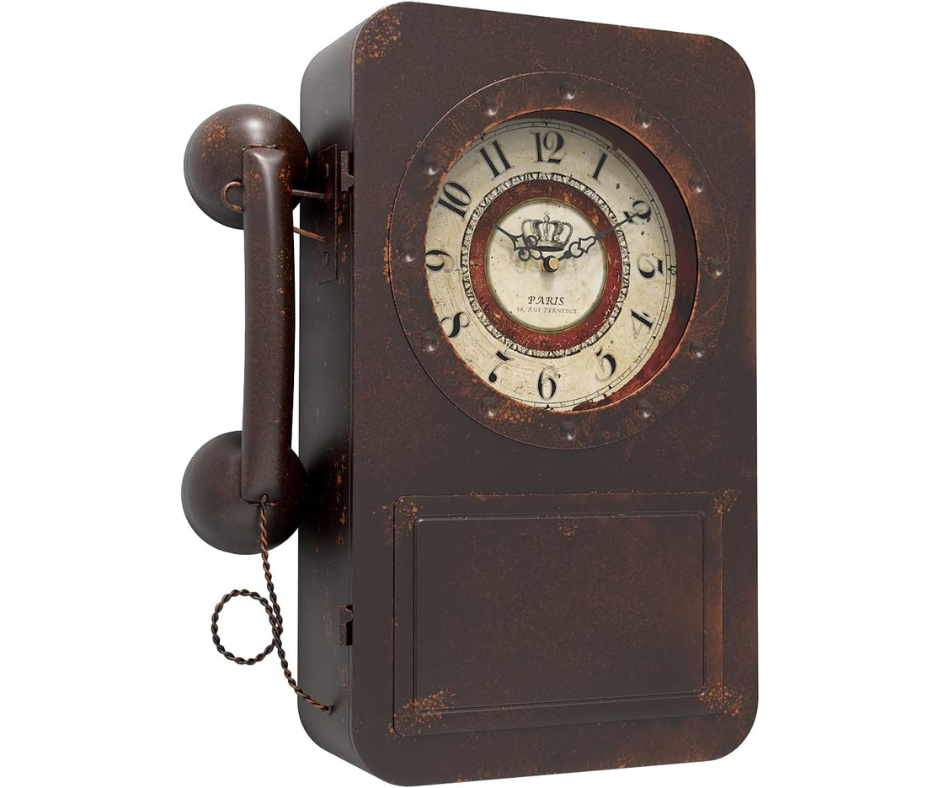
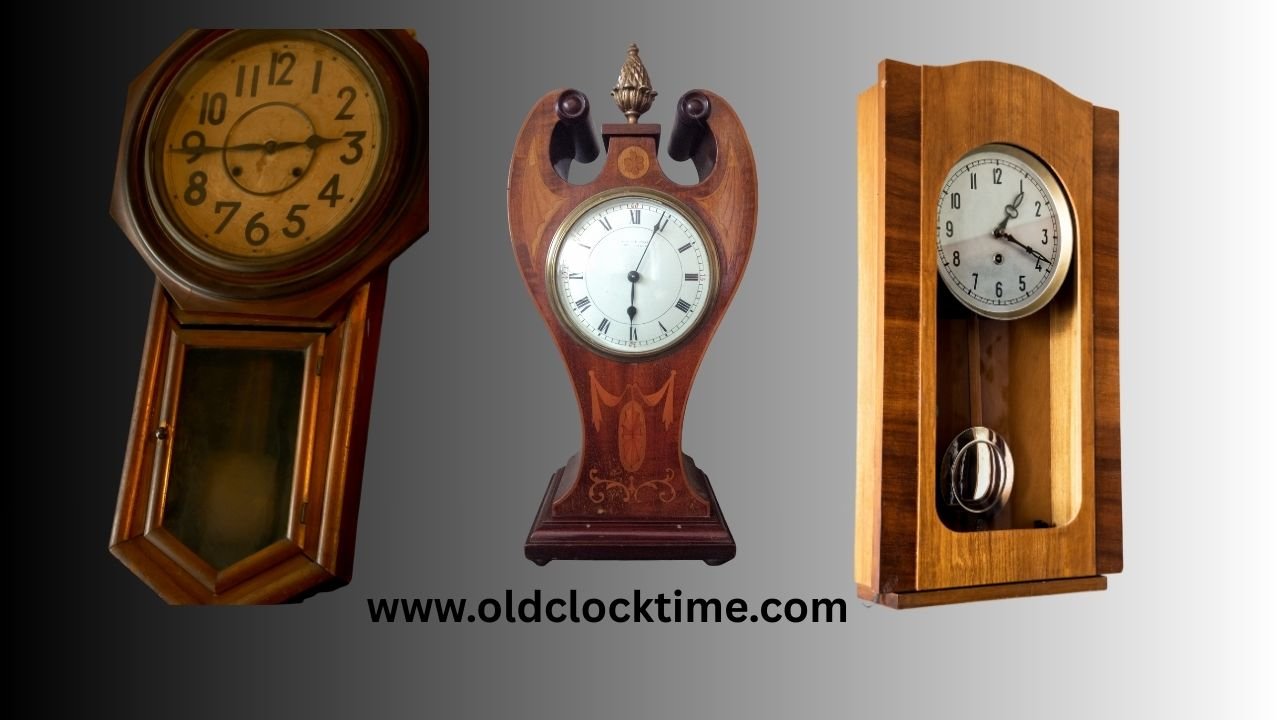
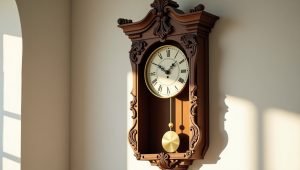
Wall clocks are versatile and timeless. From minimalist designs to decorative vintage pieces, they’re suited for kitchens, offices, and living rooms alike. Whether you’re restoring a century-old farmhouse clock or choosing a sleek modern one, wall clocks offer both style and practicality. They free up surface space and make it easy to glance at the time. Some even feature cuckoo mechanisms or swinging pendulums that add a nostalgic charm.
Cuckoo Wall Clock
Cuckoo wall clocks are playful yet intricate. Originating in the Black Forest region of Germany, they use mechanical movements to make a tiny bird appear and chirp on the hour. Carved with forest scenes, animals, and traditional motifs, these clocks are a delight to both adults and children. I’ve seen them bring a touch of magic to otherwise quiet rooms. For collectors, vintage cuckoo clocks hold both craftsmanship and personality.
Mantel Clock
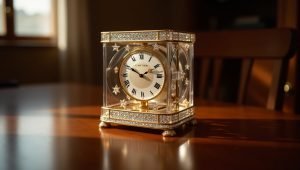
Mantel clocks are compact and elegant, traditionally placed above fireplaces or on shelves. These types of clocks often have rich wooden casings and striking mechanisms that chime every hour. Their manageable size makes them popular for smaller homes and apartments. As a horologist, I love how these clocks manage to hold history in such a small frame. They’re like time capsules with character.
Analog Clock
Analog clocks feature hands that rotate around a numbered dial, offering a classic way to read time. Found in everything from schoolrooms to kitchens, they remain a staple despite digital advancements. Many vintage analog clocks showcase detailed craftsmanship, such as enamel dials or brass accents. They serve as both practical tools and decorative elements in any setting.
Digital Clocks
Digital clocks display time in numeric format, making them easy to read at a glance. They’re popular in modern settings like offices, bedrooms, and public spaces. Though they lack the charm of mechanical timepieces, their accuracy and visibility make them reliable. Some digital clocks also include features like alarms, calendars, and temperature readings, ideal for the tech-savvy homeowner.
Types of Clocks Based on Mechanism
Clocks with Mechanical Movement
Mechanical clocks rely on gears, springs, and pendulums to measure time. These are the heartbeat of traditional horology. Winding a mechanical clock becomes part of a weekly rhythm, connecting you to a slower, more mindful pace. Many antique floor clocks and vintage wall clocks operate this way, rewarding users with rhythmic ticking and rich chimes.
Quartz Clock Movement
Quartz clocks operate with a small battery and a quartz crystal oscillator. Introduced in the 20th century, they revolutionized timekeeping by providing remarkable accuracy with minimal maintenance. These clocks are common in homes, schools, and workplaces. While they may lack the soul of mechanical types, they offer dependable timekeeping in stylish, low-maintenance designs.
Electric Clock
Electric clocks are powered by an electrical current, often plugged into a wall outlet. Common in industrial and mid-century modern designs, they were popular in the early to mid-20th century. They provided greater convenience over wind-up models and are now often sought after for their retro appeal. When I come across a well-maintained electric clock, I admire the blend of innovation and period-specific design.
Radio-Controlled Clocks
Radio-controlled clocks sync automatically with atomic time signals, ensuring near-perfect accuracy. These clocks adjust themselves for time changes and are ideal for offices, labs, and homes that value precision. Despite their tech-driven nature, they’re available in a variety of classic and modern designs.
Battery-Powered Clock
Battery-powered clocks are among the most convenient types of clocks today. They require little upkeep, and the batteries can last months or even years. From wall clocks to table clocks, their designs range from traditional to ultra-modern. It’s not uncommon for me to recommend battery clocks to clients who want elegance without the hassle.
Solar-Powered Clocks
Solar-powered clocks use light to recharge their internal batteries. Perfect for eco-conscious homes, they combine sustainability with function. You’ll often find these in gardens, patios, or near windows where sunlight is plentiful. Though newer in the horological world, their green appeal is growing quickly.
Pendulum Clocks
Pendulum clocks use a swinging weight to regulate time. As one of the oldest types of clocks, they remain beloved for their visual motion and classic charm. Grandfather clocks, wall clocks, and even some mantel clocksuse pendulum mechanics. Watching a pendulum swing brings a calming presence to a room; it’s one reason so many collectors cherish them.
Types of Clocks Based on Purpose
Alarm Clock
Alarm clocks are designed to wake us up, but they’ve evolved far beyond a morning jolt. From vintage wind-up models with twin bells to digital ones with gradual light settings, they serve both function and lifestyle. I’ve seen clients collect classic alarm clocks not just for nostalgia, but as unique décor items on bedside tables.
Outdoor Clock
Outdoor clocks are built to withstand the elements. You’ll often see them in gardens, patios, or public parks. With weather-resistant casings and large, readable dials, they combine utility with style. Many vintage outdoor clocks were once mounted on train stations or town squares, symbols of punctuality and community rhythm.
Musical Clock
Musical clocks add an element of surprise and joy to timekeeping. These clocks play tunes at set intervals, from simple melodies to complex compositions. Some include figurines or scenes that move in sync with the music. A musical clock in a child’s room or hallway can spark smiles and spark memories.
Astronomical Clock
Astronomical clocks are marvels of engineering. They display celestial information like the moon phases, planetary motion, and solar time. Often found in cathedrals or observatories, these clocks reflect humanity’s deep connection to the heavens. Though rare, some antique floor clocks include simplified astronomical features.
Antique Clock
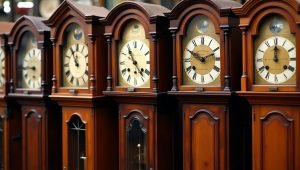
Antique clocks refer to any timepiece over 100 years old. Whether it’s a stately longcase clock or a pocket-sized carriage clock, these pieces hold unmatched historical and emotional value. As an antique clock specialist, I always encourage buyers to appreciate not just the look, but the legacy behind each tick.
Multi-Display Clocks
Multi-display clocks offer more than just time; they show date, temperature, humidity, and more. Found in schools, hospitals, and office buildings, they provide comprehensive information at a glance. Though highly functional, newer designs also prioritize aesthetics, blending clean interfaces with modern design sensibilities.
Final Thought
Clocks have always done more than keep time—they’ve kept us connected. Whether it’s the antique grandfather clock that stood through generations or the humble wall clock that marked everyday moments, each type of clock tells a story. As someone who’s spent a lifetime studying and restoring these treasures, I can say this: the right clock doesn’t just fit your space—it fits your spirit. Let your choice reflect not just your style, but your story.
Frequently Asked Questions (FAQs)
1. What is the most valuable type of antique clock?
Grandfather clocks, especially those made in the 18th and 19th centuries by known craftsmen, are often among the most valuable. Condition, maker, and originality matter greatly.
2. Are pendulum clocks still accurate today?
Yes, well-maintained pendulum clocks can keep time quite accurately. While they require regular winding and leveling, they remain a favorite for their classic charm and steady rhythm.
3. How do I choose between a traditional and modern clock design?
Consider your home décor and personal style. A traditional wooden clock suits classic or vintage spaces, while sleek modern designs fit contemporary interiors. Let your clock complement your lifestyle.
4. Can old clocks be repaired or restored?
Absolutely. Most mechanical and antique clocks can be restored with care. I always recommend consulting a specialist to preserve authenticity and function, especially for heirloom pieces.
5. Are digital clocks considered collectible?
While most digital clocks aren’t considered collectible now, certain retro or mid-century models are gaining interest, especially those with unique designs or early LED displays.

Post Comment